
Best Smart Home Upgrades For Energy Savings That Pay Off
Thermostats get set too high or low, lights stay on in empty rooms, and plug-in devices sip power even when you’re not using them.

Thermostats get set too high or low, lights stay on in empty rooms, and plug-in devices sip power even when you’re not using them.

Offices, stores, warehouses, and service centers all rely on steady power, and the load can swing as equipment turns on and off.

It’s measured in Kelvins (K), and that number changes the mood of a room as much as the fixture style.

It should protect picture quality, help you move around safely, and set a calm, focused mood for movie night.

A space for family dinners needs different light than a deck for cocktails, a poolside hangout, or a backyard path that guests use after dark.

Older homes need a close look at the panel, wiring, and breakers before you cover up the walls again.

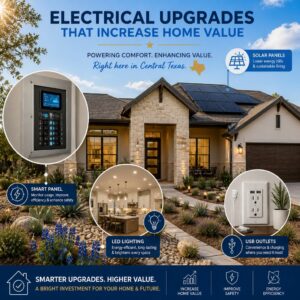
When a house feels updated and cared for right at the door, buyers relax and start picturing themselves living there instead of tallying repairs.

It keeps everything working the way it should and helps protect the people, equipment, and property that rely on steady power.

That makes rooms feel taller and less crowded—really helpful in smaller spaces or homes with a modern vibe.

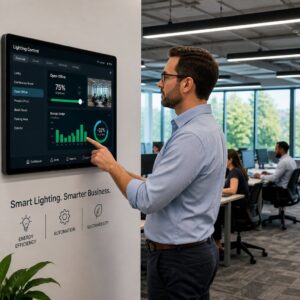
In office spaces, that simple shift can really cut down on wasted lighting in rooms that see sporadic use.

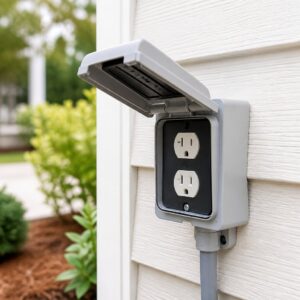
The shutters only open when you push both slots at once—basically, when you plug something in the right way.

Smart outdoor lighting uses connected fixtures, controllers, and apps to give you more control than a regular switch ever could.

You get more control, less glare, and a setup that adapts to different times of day—without swapping out every fixture in the house.

In most modern homes—especially open spaces—the right location means you get power where you need it, without dodging cords, chargers, or weird furniture gaps.

That kind of consistency is useful when your schedule is all over the place—your lighting still works like clockwork.

Think refrigerators, microwaves, ovens, dryers, washers, dishwashers, HVAC systems, water heaters, EV chargers, and heavy workshop tools

You install whole-building surge protection at or near your main panel, so it blocks excess voltage before it can spread.

The light pops on when it detects movement, so potential trouble doesn’t stay hidden, and you get a clearer view of what’s happening outside.

LEDs under the cabinets light up cutting boards, measuring cups, recipe cards, and all those little things on the counter.

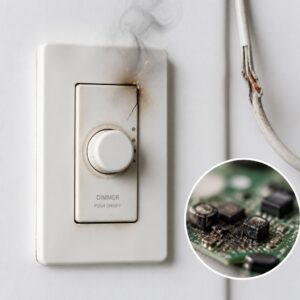
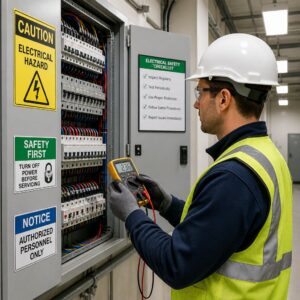
At work, that could mean exposed wires, bad tools, lousy grounding, wet equipment, overloaded circuits, or busted panels.

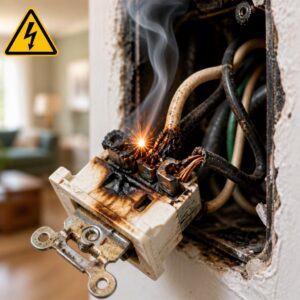
You might spot little changes—flickering, buzzing, or a device that only works if you jiggle the plug

It means the circuit pulled more current than it should, or the breaker detected some kind of fault that could overheat wires or damage stuff.

If an appliance or a metal housing accidentally gets energized, grounding helps make sure you don’t become the easiest path for electricity.

A space set up for focused computer work needs a different lighting plan than a break area or meeting room.

A whole-home surge protector sits at your main electrical panel and stops excess voltage from spreading through your place.

These setups might still work, but they usually lack proper grounding, have less capacity, or just aren’t as stable as what’s needed today.

How many miles do you really put on your car each day? Do you often get home with a low battery?

A dining table needs brighter, focused light. A lounge area calls for something softer

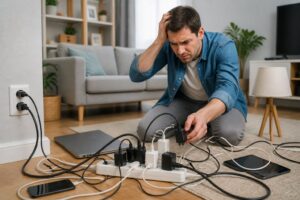
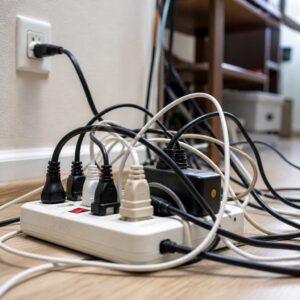
All those computers, monitors, printers, speakers, chargers, and network gadgets add up quickly—especially on older, shared circuits.

In many homes, the charger itself is just one part of the bill—labor, materials, and permits can easily tack on a few hundred dollars or more.