
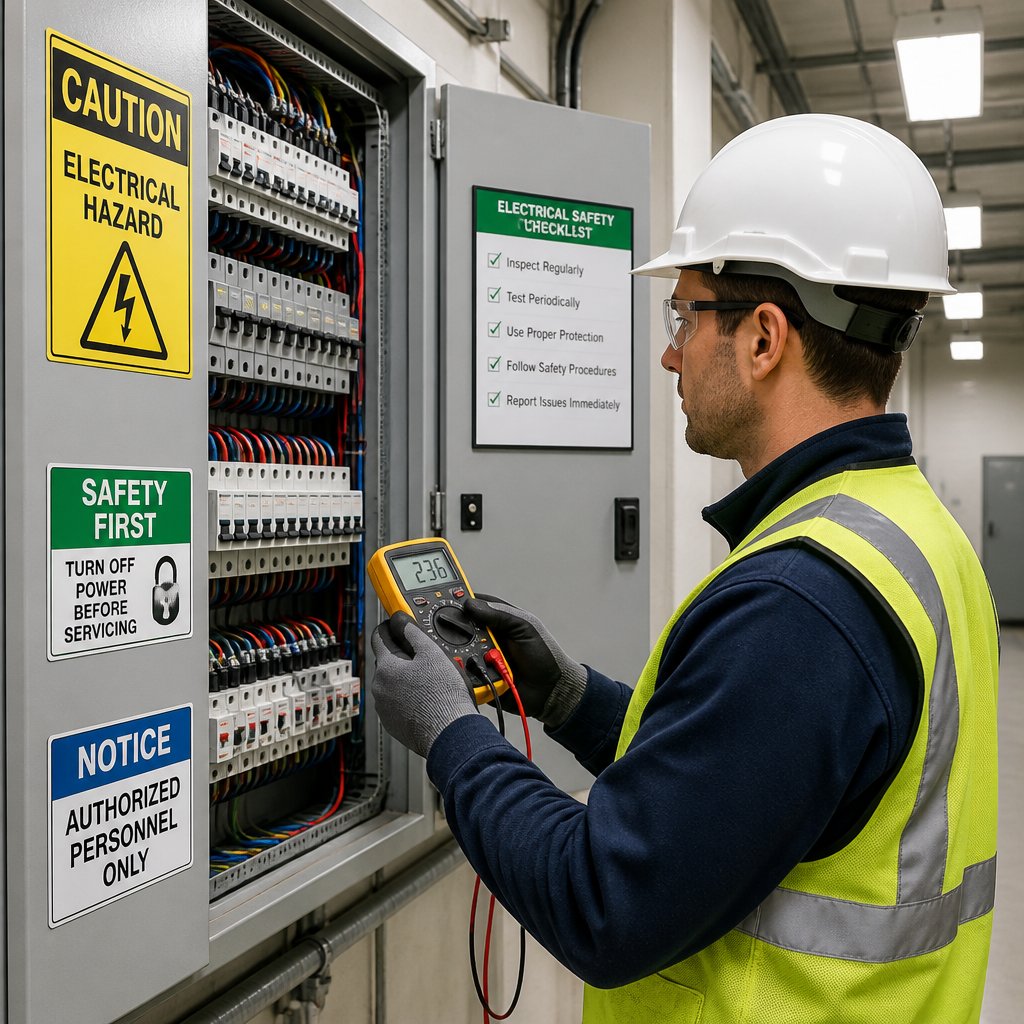
Older commercial buildings might look just fine, but hidden electrical problems can quietly build up behind walls, above ceilings, and inside panels. If you own or manage one of these properties, you know the risk is a lot bigger than just some annoyance. We’re talking downtime, damaged gear, or even a fire hazard that creeps up on you.
Catching wear early, reducing overloads, and getting a licensed electrician to inspect and upgrade any system that no longer fits your building’s needs—those are the safest ways to avoid electrical hazards in older commercial buildings. Usually, you’ll want to start with a close look at wiring, panels, outlets, and anywhere equipment’s been added over the years.
Here in Central Texas, I see this all the time in older offices, retail spaces, warehouses, and mixed-use properties from Austin to Round Rock, Cedar Park, Georgetown, and everywhere in between. A building can seem to “work,” but sometimes it’s just one bad connection away from a major headache. Having an actual plan helps, big time.
Why Older Buildings Carry Higher Electrical Risk
Older commercial properties come with more electrical risk because their systems were designed for a different era. Today’s loads are heavier, equipment is fussier, and years of hidden wear can pile up before anyone notices.
Aging Wiring And Insulation
Wiring doesn’t last forever. Insulation can dry out, crack, or turn brittle, which makes shorts and heat buildup more likely. I’ve opened up walls in older buildings where everything looked normal outside, but inside, the insulation was shot.
Outdated Panels And Limited Capacity
Old panels just weren’t built for all the office gear, HVAC, computers, chargers, and specialty machines we use now. Overloading these panels leads to constant breaker trips and overheating. It’s a classic problem in old commercial spaces that have grown without matching electrical upgrades.
Code Changes That Leave Hidden Gaps
Electrical codes keep changing for safety. A building that was up to code years ago might have gaps today, especially after renovations or tenant changes. You’ll see things like missing grounding, weak protection, bad labeling, or outdated device protection that just doesn’t fit how the building is used now.
Warning Signs You Should Not Ignore
Electrical issues usually give you some warning before they turn into disasters. If you keep seeing the same problems in the same spots, don’t brush them off—get them checked before things get worse.
Frequent Breaker Trips Or Blown Fuses
Breakers that trip a lot aren’t “too sensitive”—they’re doing what they’re supposed to. That usually means the circuit’s overloaded, the breaker’s failing, or something’s drawing too much power. In older buildings, repeated trips are a big red flag.
Warm Outlets, Switches, Or Panel Covers
If outlets, switches, or panel covers feel warm, something’s up. Heat points to loose connections, too much load, or failing parts inside. Don’t ignore that.
Flickering Lights And Voltage Irregularities
Lights that flicker, dim, or surge when equipment kicks on? That could mean loose wiring, bad connections, or a supply issue. You might notice computers rebooting or motors struggling, too. These things usually show up before a bigger electrical failure.
Burning Odors, Buzzing Sounds, And Discoloration
A burnt smell near a panel or outlet means you need to stop and check right away. Buzzing, crackling, scorch marks, or discoloration around devices? That’s heat or arcing, and you need a licensed electrician—not a wait-and-see attitude.
High-Risk Areas Inside Commercial Properties
Some parts of a building are just riskier because they handle more load or get more wear. These spots need extra attention during inspections and routine checks.
Service Panels, Meter Banks, And Electrical Rooms
Keep electrical rooms clear, dry, labeled, and easy to get into. Crowded rooms, blocked panels, and stored junk make it hard to spot trouble or respond fast in an emergency. Check these areas often for heat, corrosion, and damage.
Tenant Build-Outs And Added Circuits
Tenant improvements can create hidden risks when new circuits get added without a full system review. I’ve seen buildings where one build-out was careful, then the next just slapped on extra load with no real plan. That patchwork leaves weak spots behind the walls.
Kitchens, Mechanical Rooms, And Wet Locations
Kitchens, laundry rooms, utility spaces, and anywhere near sinks or drains come with a higher shock risk. You need proper device protection, smart equipment placement, and steady checks for moisture. One tiny defect in a wet area can turn into a real safety problem.
Storage Spaces With Extension Cord Overuse
Storage rooms often become the land of “temporary” fixes that last for years. Extension cords, power strips, and daisy-chained adapters pile up, and they overheat fast. If you keep seeing that, it’s time to add real outlets instead.
Practical Steps To Reduce Daily Risk
A few steady habits can really lower your risk and help your electrical system last longer. It’s not just about reacting when something fails—it’s about keeping things safer day to day.
Schedule Routine Safety Inspections
Regular inspections catch loose connections, damaged parts, and overloads before they turn into big repairs. Inspections also help you spot wear in old panels, outlets, switches, and lights. Honestly, it’s one of the simplest ways to avoid nasty surprises.
Label Circuits And Keep Panels Accessible
Clear panel labels save time and cut down mistakes during repairs or emergencies. Panels should never be blocked by boxes, furniture, or inventory. If someone can’t reach the disconnect fast, you’ve got a safety problem.
Replace Damaged Devices And Worn Components
Cracked outlets, loose switches, and worn cords don’t belong in service. Small parts fail first, and they set the stage for bigger issues. Swapping them out early is way cheaper than fixing damage later.
Manage Load From Modern Equipment Properly
New equipment can push old wiring over the edge. Office printers, servers, EV chargers, kitchen stuff, and HVAC controls all add load in their own way. A load review can show you where you need more outlets, better wiring, or a panel upgrade.
When Upgrades Make More Sense Than Repairs
Sometimes, a system just reaches the point where constant repairs cost more than a planned upgrade. If your building keeps outgrowing its electrical setup, upgrading is usually the safer, smarter move.
Panel Replacements For Growing Power Demand
If your panel is full, outdated, or always overloaded, replacing it might be the cleanest fix. That’s common in older buildings that keep adding equipment. A new panel, sized right, gives you more breathing room.
Wiring Improvements During Renovations
Renovation time is the best shot you’ll get at improving wiring. If the walls and ceilings are already open, you can fix hidden hazards without paying for access twice. Good time to plan for better outlets, safer routes, and easier troubleshooting later.
Lighting And Control Updates For Safer Operation
Energy-efficient lighting lowers heat, cuts maintenance, and makes work areas brighter. New controls, occupancy sensors, and better switches can also ease strain on old circuits. Around Central Texas, lighting upgrades are one of the easiest ways to boost safety and efficiency.
Surge Protection And Backup Power Planning
Older buildings often need whole-building surge protection, especially if you’ve got sensitive computers or controls. Backup power planning can keep you running during storms or outages, which—let’s be honest—happens a lot around Austin, Lakeway, Dripping Springs, and the rest of Central Texas.
When To Call A Licensed Electrician
Some problems are just too risky to handle yourself. If you’re unsure, it’s safer to stop using the circuit and call a licensed pro.
Problems That Require Immediate Professional Attention
Call right away if you smell burning, see sparks, deal with repeated breaker trips, or spot damaged wiring. Same goes for outlets that shock you, panels that hum loudly, or areas with heat damage. Those aren’t minor issues—they’re safety problems.
Mistakes Property Owners And Managers Commonly Make
A big mistake? Using extension cords as permanent wiring. Another one: ignoring a breaker that only trips “sometimes”—that usually gets worse. Skipping inspections after a remodel, tenant change, or new equipment? That’s just asking for trouble.
Choosing Experienced Help In Central Texas
Look for an electrician with real commercial experience, not just someone who handles basic service calls. Older buildings around Georgetown, Leander, Hutto, Westlake, Liberty Hill, Spicewood, Bee Cave, and nearby spots need careful troubleshooting, panel upgrades, lighting work, and wiring fixes that fit the building’s age and use. The right pro should explain the problem clearly and recommend the safest next step.
Frequently Asked Questions
What are the most common electrical hazards found in older commercial buildings?
You’ll usually find aging wiring, overloaded circuits, outdated panels, loose connections, and damaged outlets or switches. Renovated spaces without a full electrical update? Those are trouble spots too.
How can I tell if a building’s wiring or electrical panels need to be upgraded?
Frequent breaker trips, flickering lights, warm devices, and corrosion are strong hints. If the building’s grown, added new equipment, or still runs on an old panel with barely any spare capacity, it’s probably time to upgrade.
What are the top electrical safety rules every commercial tenant and employee should follow?
Keep electrical rooms clear, report any damage right away, and don’t use damaged cords or overloaded power strips. Employees shouldn’t run cords under rugs, stack extension cords, or mess with panels and breakers.
What should be avoided when working near electrical equipment, outlets, or exposed wiring?
Don’t use water nearby, touch exposed wires, or pile up storage in front of panels. Also, leave metal tools alone around open electrical gear—unless you’re a qualified electrician with the right safety steps in place.
How often should electrical inspections and preventive maintenance be scheduled in older buildings?
Older commercial buildings should get inspected regularly. The schedule depends on the building’s age, load, and use. Many places do well with yearly inspections, but bump that up if you’ve got heavy equipment, frequent tenant changes, or known electrical issues.
What steps can reduce the risk of overloaded circuits and overheating in older commercial spaces?
Try to spread out your equipment across different circuits—don’t just pile everything onto one outlet. If you notice you’re running out of places to plug things in, it might be time to add some new outlets. Avoid plugging a bunch of power-hungry devices into the same line; it’s just asking for trouble. Honestly, bringing in a licensed electrician isn’t a bad idea either. They can check your setup, suggest panel upgrades, tweak the wiring, or point out where surge protection would actually help.