
How to Upgrade Lighting in Warehouses for Better Performance
nce you figure out how to upgrade lighting in warehouses properly, you’ll cut dark corners, reduce maintenance headaches, and make things safer for everyone.

nce you figure out how to upgrade lighting in warehouses properly, you’ll cut dark corners, reduce maintenance headaches, and make things safer for everyone.
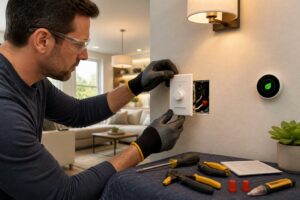
A dimmer lets you set the mood in different rooms and at different times. Kitchens usually need bright light for cooking, but in bedrooms or dining rooms, a lower light level saves power and just feels more relaxed.
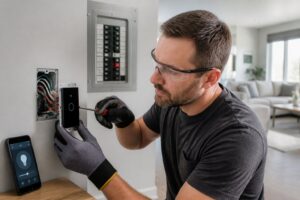
Start by checking your wiring, shutting off the power, matching the switch to the room, and following the manufacturer’s wiring diagram exactly.

If you’re wondering how to install outdoor outlets safely, you’ll need to plan the circuit, use weather-rated parts, follow GFCI rules, and test the outlet before calling it done.
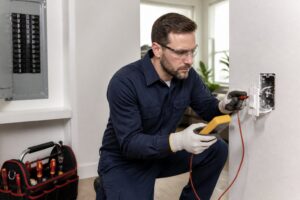
You can usually narrow things down if you cut the power when needed and test each part carefully. That way, you’re less likely to get shocked or swap out parts that aren’t even the problem.

The safest way to tackle this job? Map the room, check the circuit’s load, cut the power, and pick housings that suit your ceiling—whether it’s a remodel or new construction.
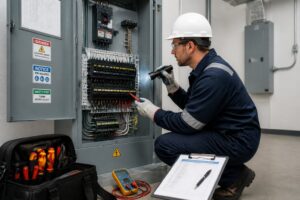
Honestly, the best plan is pretty straightforward: keep the panel clean, watch for warning signs, don’t overload it, and book regular checkups with a licensed electrician.

If your wiring is aging, overloaded, or not up to code, upgrading it is one of the best ways to protect people, reduce fire risk, and keep daily operations running. A smart upgrade also means fewer surprise outages and a much easier time with future improvements.

Wondering how to improve electrical efficiency in offices? Start by hunting down where the power’s slipping away, then tackle the systems that run the longest. With a good plan, you can reduce energy use without turning the office into a cave or making it uncomfortable.
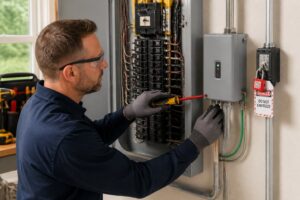
A well-installed surge protector can help lower the risk of damage from lightning, utility switching, or big appliances cycling on and off. It’s a surprisingly small device, considering it can protect expensive stuff all over the house.

Honestly, the safest move is to check your current panel capacity, size new circuits right, and plan wiring with code and inspection rules in mind. That’ll save you from headaches, delays, or costly fixes after the walls are up.

With a clear plan, you can boost product visibility, support your brand, and cut operating costs all at once. The right lighting makes your space feel brighter, cleaner, and more organized—without wasting energy.

The idea’s pretty straightforward: you want useful outdoor light only when there’s movement, but you also want it to be safe, weatherproof, and reliable. A well-placed motion light makes life easier at your front door, helps with driveway safety, and is handy for late-night trips outside.

The tricky part is figuring out if it’s a quick fix or a real electrical fault, because a dead outlet might mean loose wiring, heat damage, or a bigger issue somewhere in the circuit.

LED upgrades give you more options, too. You can pick warmer or cooler light, add dimmers or sensors, and actually match the fixture to the room instead of sticking a generic bulb everywhere.

If you keep running into electrical headaches, it’s smart to have a licensed electrician take a look. They can tell you if you need new circuits, a panel update, or maybe both. Sometimes, a small upgrade now saves you a world of trouble down the road.
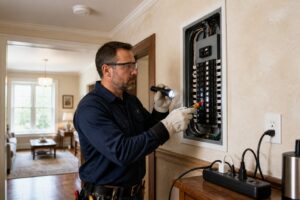
When insulation breaks down or wires get loose, you’re way more likely to get arcing and overheating. Sometimes, that heat just builds up behind the walls, and you won’t notice until there’s real damage.

You can make a dark room feel brighter with a few smart changes, and you don’t always need a huge remodel to see results. Figure out what’s really making the room gloomy, then pick the right mix of fixtures, bulbs, finishes, and controls for how you actually use the space.

The safest installs start with a clear layout, low-voltage equipment, and testing before you bury or hide anything. If you slow down and follow some basic electrical safety steps, you’ll end up with results that look clean and work reliably.

A good smart home wiring plan gives you reliable power, strong network coverage, and room to expand without having to rip walls open later. That means thinking through lights, switches, cameras, doorbells, internet, and control hubs before you get trigger-happy with the shopping cart.

A thorough inspection tells you which parts of your electrical setup are solid, which ones need work, and what you ought to plan for next. That way, you can actually protect your people, equipment, and the day-to-day grind.

The biggest gains usually come from replacing weak, uneven, or harsh lighting with efficient LED fixtures, better control systems, and layouts matched to each workspace. That approach can improve comfort and lower energy use at the same time.
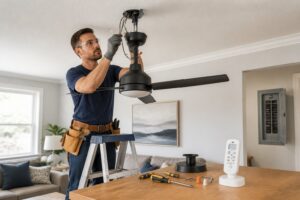
Start by confirming your ceiling box, shutting off the power, matching the wires, and testing the remote before you close everything up. If you open the box and see a jumble of wires, outdated hardware, or anything you’re unsure about, it’s time to call a licensed electrician.
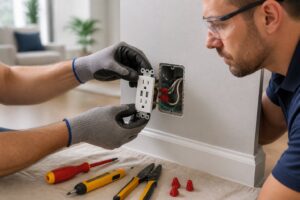
The safest way is to match the outlet to the room, make sure the box and circuit can handle it, shut off power the right way, and test everything before you start plugging in. That helps you avoid loose connections, overheating, and code headaches.

You don’t need to guess your way through it. Look for warning signs, check that everything’s labeled and protected, and make sure your system can handle how much power you use these days.

The best preparation helps you dodge surprise delays, keep downtime short, and make sure your new panel matches your real power use. If you know what to clear out, what to back up, and what to ask, installation day just feels less stressful.
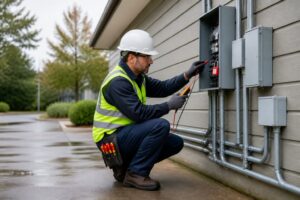
The safest bet? Check outdoor electrical parts on a regular schedule, keep things dry, and call a licensed electrician if anything looks sketchy, loose, or damaged. This routine really helps your system survive storms, freezes, and heavy use.
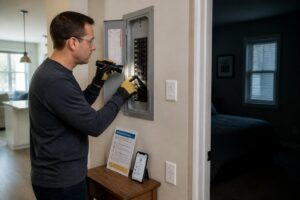
You can usually narrow things down safely by looking for warning signs, comparing what works in other rooms, and testing a few common trouble spots before calling for backup. If you notice anything smelling hot, sparking, or just feeling off, don’t push your luck—get a pro involved.
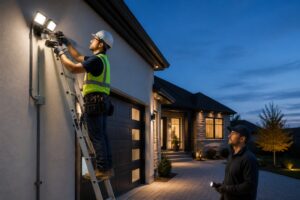
The safest systems are the ones you plan before you drill, wire, or mount anything. If you take the time to map your property, check power needs, and seal every outdoor connection, your lights just work better and last longer.
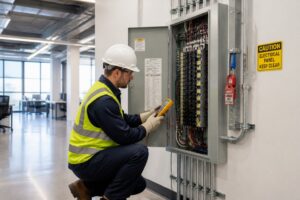
When you pay attention to inspection, maintenance, training, and smart upgrades, you cut fire risk, downtime, and those nasty surprise repair bills. This is true for offices, retail shops, warehouses, restaurants—anywhere demand for electricity keeps creeping up.