
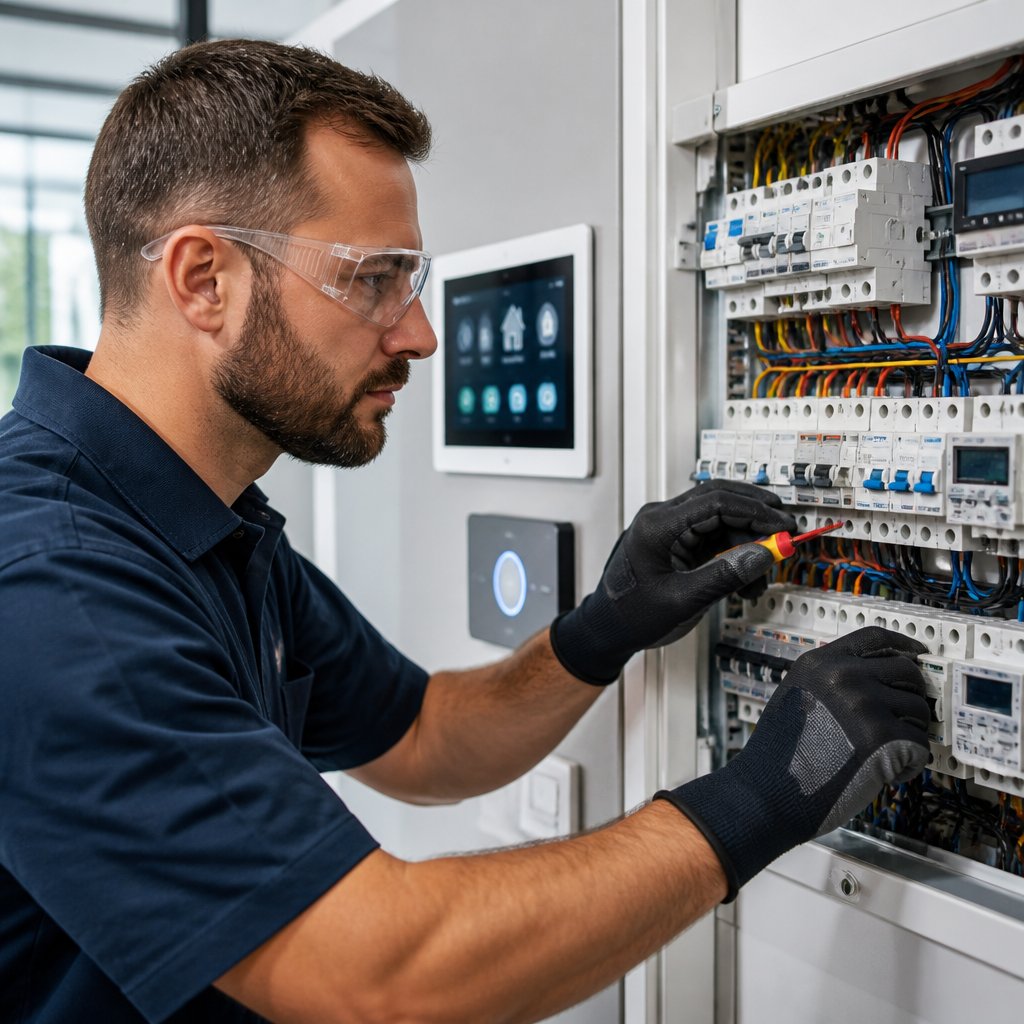
Upgrading your electrical system for modern technology starts with a hard look at your panel, wiring, outlets, and circuits. Can they actually keep up with the devices you use every day? If you’re adding smart gadgets, an EV charger, new appliances, or just more screens and gear, you’ll want to be sure your system isn’t lagging behind.
The safest bet is matching your power supply to what you actually use, then adding the right mix of panel capacity, dedicated circuits, surge protection, and code-compliant devices. This way, you cut down on annoying breaker trips, boost efficiency, and protect your electronics.
For a lot of places in Central Texas, it all starts with a thorough electrical evaluation. A licensed electrician can check everything, from the main service entrance to the outlets you use most, and help you plan upgrades that fit your space, budget, and whatever the future might throw at you. If you’re comparing options for a home in Austin, Round Rock, Cedar Park, Lakeway, or anywhere nearby, a professional assessment can keep you from making the wrong upgrade first.
Why Older Electrical Systems Fall Behind
Older systems were built for a simpler time. Today’s homes and workplaces ask way more of the same old wiring, so weak spots show up fast.
Rising Power Demands In Modern Homes And Workplaces
Maybe you’re running computers, big screens, routers, chargers, kitchen appliances, HVAC, and smart controls—all at once. In a business, the load can get even heavier with lighting, servers, office gear, and specialized equipment.
Common Limits Of Aging Panels, Wiring, And Circuits
Old panels were usually sized for a much lighter load. Wiring can get tired, loosen up, or just not meet modern code, which hurts both safety and performance.
How Daily Convenience Devices Add Hidden Load
It’s wild how quickly little devices add up. Smart speakers, chargers, TVs, Wi-Fi stuff, under-cabinet lights, plug-in heaters—they all pile on a steady load that old circuits were never meant to handle for long.
Signs An Upgrade May Be Needed
Some warning signs sneak up on you, but they’re usually your system’s way of crying for help. If you notice more than one, it’s probably time for an inspection.
Frequent Breaker Trips And Flickering Lights
If your breakers trip a lot, that circuit’s probably overloaded or struggling. Flickering or dimming lights? Could be loose connections, weak circuits, or a panel that’s maxed out.
Too Few Outlets Or Heavy Reliance On Power Strips
If you’re running a jungle of power strips just to use a room, you’re overdue for more outlets or even new circuits. It’s not just annoying—it’s a safety thing.
Warm Switches, Buzzing Sounds, Or Burning Odors
A warm switch, outlet, or panel cover is never good news. Buzzing or a burning smell? That’s classic for loose wiring, damaged gear, or a serious fault that needs fixing fast.
Problems Triggered By EV Chargers, HVAC, Or Appliances
Big equipment like EV chargers, air conditioners, fridges, or laundry machines can really test your system. If they make lights dim or trip breakers, you probably need more capacity.
Core Improvements That Make The Biggest Difference
The best upgrades hit both capacity and safety. Usually, you get the most bang for your buck by beefing up the main service first, then focusing on the rooms and devices that use the most juice.
Panel Capacity And Service Entrance Updates
A panel upgrade gives your place the space and rating it needs for today’s demands. Sometimes, the service entrance needs work too, so everything can handle higher loads safely.
Dedicated Circuits For High Demand Equipment
Big appliances, EV chargers, workshop tools, and office gear often need their own circuits. Dedicated lines keep things from overloading and help important stuff run smoothly.
Outlet, Switch, And GFCI Or AFCI Improvements
Adding new outlets and switches isn’t just about convenience—it’s safer, too. GFCI outlets protect in wet areas, and AFCI protection can cut fire risks in living and sleeping spaces.
Whole Home Surge Protection
A panel-mounted surge protector shields sensitive electronics from voltage spikes. It matters more than ever, with so many homes relying on TVs, computers, smart home systems, and connected appliances.
Wiring Updates For Safety And Performance
Old, damaged, or undersized wiring can drag everything else down. Replacing it where needed just makes things safer, more reliable, and ready for today’s loads.
Planning For Smart And High Tech Additions
If you’re adding new tech, plan the electrical work before the gear shows up. It makes everything cleaner, safer, and easier to expand later.
Smart Home Devices And Networked Controls
Smart thermostats, cameras, sensors, and control hubs all need steady power. Good planning leaves room for whatever’s next—because honestly, who knows what you’ll want to add in a year or two?
Lighting Installation For Efficiency And Automation
LED lighting and automated controls can slash energy use and make life easier. Whether it’s your home or business, thoughtful lighting upgrades make rooms more usable and cut down on headaches later.
EV Charger Installation And Future Vehicle Needs
EV chargers work best on their own dedicated circuit, sized right from the start. If you think you’ll get a second EV down the road, planning for it now saves you hassle and money.
Generator Hookups For Backup Power Readiness
A good generator hookup keeps the essentials running during outages—think fridge, lights, Wi-Fi, medical gear, or business-critical stuff.
Ceiling Fans And Energy Efficient Electrical Upgrades
Ceiling fans, efficient lighting, and modern controls can ease the load on your cooling system. In Central Texas heat, every little bit helps.
Safety, Code, And Professional Evaluation
Electrical work isn’t the place to wing it. A proper inspection and code-savvy plan can save you from expensive mistakes and safety headaches.
Why Inspections Matter Before Any Major Changes
An inspection shows what your system can handle right now—and what it can’t. It’ll also catch hidden issues like loose connections, bad grounding, or outdated devices before you stack on more load.
Residential Versus Commercial Considerations
Upgrading a house and upgrading a business property aren’t the same. Commercial places usually need more capacity, trickier controls, and tighter planning for uptime and code.
Common DIY Mistakes That Create Risk
People often overload circuits, use the wrong wire size, skip permits, or mix old and new parts without checking if they play nice. These shortcuts can cause fires or expensive repairs.
When Electrical Troubleshooting Should Come First
If you’re dealing with repeat tripping, random outages, or devices that just won’t work right, start with troubleshooting. Fixing the real problem first helps you pick the right upgrade instead of just covering up a bigger issue.
Cost, Timing, And Long Term Value
Upgrade costs depend on the system’s age, the property’s size, and how much needs to be brought up to code. A smart plan can spread the work out so you don’t lose sight of safety or future needs.
What Affects Upgrade Scope And Budget
Panel size, wiring condition, outlet count, permits, and the type of equipment you’re adding all shape the budget. Labor jumps if walls need opening or service gear is tough to reach.
How To Prioritize Improvements In Phases
A phased plan usually starts with the panel, then adds dedicated circuits, outlet upgrades, and surge protection. That way, you get safety gains right away and set the stage for bigger projects later.
Efficiency, Reliability, And Property Value Benefits
Modern electrical systems waste less energy, have fewer interruptions, and make life easier. They can even bump up your property value, since buyers and tenants like to see a place ready for modern living.
Choosing Qualified Help In Central Texas
If you need electrical work in Austin, Spicewood, Bee Cave, Lakeway, Dripping Springs, Georgetown, Leander, Round Rock, Cedar Park, Kyle, Liberty Hill, Westlake, Hutto, or anywhere close, look for a team that handles both homes and businesses. You want clear communication, safe work, and advice that actually fits your place.
Frequently Asked Questions
How can I tell if my home’s electrical panel needs an upgrade?
If your panel trips often, feels crowded, or can’t keep up with new appliances and tech, it might be time for an upgrade. A licensed electrician can check the panel’s size, age, and condition to see if it matches your needs.
What signs suggest my wiring can’t handle today’s devices and appliances?
Flickering lights, warm outlets, burning smells, or frequent breaker trips usually mean your wiring is stressed or outdated. If you’re running lots of devices and still have issues, your wiring probably needs attention.
How much electrical capacity do I need for EV charging, smart home gear, and new appliances?
It depends on the charger level, appliance load, and what else is running. The best way to size your system? Get a professional load check so you can add tech without overloading things.
What’s the difference between upgrading a breaker panel and rewiring a house?
A panel upgrade bumps up your system’s main capacity and improves protection. Rewiring swaps out old branch wiring across the property—a bigger job, usually for when the wiring itself just isn’t safe or up to the task anymore.
Do I need additional circuits or dedicated outlets for high-demand electronics?
Most of the time, yes. Dedicated circuits keep big appliances, office gear, and EV chargers from fighting for power, which makes things safer and cuts down on nuisance trips.
What should I expect in terms of cost, permits, and timeline for an electrical upgrade?
The price depends a lot on how big the job is, how old your current system might be, and if you need to swap out wiring or service panels. Usually, you’ll need permits and an inspection—no way around that. Some smaller upgrades might just take a few hours, but bigger ones? Those can drag on for several days. It’s rarely a one-size-fits-all situation.