
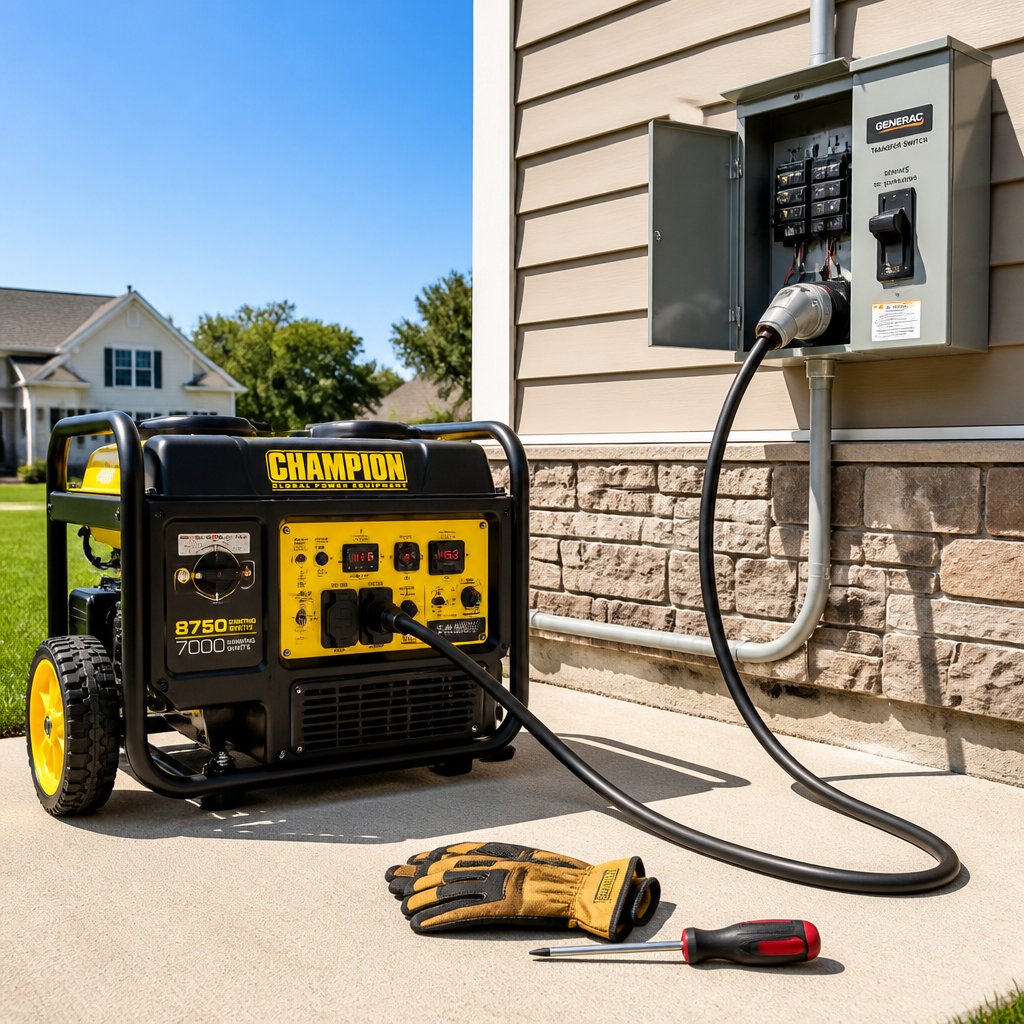
Power outages in Austin can show up out of nowhere. If you want reliable backup power, a proper portable generator hookup keeps your lights, fridge, and essentials running—no drama, no panic. When professionals install your hookup, you get safe power transfer, your home stays protected, and you won’t run afoul of local codes or risk fines.
Here’s what you’ll find: how to pick the right generator, compare pro installs to DIY, and see real-world hookup methods and safety tips for Austin and the surrounding area. Magnify Electric’s licensed electricians handle everything—outlet work, panel upgrades, EV chargers, Lutron smart systems, surge protection, lighting, and portable generator hookups—so your home or business stays powered and protected, even when the grid’s down.
We serve Spicewood, Austin, Bee Cave, Lakeway, Dripping Springs, Georgetown, Leander, Round Rock, Kyle, Cedar Park, Liberty Hill, Westlake, The Hills, Briarcliff, Horseshoe Bay, Sunset Valley, Hutto, and plenty of other Central Texas spots. Magnify Electric is your go-to for fast, expert installations, repairs, smart-home upgrades, safety checks, and emergency electrical help.
Understanding Portable Generator Hookup in Austin, TX
A good portable generator hookup keeps your essential circuits powered and legal, so you can run the fridge, HVAC, or medical equipment during outages. You’ll need the right transfer switch, a fuel plan, and a licensed electrician to avoid backfeed and code headaches.
Local Regulations and Safety Codes
Austin and the surrounding area follow the National Electrical Code (NEC) plus their own tweaks. You have to use a transfer switch or interlock device to prevent backfeeding into the grid. Backfeed is dangerous—it can hurt lineworkers and fry equipment—so inspectors don’t mess around.
Permits are required for any permanent hookup or hardwired inlet. Inspections cover wiring, grounding, and fuel connections if you’re running propane or natural gas. If you skip permits, you risk fines and failed inspections, and insurance can get complicated after an outage.
A licensed electrician makes sure everything’s up to code. Magnify Electric’s crew handles permits, installs transfer switches, and checks grounding to meet Austin’s rules and those in nearby towns.
Types of Portable Generators Commonly Used
Most home portable generators run between 2,000 and 10,000 watts. Smaller units (2,000–3,500 W) keep lights and small gadgets going. Mid-size (4,000–7,000 W) can handle a fridge, sump pump, and a few circuits. Bigger models (7,500–10,000 W) run multiple circuits and, sometimes, even some HVAC.
Fuel choices matter: gas is easy to find but burns up fast; propane and natural gas are cleaner and last longer if you’ve got a line. Inverter generators give you stable power for sensitive stuff. Match your generator size to your must-have circuits, not your whole house.
Magnify Electric can help you figure out the right size and wiring method for your home or business anywhere in Central Texas.
When to Use a Portable Generator in Austin
Portable generators make sense during short outages or when you just need a little power right away. They’re great for fridges, charging devices, sump pumps, lights, and medical gear. If you want whole-house power or expect long outages, you might want to look into a standby generator.
Never plug a generator straight into a wall outlet. Always use a proper transfer switch or a manual transfer setup with a hardwired inlet—let a licensed electrician set it up. Keep the generator outside, at least 20 feet from doors and windows, to avoid carbon monoxide danger.
If you need a quick, code-compliant hookup, Magnify Electric’s team does emergency support, wiring, panel upgrades, transfer switches, and safety checks all over Austin, Spicewood, Bee Cave, Lakeway, Dripping Springs, Georgetown, Leander, Round Rock, Kyle, Cedar Park, Liberty Hill, Westlake, The Hills, Briarcliff, Horseshoe Bay, Sunset Valley, Hutto, and nearby Central Texas towns.
Choosing the Right Portable Generator
Pick a generator that matches your power needs, fuel preference, and local rules about noise and emissions. Make sure it’ll run the circuits you care about and fits where you’ll actually use it.
Power Requirements for Austin Homes
Start by listing what you want to run during an outage. Most folks want the fridge (600–1,200 W), sump pump (800–1,500 W), furnace or heat pump fan (400–1,000 W), lights (LEDs are 10–15 W each), plus a couple outlets for phones and laptops. Don’t forget starting watts—motors like those in HVAC, pumps, and fridges need a surge to get going.
Add up your total running watts, then tack on the highest starting watt draw. Choose a generator with at least 20–25% extra capacity so you don’t overload it. For many Austin homes, that means a 3,500–7,500 W unit for partial coverage or 8,000+ W if you want to power almost everything. Always have an electrician tie your generator in with a transfer switch to keep things safe and legal.
Fuel Types and Efficiency
Most portable generators run on gasoline, propane, or diesel. Gas is easy and cheap but doesn’t store well. Propane stores forever and burns cleaner, so your carburetor won’t gum up, but it puts out a bit less power. Diesel is efficient and tough for heavy use, but it’s more expensive and needs careful ventilation and maintenance.
Think about how long each tank lasts and what fuel you can get during storms. Check the rated fuel consumption at 50% load to estimate run time. In Austin, propane is a solid bet for longer emergencies, while gas works for short-term or rare outages. Ask your electrician if you can install a fuel line or set up safe storage near your hookup.
Noise Levels and Emissions
Check the decibel rating at 23 feet (7 meters). Modern inverter generators usually run 50–60 dB—about as loud as a conversation. Big conventional units can get up to 70–80 dB. Austin and some neighborhoods have noise rules, so go for a quieter model if you’re in a dense area like Westlake or Sunset Valley.
Emissions count, too, especially if you’re running the generator in your backyard or near a garage. Look for CARB or EPA-certified models if you want to keep pollutants down and stay legal in Texas. Always put the generator outside, away from windows and vents, and follow clearance rules to avoid carbon monoxide. Magnify Electric’s licensed electricians set up safe portable generator hookups, making sure your placement, ventilation, and code compliance are right across Spicewood, Bee Cave, Lakeway, Dripping Springs, Georgetown, Leander, Round Rock, Kyle, Cedar Park, Liberty Hill, The Hills, Briarcliff, Horseshoe Bay, Hutto, and the rest of Central Texas. We also handle commercial electrical work, surge protection, and any wiring you need for safe, reliable backup power.
Professional Installation vs. DIY Setup
Hiring a pro gets you a safe, code-compliant hookup and saves you time and headaches. DIY can be tempting to save money, but it’s risky—you might miss something important and end up with damage, fines, or unsafe wiring.
Benefits of Hiring Certified Electricians
When you hire licensed electricians you’re protecting your home and following code. Magnify Electric’s techs install transfer switches, generator subpanels, and dedicated circuits the right way. That means less fire risk and no backfeed that could hurt utility workers.
You get a permit-ready plan and tested connections. Electricians size the wiring and breaker, ground the system, and check load calculations so your sensitive devices and HVAC run safely. For commercial setups, we handle bigger loads, three-phase, and load-shedding controls.
We serve Spicewood, Austin, Bee Cave, Lakeway, Dripping Springs, Georgetown, Leander, Round Rock, Kyle, Cedar Park, Liberty Hill, Westlake, The Hills, Briarcliff, Horseshoe Bay, Sunset Valley, Hutto, and nearby Central Texas. Magnify Electric delivers fast, expert work for both homes and businesses.
Risks of Improper Generator Hookup
If you hook up a generator wrong, you risk backfeed—sending power back to the grid, which is dangerous for utility crews. Using the wrong transfer switch, loose connections, or bad breaker sizes can overload circuits and even cause fires. Unstable voltage or poor grounding can fry your appliances.
Bad installs may also void warranties and cause insurance problems if you ever need to file a claim. Inspectors can deny approval, which means expensive rework. If you DIY without proper tools or knowledge, you might miss code requirements like bonding, GFCI protection, or safe fuel placement.
Permitting and Inspection Process in Austin
Austin wants permits for permanent or hardwired generator hookups. Your electrician usually pulls the permit, submits plans with transfer switch type and wire sizes, and lists circuit loads. Inspections check bonding, grounding, transfer switch install, and compliance with the National Electric Code and Austin’s amendments.
You’ll need at least one rough inspection and a final sign-off after load testing. Even for portable generators with manual inlets and switches, inspectors want proper labeling and clearances. Working with a licensed company speeds things up and helps you avoid failed inspections.
Portable Generator Hookup Methods
Here are safe ways to connect a portable generator to your home or business, plus which option fits your needs and local code. Each method comes with main steps, safety tips, and a heads-up on when to call a pro.
Manual Transfer Switch Installation
A manual transfer switch gives you a safe, legal way to power selected circuits when the grid goes down. An electrician mounts the switch near your main panel and wires it to the circuits you want to run from the generator. This stops backfeed and lets you flip from utility power to generator power with one lever.
Key points:
- Must match your generator’s wattage and panel’s capacity.
- Needs professional wiring, permits, and inspection.
- Great if you want to run multiple household circuits (heat, fridge, lights).
You should hire a licensed electrician for install. Magnify Electric’s team handles panel upgrades, transfer switch wiring, and permits all over Central Texas. Their electricians size the switch, wire the right circuits, and test everything so your hookup meets code and works when you need it.
Interlock Kit Solutions
An interlock kit is a more affordable alternative that locks out the main breaker and generator breaker so both can’t be on at once. Your electrician installs the kit on your panel and adds a generator inlet and dedicated breaker for generator power. You can power most of your house this way, if your panel and generator are compatible.
Important details:
- Must be UL-listed for your panel.
- Lets you use more circuits, but breaker sizing and grounding still matter.
- Needs proper labeling and an outdoor inlet.
Interlock kits are a good fit if you want more panel access and lower install costs than a full transfer switch. Have a pro check your panel and make sure you’re meeting code before you buy anything.
Using Extension Cords Safely
Extension cords can power a few appliances directly from a portable generator, but you’ve got to use them with care. Stick with heavy-duty, outdoor-rated cords sized right for the job. Always plug cords into the generator’s outlets—not wall receptacles—to steer clear of backfeed and shock hazards.
Safety checklist:
- Match cord ampacity to what you’re plugging in (use 12 AWG or bigger for heavier loads).
- Keep cords dry, off walkways, and on steady ground.
- Don’t run cords through windows, attics, or anywhere wet.
Extension cords are great for short-term needs—like running a fridge, sump pump, or a couple of lights. If you’re dealing with longer outages or want to run more of your house, you’ll need a transfer switch or interlock kit, and a licensed electrician to keep things safe and up to code.
We serve Spicewood, Austin, Bee Cave, Lakeway, Dripping Springs, Georgetown, Leander, Round Rock, Kyle, Cedar Park, Liberty Hill, Westlake, The Hills, Briarcliff, Horseshoe Bay, Sunset Valley, Hutto, and most of Central Texas. Our licensed electricians handle everything from basic outlets to EV chargers, surge protectors, panel upgrades, smoke and CO₂ detectors, and emergency electrical work for homes and businesses. If you want reliable electrical service, clear pricing, and pros who know what they’re doing, try Magnify Electric.
Operational Tips for Portable Generators
Keep your generator dry and level. Run it outside—at least 20 feet from any doors or windows. Double-check that the transfer switch and fuel lines are secure before firing it up.
Startup, Shutdown, and Refueling Procedures
Give your generator a quick inspection before starting: check the oil, coolant (if it has it), fuel, and air filter. Make sure the transfer switch is “off” and your main breaker is off if you’re using direct wiring. Use a heavy-duty generator cord that fits the transfer switch inlet.
Start the generator outside on flat ground. Let it run for 3–5 minutes to warm up before plugging anything in. Start with the essentials—fridge, sump pump—then add lights or smaller stuff.
To shut down, turn off your connected loads first. Let the generator idle for a minute, then power it down. Wait for it to cool before refueling. Only use the recommended fuel, and fill up outdoors, away from anything that could spark. Store fuel in approved containers, and swap it out every 30–90 days depending on type.
Weather Preparation and Storm Usage
Set the generator under a canopy or shelter—something that keeps rain and snow off but lets air and exhaust out. Never run a generator in a garage or inside. Always aim exhaust away from the house and neighbors.
Keep extra fuel, oil, and cords in a dry, labeled bin. Test your generator monthly during storm season—run it with a small load to make sure it starts. If floods are a risk, move your generator and fuel to higher ground before storms hit. Keep emergency electrical numbers handy.
Routine Maintenance Schedules
Stick to the manufacturer’s schedule, but here’s a quick rundown: check oil and air filter every 25–50 hours. Change oil every 100 hours or yearly. Replace spark plugs and fuel filters as needed or if starting becomes a pain.
Look over the battery and charging system each month. Clean up the unit and clear out debris after every use. Book a professional tune-up once a year or after heavy use. For setups with transfer switches, have a licensed electrician test connections and wiring every 1–2 years.
Magnify Electric’s team can handle installation, maintenance, and repairs for both homes and businesses. We do everything from fixture swaps to full panel upgrades, smart-home systems, EV chargers, surge protectors, and portable generator hookups across all the Central Texas spots mentioned above. If you want expert, code-compliant service—routine or emergency—give us a shout.
Cost Considerations in Austin, TX
You’ll face up-front costs for the generator and hookup, plus ongoing fuel and maintenance. Pricing depends on generator size, hookup style, permits, and how much electrical work your place needs.
Generator and Installation Pricing
Generators run from about $600 for small portables to $6,000+ for bigger inverter or standby-capable units. Most homes do fine with a portable in the $1,000–$2,500 range to run key circuits.
Installation labor and materials for a proper transfer setup usually add $400–$1,800. If you need a transfer switch, subpanel work, or a pro to rewire things, costs go up. Permits and inspections in the Austin area tack on another $50–$300 depending on what’s involved.
Magnify Electric’s licensed electricians handle everything from basic outlet hookups to transfer-switch installs and panel upgrades. You get clear pricing for residential and commercial work around Austin and nearby towns, and our electricians protect your appliances and follow code.
Ongoing Fuel and Maintenance Costs
Fuel use depends on generator size and how long you run it. Small portables might burn 0.5–1.5 gallons per hour—bigger ones, more. If you run a 3,500-watt portable at half load for 8 hours, you’ll go through 4–8 gallons a day. Multiply by local fuel prices to figure your daily outage cost.
Maintenance covers oil changes, spark plugs, air filters, fuel stabilizer, and the occasional load test. Budget $50–$150 a year for basic upkeep on portables—more if you use it a lot. Annual pro inspections and repairs can run $100–$300. Magnify Electric offers maintenance checks and emergency help all over Central Texas, including the towns listed earlier.
Eco-Friendly and Noise-Reducing Solutions
You can cut emissions and quiet things down without giving up reliable backup power. The trick? Pick the right generator, use smart placement and sound control, and get a licensed pro for safe hookups and permits.
Selecting Low-Emission Models
Inverter or solar-ready portables make a cleaner choice. Inverter units are more efficient and put out less nasty exhaust than old-school models. Look for EPA Tier 4 or CARB-compliant labels—Austin-area standards expect it.
Pick models with eco-mode or auto idle. These cut fuel use during lighter loads and give you longer run times. Dual-fuel machines (gas and propane) let you switch to propane for lower carbon monoxide and fewer particulates when you can.
Have a licensed electrician set up a transfer switch and proper venting. Magnify Electric’s electricians handle generator hookups, permits, and code compliance across Central Texas, so your system runs cleaner and safer.
Best Practices for Reducing Generator Noise
Set the generator on a flat, solid spot at least 10–20 feet from where people hang out if you can. Distance does wonders for noise. Aim the exhaust away from windows, doors, and neighbors.
Use a real sound enclosure or acoustic barrier. Panels made from mass-loaded vinyl or thick plywood with insulation inside absorb and block noise—but make sure air and exhaust still flow freely.
Keep up with maintenance for a quieter generator. Change oil, clean air filters, and tighten anything loose. Vibration pads under the unit and flexible exhaust couplings help cut mechanical noise. For installation, Magnify Electric’s crew does precise mounting, wiring, and emergency-ready hookups in all the Central Texas areas we serve.
Local Providers and Support Resources
You’ll find qualified installers, emergency contacts, and recycling options nearby. These resources help you get safe generator hookups, quick repairs, and proper disposal when it’s time.
Reputable Generator Installers in Austin
If you need a licensed electrician for a portable generator hookup, go with someone who knows transfer switches, load calculations, and code. Magnify Electric is solid for residential and commercial work—our licensed electricians handle everything from automated lighting and smart home systems to EV charging and surge protectors.
Ask for these services when you call:
- Transfer switch install (manual or automatic)
- Site assessment and load calculation
- Permits and code compliance
- Interlock or dedicated subpanel setup
We cover Austin, Bee Cave, Lakeway, Round Rock, Leander, Georgetown, and nearby areas. Always ask for proof of licensing, insurance, and recent references before booking.
Emergency Contacts and Customer Support
Keep a list of emergency contacts for outages and generator issues. You’ll want your electrician’s 24/7 number and a backup for after-hours repairs. Magnify Electric offers emergency support and troubleshooting for transfer switch failures, wiring problems, or generator startup trouble.
Here’s a quick checklist to keep handy:
- Electrician’s emergency number
- Generator model and serial number
- Where your transfer switch and breaker panel are
- Fuel type and nearest supplier
If you see smoke or smell burning, shut the generator down and call your electrician right away. For carbon monoxide worries, get everyone to fresh air and call for help.
Disposal and Recycling Options
When it’s time to retire a generator or swap batteries, dispose of parts safely. Texas takes lead-acid and lithium batteries at many hazardous waste centers and recycling spots. Check with your electrician or local waste authority for approved drop-off sites in Austin, Cedar Park, Kyle, and nearby towns.
For safe disposal:
- Drain and recycle used oil and filters at certified sites.
- Recycle batteries at dedicated drop-offs or retailer programs.
- Take old gasoline or diesel to hazardous waste events—never down a drain.
Installers can often point you to local recycling programs and may haul away old units when they put in your new system.
Frequently Asked Questions
Here are answers about costs, safety, permits, and services for portable generator hookups in Austin and Central Texas. You’ll get practical info on what to expect, who should do the work, and which safety steps really matter.
What kind of costs can I expect for installing a portable generator in Austin?
Costs change depending on hookup type and site work. A simple transfer switch hookup is cheaper, but manual or automatic transfer kits, subpanels, or long feeder runs bump up the price.
Permits, labor, and materials add to the total. You’ll pay more for panel upgrades, gas/propane lines, or concrete pads.
Can you explain what a generator interlock kit does?
A generator interlock kit makes sure your main breaker and generator breaker can’t be on together. This blocks backfeeding into the grid and keeps line workers safe.
It’s a budget-friendly way to switch loads safely—cheaper than a full automatic transfer switch. It works with your existing panel and lets you power selected circuits during an outage.
What services does Storm Guardian Generators provide for generator setup?
Magnify Electric covers full generator hookup services—transfer switches, interlock kits, and load planning for homes and businesses. Our licensed electricians install portable generator hookups, do wiring, panel work, and safety inspections.
We serve Spicewood, Austin, Bee Cave, Lakeway, Dripping Springs, Georgetown, Leander, Round Rock, Kyle, Cedar Park, Liberty Hill, Westlake, The Hills, Briarcliff, Horseshoe Bay, Sunset Valley, Hutto, and all nearby Central Texas communities. From fixture swaps to full upgrades, commercial lighting, smart home setups, and emergency help—we’re here.
Is obtaining a permit necessary for generator installation in Texas?
Most permanent generator hookups and panel changes need a permit and inspection. Central Texas cities and counties enforce local electrical and building codes.
Check with your local office or let a licensed electrician (like us) pull permits and schedule inspections for you.
Should I hire an electrician for my portable generator hookup?
Honestly, yeah—you probably should. A licensed electrician knows how to wire things up safely, set up the right transfer equipment, and make sure everything’s up to code. When folks try to DIY these hookups, they often miss grounding details, make sketchy connections, or just run into code issues.
Our team can tackle whatever you need: transfer switch installs, panel upgrades, EV charger wiring, surge protection for the whole house, even smoke and CO₂ detector installs.
What are the safety precautions to consider when installing a portable generator?
Always set up the generator outside, keeping it at least 20 feet from windows and doors—carbon monoxide is no joke. Seriously, don’t even think about running it in a garage or basement.
When you hook it up, use the right transfer method, like an interlock or a transfer switch, so you don’t send electricity back into the grid. Store your fuel somewhere safe, and make sure you turn off the generator before adding more. It’s smart to call in a licensed electrician for inspection and maintenance—better safe than sorry, right?