
Getting your electrical system ready before you bring in major appliances isn’t just a good idea—it’s essential for safety and reliability. Making sure your wiring, outlets, and electrical panel can handle the new load helps you avoid power surges, outages, or, worst-case, fires. Taking this step protects your investment and gives you a little more peace of mind.
You’ll also want clear access to your electrical panel and to remove any clutter around outlets and breakers. This makes it way easier to inspect things or do repairs if something goes wrong. If you suspect your system’s outdated or just can’t keep up, maybe it’s time to think about upgrades.
At Magnify Electric, our licensed electricians handle everything from simple lighting changes to the more complicated upgrades your home or business might need. We’re here to keep your electrical system ready and safe for whatever new appliances you want to add.
Understanding Your Home’s Electrical System
Before you install any major appliances, it’s smart to know how your home’s electrical system works, where the power comes from, and whether your setup can handle new demands. This isn’t just about preventing overloads—it’s about keeping your home safe and your appliances running well.
Identifying Your Main Electrical Panel
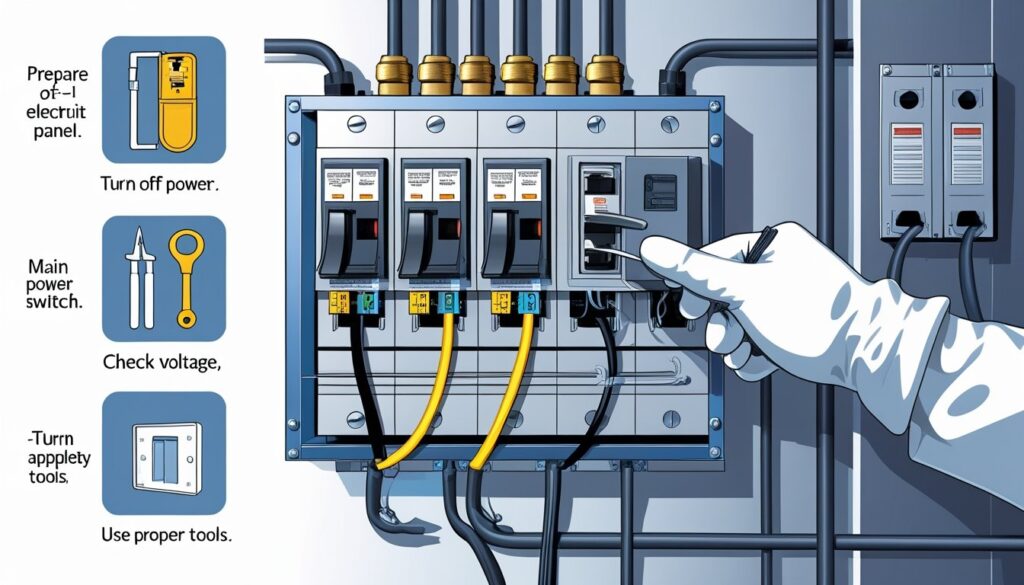
Your main electrical panel is basically the brain of your home’s electrical system. It’s where electricity comes in, and it houses circuit breakers or fuses that control power to different rooms or areas. Usually, you’ll find it in the basement, garage, or maybe a utility room—a metal box with a door and a bunch of labeled switches inside.
Knowing exactly where this panel is and how to get to it is important. Before you install big appliances, check if there’s space for extra breakers. Also, keep an eye out for warning signs like rust or odd buzzing noises. These could mean it’s time for repairs or even a replacement.
Recognizing Circuit Types and Capacities
Your home’s circuits are what carry electricity from the panel to your outlets and appliances. There are two main types: standard circuits for your everyday stuff, and dedicated circuits for heavy hitters like ovens or washing machines.
Every circuit has a limit, measured in amps (15, 20, or 30 amps are pretty common). If your new appliance needs more power than what’s available, you’ll probably need a dedicated circuit. Overloading a circuit? That’s a fast track to tripped breakers or worse.
Check the labels on your breakers and the manuals for your appliances—match their power needs to the right circuit type and capacity. That way, everything runs safely and you avoid headaches.
Evaluating Electrical Load Requirements
When you’re bringing in major appliances, you have to know your home’s total electrical load. That’s just a fancy way of saying: How much electricity do you use at once? If you push your system too hard, you’ll run into power problems.
Add up the amps for all the appliances and devices you might run at the same time. If your system can’t handle it, you might need a bigger panel or extra circuits.
If you’re not sure, Magnify Electric’s licensed electricians can check your system’s load and suggest upgrades. We’re here to help keep your home safe and ready for whatever you throw at it.
Safety Preparations Before Electrical Work
Before you jump into any electrical project, take some time to plan and be careful. Always turn off the power, use proper safety gear, and check your system for any issues that could cause problems during installation.
Turning Off Power at the Main Breaker
First things first: turn off the power at your main breaker. This stops electricity from flowing where you’ll be working. Flip the right breaker switch—don’t guess. Then, double-check with a voltage tester to make sure the power’s actually off. Never skip this step. Even if you’re sure, always test before touching wires.
Remember, some appliances or outlets might be on a different breaker than you expect. Make sure you’ve got them all turned off. If you’re at all unsure, just call a licensed electrician.
Using Proper Protective Equipment
You really shouldn’t mess around with safety gear. Always wear insulated gloves to protect your hands. Safety glasses keep your eyes safe from sparks or flying debris.
Wear clothes that aren’t too loose and don’t conduct electricity. Insulated tools are a must—they make accidents a lot less likely. If you’re working in cramped spaces or near metal, rubber-soled boots add another layer of protection.
Safety should always come first, even if you’re in a hurry.
Checking for Existing Electrical Issues
Before you install anything new, look for signs of trouble in your current system. Flickering lights, tripping breakers, or damaged outlets can be red flags for hidden problems.
Check outlets and wiring for wear and tear. If you spot exposed wires, scorch marks, or broken parts, hit pause until you get those fixed. These issues can make new appliances unsafe or even cause damage.
A quick home inspection can save you a lot of trouble. If you’re not sure or see anything sketchy, let Magnify Electric’s licensed electricians take a look. We’ll make sure your setup is safe before you move forward.
Assessing Appliance Power Needs
Before you install big appliances, you’ve got to know how much power they’ll actually need. That means checking wattage and amperage, reading the manufacturer’s instructions, and understanding voltage requirements. Doing this helps you avoid overloading your system.
Calculating Wattage and Amperage
Wattage is how much energy an appliance uses, and amperage tells you how much current it draws. Usually, you’ll find wattage by multiplying voltage by amperage. So, if something runs on 120 volts and needs 10 amps, that’s 1,200 watts (120V × 10A).
Make a quick list of all the appliances you want to install. Add up their wattages. This lets you see if your current panel can handle it or if you need an upgrade.
Reading Manufacturer Installation Guidelines
Don’t skip the manual. Appliance guides have crucial info for safe installation. Look for details about breaker types, wire sizes, and the recommended circuit amperage.
Sometimes, appliances need special setups—like a dedicated circuit or surge protection. If you ignore that, you might get constant breaker trips or even damage your new gear. Following the directions keeps everything running safely.
Comparing Voltage Requirements
Not all appliances run on the same voltage. Big stuff like ovens and water heaters usually need 240 volts; smaller appliances like microwaves use 120 volts.
Check what voltage your home supplies and see if it matches what your appliance needs. If it doesn’t, you’ll need to adjust your system. Magnify Electric’s electricians can handle these tweaks, making sure your wiring matches your appliances and everything works as it should.
Upgrading Your Electrical System for New Appliances
Adding major appliances means your electrical system has to handle more power. This often requires new circuits, better grounding, or swapping out old wiring to avoid overloads and other risks.
Installing Dedicated Circuits
Big appliances like fridges, ovens, or washers need their own dedicated circuits. That means they get power straight from the panel—no sharing. This helps prevent tripped breakers and keeps your system in better shape.
Before you install, check the appliance’s power needs. Electric ranges might need a 40-50 amp circuit, while dishwashers usually run on 15-20 amps. Picking the right breaker and wire size is a must.
At Magnify Electric, we make sure circuits are installed to code. That way, your appliances work smoothly and your home stays protected.
Improving Grounding and Bonding
Good grounding and bonding make your electrical system safer by lowering the risk of shocks and fires. Grounding sends stray electricity safely into the earth, and bonding connects metal parts so there aren’t dangerous voltage differences.
When you upgrade for new appliances, check if your grounding system meets today’s standards. Old houses especially might have weak or missing grounding.
Magnify Electric can inspect and upgrade your grounding using the latest rules. This keeps your appliances and family safer—honestly, it’s worth it.
Replacing Outdated Wiring
Old wiring just can’t keep up with modern appliances. Worn or undersized wires can overheat, short out, or even start fires.
If you’ve got aluminum, cloth-covered, or damaged wiring, it’s time for an upgrade to modern copper wiring. Thicker wires (higher gauges) also help handle bigger loads without issues.
Replacing wiring isn’t a DIY job. Our licensed electricians at Magnify Electric do it right, following all codes and safety guidelines. This update makes your system more reliable and gets your home ready for the long haul.
Hiring a Licensed Electrician
Getting your electrical system ready for major appliances is a big deal, and sometimes you really need a pro. Knowing when to call, checking credentials, and handling permits makes everything smoother and safer.
When Professional Help Is Necessary
You should bring in a licensed electrician for major appliances. These jobs often mean new wiring or panel upgrades. If you try this yourself and get it wrong, you risk shocks, fires, or code violations. Even “easy” stuff, like adding an outlet for a washer, might need special knowledge about local codes.
Licensed electricians make sure your system can handle the new load and spot things you might miss. For instance, putting a fridge on the wrong circuit can mean constant tripping or even damage.
Verifying Credentials and Insurance
Before you hire anyone, check their license. It proves they’re trained and know the codes. You can usually check licenses online with your state’s board.
Also, ask if they’re insured. This protects you if there’s an accident or damage. Without insurance, you could end up paying for repairs or medical bills. At Magnify Electric, our electricians are always licensed and insured, so you don’t have to worry.
Obtaining Required Permits
A lot of electrical work—especially new circuits or panels—needs permits. Permits make sure the work meets safety codes and local laws. Skip this, and you could get fined or have to redo everything.
A licensed electrician will handle permits and inspections for you. They know the paperwork and how to schedule things. This saves you hassle and helps your project pass inspection the first time.
With Magnify Electric, you get a team that manages permits and keeps everything code-compliant.
Frequently Asked Questions
Getting your home’s electrical system ready for major appliances means checking circuits, upgrading equipment if needed, and following solid safety steps. You’ll want to know how to assess your panel, make sure your wiring holds up, and figure out when to call a pro.
What steps should I follow to get my home’s electrical system ready for a new appliance?
Start by making sure you can easily reach your electrical panel and outlets. Check for damaged wires or old parts that could cause trouble. Make sure your system’s up to code and all connections are tight.
If you have any inspection reports or records of past electrical work, pull them out—they’ll help you understand your current setup and what changes you might need.
Are there any specific electrical upgrades needed for high-power appliances?
High-power appliances—think ovens or dryers—usually demand more juice than your average circuit can handle. If your system’s already stretched thin, you might find yourself needing a 200 amp panel just to keep up.
That way, you won’t be dealing with flickering lights or breakers that trip every time you bake a pizza.
How do I ensure my electrical circuit can handle a major appliance load?
Start by checking your circuit’s capacity, and don’t cram too many devices onto one line. Add up the wattage of everything plugged in and see how it matches up with the circuit rating.
Honestly, big appliances almost always need their own dedicated circuit. It’s just not worth the headache otherwise.
Is it necessary to hire a professional electrician for appliance installation preparation?
Honestly, yes—you really should call in a pro. Messing with electrical work isn’t something to wing without know-how. A licensed electrician from Magnify Electric can make sure your setup’s safe, up to code, and done right.
Plus, they’ll wrangle the permits and inspections so you don’t have to.
How can I check if my current electrical panel is adequate for additional appliances?
Pop open your panel and check the amp rating, usually stamped inside the door. If it’s an older or undersized panel, adding new appliances might push it over the edge.
Magnify Electric can handle panel evaluations if you’re not sure what you’re looking at, and let you know if it’s time for an upgrade or just a quick fix.
What safety precautions are essential before starting an electrical appliance installation?
First things first: flip the breaker and cut the power before you even think about touching outlets or wiring. Double-check with a voltage tester—don’t just assume it’s off.
Steer clear of any frayed cords or exposed wires. If you’re not sure what you’re doing, it’s better not to mess with electrical stuff at all. Grab some gloves and use insulated tools; they’re not optional.
Honestly, if the job’s more than a quick check or a simple swap, why risk it? Call in a pro and save yourself the headache (and maybe worse).