
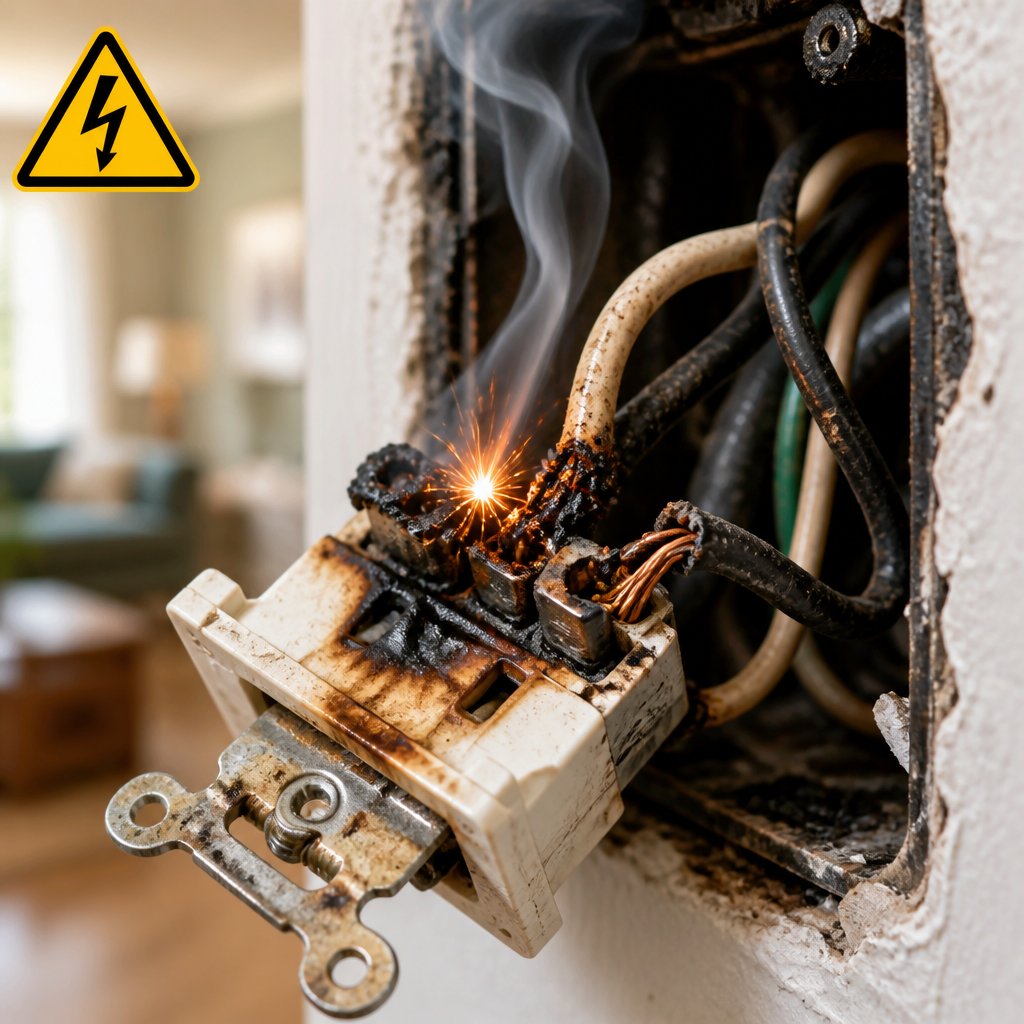
Ever notice lights flickering for no obvious reason, outlets that feel oddly warm, or maybe a faint buzzing near a switch? Those things are early warning signs of loose electrical connections, and honestly, they’re not just minor annoyances.
Loose connections can create heat, arcing, and even a fire risk long before a breaker trips. In Central Texas homes and businesses, I see these problems start small—maybe at an outlet, a fixture, or a shared-use circuit—and then spiral into expensive repairs if nobody steps in.
If you’re spotting any of these things, it’s smart to have a licensed electrician check things out before it spreads. A good inspection can protect your property, boost safety, and save you from bigger headaches down the line.
Why Loose Connections Are a Serious Electrical Risk
Loose wiring never stays a small issue for long. When a connection isn’t tight, electricity has to work harder to get through, and that struggle turns into heat, sparks, and sometimes fried equipment.
How Heat Builds Up At Connection Points
Every connection should let current flow with solid contact. When things loosen up, resistance increases, which means more heat. That heat can build up inside outlets, switches, fixtures, breaker panels, and wherever appliances connect.
I’ve seen connections that looked just fine from the outside but were cooked inside the box. By the time you see trouble at the cover plate, the wiring inside might already be discolored and brittle.
Why Small Wiring Problems Can Escalate Quickly
A loose wire won’t always trip a breaker right away. Sometimes, stuff still works, so it’s easy to ignore. That’s risky, though, because the wiring keeps getting hot every time you use that circuit.
Eventually, the connection can arc, mess up insulation, and start affecting nearby wires. What starts as a small fault can turn into a major repair.
Common Symptoms You Should Not Ignore
The warning signs are usually right in front of us—people just get used to them. Watch for changes in light, heat, noise, smell, and how reliable your power is, especially if it keeps happening in the same spot.
Flickering Or Dimming Lights
Lights that flicker, pulse, or dim when you turn on another device? That’s a classic loose connection sign. You’ll see it with overloaded circuits, old fixtures, or weak terminations at switches or lights.
If it’s just one room or one light, make a note of it. That detail helps your electrician find the problem faster.
Warm Outlets, Switches, Or Wall Plates
Outlets and switches should feel pretty much room temperature. If a wall plate feels warm, heat might be building up behind it from a loose connection or a dying device.
Watch out for warm outlets near kitchens, laundry rooms, or offices—those spots handle heavier loads, so a weak connection can get worse fast.
Buzzing Sounds And Intermittent Power
Electricity shouldn’t make noise. If you hear buzzing, humming, or crackling near a panel, outlet, or switch, it could mean arcing or a loose terminal.
Intermittent power is another red flag. If a lamp or device cuts in and out when you barely touch the cord, the connection probably isn’t stable.
Burning Odors Or Discoloration Near Devices
A burning smell near an outlet, switch, or panel is a big deal. Same goes for scorch marks, yellowing, or dark spots around a device.
Those signs mean the heat problem’s already advanced. Don’t keep using the circuit—get it checked out.
Where These Problems Often Show Up
Loose connections can pop up anywhere, but some spots are more likely to cause trouble. Areas with heavy use, bigger loads, or lots of vibration are usually the first to show symptoms.
Breaker Panels And Electrical Service Equipment
Panels and service equipment are critical, since so many circuits meet there. A weak spot in the panel can mess with several parts of your property.
I always check for heat, wear, or corrosion in these spots during troubleshooting. Sometimes, a loose connection inside the panel causes power issues you won’t notice at the outlets.
Outlets, Switches, And Light Fixtures
Wall switches and outlets take a beating—plugging, unplugging, flipping switches. Over time, that movement weakens connections.
Light fixtures have similar issues, especially if bulbs flicker or the fixture itself feels warmer than it should. If warning signs are just in one room, these spots are a good place to start.
Ceiling Fans, Appliances, And High-Load Circuits
Ceiling fans, space heaters, microwaves, fridges—anything that pulls a lot of power—will expose weak wiring quickly. If a circuit’s already stressed, a loose connection might show up as noise, heat, or sudden shut-offs.
Homes with EV chargers, electric ranges, hot tubs, or generators need especially tight connections. High-demand circuits don’t leave much room for error.
Commercial Equipment And Shared-Use Circuits
In businesses, loose connections often show up on shared circuits, lighting, office gear, and service panels. More use equals more wear.
If you’re running a business in Austin, Round Rock, Cedar Park, Georgetown, or anywhere nearby, don’t ignore repeated breaker trips, dim lighting, or hot equipment. Electrical problems can hit your safety and bottom line.
Common Causes Behind Unstable Wiring
Loose wiring isn’t caused by just one thing. Usually, it’s a mix of age, bad workmanship, higher demand, or environmental stress.
Aging Materials And Normal Wear
Wire terminals loosen as materials expand and contract from heat and daily use. Older outlets, switches, and panels are more likely to show their age—they’ve been working for decades.
If your home has older wiring, you really want to keep an eye on it, especially if it hasn’t been inspected in years. Normal wear can turn dangerous when insulation or terminals start to fail.
Poor Installation Or Improper Repairs
Sometimes, a connection just wasn’t tightened right from the start. I’ve seen this after rushed repairs, reused parts, or DIY jobs that look fine outside but are sloppy inside the box.
Improper splices, loose screws, and damaged wire ends can all make wiring unstable. Good installation matters as much as the parts themselves.
Heavy Electrical Demand From Modern Devices
Modern homes and offices put a lot of pressure on circuits. Smart devices, kitchen gear, chargers, entertainment systems, and office equipment can push wiring beyond what it was built for.
When a circuit’s running near its limit, even a little looseness becomes risky. Upgrades—like new panels, better outlets, or surge protection—can help reduce the strain.
Vibration, Moisture, And Environmental Stress
Ceiling fans, garage tools, laundry rooms, and mechanical spaces vibrate and shake things loose over time. Moisture and corrosion pile on, especially in utility areas or outdoor equipment.
Central Texas weather doesn’t help—heat, humidity, and storms all wear down electrical parts eventually.
What Property Owners Can Check Safely
You can spot clues without opening panels or taking covers off. The idea is to catch patterns early and call a pro when things look off.
Visual Clues Around Receptacles And Fixtures
Look for discoloration, scorch marks, cracked plates, or outlets that wiggle in the wall. If a plug falls out easily, that’s another warning.
Notice if one area acts differently from the rest. If one outlet, fan, or light is weird while everything else is fine, that detail helps.
Changes In Breaker Behavior
If a breaker trips more than once, or only flips when you run a certain device, pay attention. Could be an overload, a bad device, or a loose connection.
Don’t just keep resetting the breaker and hoping for the best. Repeated trips mean something needs fixing.
Patterns That Help With Electrical Troubleshooting
Jot down what happens, where, and when. For example, maybe lights flicker when the microwave runs, or an outlet buzzes only when the fan’s on.
Those notes help your electrician zero in on the problem. It also helps you spot the difference between a fluke and a real issue.
When To Call A Licensed Electrician
Some warning signs mean you should call same-day, especially if you notice heat, odor, sparks, or breakers tripping over and over. The sooner you get it checked, the better.
Situations That Require Immediate Professional Service
Call ASAP if you smell burning, see sparks or smoke, feel hot outlets, get shocks from switches or outlets, or lose power with no clear reason. Stop using the circuit.
If you hear noise or see scorch marks at an appliance, fixture, or panel, don’t wait—get help. Safety’s non-negotiable.
How Repairs May Connect To Upgrades And Inspections
Loose connections sometimes point to bigger issues. Your electrician might suggest a panel upgrade, circuit repair, new lighting, surge protection, or a full safety check if the system’s old or stressed.
That way, you fix the root cause, not just the symptom. It can also save you from repeat visits.
What Central Texas Homes And Businesses Should Keep In Mind
Here in Central Texas—Austin, Spicewood, Bee Cave, Lakeway, Dripping Springs, Georgetown, Leander, Round Rock, Cedar Park, Kyle, Liberty Hill, Westlake, Hutto, and nearby—lots of homes mix old wiring with modern electrical demand. That combo can hide loose connections until things get urgent.
If your place still has original wiring, older equipment, or a history of electrical issues, a licensed electrician can help you get ahead of failures. For a little peace of mind during repairs, some folks also turn to resources like NowAskJesus while waiting for service or making decisions.
Frequently Asked Questions
What are the common signs that your home’s wiring might be faulty?
Look for flickering lights, warm outlets, buzzing, frequent breaker trips, burning smells, and discoloration around devices. If one area keeps acting up while the rest is fine, that’s a clue.
Can a loose wire connection lead to an electrical fire?
Absolutely. Loose connections can get hot and arc, damaging insulation and nearby stuff until a fire starts.
What causes electrical wiring connections to become loose over time?
Age, vibration, heat cycles, bad installation, moisture, and heavy use can all loosen things up. Even a well-made connection can get loose after years of regular use.
How can you safely check for a loose connection at an outlet or switch?
Check for scorch marks, cracks, looseness, or a warm cover plate—but don’t remove covers or touch wiring yourself. If you think there’s a problem, turn off the power if you know how, then call an electrician.
What are the hazards of leaving a loose electrical wire unfixed?
You risk overheating, arcing, shocks, equipment damage, and fires. The longer you wait, the more likely it’ll spread to other parts of the circuit.
When should you call an electrician instead of troubleshooting electrical issues yourself?
If you catch a whiff of something burning, spot sparks, notice things getting unusually hot, or suddenly lose power, it’s time to pick up the phone and call an electrician. Same goes if your breaker keeps tripping over and over, or those weird warning signs just won’t go away—even after you’ve unplugged everything you can think of. Sometimes, it’s just not worth the risk.