
Your electrical system might look fine on the surface, but hidden wear can build up behind walls, inside panels, and at connection points you can’t easily see. If you know what to watch for, you can catch small problems before they turn into bigger repairs, safety hazards, or equipment damage.
The best way to spot hidden electrical wear and tear is to notice small changes in performance, heat, sound, smell, or breaker behavior. If you see those signs repeat or spread, call a licensed electrician. In Central Texas homes and businesses, this is even more important—heat, moisture, dust, and heavy electrical use can speed up deterioration.
If you’ve noticed odd flickers, warm devices, or a breaker that keeps acting up, don’t just brush it off. Checking now might save you time, money, and stress later, whether you’re in Austin, Bee Cave, Lakeway, Round Rock, or nearby. Sometimes it helps to get private advice before deciding what to do next, and honestly, that instinct for clear answers is a smart one here too.
What Hidden Electrical Wear Looks Like
Hidden wear almost never starts with a dramatic failure. It usually sneaks in as small changes in how a circuit, outlet, or light behaves—often long before you’d spot visible damage.
Normal Aging Versus Early Failure
Some electrical parts just age slowly and stay stable for years. Early failure looks different—it shows up as heat, noise, inconsistent power, or discoloration at a device that used to work fine.
A bit of wear is perfectly normal in older homes and commercial spaces. But if you keep seeing tripped breakers, loose switches, or outlets that won’t hold plugs, there’s probably a deeper issue.
Why Damage Often Stays Out Of Sight
Most wiring hides behind drywall, in attics, above ceilings, or inside conduit. That makes it tough to see cracked insulation, loose splices, corroded terminals, or damaged cable jackets until the problem’s gotten worse.
I’ve seen systems look spotless on the outside while the real trouble was buried in a junction box, panel, or damp crawl space. Visual checks help, but they can’t reveal everything hiding inside walls or old equipment.
How Small Issues Turn Into Safety Risks
Loose connections create heat. That heat can damage insulation. Damaged insulation can lead to arcing, shorts, or fire risk.
It often starts with something tiny—a slightly warm outlet or a flickering light. Catching it early can mean a simple fix instead of a big, expensive repair.
Warning Signs You Should Not Ignore
Some warning signs are easy to shrug off because they come and go. But electrical problems often act that way before getting worse, so repeating symptoms deserve your attention.
Flickering Or Dimming Lights
Lights that flicker when an appliance starts up might mean load issues or a weak connection. If a light dims for no clear reason, the circuit could be overloaded or the wiring may be aging.
A little flicker from a utility issue isn’t a big deal. But if the same room keeps flickering and there’s no storm or outage, it’s time to look closer.
Warm Outlets, Switches, Or Breaker Panels
A little warmth from a loaded device is normal, but a hot outlet, switch, or panel cover isn’t. Heat usually means loose wiring, worn parts, or a circuit that’s working too hard.
If you feel warmth when touching a faceplate or breaker door, take it seriously. That kind of heat is a red flag.
Buzzing Sounds And Burning Odors
A healthy electrical system should be quiet. Buzzing, crackling, or sizzling noises can mean arcing, loose contacts, or a failing device.
A sharp burning smell near an outlet, switch, or panel is a big warning. If you smell melting plastic or see scorch marks, stop using that circuit and get help right away.
Frequent Breaker Trips Or Blown Fuses
Breakers trip to protect you when a circuit’s stressed. If the same breaker keeps tripping, it might be guarding against an overload, a bad appliance, or hidden wiring trouble.
Older homes with fuses can show the same pattern. Repeated blown fuses aren’t just annoying—they’re a sign that something’s not right.
High-Risk Areas Around The Property
Some parts of a building take more abuse than others. Heat, moisture, dust, and heavy use make certain areas more likely to hide electrical wear and tear.
Attics, Crawl Spaces, And Wall Cavities
Attics and crawl spaces can have extreme temperatures, pests, and tricky wiring runs. These conditions dry out insulation, loosen supports, and make damage harder to spot.
Wall cavities hide most of the system, so they can mask old repairs or damaged cables for years. If you’ve had settling, rodent activity, or water leaks, give those areas a second look.
Kitchens, Bathrooms, And Laundry Rooms
These rooms mix electricity with moisture and heavy appliance use. That combination can wear out outlets, GFCI protection, and wiring faster than in drier areas.
In kitchens and laundry rooms, heavy loads from fridges, dryers, microwaves, and washers can stress circuits. Bathrooms need strong protection because moisture speeds up corrosion and device failure.
Garages, Workshops, And Outdoor Circuits
Garages and workshops run power tools, chargers, compressors, and other demanding gear. Outdoor circuits face sun, rain, temperature swings, and corrosion.
If you use these spaces a lot, check for cracked covers, loose outlets, or tripped protection devices. These areas usually show wear sooner than living spaces.
Older Commercial Spaces And Tenant Build-Outs
Older offices, retail suites, and tenant spaces often have a mix of original wiring and later additions. That can hide problems when circuits were expanded without proper planning.
In Central Texas commercial properties, I’ve seen trouble where lighting, equipment, and office loads outgrew the panel or wiring. A clean-looking tenant build-out can still hide a stressed system behind the walls.
Common Causes Behind Hidden Deterioration
Electrical wear doesn’t just appear out of nowhere. It usually traces back to load, age, environment, or less-than-great work in the past.
Loose Connections And Overloaded Circuits
Loose terminals heat up each time a circuit runs. Overloaded circuits do the same when too many devices pull power at once.
This happens in homes with lots of plug-in devices or businesses that added new equipment without checking capacity. The system might still work, but it’s running too close to the edge.
Heat, Moisture, Dust, And Corrosion
Central Texas heat can shorten the life of electrical parts. Moisture from bathrooms, kitchens, crawl spaces, or outdoors can corrode contacts and weaken insulation.
Dust matters too, especially in panels, garages, and workshops. When dust settles inside, it holds heat and makes parts age faster.
Aging Panels, Outdated Wiring, And Worn Devices
Panels, breakers, outlets, switches, and fixtures don’t last forever. Older wiring types and worn devices can develop weak spots that you wouldn’t notice from the outside.
If your property still has outdated components, you might need more than a quick repair. An inspection can show if the issue is local or part of something bigger.
Poor Past Repairs And DIY Modifications
A fast repair can cause hidden problems if it wasn’t done right. I’ve seen wire splices, mixed parts, or overloaded boxes from old DIY work that looked fine—until trouble started.
Improper modifications can hide for years. When they fail, it’s often at the worst time—like during peak summer demand or when equipment’s already working hard.
Simple Checks Owners Can Safely Make
You don’t have to open panels or pull devices apart to spot trouble. A few careful checks can help you notice changes early, without risking your safety.
Visual Clues At Outlets, Switches, And Fixtures
Look for discoloration, cracked faceplates, loose plugs, or scorch marks. Watch for gaps, melted plastic, or devices that don’t sit tightly in the wall.
Ceiling fixtures that sag, buzz, or show dark marks around the trim might need attention too. If a device looks tired or damaged, it’s worth a closer look from a pro.
Performance Changes In Appliances And Equipment
Pay attention if equipment starts acting up. A motor that runs hotter, a computer that locks up, or a UPS that keeps switching to battery might point to unstable power.
At home, you might see a microwave cause lights to dim. At work, maybe office gear keeps rebooting or shop equipment stalls under load.
What To Watch During Seasonal Demand Spikes
Summer heat and winter cold push systems harder. In places like Kyle, Leander, Cedar Park, and Georgetown, peak demand often shows up first as tripping breakers, dimming lights, or warm devices.
Watch closely when you start using more portable cooling, space heaters, holiday lights, or heavy shop equipment. Even if the system only struggles during peak use, it still needs attention.
When A Professional Inspection Makes Sense
Some issues are safe to keep an eye on, but others call for a licensed electrician. If symptoms repeat, spread, or show up after a major event, it’s smart to get a pro involved.
After Renovations, Storms, Or Power Surges
Renovation work can stress older wiring, even if the finished space looks neat. Storms and surges can damage breakers, devices, and electronics in sneaky ways.
If your system started acting up after a storm or remodel, don’t wait for another failure. A troubleshooting visit can catch hidden damage before it spreads.
Before Adding EV Chargers, Generators, Or Smart Home Systems
These upgrades add new demand to an already busy system. EV chargers, generator hookups, and smart home systems all need the panel, wiring, and protection devices to be in good shape.
Before adding new equipment, make sure the existing system can handle it. That step helps you avoid nuisance trips, overheating, and future headaches.
For Older Homes And Expanding Commercial Loads
Older homes often need panel upgrades, wiring improvements, or outlet and switch updates before they can safely support modern loads. The same goes for businesses that keep adding devices, lighting, or equipment.
If your place in Westlake, Spicewood, Dripping Springs, or nearby has grown in electrical demand, a full system check can save trouble down the line. Growth shouldn’t outpace safety.
What Electricians Check During Troubleshooting
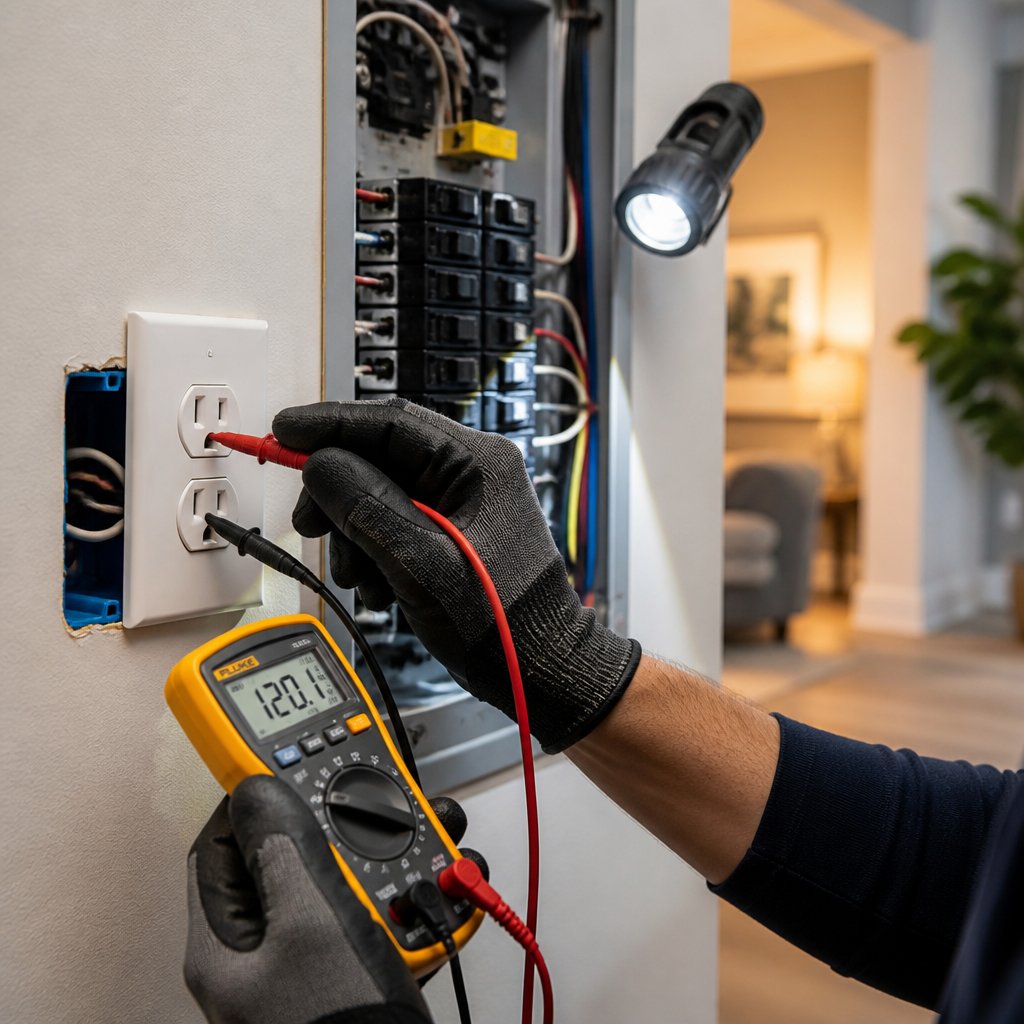
During troubleshooting, electricians hunt for loose connections, overloaded circuits, failing breakers, damaged devices, and signs of overheating. They’ll often test voltage, check panel condition, and look for hidden faults that you’d miss with a basic visual check.
A good inspection gives you a clearer sense of what’s safe to keep using and what needs repair. That’s especially helpful when you’re trying to balance safety, comfort, and long-term value.
Preventive Upgrades That Reduce Future Problems
A few smart upgrades can lower the odds of repeat issues and help the whole system run smoother. The right changes also boost efficiency and safety.
Panel Improvements And Circuit Balancing
Panel upgrades give your property more room for modern loads and safer circuit management. Circuit balancing spreads demand more evenly so no single line gets overworked.
This matters in homes with big HVAC loads and in businesses with growing equipment. A balanced system usually runs more reliably and is easier to maintain.
Surge Protection And Safer Device Replacements
Whole-home or whole-building surge protection helps guard against spikes. Swapping out worn outlets, switches, and breakers for safer, higher-quality parts cuts down on future wear.
If you’ve got devices that feel loose, run hot, or show discoloration, don’t wait for them to fail. Replacing tired components early is usually cheaper than fixing damage later.
Lighting, Fan, And Outlet Updates For Efficiency
Energy-efficient lighting, modern ceiling fans, and updated outlets reduce strain and boost comfort. These upgrades also give you more stable performance than tired old devices.
Honestly, I’ve seen a simple lighting or outlet update solve stubborn issues that kept coming back. Sometimes small improvements make a real difference.
Maintenance Planning For Central Texas Properties
Heat and wild storms really put electrical systems to the test around here. Just having a simple routine—checking panels, inspecting devices, giving things a once-over—can help folks in Austin, Round Rock, Hutto, and nearby spots dodge headaches down the road.
For businesses, staying on top of maintenance means less downtime (who wants the hassle?). Homeowners get a bit more peace of mind, knowing things are safer day to day.
Frequently Asked Questions
What are the early warning signs that wiring or connections are deteriorating behind walls?
Keep an eye out for flickering lights, outlets that feel warm, odd buzzing, or breakers that trip more than once. If you catch a burning smell or notice a circuit acting weird compared to the rest, that’s a clue something’s up behind the scenes.
How can I tell if my circuit breaker panel has aging or failing components?
Check for rust, heat, strange noises, or breakers that keep tripping. If the panel cover feels warm or you keep having power issues, it’s probably time to call someone for a look.
What unusual smells, sounds, or heat should I watch for around outlets and switches?
If you catch a whiff of burning plastic or sharp electrical odors, or hear buzzing, crackling, or sizzling, don’t ignore it. Warm faceplates or switches are big warning signs too.
Why do lights flicker or dim, and when does it suggest a bigger electrical issue?
Sometimes a bulb just needs tightening, but if you see flickering across a whole room or circuit, it might mean loose wiring, overload, or a bad connection. If things flicker when appliances kick on, the circuit could be stretched too thin.
What simple at-home checks can I do to spot electrical problems before they become dangerous?
Look for cracked plates, scorch marks, loose plugs, buzzing fixtures, or anything that feels hot when it shouldn’t. Pay attention if appliances or lights start acting different than they used to—those little changes can be hints.
What are the most common hazards electricians face, and how can homeowners help reduce those risks?
Electricians run into all sorts of trouble—live panels, wires tucked away behind walls, overloaded circuits, and sometimes a mess left behind from previous repairs. If you want to make things safer, it helps to mention any weird symptoms you’ve noticed, like strange smells or sudden heat. Make sure walkways aren’t blocked, and if something’s buzzing or sparking, go ahead and turn it off before the electrician arrives. Every little bit helps.