
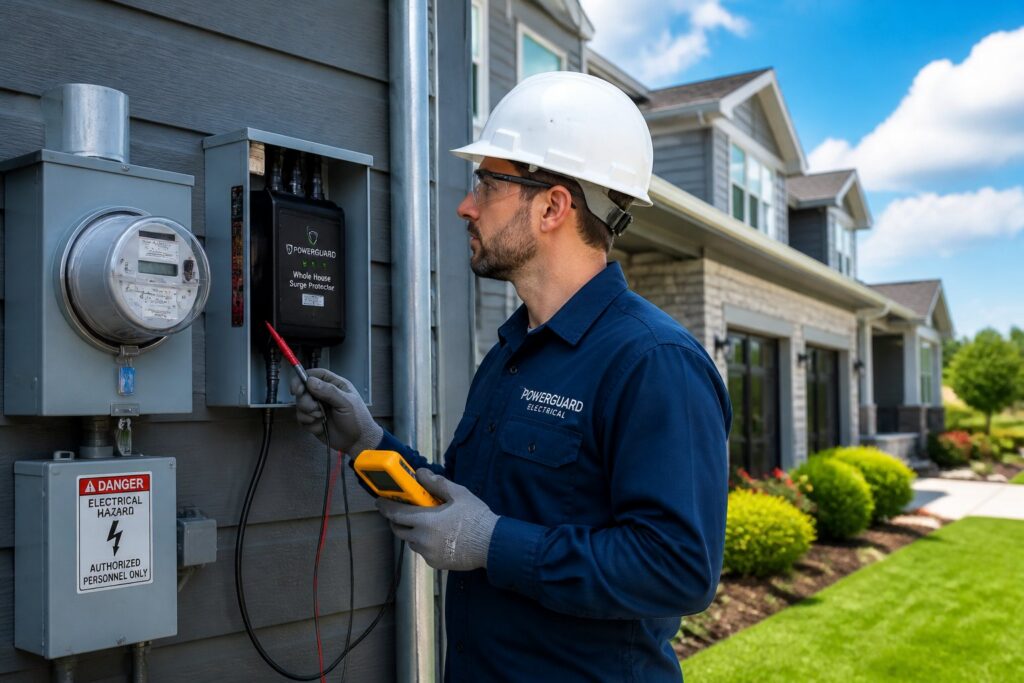
You pick the right surge protection setup by matching the level of protection to your building, the devices you care about, and the quality of your electrical system. A tiny home office with a laptop and a router? That’s a different ballgame than a smart home, a busy commercial panel, or a house running an EV charger.
Usually, you’ll get the most out of a layered approach—start at the panel and add point-of-use protection for your sensitive stuff. That way, you’re not putting all your eggs in one basket, and you give yourself a better shot at keeping your daily essentials safe.
If you’re weighing options for your home or business in Austin, Spicewood, Bee Cave, Lakeway, Dripping Springs, Georgetown, Leander, Round Rock, Cedar Park, Kyle, Liberty Hill, Westlake, Hutto, or anywhere in Central Texas, it’s worth thinking past whatever’s on the hardware store shelf. A licensed electrician can help you match the right device to your panel, wiring, and load—especially handy if you’re planning outlet upgrades, panel work, or adding an EV charger soon.
What Surge Protection Actually Does
Surge protection gives extra voltage a safer way out, away from your stuff. It helps prevent sudden spikes from frying electronics, controls, and appliances.
What Counts As A Power Surge
A power surge is just a quick burst of voltage above normal. Lightning, utility switching, big motors kicking on and off, or even issues inside your own wiring can all cause them.
Even little surges add up over time. You probably won’t notice them at first, but they chip away at the delicate parts inside TVs, computers, smart thermostats, garage door openers, and kitchen gadgets.
What Surge Protection Can And Cannot Prevent
Surge protection limits damage from short voltage spikes. It won’t fix bad wiring, block every lightning strike, or protect against flooding, heat, or physical damage.
It also won’t magically make an old panel safe. If you already have breaker problems, loose wires, or grounding issues, start with electrical repairs.
Why Sensitive Electronics Fail First
Modern devices run on tiny, sensitive circuits that don’t handle extra voltage well. Computers, routers, smart home hubs, and appliances with control boards usually fail before older, simpler gear.
Honestly, I see these get hit first because they’re always plugged in and always on. That’s why a lot of people layer their protection instead of trusting a single surge strip.
The Main Types Of Protection
Your main options are whole-home devices, outlet-level protection, or a combo of both. The right mix depends on how much you want covered and how sensitive your stuff is.
Whole-Home Surge Protective Devices
A whole-home surge protective device gets mounted at or near your electrical panel. It blocks big surges before they spread throughout your place.
This is your first defense for things like refrigerators, HVAC controls, lighting, and built-in equipment. For many homes, it’s the most sensible place to start.
Point-Of-Use Protection At Outlets
Point-of-use protection covers plug-in surge strips and outlet-mounted devices. Handy for TVs, computers, gaming consoles, printers, and audio gear.
They work best right next to the device you want to protect. A high-quality strip is a solid add-on, but not a substitute for panel protection.
Layered Protection For Better Coverage
Layered protection means you’ve got a panel-mounted device plus point-of-use units. That way, you cut down energy at more than one spot before it hits your gear.
In commercial spaces, this really matters—a single surge can hit lots of circuits at once. It also makes sense in homes with smart controls, home offices, or pricey electronics.
How To Match The Setup To The Building
The right setup depends on how you use the property. A family home, a retail shop, and a smart house with EV charging all face different risks and power demands.
Residential Needs For Everyday Appliances And Devices
For most homes, start with whole-home protection and add strips for your most important electronics. That covers everyday stuff like utility spikes, appliance cycling, and nearby lightning.
If you’ve got a fridge, home office gear, TV, or security system, this layered approach lets you sleep easier. It also fits well with other upgrades like new outlets, switches, or lighting.
Commercial Priorities For Equipment Uptime
For businesses, downtime is expensive. A surge that kills networking, POS systems, computers, or refrigeration can cost you real money.
Most commercial properties need stronger panel-level protection, smart circuit planning, and a check on grounding and bonding. Often, it’s worth having an electrical inspection before you add equipment.
Special Considerations For Smart Homes And EV Chargers
Smart homes and EV chargers bring extra sensitive electronics into the mix. These systems run on control boards and network connections that should be protected together.
If you’re adding an EV charger, review the panel, available breaker space, and your total load. That’s also a good time to ask about generator hookups, panel upgrades, or other wiring work.
Key Factors To Compare Before You Buy
A good surge device should fit your system, have the right safety rating, and offer terms that make sense for what you’re protecting. Price matters, but specs and fit matter more.
UL Listing And Device Ratings
Check for UL listing and clear surge ratings. That means the device has been tested and gives you a better sense of how it’ll hold up.
Joule rating, clamping voltage, and response time all count. For home use, higher ratings usually mean longer life—especially for electronics that stay plugged in.
Panel Compatibility And Available Space
A panel-mounted device needs to fit your electrical panel and leave enough room for safe installation. Some panels are just cramped, and not every device works with every setup.
This is where a licensed electrician saves you headaches. They’ll check compatibility, breaker space, and spot signs your panel needs service before you get started.
Warranty Terms And Connected Equipment Coverage
Some devices come with a warranty or coverage for connected equipment. Read the fine print—lots of warranties have limits, exclusions, or paperwork requirements.
Coverage can be nice, but it shouldn’t be your only reason for picking one model over another. The device still has to fit your building, your load, and your risk.
Installation, Safety, And Code Considerations
How you install surge protection affects how well it works. Even the best device in the wrong spot—or on bad grounding—won’t protect you like you hoped.
Why Proper Grounding Matters
Grounding gives surges a safe way out. If grounding’s weak, the device can’t redirect excess voltage where it needs to go.
That’s why older homes and commercial properties often need a closer look before you add protection. The surge device is only as good as the system behind it.
When A Panel Upgrade May Be Needed
You might need a panel upgrade if your panel is full, outdated, or not sized for your current load. This happens a lot when you add HVAC, an EV charger, new appliances, or other high-demand stuff.
A panel upgrade also helps if breaker trips, heat marks, or loose connections show up during an inspection. If you’re already planning electrical troubleshooting, check the panel too.
Why Professional Electrical Service Is Often The Safer Choice
Surge protection ties straight into your electrical system, so safety really matters. A pro can work inside the panel, verify grounding, and make sure your setup fits code and your load.
That’s especially important for businesses, older homes, or properties with a lot of sensitive systems. If you’re not sure, go with professional service—it’s just safer.
Common Mistakes And When To Reevaluate
A lot of surge protection problems come from using the wrong device or relying on just one layer. If your electrical system changes, your protection plan should change too.
Relying Only On Power Strips
A power strip alone won’t protect your whole property. It might help a single TV or computer, but it won’t stop a surge from hitting hardwired appliances, lighting, or the panel.
For real coverage, pair strip protection with a whole-home device. That way, you’ve got a better foundation.
Ignoring Older Wiring Or Frequent Breaker Issues
If your wiring’s old or breakers trip a lot, surge protection isn’t the first step. Those are signs of worn parts, overloaded circuits, or loose connections.
In that case, electrical maintenance comes first. Surge devices are for healthy systems, not a fix for deeper problems.
Signs It Is Time For An Electrical Inspection
Schedule an inspection if lights flicker, outlets feel warm, breakers trip more than usual, or equipment keeps failing for no clear reason. Those are classic hints your electrical system needs attention.
It’s also smart to reevaluate after a remodel, new HVAC, lighting upgrades, or EV charger installs. If your load changes, your protection setup might need to change too.
Frequently Asked Questions
What size surge protector do I need for my whole house?
For a whole house, pick a device rated for your electrical service—not just a generic plug-in model. A licensed electrician can match the surge current rating to your panel and your home’s needs.
How do I properly size a surge protection device for my electrical panel?
Look at your panel rating, available breaker space, and how much you want to protect. The device must fit the panel and match the system, which is why compatibility is a big deal.
What should I look for when choosing a surge protector for home electronics?
Pick a UL-listed unit with a solid joule rating, the right clamping voltage, and enough outlets for your setup. For computers, TVs, and routers, use a quality point-of-use protector and pair it with whole-home protection.
How many joules of surge protection is enough for everyday use?
For regular home electronics, more joules is usually better—the device can absorb more energy before it wears out. The right number depends on your gear, but don’t skimp if you’re protecting valuable stuff.
What type of surge protector is best for a computer and other sensitive devices?
A computer does best with a good plug-in surge protector at the outlet, plus whole-home protection at the panel. That layered setup helps with both big surges and small spikes.
What surge protector works best for large appliances like a refrigerator?
If you’re looking to protect big appliances—think refrigerators or HVAC systems—the best bet is usually a whole-home surge protective device. Since you can’t just plug these machines into a regular surge strip, putting protection right at your electrical panel makes a lot more sense. It’s a smarter move for stuff that’s hardwired in and, honestly, gives some peace of mind.