
Warehouse Lighting Solutions Round Rock — Energy-Efficient Upgrades for Local Facilities
It improves task accuracy, speeds up picking and packing, and keeps downtime from lighting failures to a minimum.

It improves task accuracy, speeds up picking and packing, and keeps downtime from lighting failures to a minimum.

Let’s dig into what commercial outlets really do, which types fit different businesses, and the safety rules you just can’t ignore.

Here’s what commercial lighting means, what goes into a proper installation, and why it matters for Central Texas businesses.
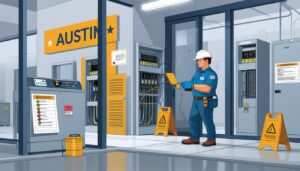
A commercial electrical safety inspection checks your building’s wiring, panels, and devices for hazards, code issues, and stuff that needs repair or an upgrade

A whole home surge protector stands guard by blocking voltage spikes before they hit your outlets and appliances.
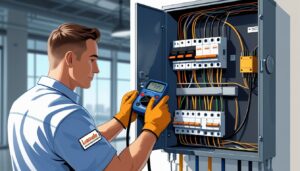
They need to match your building’s load, protect against faults, and let you maintain things safely.
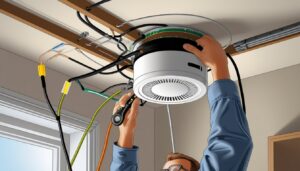
Clear wiring, good placement, and code compliance keep your home and business safe from carbon monoxide.
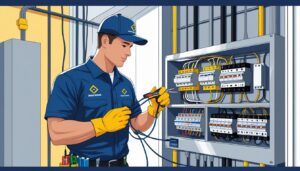
They work all over Round Rock and surrounding towns, always focused on safety, code compliance, and keeping you in the loop.

Here’s what they do, why replacement matters, and the common signs you might need a new one.

Our team handles everything from simple fan swaps to full rewires, smart controls, and emergency fixes all over Central Texas.

Here’s what tends to break, how to spot real problems, and why fixing them sooner rather than later just makes sense.

Help covers overloaded circuits, sketchy wiring, and upgrades for modern stuff like EV chargers and smart controls.
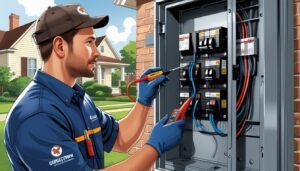
Knowing how your breaker box works, what usually goes wrong, and when to call a licensed electrician helps you keep the lights on and your home safe.
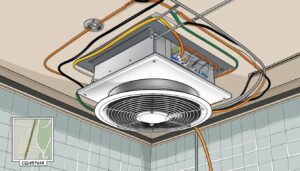
Have a plan before wiring your bathroom exhaust fan. You want safe operation and to meet local codes

Automated lighting installers near Spicewood help you plan, install, and maintain smart lighting for your home or business.

If you know where energy is leaking out and how your daily habits use power, you’ll find ways to save money and boost efficiency

If you pay attention to when and where you use lights, you can start to get those costs under control.
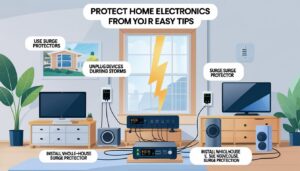
Knowing what causes them and how they mess with your devices helps you take the right steps to keep things safe.
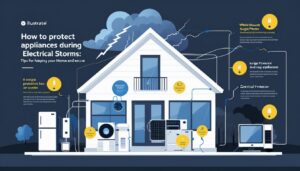
Lightning, sudden voltage spikes, and outages all threaten your appliances.
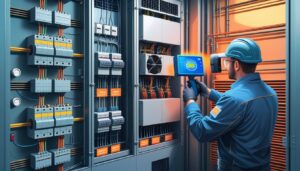
Spotting these troublemakers early can help you dodge damage and keep your system running efficiently.
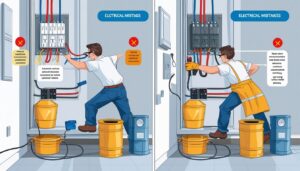
Before you even think about touching a wire, you need to protect yourself, control the power, and use the right tools.

Power management in your office boils down to controlling how you use electricity to save money and keep things running

Look at your current energy use, think about which tools matter most, and add up the electricity everything requires.
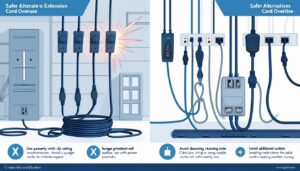
Too many extension cords or power strips? That’s a recipe for electrical headaches. You could end up with shocks, ruined electronics, or even a fire.
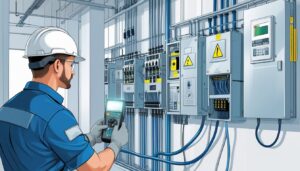
These regular checks don’t just protect your business from danger—they also make sure you’re following the rules that keep everyone safe.

Flickering lights, yellowed fixtures, higher energy costs, or old bulbs all chip away at safety and comfort.
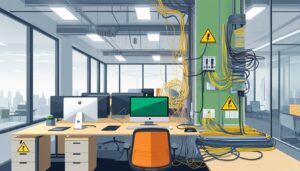
If you spot early warning signs, you can avoid bigger headaches later.
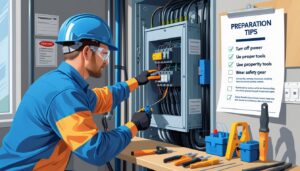
Your electrical service panel is basically the control center for all the power in your home or business

If you know what the inspection covers, what kinds there are, and who’s coming, you’ll be way more prepared—and less likely to run into surprises.

Getting a handle on what a commercial electrical upgrade actually means, why you might need one, and what kinds of systems you’re dealing with makes the process way less stressful.