
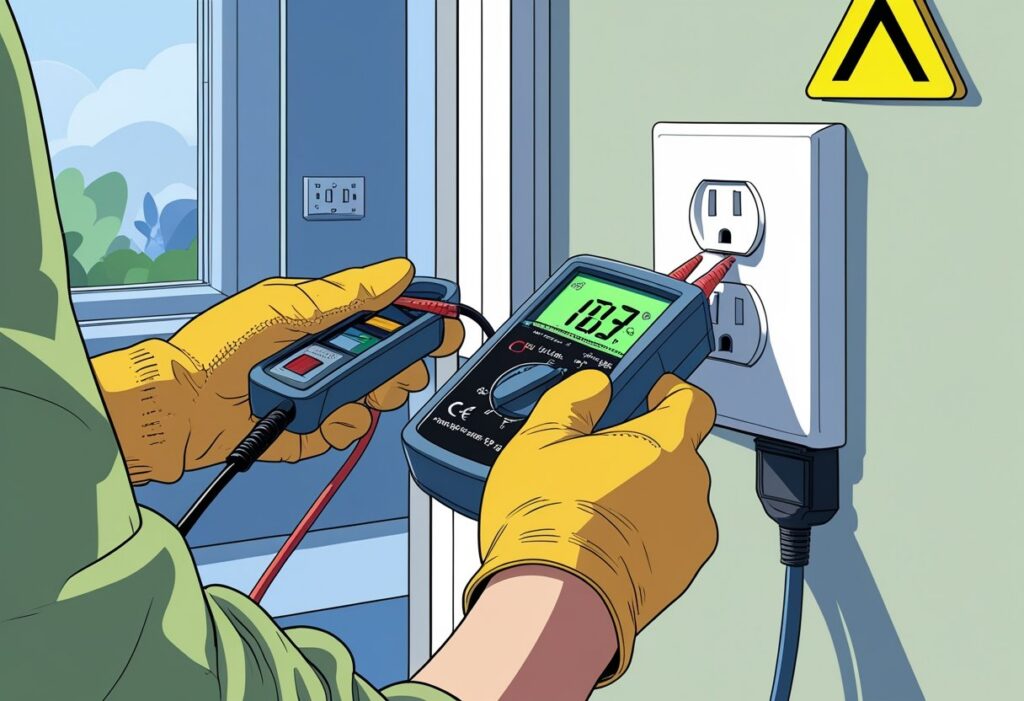
Knowing if an electrical outlet has power is important when you’re troubleshooting or doing basic home repairs. To test an outlet for power, you can use a simple tool like a multimeter or a non-contact voltage tester to safely check if electricity is flowing.
This quick step helps you avoid hazards. It also ensures your outlet is working properly before you plug in any devices.
You don’t need to be an expert to test your outlets. With the right tools and a few easy steps, you can check voltage and confirm if the outlet is live or if there are any issues.
Understanding how to do this gives you control and peace of mind about your home safety.
Understanding Electrical Outlets
Electrical outlets come in different styles and types. Each type is designed for specific uses and safety features.
Knowing how outlets work and spotting signs of trouble can help you keep your home’s electrical system safe and reliable.
Types of Electrical Outlets
There are several types of electrical outlets. The most common ones in homes are standard outlets, GFCI outlets, and USB outlets.
Standard outlets have two vertical slots and a round hole for grounding. They deliver power for most everyday appliances.
GFCI outlets help protect against electric shock by cutting power if they detect a fault. You’ll usually find these in kitchens, bathrooms, or outdoor areas.
USB outlets include USB ports so you can charge devices without needing an adapter.
Most outlets are rated for 15 or 20 amps. Use the right type for your device.
How Outlets Function
An outlet connects electrical devices to your home’s power supply. It has three main parts: the hot wire, the neutral wire, and the ground wire.
The hot wire carries electricity from the breaker panel. The neutral wire completes the circuit by returning electricity to the panel.
The ground wire is a safety feature that prevents shocks during faults. When you plug a device into the outlet, current flows from the hot wire through the device and back via the neutral wire.
The ground wire only carries electricity if there is a problem. It protects you from shocks.
Common Signs of Outlet Issues
Your outlets can show several warning signs if something is wrong. Watch for these common issues:
- Sparking or buzzing sounds when you plug in a device.
- Loose outlets that don’t hold plugs firmly.
- Burn marks or discoloration around the outlet face.
- Frequent tripped breakers associated with a specific outlet.
- Warm or hot outlets to the touch.
If you notice any of these signs, test the outlet for power and safety before using it more.
Ignoring problems can lead to electrical hazards in your home.
Essential Safety Precautions
Before you start testing an outlet, set up your workspace carefully. Know when to cut off power and wear the right safety gear.
These steps help keep you safe from shocks or other electrical dangers.
Preparing Your Testing Area
Make sure the area around the outlet is clean and dry. Remove any clutter or liquids near where you’ll be working.
Use a sturdy ladder or step stool if the outlet is out of reach. Make sure you have good lighting so you can see what you’re doing.
Keep children and pets away from the testing area. This prevents distractions and lowers the risk of accidents.
Gather all tools you need beforehand like a voltage tester or multimeter. Check that they are in good working condition.
When to Turn Off Power
Turn off power if you plan to touch wires or open the outlet box. Find your home’s circuit breaker and switch off the circuit for the outlet you will test.
If you only test the outlet’s power without touching wires, you usually don’t have to turn off the breaker. Protect yourself by using tools with insulated handles.
Double-check power is off before touching wires by testing the outlet with a voltage tester after switching the breaker off. Label the breaker with tape or a tag to prevent others from turning it back on while you work.
Using Personal Protective Equipment
Wear rubber-soled shoes to reduce the chance of electric shock. Avoid testing outlets when your shoes are wet or you are standing on a wet surface.
Use insulated gloves designed for electrical work. These protect your hands from unexpected shocks.
Keep safety goggles handy to protect your eyes from sparks or debris if you need to remove the outlet cover.
Avoid wearing metal jewelry like rings or bracelets while working on electrical outlets. Metal can conduct electricity and increase risk.
Tools Needed to Test Outlet Power
To test if an outlet has power, you need the right tools. These include devices that can measure voltage or check wiring status.
Each tool works a bit differently and offers useful info about your outlet’s safety and function.
Using a Multimeter
A multimeter lets you measure the exact voltage in the outlet. First, set your multimeter to measure AC voltage.
Carefully insert the probes into the outlet slots—one in the live (hot) slot and one in the neutral slot. If the outlet works, the multimeter will show a reading around 120 volts (in the US).
If it shows zero or very low volts, the outlet may have no power or wiring problems.
Don’t touch the metal parts of the probes while testing. Always use insulated tools.
Testing with a Voltage Tester
A voltage tester is simpler than a multimeter. It usually lights up or beeps when it detects power.
To test an outlet, insert the tester’s tip into the outlet’s slots one at a time. If the tester indicates power, the outlet is live.
Some testers can also detect voltage without touching wires. This adds safety.
Voltage testers don’t give exact numbers but are quick and easy to use. They are great for basic power checks.
Checking with a Plug-In Outlet Tester
Plug-in outlet testers are small devices you plug directly into the outlet. They use light patterns to show if the wiring is correct and if power is present.
The tester usually has a legend or chart printed on it. After plugging in, compare the lights to this chart to find out if the outlet is grounded, has an open neutral, or other wiring faults.
This tool is user-friendly. It helps you spot wiring issues along with checking outlet power.
Step-by-Step Guide to Testing an Outlet
You need a few tools like a voltage tester or a multimeter to check if an outlet has power and is wired correctly. Knowing how to read the tester’s results helps you find wiring problems or no power at all.
Safety comes first, so always handle everything carefully.
Testing for Voltage
First, turn off any devices plugged into the outlet. Then, plug your voltage tester or multimeter into the outlet.
Set the multimeter to measure voltage (usually “AC volts”). Insert the probes into the two slots of the outlet.
If the reading is around 120 volts, the outlet has power. A reading near zero means no power.
If your tester has lights, compare the pattern to the guide that comes with it. Always keep your hands away from the metal parts of the probes.
If you get no reading, check if the circuit breaker is on before moving on.
Checking for Proper Wiring
After you confirm the outlet has power, check if it’s wired correctly. Use an outlet tester for this step.
Plug the tester into the outlet and look at the light pattern. Each combination means something different: correct wiring, open ground, reversed hot and neutral, or reversed hot and ground.
If the lights show any problem, the outlet might not be safe. Turn off the power and inspect the wiring or call an electrician.
Proper wiring ensures your devices work well and reduces shock risk.
Identifying No Power Situations
If the tester shows no power, start by checking the circuit breaker. It could be tripped or switched off.
Check other outlets on the same circuit to see if the issue is isolated. Sometimes, a loose wire or a blown fuse can cause power loss.
If all else fails, turn off the breaker and test for loose or damaged wiring inside the outlet box. Use a multimeter set to continuity or resistance to check connections.
Always use caution when working with electricity. Get professional help if needed.
Interpreting Test Results
When you test an outlet for power, the voltage readings you get tell you a lot about the outlet’s condition. Knowing what these numbers mean will help you decide if the outlet is working right or if you need to fix something.
What Different Voltage Readings Mean
A healthy standard outlet should show about 120 volts on a multimeter when checked between the hot (black) and neutral (white) wires. If you see a voltage close to this, the outlet has power.
If your reading is 0 volts or very low, no power is reaching the outlet. This could be a tripped breaker or disconnected wiring.
If the voltage is much higher or erratic, you might have a wiring problem or a faulty outlet.
Check the voltage between hot and ground too. It should also be around 120 volts.
A reading far from this might mean a grounding issue.
Troubleshooting Common Issues
If your outlet has no power, first check your circuit breaker to see if it tripped.
Sometimes a GFCI outlet on the same circuit has tripped. Press the reset button on the GFCI to restore power.
If your multimeter shows unstable or very low voltage, look for loose or damaged wires. Make sure the outlet is properly wired — the black wire goes to the brass screw, the white wire to the silver screw, and the ground wire to the green screw.
If you find a grounding problem, do not use the outlet until you fix it. A proper ground is important for safety.
An outlet tester with indicator lights can help you quickly find wiring faults. Compare the light pattern to the tester’s guide.
Next Steps If Outlet Lacks Power
If your outlet does not show power, take a few specific actions. These steps involve checking related safety devices, breakers, and knowing when to reach out for professional help.
Handling these carefully can prevent further electrical issues or safety risks.
Resetting GFCI Outlets
Some outlets, especially in kitchens and bathrooms, connect to a GFCI (Ground Fault Circuit Interrupter). This device cuts power if it detects a fault.
If your outlet is not working, look for a nearby GFCI outlet. Press the reset button on the GFCI outlet.
You should hear a click, and power may be restored to your dead outlet. Sometimes multiple outlets share the same GFCI circuit.
If pushing reset doesn’t bring power back or if the button won’t stay in, you might have a deeper wiring issue or a faulty GFCI. You may need replacement or further inspection.
Inspecting the Circuit Breaker
Your circuit breaker panel controls the power in your home. When an outlet stops working, check if any breaker has tripped.
Go to the panel and look for switches in the middle or off position. Flip them fully to off, then back on to reset.
If the breaker trips again right after resetting, you might have a short circuit or overloaded circuit. Avoid forcing the breaker on repeatedly, as this can cause damage or danger.
When to Call a Licensed Electrician
If resetting the GFCI or breaker doesn’t solve the problem, call an electrician.
Electrical issues like repeated breaker trips, damaged wiring, or outlets that don’t hold a plug securely need professional attention.
Trying to fix complex electrical problems yourself can be unsafe. A licensed electrician can inspect, diagnose, and repair issues to keep your home safe.
Keep their contact handy and get expert help when needed.
Preventing Future Outlet Problems
Taking steps to keep your outlets safe and working well saves time and money. Regular checks and careful use can stop many common electrical issues before they start.
Routine Outlet Inspections
Check your outlets regularly for signs of wear or damage. Look for cracks, discoloration, or loose fitting plugs.
These can indicate problems that need fixing. Use a simple outlet tester to make sure each outlet is wired correctly and grounded.
This device plugs in easily and gives quick results. If your outlet feels warm, sparks, or trips breakers often, stop using it.
These signs mean you should call an electrician right away to avoid bigger risks. Write down the dates you inspect each outlet.
Regular inspections help catch problems before they cause damage or safety hazards.
Avoiding Overloading Circuits
Avoid plugging too many devices into one outlet or power strip. Overloading can cause overheating and short circuits.
High-power devices like washing machines or microwaves should have their own outlets. Using multiple high-power tools on one circuit is risky.
If you notice flickering lights or breakers tripping when using certain devices, the circuit might be overloaded.
Spread out your appliances and avoid daisy-chaining power strips. This spreads the electrical load and keeps your wiring safe.
Tips to avoid overload:
- Use dedicated outlets for large appliances
- Check breaker ratings for your circuits
- Unplug devices when not in use to reduce load
Frequently Asked Questions
You can test your outlets safely and effectively with the right tools and steps. Check for power, grounding, shorts, and continuity using simple methods with or without a multimeter.
What are the steps to test an outlet using a multimeter?
First, turn off the power to the outlet at the breaker. Set your multimeter to measure AC voltage.
Insert the black probe into the outlet’s neutral slot. Insert the red probe into the hot slot.
A reading around 120 volts means the outlet is powered.
Can you check if an outlet is grounded without using a multimeter, and if so, how?
Yes, you can use an outlet tester. Just plug the tester into the outlet.
The lights on the tester show if the grounding is correct. Match the pattern to the tester’s guide.
What is the process for testing an outlet to see if it’s functioning properly?
Plug a known working device or lamp into the outlet. If the device powers on without flickering or sparking, the outlet is likely working fine.
Also, check for a firm connection without movement.
How do you determine if there’s a short in an electrical outlet?
Look for signs like sparks, burning smells, or the breaker tripping when you use the outlet. To be sure, use a multimeter set to continuity or resistance and test the outlet while it’s powered off.
Any unexpected connection between hot and neutral wires means there is a short.
What’s the best way to test an outlet for continuity?
Turn off power to the outlet. Remove the outlet from the wall.
Set your multimeter to continuity mode. Touch the probes to the outlet’s terminals.
A beep or low resistance reading means the path is continuous.
How can you safely check whether an outlet is grounded using a multimeter?
Turn off the power at the breaker before testing.
Set your multimeter to measure AC voltage.
Place one probe in the hot slot.
Touch the other probe to the outlet’s metal grounding screw or slot.
If you see a reading close to your line voltage, the outlet is grounded.