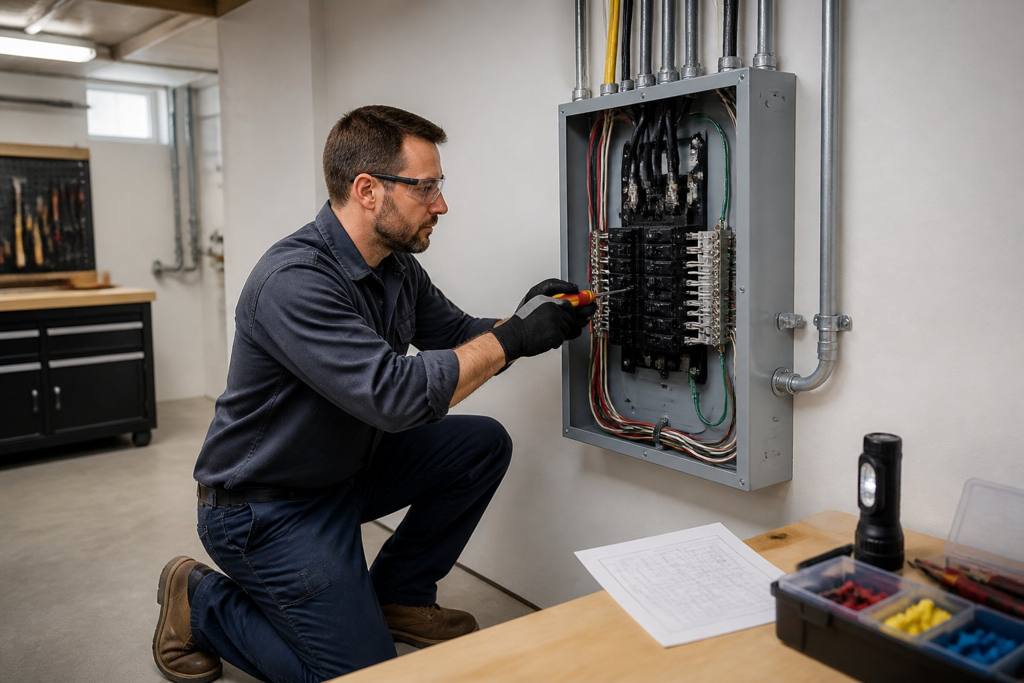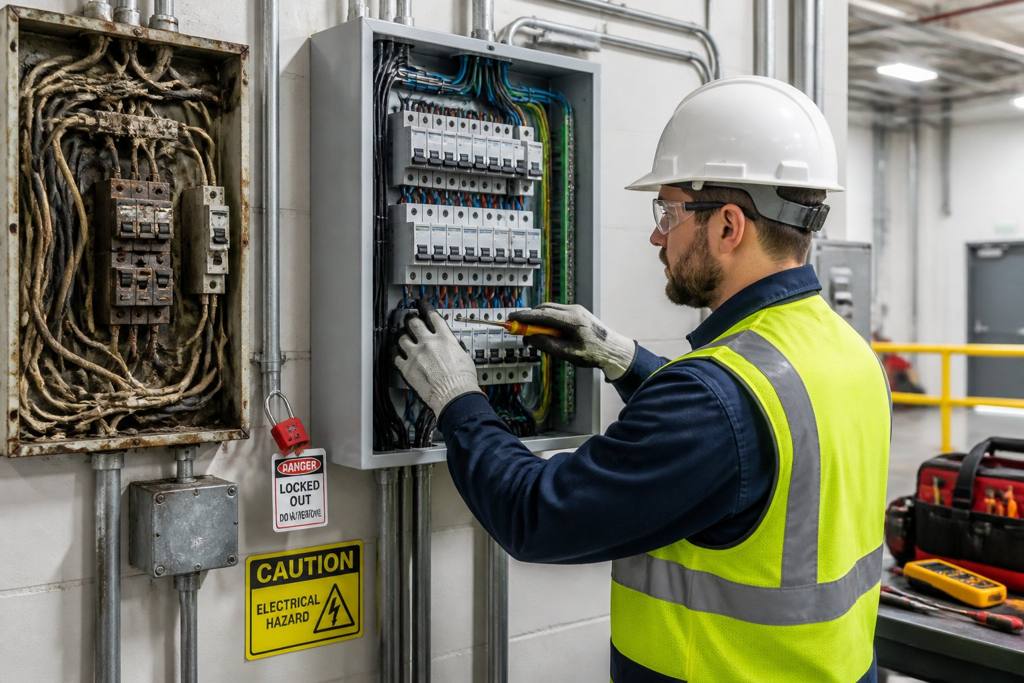
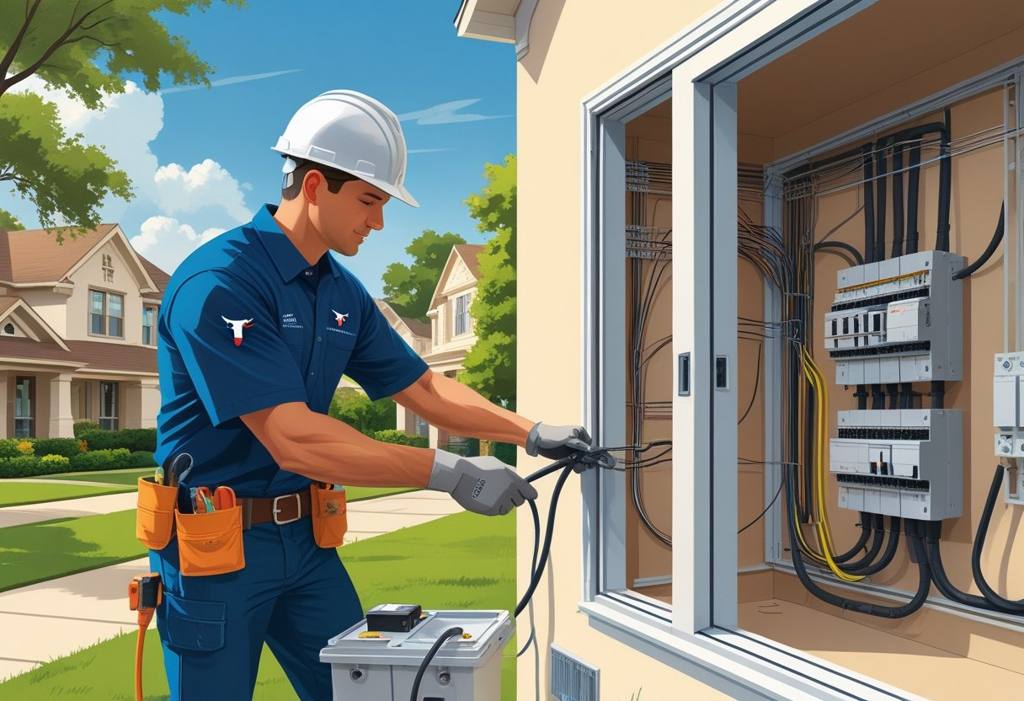
Planning a home addition in Austin? You’ll want an electrician who gets local codes, keeps things moving, and can handle anything from swapping a light fixture to a full panel upgrade. Magnify Electric’s licensed electricians take care of automated lighting, Lutron smart-home systems, EV chargers, outdoor and recessed lighting, outlet installs, panel upgrades, surge protection, wiring, troubleshooting, generator hookups, smoke/CO₂ detectors, and a bunch more—so your addition stays safe, up to code, and genuinely ready for today’s tech.
Whether you’re adding a bedroom, finishing a garage, or turning a spare room into a home office or rental, you’ll get experienced help. Magnify Electric covers Spicewood, Austin, Bee Cave, Lakeway, Dripping Springs, Georgetown, Leander, Round Rock, Kyle, Cedar Park, Liberty Hill, Westlake, The Hills, Briarcliff, Horseshoe Bay, Sunset Valley, Hutto, and other Central Texas spots. They offer both residential and commercial solutions, smart-home upgrades, and emergency support.
Why You Need a Professional Electrician for Home Additions
A home addition changes how power moves through your house. You want everything done safely, up to code, and sized right for new appliances or systems so you don’t end up overloading circuits.
Ensuring Safety and Code Compliance
Electrical mistakes? Not worth it. They can cause shocks, fires, or failed inspections. A licensed electrician knows Austin and Central Texas codes, making sure wiring, box fill, grounding, and GFCI/AFCI placement all check out. That keeps permits moving and inspectors happy.
You should get proper labeling, right breaker sizes, and solid connections. Pros use meters and thermal cameras to catch hidden faults before they turn into real problems.
Magnify Electric’s electricians handle smoke and CO₂ detector installs, whole-home surge protectors, and safety inspections so your addition checks all the boxes and actually protects your home.
Managing Increased Electrical Demand
Additions usually mean more HVAC, kitchen gadgets, or maybe an EV charger—all things that suck up a lot of power. You’ll need to calculate load, possibly upgrade the panel, and add new circuits for heavy hitters like EV chargers or electric stoves.
A pro will check your service capacity, suggest panel upgrades or generator hookups, and lay out circuits to keep loads balanced. This helps avoid annoying breaker trips and cuts down fire risk.
Magnify Electric handles panel upgrades and repairs, generator hookups, EV charging outlets, wall chargers, and wiring so your home can handle the extra demand without breaking a sweat.
Protecting Your Investment
Bad electrical work tanks resale value and leads to expensive repairs. Done right, installs preserve appliance warranties and smart systems like Lutron, plus keep your insurance valid since everything’s up to code.
You’ll want all the paperwork: permits, inspection records, and a diagram of new circuits. That stuff makes future upgrades or selling the house way easier.
Our team covers recessed lighting, outdoor lighting, TV installs, and whole-home smart integrations. Serving most of Central Texas, we handle everything from simple fixture swaps to full upgrades, commercial lighting, and emergency calls.
How to Select the Right Electrician in Austin
You want someone licensed, local, and with solid reviews. Check their services, make sure they cover your area, and always ask about insurance before you sign up.
Checking Licenses and Certifications
Always check the electrician’s license and insurance before they start. Ask for a Texas Master or Journeyman Electrician license and double-check it with the Texas Department of Licensing and Regulation. Insurance should cover general liability and worker’s comp—so you’re not on the hook if something goes wrong.
If you need special systems like Lutron or EV chargers, ask about those certifications too. Make sure any subs working on your place also have the right credentials. Keep copies of everything—licenses, insurance, and the estimate—just in case.
Understanding Local Experience
Pick someone who actually works in Austin and the nearby towns you care about. Knowing local codes, HOA quirks, and typical wiring in places like Bee Cave, Lakeway, Round Rock, and Westlake really matters. That kind of local know-how can make inspections and permits less of a headache.
Look for electricians who handle both small jobs and major upgrades—recessed lights, ceiling fans, panel upgrades, surge protection, and commercial lighting. Our team at Magnify Electric covers all of Central Texas and can help with smart home setups, EV charging, and emergencies.
Evaluating Customer Reviews
Read up on recent reviews, especially ones about jobs like yours. Look for mentions of punctuality, cleanup, communication, and whether the electrician stuck to the budget. Reviews about troubleshooting, pulling permits, or passing inspections are gold.
Check a few sites—Google, Yelp, maybe local Facebook groups—and look for trends, not just one-off complaints. Ask for references from similar projects in towns like Cedar Park, Georgetown, Hutto, or Dripping Springs so you can chat with folks who’ve had the same kind of work done.
Key Electrical Services for Home Additions
You’ll probably need upgrades, new circuits, smart lighting, and maybe a bigger panel for the extra rooms or gear. Here’s what’s involved and what to expect throughout the process.
Electrical System Upgrades
Older homes usually need updated wiring and safety tweaks to handle new loads. This can mean swapping out knob-and-tube or aluminum wiring, adding grounded circuits, and putting in AFCI/GFCI protection where it’s needed. These upgrades cut fire risk and make sure your addition connects to a safe, modern system.
Your electrician figures out your load capacity, checks what you’ll need for HVAC, kitchen gear, EV charging, and lighting, then recommends upgrades. Sometimes that means surge protectors or dedicated wiring for major appliances. Expect a clear scope of work, help with permits, and testing once everything’s done.
Magnify Electric’s licensed electricians handle these upgrades for homes and businesses across Central Texas, keeping things safe and up to code.
New Circuit Installations
New rooms and power-hungry gadgets need their own circuits so you’re not tripping breakers or dealing with voltage drops. Common new circuits include dedicated lines for HVAC, electric stoves, laundry, EV chargers, and clusters of outlets for home offices or media rooms.
The process? Load calculations, picking wire gauge and breaker sizes, running cable or conduit, and labeling the panel. Your installer puts dedicated circuits close to heavy loads for steady performance and code compliance. They’ll coordinate with other trades when the walls are open and handle final inspection once everything’s live.
You can get specialized circuits for Lutron smart systems, wall-mounted EV chargers, and whole-home automation—so your sensitive electronics stay happy.
Lighting and Outlet Placement
Good layout makes daily life easier and safer. Plan outlet spacing for both code and convenience—kitchen counters, home offices, bedrooms, outdoor spots all need proper coverage. Put GFCI outlets in wet areas and tamper-resistant ones where kids might be around.
Lighting should fit how you’ll use each room. Use a mix of recessed lights, task lighting, and dimmers. Rough-in spots for ceiling fans, smart switches, and future fixtures. Your electrician will also run wiring for TVs, network jacks, and landscape lighting, thinking about switch placement for easy control.
Magnify Electric installs recessed lighting, outdoor lights, TV mounts, and automated lighting systems so your addition’s both functional and finished.
Panel and Service Upgrades
If your main panel’s out of space or can’t handle the amps, you’ll need a service upgrade. Usually, that means bumping from 100A to 200A, adding a subpanel, or swapping out old breakers and bus bars to avoid failures. These upgrades get you ready for EV charging and whole-home systems, too.
The process covers service evaluation, meter and grounding checks, working with the utility, and permits. Techs will schedule any power shutoff and restore service quickly. Once upgraded, you’ll get fewer nuisance trips and room for future circuits.
For homes and businesses, Magnify Electric’s crew handles panel upgrades, safety inspections, and emergency support across Central Texas. Their licensed electricians do everything from fixture swaps to full system upgrades.
The Home Addition Electrical Planning Process
Here’s what to check on site, which permits and inspections matter, and how a clear schedule keeps your project on track.
Initial Consultation and Site Assessment
A licensed electrician will come out to look at your addition’s layout, power needs, and your current panel. They’ll measure circuit loads, check breaker types, and inspect your wiring’s age and condition. Expect them to note new circuits needed for HVAC, kitchen appliances, EV charging, and dedicated lights or outlets.
Bring your floor plan and a list of major appliances or smart devices you want. The electrician marks out outlets, switches, ceiling fan spots, recessed lights, and outdoor fixtures. They’ll also flag if you need a panel upgrade, surge protector, or new subpanel.
Magnify Electric’s electricians handle these walkthroughs and can suggest options like Lutron smart systems, EV chargers, and recessed lighting. They’ll give you a clear quote and point out safety items, like where to put smoke and CO₂ detectors.
Permitting and Inspections
Most cities or counties require permits for new wiring, panel upgrades, or fixed lighting. The electrician files permits, submits plans, and sets up rough-in and final inspections with the local authority.
Keep copies of your permit approvals and make sure the inspector signs off at each step: rough wiring before drywall, and final after fixtures go in. Permits protect you and help with insurance or resale.
Licensed pros like Magnify Electric know the local codes and work with inspectors in Austin, Round Rock, Lakeway, Georgetown, and nearby towns. If corrections are needed, they’ll handle them fast to keep things moving.
Project Timeline Overview
Get your initial assessment on the books as soon as you have a framed plan—this helps with ordering panels, breakers, and specialty gear like smart controls or EV chargers. Typical schedule: assessment and permit filing (1–2 weeks), rough wiring (2–5 days for a standard addition), inspections (depends on the city), and final installs (1–3 days).
Plan for surprises: older homes might need rewiring or a panel upgrade, which could add 1–3 days. Specialty items—Lutron controls, surge protectors, wall-mounted EV chargers—might take extra time to arrive.
Your electrician should give you a step-by-step schedule, contact info for updates, and a list of what you need to do (like clearing work areas or providing temp power). This keeps things on track and helps avoid nasty surprises.
Energy Efficiency and Modern Electrical Solutions
You’ll get upgrades that cut energy use, protect your electronics, and add smart control. Focus on good wiring, efficient lights, and surge protection where it matters.
Smart Home Wiring Options
Plan your wiring for the stuff you’ll actually use. Run dedicated circuits for high-draw gear like EV chargers and HVAC controls. Use Cat6 or better for reliable data to hubs, cameras, and smart panels. Leave conduit or blank boxes for future gadgets—maybe thermostats, motorized shades, or speakers you haven’t decided on yet.
Pick central smart controllers or distributed modules based on how your rooms are laid out. Use neutral-backed switches for Lutron and similar systems so you can add smart switches later without tearing up the walls. Label circuits clearly at the panel to make future changes quick and safe. Licensed electricians handle the load calculations and code stuff, so your system runs smoothly and safely.
LED Lighting Integration
Switching to LED fixtures and bulbs can cut lighting power use by 50–75% compared to incandescents. Try LED recessed cans, dimmable LED downlights, and integrated LED fixtures that match the room’s vibe—warm for living rooms, cooler for workspaces. When you pick dimmers, make sure they’re LED-rated to dodge flicker and help bulbs last.
Set up zones and scenes with smart controls so you’re not lighting up empty spaces. Occupancy sensors in closets and hallways are a game-changer for wasted light. Outdoors, grab LEDs with motion or dusk-to-dawn sensors; they save power and bump up security. Getting a pro to install everything is worth it—correct drivers, good heat dissipation, and balanced circuits make all the difference.
Surge Protection Strategies
Sensitive electronics and big appliances need layered surge protection. Start with a whole-home surge protector at your main panel to block big spikes from storms or grid blips. For extra peace of mind, use point-of-use protectors at bedside plugs, entertainment centers, and home offices.
Good grounding and bonding are must-haves—if you don’t have them, surge devices can’t do their job. Test and note which circuits are protected during install. If you’ve got a generator or EV charger, double-check surge device compatibility and get a licensed electrician to install everything so your warranties stay intact.
Magnify Electric’s licensed electricians handle installations like automated lighting, Lutron systems, EV charging outlets, outdoor lighting, recessed lighting, outlet services, whole-home surge protectors, wiring, panel upgrades, troubleshooting, and more. We cover Spicewood, Austin, Bee Cave, Lakeway, Dripping Springs, Georgetown, Leander, Round Rock, Kyle, Cedar Park, Liberty Hill, Westlake, The Hills, Briarcliff, Horseshoe Bay, Sunset Valley, Hutto, and nearby Central Texas spots. If you need anything from a simple fixture swap to a full upgrade, smart integration, safety check, or emergency help, we’ve got you.
Common Challenges in Home Addition Electrical Work
You’ll probably run into three big headaches: matching old wiring safely, checking if your panel and circuits can handle the new load, and keeping the worksite organized so everything stays on schedule and code-compliant.
Integrating With Old Wiring
Older homes often have cloth-insulated or undersized wiring that just can’t keep up with today’s needs or code. Sometimes you’ll find mixed wiring, weird junctions in closets, or worn insulation that’s a shock or fire risk. A good electrician will inspect the wiring, test insulation resistance, and map out circuits before opening up walls.
You might only need to rewire the circuits running to the addition, or you might find that several circuits are shot and need a full rewire. That means new wire runs, updated junction boxes, and sometimes moving outlets or switches to meet spacing rules. Magnify Electric’s licensed electricians tackle these jobs and make sure everything passes inspection and blends with your finishes.
Handling Load Balancing
Adding a room, kitchenette, or HVAC can push your electrical system over the edge. If your panel’s out of space or just too small, you’ll get frequent tripping or worse. An electrician will figure out how much load the new stuff adds—appliances, HVAC, EV chargers, lighting—and decide if you need a subpanel or full service upgrade.
Heavy loads like microwaves, dishwashers, and HVAC usually need their own circuits. Balancing loads across phases keeps things from overheating. Panel upgrades, new breakers, and surge protection often come into play. Magnify Electric handles panel upgrades, whole-home surge protectors, EV charging outlets, and makes sure everything’s balanced and up to code.
Worksite Access and Coordination
Tight spaces and lots of trades can make additions chaotic. Electricians have to work with framers, plumbers, HVAC folks, and inspectors to avoid rework. The order matters: rough-in wiring before insulation, device mounting after drywall, and final hookups once everyone else is out.
Set up temp power for tools and lights, and keep paths clear for ladders and gear. Permits and inspections can slow things down, so expect your electrician to keep you updated and adjust as needed. Our team works across the Austin area and coordinates with local inspectors to keep jobs moving and code-compliant.
Cost Factors for Electrician Services in Austin
Prices depend on crew time, parts, job complexity, and local fees. Knowing what drives the price helps you budget for anything from a quick fix to a big addition.
Labor and Material Costs
Labor rates in Austin vary—residential jobs are usually one rate, but commercial or specialty work costs more. Electricians charge hourly for troubleshooting or small jobs, but bigger projects usually get a flat bid that covers crew size and hours. Licensed electricians work faster and with fewer mistakes, which can actually save you money on labor.
Material costs depend on what you pick. Basic outlets and switches are cheap, but Lutron smart-home gear, EV charging outlets, and whole-home surge protectors cost more. Circuit breakers, wiring, panel upgrades, recessed lighting, and outdoor fixtures add up too. Always ask for an itemized estimate so you know where your money’s going.
Project Complexity
Complicated jobs mean more planning, time, and skill. Swapping a ceiling fan is quick, but running new circuits for an addition, moving a panel, or putting in a commercial lighting system is a much bigger deal. Old homes sometimes hide knob-and-tube wiring or bad grounding, which can add work and cost.
Smart-home setups like Lutron, automated lighting, or multi-zone controls need programming and testing on top of wiring. EV charger installs might need trenching, a new circuit, or a panel upgrade. If you need emergency repairs or after-hours service, expect to pay more for that convenience.
Permitting Fees
You’ll need permits for most new circuits, panel upgrades, and additions in Austin and nearby cities. Fees depend on the city and the size of the job. Simple permits are usually low-cost, but big additions or commercial work can get pricey and may include inspection surcharges.
Permits can slow things down. Failed inspections mean rework and more fees, so hiring a licensed electrician lowers that risk. Our team at Magnify Electric takes care of permits and inspections across Spicewood, Austin, Bee Cave, Lakeway, Dripping Springs, Georgetown, Leander, Round Rock, Kyle, Cedar Park, Liberty Hill, Westlake, The Hills, Briarcliff, Horseshoe Bay, Sunset Valley, Hutto, and nearby Central Texas areas. We handle everything—outlet services, TV installs, panel upgrades, EV chargers, surge protectors, and emergency support.
Tips for a Smooth Home Addition Project
Plan your electrical scope early, agree on timelines and permits, and stay on top of safety and inspections. Share wiring diagrams, set milestones for rough-in and final connections, and book licensed electricians before you close up the walls.
Clear Communication With Contractors
Be specific: circuit loads, panel capacity, and where you want outlets, switches, and lighting. Give your electrician and GC a written layout with room functions, appliance ratings, and locations for EV chargers or any heavy loads.
Hold quick weekly check-ins to review progress and changes. Use photos or markup apps to confirm placement so nothing gets hidden behind drywall. Ask for permit numbers and inspection dates; it keeps things legal and avoids do-overs.
If you go with Magnify Electric, our licensed electricians explain load calcs, suggest panel upgrades if needed, and work with other trades to keep things on track.
Maintaining Project Safety
Turn off power at the panel for any area being worked on and label those circuits. Use GFCI near water and AFCI in bedrooms and living areas—it’s code. Temporary lighting and covered wiring keep things safer until final fixtures go in.
Double-check smoke and CO₂ detector placement—hardwired with battery backup is best. Inspect grounding and bonding after rough-in. Have a licensed electrician test circuits before drywall and again after trim so you catch any hidden issues.
Magnify Electric offers safety inspections, whole-home surge protection, and generator hookups to keep your new and old spaces safe.
Scheduling Electrical Work Efficiently
Book electricians for rough-in before insulation and drywall. Schedule inspections right after rough-in so you can insulate without delay. Plan final wiring, device installs, and lighting after painting to avoid rework and protect your fixtures.
Order special items—Lutron smart-home parts, custom lights, EV chargers—early so you’re not waiting. Combine tasks: have the same crew do recessed lighting, ceiling fan wiring, and TV mounts to cut down on repeat trips.
For big jobs, block time for panel upgrades and load testing. Our team serves Spicewood, Austin, Bee Cave, Lakeway, Dripping Springs, Georgetown, Leander, Round Rock, Kyle, Cedar Park, Liberty Hill, Westlake, The Hills, Briarcliff, Horseshoe Bay, Sunset Valley, Hutto, and nearby Central Texas, and we handle everything from basic swaps to major upgrades and emergencies.
Frequently Asked Questions
Here’s what usually comes up: how electrical work is planned and installed, which permits and codes matter in Austin, how to pick a qualified electrician, typical timelines, and safety steps to keep people and property safe.
Can you explain the typical electrical installation process for a home addition?
You start with a load calculation to size the panel, breakers, and circuits for the new rooms and appliances.
The electrician lays out plans, runs wiring, installs boxes and fixtures, and connects everything to your main panel or a new subpanel.
Inspections happen at rough-in and final stages to check wiring, grounding, and bonding.
Licensed electricians program smart devices and test everything before you use the space.
Magnify Electric’s licensed team handles load calcs, panel upgrades, wiring, lighting, outlets, EV chargers, and smart-home hookups so your project moves smoothly from rough-in to final inspection.
What sort of permits do I need for electrical work in a new home addition in Austin?
You’ll usually need an electrical permit for new circuits, panel changes, and any fixed wiring in an addition.
The city or county issues permits and requires inspections at rough-in and final.
Rules vary by city, so your electrician should pull permits and schedule inspections.
Going with a licensed pro lowers your risk of failed inspections or expensive rework.
How do I choose the right electrician for my home addition project?
Pick someone licensed and insured with local permit experience and good references.
Ask for examples of home additions and smart-home work, and check that they handle panels, EV chargers, and surge protection.
Make sure they follow local code and provide written estimates and timelines.
Magnify Electric offers licensed electricians, a wide range of services, and coverage across Central Texas, so you get both residential and commercial expertise.
What are the latest electrical code requirements for home additions in Austin?
Local amendments follow the National Electrical Code, plus Austin-specific rules for outlets, AFCI/GFCI protection, and smoke/CO₂ detectors.
You need minimum outlet spacing, dedicated circuits for big appliances, and solid grounding and bonding.
Codes change every few years, so stick with a licensed electrician who stays up to date and gets the right permits.
Keeping things like smoke and CO₂ detectors code-compliant is key for a safe inspection.
How long does it typically take to complete electrical installations for home extensions?
Small additions or a single room can take a few days to a week, depending on the job.
Bigger projects with panel upgrades, subpanels, or lots of circuits might stretch into several weeks.
Scheduling inspections and working around other trades can add time.
Your electrician should give you a clear schedule and keep you posted about any delays or inspection dates.
What safety measures should be taken during the electrical work for a new construction?
First things first—shut off the power to your work areas, and make sure you label every circuit before you even think about starting.
Wear the right personal protective gear, and don’t skip lockout/tagout steps if you’re dealing with live equipment. It’s tempting to rush, but that’s how accidents happen.
You’ll want to install GFCI and AFCI protection where the code says, then double-check your grounding and surge protection once you’re done.
Honestly, it’s worth hiring licensed pros for inspections, code stuff, and those emergencies that always seem to pop up. That way, you’re way less likely to deal with shocks, fires, or failed inspections.
We cover Spicewood, Austin, Bee Cave, Lakeway, Dripping Springs, Georgetown, Leander, Round Rock, Kyle, Cedar Park, Liberty Hill, Westlake, The Hills, Briarcliff, Horseshoe Bay, Sunset Valley, Hutto, and a bunch of nearby Central Texas communities.