
Signs Your Property Needs a Full Electrical Evaluation Before It’s Too Late
Circuits that won’t stay on, lights that dance or dim, or weird smells near outlets usually mean something’s up with your wiring or panel.

Circuits that won’t stay on, lights that dance or dim, or weird smells near outlets usually mean something’s up with your wiring or panel.
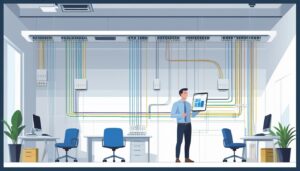
Think about what runs all day (like monitors) versus stuff that spikes power but only for a bit, like a space heater or a big printer

To do this right, you’ll want to know how to choose the right lights, figure out where they’ll do the most good, and sidestep the common mistakes
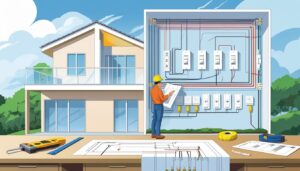
Figure out how much power you’ll need, what appliances or devices are coming in, and if your current setup can keep up.
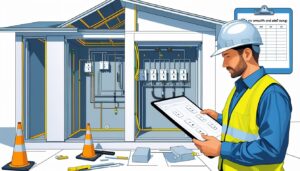
When you plan your electrical layout, you’re deciding where everything goes and how power moves through your home or business
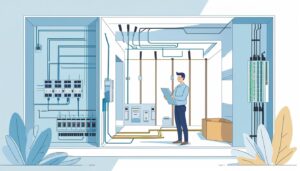
That means checking your current setup, figuring out how much power you use, knowing which circuits you can’t live without, and considering any upgrades you might want down the road.

Take a good look at your current setup and think about what each room really needs.

Making your lighting system more efficient starts with knowing which bulbs fit your needs, how brightness works, and picking the right color temperature for each space.
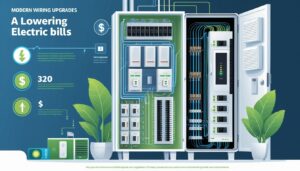
It helps cut down wasted power and gets your electrical system ready for today’s tech.
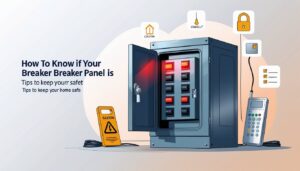
Getting a handle on how electricity moves through your breaker panel—and what actually causes an overload—makes it easier to spot trouble early.
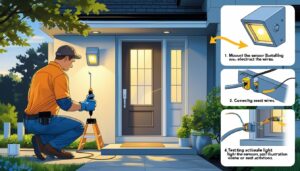
Picking out motion sensor lights isn’t rocket science, but you’ll want to think about the type, the features, and where you’ll put them.
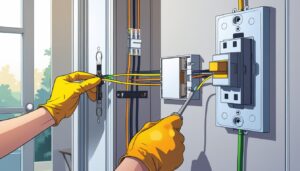
Dimmer switches let you control how bright your lights are, which means you can set the vibe exactly how you want
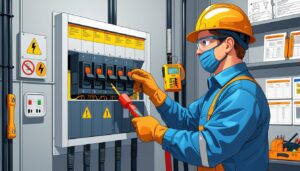
If you’re thinking about more circuits, you’ve got to know how much juice you need, what your electrical panel can handle, and what could go wrong.

Power reliability is just making sure your office has a steady flow of electricity so you can keep working without annoying interruptions.
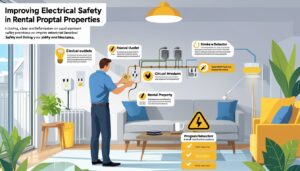
If you want your rental property up to code and safe, you’ve got to know the rules and your own responsibilities.
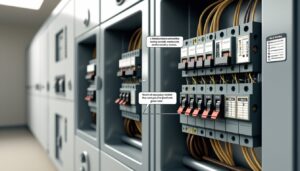
Different types and parts all work together to keep things running safely and efficiently.
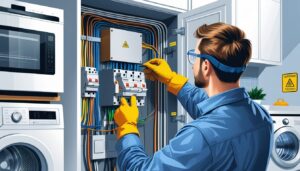
Getting your new appliance wired safely starts with knowing exactly how much power it needs and how that fits into your home’s electrical setup.

It helps to understand how the parts connect, what usually goes wrong, and which rules keep things safe.

They lower risks around your property, make it tougher for intruders to sneak around, and help you see what matters after dark.

Updating your electrical panel is honestly one of the best ways to make your home safer and more valuable.
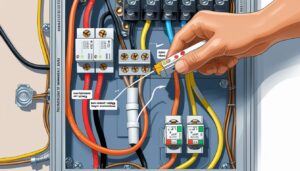
Loose wiring inside your walls can cause problems you’ll probably notice before things get out of hand.
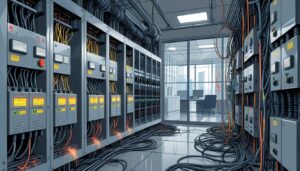
When your business’s electrical system is overloaded, certain warning signs pop up and need attention.
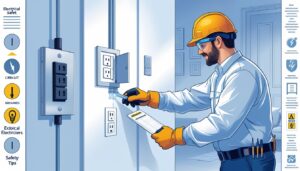
That means watching for signs of overload and sticking to safety rules set by electrical codes.

When you pick lighting for your home, knowing about safety standards can help you avoid risks like shocks or fire.

To pick the right lighting, you need to know how each type works, how much energy it uses, and which certifications actually matter.

Energy-efficient lighting saves power, trims your bills, and still gives you good light.
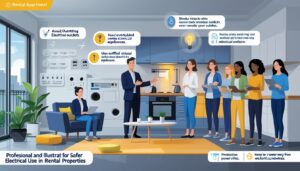
Staying alert and getting regular checks done can head off accidents and save you from expensive fixes.
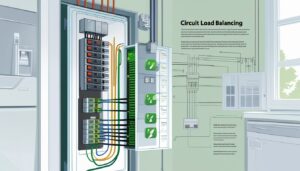
When circuits share the load properly, you avoid headaches like breaker trips or even fires.

Permits keep your project legal and safe, and they tell you what inspections you’ll need.

Before you move in, check that your home’s main systems actually work and are safe.