
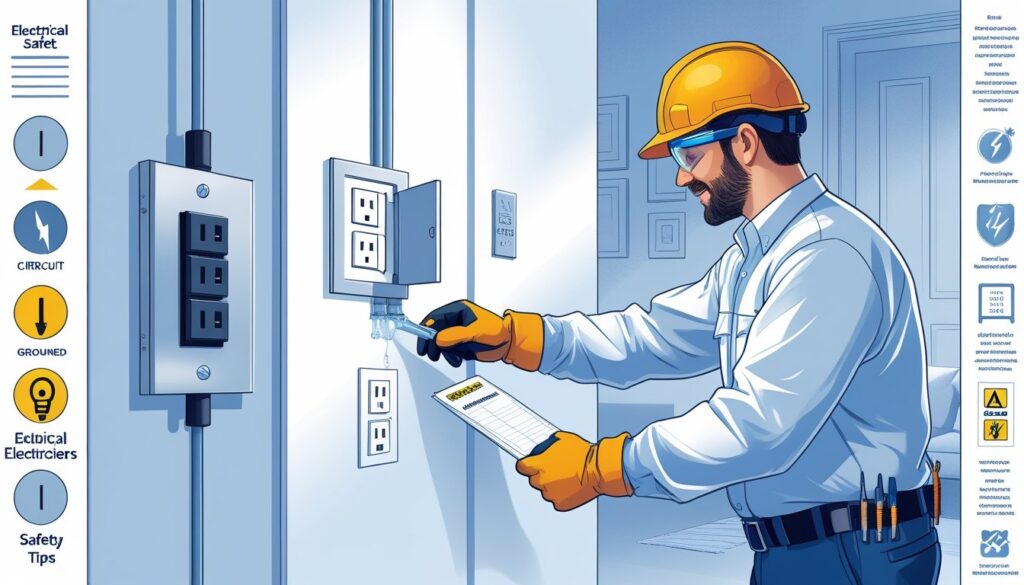
Running out of outlets at home? Adding more can make life a lot easier—no more fighting over chargers or tripping on extension cords. But before you go plugging in extra devices, you really need to know how much your circuits can handle. Overloading them can trip breakers or, worse, create real hazards. So, planning ahead and sticking to safety basics is key if you want your electrical system to stay happy.
With a little know-how, you can add outlets without putting your home at risk. Magnify Electric can help expand your electrical capacity the right way. Need more charging spots, a place for that new coffee maker, or a setup for your home office? Our licensed electricians make sure everything’s up to code and safe.
When you choose Magnify Electric, you get folks who know the ins and outs of electrical work, from small lighting tweaks to big outlet projects for homes or businesses. We’re all about finding solutions that fit your needs and keep things running safely.
Understanding Electrical Capacity and Safety
When adding outlets, you’ve got to know your home’s limits. That means watching for signs of overload and sticking to safety rules set by electrical codes. It’s all about keeping your home safe and sound.
Assessing Your Home’s Current Electrical Load
Before you start adding outlets, check how much power you’re already using. Every circuit has a limit, measured in amps—most homes have 15 or 20 amp circuits. That’s about 1,800 to 2,400 watts, give or take.
Peek inside your main panel to see how many breakers you have and their sizes. Make a quick list of what you plug in every day and how much power those things use. Try not to pile a bunch of high-wattage stuff on one circuit. If you’re not sure about your load, grab a clamp meter or ask an electrician for help.
Knowing your load helps you decide if you need an upgrade or if it’s safe to add outlets as things stand.
Identifying Warning Signs of Overloaded Circuits
Keep an eye out for these red flags:
- Breakers tripping all the time
- Lights that flicker or dim
- Outlet covers that feel warm or look discolored
- Any burning smell near outlets or the panel
If you spot any of these, your system could be stressed out. Overloaded circuits are a fire risk and can fry your devices. Notice these signs? Cut back on what’s plugged in, or better yet, call Magnify Electric. We can check things out and fix problems before they get worse.
Importance of Electrical Code Compliance
You can’t skip code rules when adding outlets. Codes spell out how many outlets per circuit, wiring methods, and more. One biggie is the 80% rule: don’t use more than 80% of a circuit’s capacity, so you leave a safety margin.
Ignoring code can lead to hazards, failed inspections, or even insurance headaches. Magnify Electric’s licensed electricians keep up with all the codes, so your installation is safe and legal. Getting pros on board means you won’t have to worry about compliance or safety.
Smart Planning for Increased Outlet Availability
Adding outlets safely takes a bit of thinking ahead. Where do you need them most? Which rooms get the most use? What types of outlets do you actually need? Good planning helps you dodge overloads and keeps everything running smoothly.
Evaluating Outlet Placement for Everyday Needs
Figure out where you use electronics the most—living room, kitchen, home office, you know the drill. Those spots usually need more power for TVs, computers, kitchen gadgets, or chargers.
Add outlets where they’ll actually get used, not behind heavy furniture or where cords turn into a tangled mess. It just makes life easier.
Before you start, check your wiring. Too many outlets on one circuit can still cause issues. If you’re unsure, Magnify Electric’s crew can look things over and help you add outlets the right way.
Mapping Out High-Traffic Zones
Think about where people walk or hang out a lot—hallways, entryways, busy rooms like the kitchen. You want outlets handy, but not in the way.
Try to avoid stretching cords across walkways. If you’ve got kids or pets, look into outlets with built-in safety covers.
And hey, plan ahead. If you think you’ll add more gadgets or appliances later, maybe put in a couple extra outlets now. It’s usually cheaper and easier than upgrading later.
Selecting Appropriate Outlet Types
Not every outlet is the same. For basic stuff, standard duplex outlets are fine. But sometimes you need more.
GFCI outlets are a must in places with water (kitchen, bathroom, outdoors). They cut power if there’s a shock risk. USB outlets are super handy for charging phones and tablets without those clunky adapters.
If you use heavy-duty gear or lots of devices, consider outlets rated for higher power. That way, you won’t trip breakers every time you toast bread and run the blender. Our team at Magnify Electric can help you pick the right outlets for your setup.
Safe Installation Procedures
Adding outlets isn’t rocket science, but you’ve got to do it right. That means shutting off the power, using the right tools, and double-checking every connection.
Turning Off Power at the Breaker
Always kill the power at the breaker before you mess with wires. Seriously, don’t skip this step. Use a tester or multimeter to make sure the juice is really off.
Label the breaker if you need to, so nobody flips it back on by mistake. Safety comes first, even for quick fixes.
Using the Right Tools and Materials
Grab the right tools before you start—insulated screwdrivers, wire strippers, a voltage tester, and a level. The right gear makes things safer and helps your work look neat.
Pick electrical boxes and outlets that match your needs, and make sure your wires are the right gauge. Using the wrong stuff can cause shorts or worse down the line. Not sure what to buy? Magnify Electric can walk you through it.
Checking Connections for Security
Once you’ve wired it up, check every connection. Loose wires can spark or overheat. Use wire nuts or approved connectors, and wrap any bare copper with electrical tape.
Give each wire a gentle tug—if it’s loose, fix it. Don’t forget to ground everything properly. Once you’re done, reassemble the outlet and box, then flip the breaker back on and test.
If you’d rather not mess with any of this, Magnify Electric’s electricians can handle it all. We pay attention to safety and details so you don’t have to stress.
When to Call a Licensed Electrician
Sometimes DIY just isn’t worth the risk. Some electrical jobs need pro skills, permits, or both.
Recognizing Projects Beyond DIY Scope
If you’re thinking about upgrading your panel or rewiring, call a licensed electrician. Adding lots of outlets to one circuit can overload it if you’re not careful. If you notice flickering lights, tripping breakers, or wobbly outlets, there might be bigger issues.
Pros know how to wire things safely and can suggest GFCI outlets where you need them. They’ll also make sure new outlets can handle the wattage you need. DIY mistakes can lead to fire hazards and code violations—nobody wants that.
Navigating Permits and Local Regulations
Electrical projects often need permits and have to follow local codes. Skip the paperwork, and you could face fines or have to redo the work. Licensed electricians know what permits you need and can handle inspections.
When you hire Magnify Electric, we make sure everything’s done by the book and meets safety standards. That keeps your home safe, helps with resale value, and avoids insurance headaches. It’s just easier to let the pros handle the red tape.
Enhancing Outlet Safety and Efficiency
You want outlets that are safe and work well. Protecting your home, family, and gadgets from electrical issues is just smart. Using modern tech, kid-proof features, and checking things regularly helps keep your system in shape.
Incorporating GFCI and AFCI Protection
GFCI (Ground Fault Circuit Interrupter) and AFCI (Arc Fault Circuit Interrupter) outlets are key for avoiding electrical accidents. GFCIs shut off power if they sense a current leak, which is especially important in wet areas like kitchens, bathrooms, and outside.
AFCIs are designed to prevent fires by spotting dangerous arcs from damaged wires or bad connections. You’ll want these in living rooms, bedrooms, or anywhere cords might get pinched or worn. Adding these outlets helps keep your home safer.
Using Childproof and Tamper-Resistant Outlets
Got kids or expecting visitors? Tamper-resistant outlets are a no-brainer. They have shutters inside that block foreign objects, so little ones can’t poke things in. Childproof covers add another layer if you want extra peace of mind.
A lot of new homes require these by code anyway. It’s a simple upgrade that keeps everyone safer without costing much.
Regular Maintenance and Inspection Tips
Don’t forget to check your outlets now and then for signs of trouble—loose outlets, sparks, or heat can all mean problems.
Make sure covers are secure and wires aren’t exposed or corroded. If you spot any issues, call an electrician. Magnify Electric can inspect and fix outlets, and we’re happy to help with repairs or new installs that meet code.
Frequently Asked Questions
Adding more outlets safely means knowing your circuit limits, using the right tools, and following local codes. Don’t overload circuits, and pick the best setup for your home.
What is the safest way to add more outlets to my kitchen?
Best bet is to add new outlets on their own circuit or tie into an existing one that’s not maxed out. Kitchens need GFCI outlets to handle moisture safely.
Hiring a licensed electrician, like Magnify Electric, means everything gets installed right and up to code. That keeps hazards away and your family safer.
Can I use a wall-mounted outlet extender without risk?
Outlet extenders can be handy, but only if you don’t overload them. Don’t plug in a bunch of high-power gadgets at once.
Keep the total wattage under the outlet’s limit (usually 1,800–2,400 watts for standard circuits) to avoid fires.
How can I increase power availability in rooms without enough outlets?
You can add new outlets by extending existing circuits or running new ones. Careful planning keeps circuits from getting overloaded and power steady.
Magnify Electric’s team can check your setup and suggest the best way to add outlets safely.
Are there any safe battery-powered outlet options?
Battery-powered outlets and portable power stations give you temporary power, which can be a lifesaver during outages or when you’re outside. As long as you follow the manufacturer’s instructions, they’re generally safe for short-term use.
They’re not meant to replace permanent wiring, but they definitely come in handy when you need a quick fix.
What safety precautions should be taken when using a multi-outlet adapter?
Be careful with multi-outlet adapters—don’t plug in a bunch of high-wattage stuff at once. And seriously, avoid daisy chaining adapters; that’s just asking for trouble with overloads.
Go for adapters that have built-in surge protection, and don’t mess with their safety features. It’s not worth the risk.
How do I know if it’s okay to piggyback outlets for extra plug-in space?
Piggybacking outlets—basically connecting one to another—might seem handy, but you’ve got to be careful not to overload the circuit or ignore electrical codes. Honestly, if you’re not sure, it’s smart to ask a professional before trying anything.
Magnify Electric can take a look at your circuit’s limits and help you add more outlets safely, so you don’t have to worry about messing something up.