
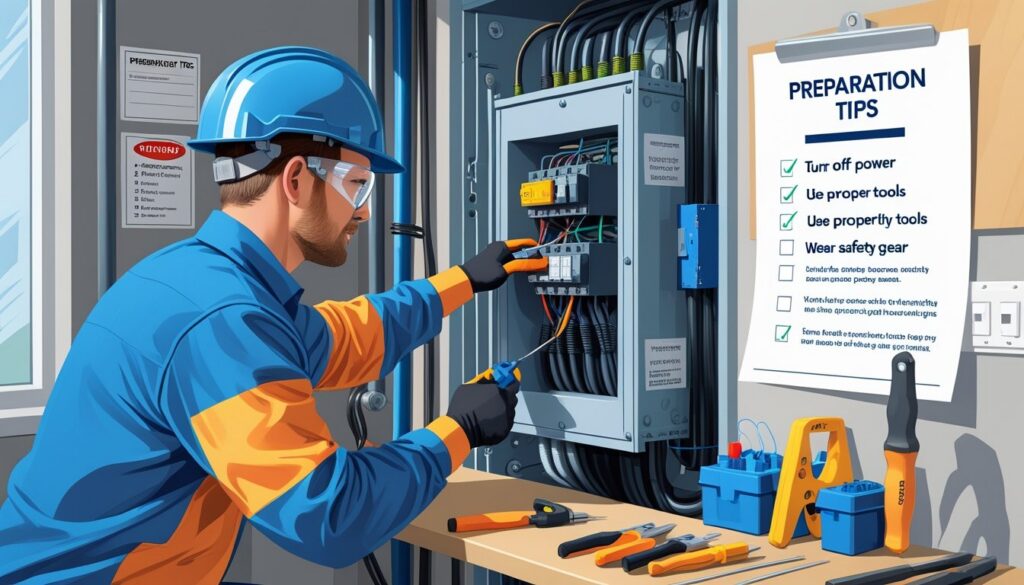
Getting ready for an electrical service panel replacement is a smart move to keep your home or business safe and running well. It all starts with scheduling a professional inspection and figuring out what your electrical system actually needs. This way, you sidestep surprises and make sure your new panel can handle everything you throw at it.
Clear out the space around your current panel so your electrician doesn’t have to squeeze through clutter. Also, give your electrician a heads-up about any upgrades you want—maybe more outlets, better lighting, that sort of thing. At Magnify Electric, we handle the details and offer expert service for homes and businesses alike.
When you call Magnify Electric, you get licensed electricians who actually care about doing things safely and right. We try to keep the process simple, whether it’s a minor repair or a big panel upgrade, so you can relax knowing the work is solid.
Understanding Your Electrical Service Panel
Your electrical service panel is basically the control center for all the power in your home or business. It manages how electricity gets sent out to different rooms and devices. If you know what kind of panel you have and how it works, you’ll be way better prepared when it’s time for an upgrade.
Types of Electrical Panels
There are a few types of panels, but the most common are circuit breaker panels and old-school fuse boxes. Circuit breakers use switches that shut off power if there’s an overload—pretty handy. Fuse boxes use fuses that blow out when there’s a problem, which means you have to replace them.
Most newer homes use circuit breakers since they’re safer and easier to reset. There’s also something called a main lug panel—it works as a subpanel and doesn’t have a main breaker. Knowing what you’ve got helps you decide if you should upgrade.
If you’re still rocking a fuse box, you’re probably limited on adding new circuits, especially for bigger appliances or an EV charger.
Panel Functions and Components
The service panel takes in electricity from the utility company and splits it up so different parts of your home or business get what they need. The main breaker controls all the power, and then you’ve got individual breakers for rooms or big appliances.
There are also bus bars (where the juice flows) and a panel cover to keep things safe and tidy. A panel in good shape helps prevent surges, overheating, and even electrical fires.
If you keep an eye on these parts, you can spot problems early. At Magnify Electric, our licensed electricians make sure your panel is up to code and running right.
Recognizing the Need for Replacement
There are signs when your panel’s on its last legs. Breakers tripping a lot? Lights flickering? That might mean your panel’s overloaded or just plain failing. If your panel’s pushing 20-30 years old, it’s probably not up for today’s power needs.
Look out for rust, weird smells, or if the panel feels hot. Old panels aren’t just inconvenient—they can be unsafe and might not meet code. Upgrading gives you more capacity and peace of mind.
Magnify Electric’s team can check your panel and tell you straight if it’s time for a swap. We handle everything safely so your place stays powered and secure.
Gathering the Right Tools and Materials
Getting ready for a panel replacement means rounding up the right tools, picking the right panel, and wearing proper safety gear. This stuff matters—it keeps the job safe and saves you headaches.
Essential Tools Checklist
Grab what you need before you start. A voltage tester is essential—don’t even think about skipping it, since it’s how you know the power’s actually off.
You’ll also want:
- Flathead and Phillips screwdrivers
- Wire cutters and strippers
- Pliers
- Electrical tape
- A flashlight or headlamp (it gets dark in there)
Keep your tools close by on a tray or a cloth. Nothing worse than hunting for a screwdriver mid-job.
Selecting the Replacement Panel
Pick a panel that fits your current and future needs. Check the amperage rating—most homes use 100, 150, or 200 amps.
Go for panels made from solid materials and stick with brands that people trust. If you want to reuse your breakers, make sure the new panel is compatible.
Not sure what size or type you need? Ask Magnify Electric. We’ll help you get a panel that’s safe and built to last.
Safety Gear and Precautions
Don’t skimp on safety. Always wear insulated gloves and safety glasses—they’re not just for show.
Wear clothes without metal bits (no zippers or buttons) to avoid accidental shocks.
Turn off the main breaker before you touch anything. Double-check with your voltage tester.
If you’re ever unsure, just call Magnify Electric. We follow strict safety codes and keep your property protected.
Preparing Your Home for Service Panel Replacement
Before the swap, make your home ready so things go smoothly. Cut the power the right way, clear a path to the panel, and protect your electronics from any weird surges.
Shutting Off Power Safely
First thing—shut off your home’s power. Find the main breaker and flip it OFF. This stops electricity and keeps everyone safe.
Not sure where the main breaker is? Don’t mess around—call Magnify Electric. We’ve got the tools and training to handle it safely.
After you turn the power off, block the panel or leave a note so nobody flips it back on by accident.
Clearing the Work Area
Your electrician needs space—move furniture, boxes, or anything else out of the way. Try to give about three feet of clear space around the panel.
If you’re working with no power, set up some battery lights or a headlamp.
Sweep up around the panel so nobody slips, and keep pets and kids out of the area.
Protecting Appliances and Electronics
Panel swaps can cause quick power cuts or little surges that might mess with sensitive electronics—think computers, TVs, or smart devices.
Unplug valuable electronics before work starts. If you use surge protectors, check that they’re in good shape.
For anything that stores data (like smart thermostats), save your work and turn it off just in case.
Magnify Electric can install whole-home surge protection, which helps keep your stuff safe during panel work. It’s worth thinking about.
Coordinating With Licensed Electricians
Getting ready for your panel replacement means working with pros who know what they’re doing. Good communication and planning help avoid hiccups and make sure everything’s up to code.
Finding the Right Professional
Look for a licensed electrician who’s done panel replacements before. Check reviews and make sure they follow local codes. A good electrician knows the safety steps and can handle curveballs.
Ask about their experience with homes and businesses, especially if you have special electrical needs. At Magnify Electric, our team covers a lot of ground to get your job done right the first time.
Discussing Project Details
Once you pick someone, talk through the job. Mention how old your system is, what you need power-wise, and any upgrades you’re thinking about. This helps the electrician prep properly.
Ask about how long the job will take and if you’ll be without power. It’s also smart to talk about safety and cleanup. Good communication means fewer surprises.
Obtaining Permits and Scheduling Inspections
Panel replacements usually need permits. Your electrician should handle it, but double-check so nothing slips through the cracks.
After the work, a city inspector will probably need to sign off. Schedule this with your electrician ahead of time. Keep those permit and inspection records—you might need them later.
Magnify Electric helps with permits and inspections, making the process less of a hassle.
Ensuring Post-Replacement Safety
Once your new panel’s in, a few steps help make sure everything’s safe and working. Check connections, restore power carefully, and update those panel labels. It’s not glamorous, but it saves headaches down the road.
Conducting Final Safety Checks
Before flipping the power back on, check all the connections inside the panel. Make sure each wire is tight and in the right spot. Loose wires can cause sparks or tripped breakers.
Use your voltage tester—double-check the panel isn’t live while you’re poking around. If something looks off, stop and call a pro.
Magnify Electric’s electricians run detailed inspections after every replacement. Their experience keeps things up to code and safer for you.
Restoring Power and Testing Circuits
Once everything checks out, turn the main breaker back on—slowly. Switch on each circuit breaker one at a time. Watch for anything weird: buzzing, burning smells, or flickering lights. If you notice anything, stop and investigate.
Test outlets, switches, and appliances to make sure power’s flowing where it should. A circuit tester or even a lamp works for this.
Take your time. Testing each circuit helps you catch and fix problems before they get serious.
Updating Electrical Panel Labels
Label your breakers clearly—stuff like “Kitchen Lights” or “Washer.” Use a label maker or sturdy stickers.
If your old labels were missing or wrong, now’s your chance to fix it. Good labels make maintenance and emergencies so much easier.
Magnify Electric always updates labels after a panel swap. It’s a small thing, but it makes life easier for everyone.
Frequently Asked Questions
Prepping for a panel replacement means you’ve got questions—about steps, safety, costs, and rules. Knowing what’s involved helps you make better choices and keeps your place safe.
What are the necessary steps to get ready for an electrical panel upgrade?
Start by setting up a professional inspection to check your current system. Clear the area around the panel so it’s easy to get to.
Let your utility company know about the upgrade since the power might need to be shut off during the work.
What safety precautions should be taken before replacing a service panel?
First things first—shut off power at the main breaker before you even think about starting. Grab some insulated tools, throw on gloves, and don’t forget safety glasses.
Stay away from live wires. If you’re not confident about working with electricity, seriously, don’t try to fix it yourself.
Is it possible for a homeowner to replace their own electrical panel?
Honestly, swapping out an electrical panel isn’t your average DIY project. It’s tricky, risky, and you’ve got to know the codes and safety steps.
Hiring a licensed electrician—like the folks at Magnify Electric—just makes sense. They’ll handle it safely and make sure everything’s up to code.
How can you estimate the cost of an electrical panel replacement?
You’re probably looking at anywhere between $1,800 and $4,500, depending on your home’s size and what kind of upgrade you need.
That figure usually covers labor, materials, and any wiring changes that come up. It’s smart to ask a trusted electrician for a detailed quote so you know what you’re getting into.
What are the code requirements for upgrading an electrical service panel?
Any upgrade has to meet local electrical codes—think grounding and proper panel labeling. The new panel needs to handle your home’s electrical load without pushing circuits too far.
Licensed electricians keep up with all those code changes, so your system stays compliant.
What does the 80% rule entail when it comes to electrical panels?
The 80% rule says you shouldn’t load your electrical panel past 80% of its rated capacity. Go higher, and you risk overheating or even equipment failure.
It’s a basic safety guideline, really—meant to keep things running smoothly and cut down on annoying breaker trips or bigger hazards.
If you’re thinking about a panel upgrade, Magnify Electric can help. Their licensed electricians handle inspections and installations for homes and businesses, so you don’t have to stress about the details.