
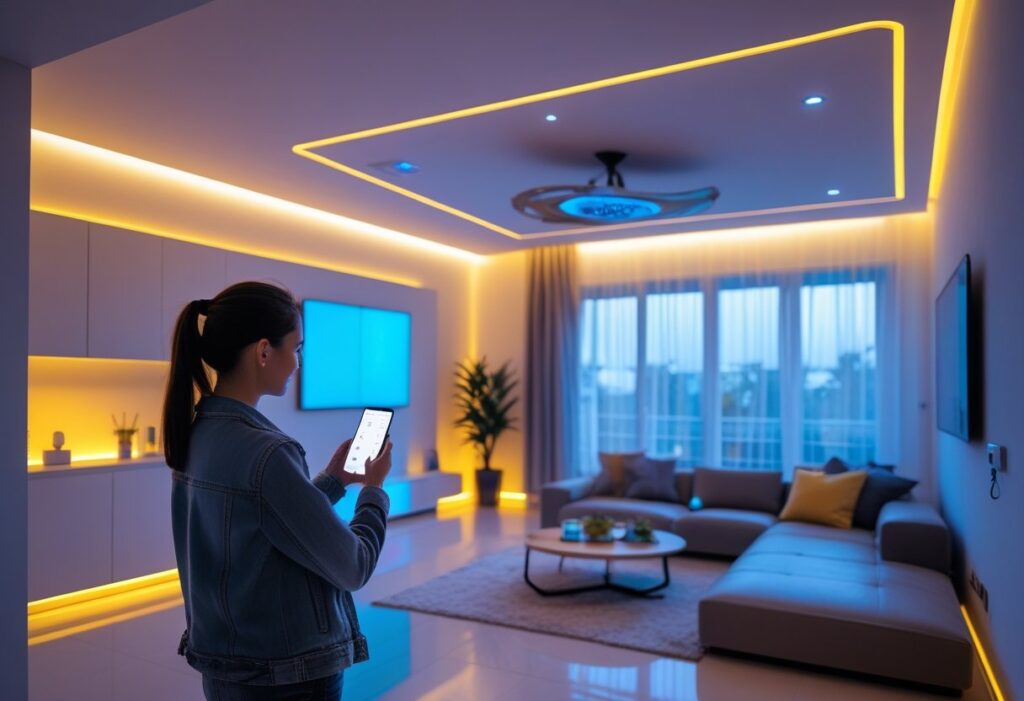
Upgrading to smart lighting is honestly one of the simplest ways to make your home or business more energy-efficient. Smart lighting systems use sensors and automation to cut energy waste—lights turn off when rooms are empty, and brightness can tweak itself based on natural light. You end up saving on electricity and still enjoy a well-lit, comfy space.
Smart lighting gives you more control and makes life easier. You can schedule lights, dim them from your phone, or set up routines that fit your day-to-day. Our team at Magnify Electric installs these systems for homes and businesses, always aiming for what works for your needs and your wallet.
With Magnify Electric, you get licensed electricians who handle everything—whether it’s swapping out a few bulbs or a big system upgrade. We focus on solutions that cut energy use and lower your bills, all without making you give up comfort or style.
Understanding Smart Lighting
Smart lighting puts you in the driver’s seat. It helps you save energy and adds a layer of convenience you might not realize you needed. Unlike regular lighting, it’s all about using tech to adjust brightness, color, and timing—however you want. Once you get how it works, it’s easier to decide if it’s right for your home or business.
What Is Smart Lighting?
Smart lighting uses connected devices—bulbs, switches, sensors—that you control remotely. You can turn lights on or off, dim them, or even change colors using an app or your voice. Many systems include timers and sensors that automate lighting based on your presence or how much sunlight’s coming in.
This setup can boost security too, with lights that pop on when motion’s detected. And energy savings? Big time. Lights only run when you actually need them. Managing your lighting becomes way simpler, and you’ll likely notice your electric bills going down.
Core Features of Smart Lighting Systems
Most smart lighting systems come with:
- Remote control: Manage lights from anywhere with your phone or voice.
- Scheduling: Set lights to turn on or off at certain times.
- Dimming and color change: Adjust brightness or color for any mood or task.
- Motion sensors: Lights come on only when someone’s there.
- Energy monitoring: See how much power your lights are using.
With these tools, you can build a lighting plan that actually fits your routine. Less wasted power, more comfort. If you want help picking and installing a system, our licensed electricians at Magnify Electric have got you.
Differences Between Smart and Traditional Lighting
Traditional lighting is pretty basic—just switches and bulbs you turn on or off by hand. Smart lighting brings tech into the mix, connecting lights to apps, sensors, or voice control for way more flexibility.
Old-school lights often get left on too long, wasting energy. Smart lights can adjust automatically based on your presence or the time of day. That means you use less energy and your space is safer, especially with outdoor motion-activated lights.
Upgrading usually doesn’t mean tearing out walls either. Swapping bulbs or adding compatible switches is often enough. For homes and businesses, smart systems offer better control and energy savings than the old ways. If you’re ready to switch, Magnify Electric can walk you through it.
Benefits of Smart Lighting Upgrades for Energy Efficiency
Switching to smart lighting helps you save energy, spend less, and do your part for the environment. These systems use tech to control exactly when and how your lights are on, making your home or business a little smarter—and a lot more efficient.
Energy Consumption Reduction
Smart lighting uses sensors and timers to run lights only when you need them. Lights turn off or dim when rooms are empty. Pairing LED bulbs with smart controls boosts savings, since LEDs already use less energy.
You can set schedules or control lights from your phone, so you don’t leave them on by accident. For businesses, this means tighter control over lighting across big spaces, which really cuts down on electricity use.
Lower Utility Bills
Cutting energy waste means your electric bill drops. You pay less, yet don’t lose comfort or convenience.
Smart systems adjust lighting based on how much natural light’s in the room—dimming during the day, brightening at night as needed. This automatic shift helps avoid wasting energy, and the savings add up.
With Magnify Electric, licensed electricians make sure your system is set up to save you money and still light your space just right.
Environmental Impact
Using less energy with smart lighting shrinks your carbon footprint. Energy-efficient LEDs plus smart controls mean less pollution from power plants.
It’s a low-effort way to help the environment—you don’t have to change your habits much at all. Just a smarter system that protects resources and keeps the air cleaner.
When you work with Magnify Electric, we help you pick a system that fits your space and your eco-friendly goals.
Popular Smart Lighting Technologies
Smart lighting puts you in charge of energy use, comfort, and even security. You can tweak brightness, color, and schedules, all while lowering your electricity bill.
LED Smart Bulbs
LED smart bulbs use way less energy than traditional ones and last much longer. Fewer replacements, lower bills. You control them with an app or your voice.
You can change colors and brightness for any mood or task—no extra energy needed. Many bulbs let you set timers and scenes, so they turn off automatically when you’re not around.
If you want a simple way to save energy, LED smart bulbs are a great start. At Magnify Electric, we’ll help you pick and install the best ones for your place.
Adaptive Lighting Controls
Adaptive lighting controls adjust brightness and color based on time of day or what’s happening in the room. They save energy by turning lights down or off when nobody’s around.
You can program them to react to daylight, so you’re not wasting electricity. Some sensors notice movement and adjust lighting right away.
With adaptive controls, you get comfort and savings—no extra effort needed. Our team at Magnify Electric can set these smart systems up and tune them to your space.
Smart Switches and Dimmers
Smart switches and dimmers swap out your old wall controls for more options. You can turn lights on or off or dim them from your phone or with your voice.
They fit into your current wiring and help you use only as much light as you really need. Dimming also helps bulbs last longer.
These devices work with schedules and automation, making it easy to cut back on wasted light. For pro installation and the best results, trust Magnify Electric’s electricians to handle your upgrade.
Planning Your Smart Lighting Upgrade
Moving to smart lighting takes a bit of planning. You’ll want to look at what you already have, what you hope to achieve, and which devices will actually work in your home or business. It’s worth a little extra time to get it right.
Assessing Current Lighting Systems
Start by checking out your lighting setup. What kinds of bulbs do you use—incandescent, fluorescent, LED? How many fixtures are there, and where are they?
Think about your energy habits. Are lights left on in empty rooms? Do some spaces need brighter or softer light? These details point you toward the best smart lighting options for saving energy.
Also, check if your wiring and switches support smart upgrades. Older setups sometimes need minor tweaks to work with smart devices. Not sure? Magnify Electric’s licensed electricians can inspect your system and point you in the right direction.
Setting Energy Efficiency Goals
Figure out what you want from your upgrade. Lower bills? Less environmental impact? Better lighting control?
Set goals you can actually measure, like cutting lighting energy by 30% or making sure lights turn off after 10 minutes of no motion. Maybe you want different zones in your building with their own lighting needs.
Clear goals help you pick the right features—dimmers, motion sensors, scheduling—and focus your budget where it’ll matter most.
Choosing Compatible Devices
Not every smart lighting product works with every setup, so choose carefully.
Check if devices work with your Wi-Fi, smart hubs, or assistants like Alexa or Google. Look for bulbs and switches with features you’ll actually use—color changing, dimming, occupancy sensors.
Prioritize energy-efficient, durable options. LEDs with smart controls are a solid bet: they use less power and last ages.
Magnify Electric can help you choose products that fit your needs and budget, and we’ll make sure installation goes smoothly.
Installation and Setup Tips
Getting smart lighting right isn’t just about swapping bulbs. You need to think about installation, device connections, and where to put your lights for the best effect. These steps help you get the most out of your upgrade.
DIY vs. Professional Installation
If you’re handy and know your way around basic electrical stuff, you can try installing smart lights yourself. Always cut the power before working on wiring. Follow the instructions and double-check your work.
But if you’re not sure, or your setup’s complicated, it’s safer to call professionals. Magnify Electric’s licensed electricians handle everything from simple switch swaps to full smart lighting installs.
Bringing in the pros means less risk of wiring mistakes or system hiccups. We make sure everything works—remote control, energy monitoring, the whole deal—so you don’t have to stress.
Integrating with Smart Home Platforms
Most smart lighting systems work with Alexa, Google Home, or Apple HomeKit. Before you start, check if your wiring and devices are compatible.
Setup usually means connecting your lights to Wi-Fi and using an app for control. Take a look at the app’s features—scheduling, dimming, etc.—so you can use your system efficiently.
If compatibility gets confusing, Magnify Electric can help you pick the right gear and get it all working together. No headaches, just a smooth smart home setup.
Ensuring Optimal Placement
Where you put your smart lights really matters. Motion sensors work best in busy spots like hallways or entryways—lights come on only when needed, saving power.
Don’t put sensors near heat sources or drafty windows—false triggers are a pain. Use adjustable LED bulbs to match the size and purpose of each room.
A good lighting plan balances function and style. Well-placed lights mean you need fewer overall, and you’ll feel more comfortable without wasting energy. If you want, our electricians can help design and install your setup so everything feels just right.
Maximizing Energy Savings With Smart Lighting
Smart lighting helps you cut energy use by adjusting light to your schedule, room use, and natural sunlight. Automated controls and sensors make sure lights are on only when needed. You save money and energy without even thinking about it.
Automated Schedules and Timers
Set your lights to turn on and off at specific times. Maybe they go off during the day or late at night when nobody’s around. That way, you don’t have to remember to flip the switch.
Schedules let you control energy use whether you’re home or not. With timers, you can set different routines for weekdays and weekends, matching your habits.
These features bring steady savings with almost zero effort. Magnify Electric’s electricians can help you set up schedules that fit your life or business hours.
Motion and Occupancy Sensors
Sensors notice when someone enters or leaves and turn lights on or off automatically. Perfect for spots like hallways, bathrooms, or conference rooms—places where lights get left on by mistake.
You don’t have to worry about wasted electricity. Plus, sensors make spaces safer by lighting up as soon as you walk in.
These systems can save up to 30% on lighting costs. Magnify Electric can install and fine-tune sensors so they work just right—no annoying false alarms.
Using Daylight Harvesting
Daylight harvesting uses sensors to check how much sunlight’s in a room. The smart lighting system then adjusts brightness to keep things comfortable without burning extra electricity.
Lights dim or turn off when sunlight fills the space, so you save on your bills. You also avoid rooms that are too bright or too dark.
Daylight harvesting works best in places with big windows or skylights. If you’re interested, our electricians can check your space and install the right setup for you.
Common Challenges and How to Overcome Them
Upgrading to smart lighting promises energy savings, but let’s be honest—it’s not always a walk in the park. You might run into headaches with device compatibility, spotty connections, or just getting everyone on board with the new controls. If you know what to expect, you’ll have a much easier time getting the most from your smart lighting.
Compatibility Issues
A common problem is getting your new smart lights to play nice with what you already have. Brands use their own standards and apps, so sometimes things just don’t connect the way you hope.
Before you buy anything, double-check that your smart bulbs or switches will work with your home’s voice assistants or other smart devices. Look for products that use familiar systems like Zigbee, Z-Wave, or Wi-Fi.
If your home has older wiring or fixtures, you might hit a snag. Sometimes, you’ll need adapters or a professional assessment to keep things safe.
Honestly, it’s often worth calling in licensed electricians, like the folks at Magnify Electric. They can make sure your system fits right and works with your other devices from the start.
Connectivity Troubleshooting
Smart lighting lives and dies by your network. If your Wi-Fi is weak, lights might lag or ignore your commands entirely.
Try moving your router closer to the lights, or add Wi-Fi extenders if you’ve got a big place. Double-check your network password and app settings—tiny mistakes can cause big headaches.
If your lights keep acting up, a quick reset of the bulb or hub and reconnecting can clear things up. And don’t skip those firmware updates—they usually squash bugs and boost performance.
For commercial setups, wired connections or mesh networks often work better than Wi-Fi alone. Magnify Electric’s team can help you figure out what’s best for your building.
User Training and Adoption
Let’s face it—smart lighting can be confusing, especially if you’ve never fiddled with an app or voice control before. People might just avoid the new system if they’re not sure how to use it.
Keep things simple. Hand out quick guides or do a short demo for anyone who’ll use the lights. Show off how to adjust brightness, colors, schedules, and energy-saving modes.
Use the controls that feel most natural—wall switches, voice, or apps. Having options makes everyone a bit happier.
If you get stuck, just call Magnify Electric. Their electricians can walk you through the features and get you comfortable with the upgrade.
Maintaining and Updating Smart Lighting Systems
To keep your smart lighting humming along and saving energy, you’ll need to stay on top of software updates and check system performance now and then. These habits help you dodge glitches and keep your lights working for you, not against you.
Regular Software Updates
Smart lights run on software that needs updates to stay secure and add new features. If you skip updates, your system can slow down or stop working with other devices.
Most of the time, you update through an app on your phone or tablet. Try to check for updates at least once a month. Some systems can handle updates automatically—just turn that on if you can. Magnify Electric can help set this up if you’d rather not mess with it.
Make sure your Wi-Fi is solid during updates to avoid issues. If something gets weird after an update, a quick restart usually sorts it out.
Monitoring System Performance
Keep an eye on your smart lighting’s energy use and how well it’s working. Most smart systems offer energy reports in their apps. Glance through those to spot any strange spikes or dips in power use.
Watch for lights that stay on too long or don’t respond when you want. If things seem off, have a licensed electrician from Magnify Electric take a look.
Adjust settings based on what you see—change schedules or dimming to squeeze out more savings. Checking in regularly helps your system stay sharp and efficient.
Future Trends in Smart Lighting for Energy Efficiency
Smart lighting’s moving fast—almost too fast to keep up. Soon, your home or office might have lights that learn what you like and adjust brightness and color to save energy, all while keeping things comfy.
Systems are starting to connect seamlessly with other smart gadgets. Imagine your lights syncing up with your thermostat, security system, or smart speakers. Control gets easier, and everything just works together.
LEDs are getting even better. They already save a ton, but future models will last longer and sip even less power.
Control options keep expanding. Use an app, shout a voice command, or set up routines that change based on your day. It’s all about making things easier—and cutting down on wasted energy when nobody’s around.
Magnify Electric’s licensed electricians are watching these trends closely. They can help you upgrade your lighting to something smarter and more efficient. Whether you want a simple fixture swap or a total overhaul, they’ve got you covered.
What’s coming with smart lighting? Expect things like:
- Automated dimming and color shifts
- Deeper integration with other home tech
- Better energy tracking and management
- Support for whatever tech comes next
If you want lighting that adapts to your life and saves you money, Magnify Electric’s ready to help. You’ll get expert advice and solutions that actually fit your space.
Frequently Asked Questions
Smart lighting upgrades can cut your energy bills, give you more control, and help your bulbs last longer. Choosing efficient bulbs and smart systems that adapt to your habits is a smart way to save. A little planning and the right tech go a long way.
What are the cost benefits of upgrading to smart lighting?
Smart lighting cuts power use by letting you run lights only when you need them. The bulbs last longer than regular ones, so you’re not replacing them as often. Over time, you’ll see lower electric bills and buy fewer bulbs.
How does ENERGY STAR certification affect lighting efficiency?
ENERGY STAR-certified lights use less power than standard bulbs but still shine just as bright. These bulbs meet strict rules for efficiency and quality. Pick them if you want to lower your energy use without sacrificing light.
What are the best practices for using LED lighting to save energy?
Choose LED bulbs that match each room’s needs. Turn off lights when you leave, or install motion sensors to do it for you. Dimming LEDs saves even more electricity and helps the bulbs last.
Can you provide a checklist for implementing an energy-efficient lighting plan?
- Check what types of bulbs you’re using
- Swap in ENERGY STAR or smart LED bulbs
- Add dimmers or motion sensors if you can
- Use smart controls to automate your lights
- Talk to a licensed electrician to make sure your setup’s safe
How does smart lighting fit into an overall energy-efficient smart home strategy?
Smart lighting works with your other devices—thermostats, security, you name it—to help you save energy. You can manage lights from your phone or with your voice, making it easier to avoid waste. A solid electrical setup is the backbone for all these connected gadgets.
What are some high-efficiency lighting solutions to consider for my home or office?
Try swapping in LED bulbs with smart controls—they let you dim the lights or set schedules, which is honestly pretty handy. Motion-activated lights are great for hallways or places you barely use, so you’re not burning electricity for no reason. Mixing up your lighting—think task lights for your desk and softer ambient lights elsewhere—means you only light up what you actually need.
If you’re thinking about any lighting upgrades or electrical work, maybe give Magnify Electric a shout. Their licensed electricians get what works for your place, whether it’s home or business. They’ll help make things more energy efficient and, yeah, safer too.