
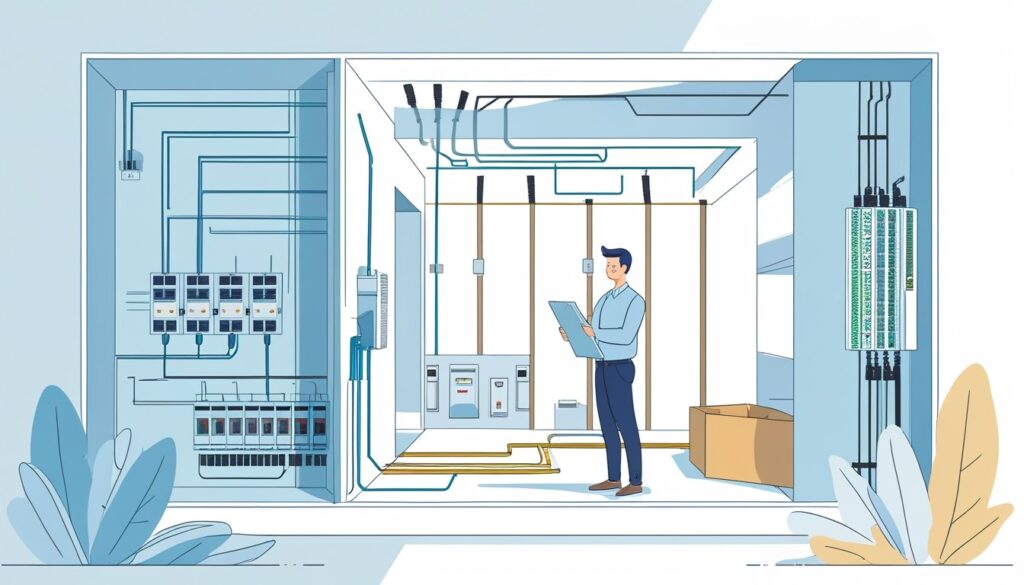
Planning the electrical work for your home renovation is key to making sure everything runs smoothly and safely. Start by figuring out your power needs and how your renovation will impact your current system. That’s how you avoid surprises and keep the project moving forward.
Look at the layout of your new rooms and any appliances or fixtures that might need extra juice. It’s smart to know how much wiring, outlets, and switches you’ll need before anyone swings a hammer. If your home’s older, regular inspections and updates are probably a good idea too.
At Magnify Electric, our licensed electricians are ready to help you at every step. Whether you’re just swapping out some lights or need a full overhaul, we handle residential and commercial electrical work with care. We want your renovation to be safer and easier—no headaches.
Understanding Your Home’s Electrical Needs
When you plan your home’s electrical, you’ve gotta look at what you have and what you’ll need. That means checking your current setup, figuring out how much power you use, knowing which circuits you can’t live without, and considering any upgrades you might want down the road.
Evaluating Current Electrical Capacity
Start by popping open your electrical panel and taking a look at the wiring. Check the size of your breaker box and see if the wires look worn or outdated. If you’re in an older home, your panel might not keep up with all the gadgets and appliances we use now.
Don’t ignore overloaded breakers. They trip for a reason—and sometimes it’s not a good one. If your panel is undersized, upgrading it is the safe call.
A licensed electrician from Magnify Electric can inspect your setup and let you know if your panel and wiring are up to snuff. Better to find out now than halfway through your reno.
Determining Power Requirements
Jot down everything that’ll need electricity—appliances, lighting, heating, cooling. Add up the wattage for what you’ll run at the same time.
Don’t forget about future additions, like electric vehicle chargers or smart gadgets. These all add to your total load.
When you know your numbers, you can size your panel and wiring right. It’s the best way to avoid blown breakers and annoying outages mid-renovation.
Identifying Essential Circuits
List out circuits you absolutely need—kitchen, bathrooms, heating, main lights. Some appliances, like ovens or dryers, are power hogs and deserve their own circuits. This keeps things running safely and cuts down on overloads.
Labeling these circuits makes life easier for your electrician and for you if you ever need to troubleshoot.
Considering Future Expansion
Got plans for a workshop, home office, or extra room later? Think ahead when you’re renovating.
If you add junction boxes and extra conduits now, you’ll save yourself a massive headache if you ever want to expand. It’s a little extra work up front, but it pays off when you upgrade or add tech later.
Creating an Electrical Plan
A solid electrical plan keeps you organized and helps your renovation meet your needs. You’ll figure out where outlets, switches, and lights go, and how each room will function. A little attention to detail here saves you a ton of hassle down the line.
Developing a Room-by-Room Strategy
Go room by room and think about how you’ll use each space. Kitchens need outlets for mixers and microwaves. Living rooms? Probably more plugs for TVs and game consoles. Don’t forget special spaces, like home offices or smart home setups.
Plan for the future, too. Extra outlets in bedrooms or garages can be a lifesaver. Sketch out where everything will go—you’ll thank yourself later.
Planning for Outlets and Switches
You want enough outlets so you’re not stringing extension cords everywhere (they’re a pain and a fire risk). Codes usually say every 6 to 12 feet along walls, but use your judgment. Put outlets where you actually use stuff—like next to your bed or desk.
Switches matter, too. It’s just common sense to have one at each end of the stairs or by doorways. If you like gadgets, consider smart switches or dimmers for more control.
Lighting Design Considerations
Good lighting makes a space. Try mixing it up: ambient lights for the whole room, task lights for work areas, and accent lights to show off features. Kitchens might need bright task lighting over counters and softer overheads elsewhere.
Don’t ignore natural light, either. Place fixtures to avoid weird shadows. Energy-efficient bulbs save money and are better for the planet. Our electricians at Magnify Electric can help you design and install lighting that actually fits your space.
Working With Professionals
Electrical work isn’t a DIY moment for most folks. You want pros who know the rules and best practices. You’ll need to find the right electrician, coordinate with other contractors, and make sure all your permits and codes are squared away.
Hiring a Licensed Electrician
A licensed electrician keeps your home safe and your project legal. They’ve got the training to handle wiring, outlets, and fixtures the right way.
Look for insurance, good reviews, and experience with renovations like yours. A solid electrician does the job right and helps you dodge headaches down the road.
At Magnify Electric, our licensed crew is ready for anything from swapping lights to full electrical upgrades.
Coordinating With Other Contractors
Your electrician has to work with plumbers, builders, designers—you name it. If everyone’s not on the same page, mistakes and delays happen. For example, if walls need opening, timing is everything.
Regular check-ins help. Share your electrical plans early so other contractors know what’s up. Teamwork here keeps your project humming along.
Reviewing Permits and Codes
Your electrical work needs to follow local codes—no way around it. Permits are usually a must for wiring changes or panel upgrades. You or your electrician will apply for these permits before starting.
Make sure your electrician knows the latest codes and lines up inspections when needed. Skipping permits or ignoring codes can cost you big, or force you to redo work.
Magnify Electric handles permits and code compliance every time. Keeps your project safe, legal, and on track.
Selecting Materials and Components
Picking the right materials for your electrical system matters for safety and efficiency. Focus on the panel, wiring types, and circuit breakers. Each one plays a different role in how power flows and gets controlled.
Choosing Electrical Panels
Your electrical panel is the hub. It sends power all over your house and protects you from overloads.
Pick a panel that fits your needs now and in the future. If you’re adding appliances or outlets, get a panel with room to grow. Go for quality and make sure it meets code.
Magnify Electric can help you pick the right panel for your home’s size and energy use. Our electricians install it right, so your home stays safe and your power stays steady.
Deciding on Wiring Types
Wiring ties your whole system together. The type and size matter for safety and performance.
Copper wiring is the usual choice—tough and conducts well. Sometimes aluminum gets used, but it needs special connectors to stay safe.
Wire gauge is important, too. Bigger wires handle more current (think big appliances), smaller wires are fine for lights and low-power stuff.
Magnify Electric can help you pick the right wiring for your layout and needs.
Selecting Circuit Breakers
Circuit breakers stop overloads and shorts from turning into disasters. When things go wrong, the breaker trips and cuts the power—simple as that.
Get breakers that match your panel and wiring. There are different kinds, like standard and GFCI (for areas near water).
Make sure your breakers are rated for your power load. That way, you avoid annoying trips and keep things safe.
Magnify Electric makes sure you get the right breakers and installs them properly for a safer, more reliable home.
Integrating Smart Home Features
While you’re updating your electrical, why not get ready for smart tech? It adds convenience, security, and can save you money. Planning now saves you from messy retrofits later.
Pre-Wiring for Automation
Before the drywall goes up, run extra wiring for smart gear. Low-voltage cables to key spots let you control lights, thermostats, speakers—you name it. Don’t forget Ethernet or data cables for your router and hubs.
Put outlets and switches where you’ll actually use them. Maybe dimmers or smart plugs in living rooms and bedrooms. Label everything so you don’t lose track of your smart home system.
Magnify Electric can guide you through wiring options for anything from basic setups to full-on smart systems.
Planning for Security Systems
Smart security needs more than just cameras. Plan for door and window sensors, motion detectors, and alarm panels. These might need dedicated wiring or strong Wi-Fi.
Hide sensors where they work but don’t stick out. Backup power is a must in case the lights go out.
Make sure your security system can talk to your lights and smart locks. That way, you can automate lights when there’s motion or lock up remotely for peace of mind.
Incorporating Energy-Efficient Solutions
Energy-saving tech cuts your bills and helps the planet. Smart lighting is a big one—install bulbs or switches you can schedule or dim. Motion sensors in places like hallways turn lights off when you’re not there.
Smart thermostats and plugs let you control when things run, so you don’t waste power. Some breakers even track energy use and warn you about problems.
Magnify Electric can put these systems in and make sure they work with your new electrical setup. More comfort, more savings.
Ensuring Safety and Code Compliance
When you’re planning electrical work, safety and following the rules are non-negotiable. You need to know the standards, protect your system from electrical faults, and get inspections on time. It’s the best way to keep your home safe and avoid expensive fixes.
Understanding Local Electrical Codes
Local codes spell out how wiring and electrical stuff must be installed. They’re there to prevent hazards like fires and shocks. Check the National Electrical Code (NEC) and any local rules before you start.
Hire licensed electricians who know these codes and stick to them. If you skip this, you risk fines or having to redo work.
Before you get going, review the requirements for circuit breakers, wire sizes, and outlet placement. It’ll help you plan materials and spot any special permits you need.
Implementing Grounding and Surge Protection
Grounding keeps your home safe. It channels excess electrical current into the earth if something goes wrong, helping to prevent shocks and fires. Every circuit, panel, and outlet needs proper grounding.
Surge protection shields your electronics and appliances from voltage spikes—those can happen during storms or when something in the system malfunctions. Whole-home surge protectors can make a big difference in reducing costly damage.
Have your electrician double-check grounding connections and put surge protection where it matters most. These steps go a long way toward keeping your home’s electrical system steady and safe.
Scheduling Inspections
Bringing in a licensed electrician for inspections is a must during and after renovation. They’ll make sure your electrical work follows safety codes and runs as it should.
Try to schedule inspections at important stages—like after wiring is finished but before the walls get closed up. Catching problems early is always easier (and cheaper) than fixing them later.
At Magnify Electric, we handle thorough inspections to keep your home’s electrical system in top shape. If you’re unsure about when inspections are needed or how to prep, we’ll walk you through it.
Budgeting and Managing Costs
Setting a budget for electrical work means getting real about what you need and what you can spend. You’ll want to calculate expenses and look for ways to cut costs without sacrificing safety or quality.
Estimating Electrical Expenses
Write down every bit of electrical work you’ll need—new wiring, outlets, lighting, panel upgrades, you name it. Local labor rates can swing a lot, so check around. More complicated jobs, like upgrading your electrical panel or rewiring, will run higher than adding a few outlets.
Permits and inspections add to the bill, and you’ll need materials like wire, breakers, and switches. Getting a few quotes from electricians gives you a clearer picture.
A simple table helps keep things straight:
| Item | Estimated Cost |
|---|---|
| Wiring and Outlets | $X – $Y |
| Lighting Fixtures | $X – $Y |
| Panel Upgrade | $X – $Y |
| Permits & Inspection | $X – $Y |
Choosing Cost-Effective Solutions
Look for options that balance price and performance. LED lighting is a smart pick—it uses less energy and lasts way longer than old-school bulbs, so you save in the long run.
If you’re adding outlets, map out locations ahead of time to avoid extra wiring. Tackling several electrical needs in the same area can cut down on labor, too.
At Magnify Electric, we work with you to find practical solutions that fit your budget and keep everything safe. Whether you need a small lighting upgrade or a full rewiring, we help you steer clear of extra costs by getting it right the first time. We’re upfront with estimates and keep the communication open as the project moves along.
Preparing for Installation
Before you dive into electrical work, map out the timing and figure out your power needs. Staying organized about what’s happening when—and how you’ll deal with power outages—keeps the renovation on track and safe.
Creating a Project Timeline
Set dates for each piece of the electrical work. Note when wiring, outlets, and fixtures will go in. This keeps everyone—contractors, electricians, you—on the same page and helps avoid holdups.
Estimate how long each part will take. Wiring a room might just need a day, but installing a new panel could drag on for several. Leave some wiggle room for inspections or surprises.
A table or calendar with milestones helps:
| Task | Start Date | End Date | Notes |
|---|---|---|---|
| Rough Wiring | Aug 15 | Aug 17 | Inspection on Aug 18 |
| Outlet & Switch Install | Aug 19 | Aug 21 | |
| Final Fixture Setup | Aug 22 | Aug 23 | Ensure circuit testing |
This way, everyone knows what’s next, and the project stays on track.
Setting Up Temporary Power Solutions
Renovations often mean shutting off your usual power for safety. Set up temporary power so you’re not left in the dark—especially if you’re living in the house during the work.
Use a generator or a temporary electrical panel, but have a licensed electrician handle the setup to make sure it’s safe and up to code.
Label temporary circuits clearly. It’s easy to get mixed up otherwise, and that can be risky. Keep extension cords and covers tidy to avoid tripping or electrical hazards.
Magnify Electric can help you sort out temporary power. We know how to keep your place safe and running through every step of your renovation. No need to lose power for your tools, lights, or appliances while the job’s underway.
Final Steps and Post-Renovation Checks
Once the electrical work wraps up, double-check that everything’s safe and works as it should. Run tests on all circuits and devices, and keep a solid record of any changes. This helps you dodge future headaches and keeps your electrical system humming along.
Testing All Circuits and Devices
Flip on each circuit breaker one by one. Test every outlet, switch, and light fixture on those circuits. Watch out for flickering lights, dead outlets, or tripped breakers.
Use a circuit tester or voltage tester to confirm outlets have power and are grounded right. For GFCI outlets, hit the “test” button to make sure they cut off power safely. Don’t forget smoke detectors and other safety devices.
If you spot any issues, fix them right away. Ignoring little problems just invites bigger ones down the road. Our electricians at Magnify Electric can help you test your system and sort out any trouble, so you don’t have to worry.
Documenting Changes and Updates
Label your electrical panel after the work’s done. Write down which breaker controls what. You’ll thank yourself next time you need to shut off power for a repair.
Keep permits, inspection reports, and receipts somewhere handy. Good records help if you ever need an electrician to troubleshoot or make upgrades later.
Magnify Electric always labels updated panels clearly and gives you a detailed report of the work. That way, your home or business stays safe and meets local codes.
Frequently Asked Questions
Planning electrical work for a renovation takes some real thought about layout, safety, and how you’ll actually use the space. You’ll also want to figure out the right number of outlets and switches and maybe consider energy-efficient options. Working with a pro electrician helps you avoid headaches and keeps you on the right side of the code.
What are the key factors to consider when designing the electrical layout for a home renovation?
Picture how you’ll use each room and what’ll need power. Plan for enough outlets so you’re not stuck with extension cords everywhere. Think ahead—maybe you’ll want smart home gadgets or more lighting down the line.
Make sure your system can handle everything running at once. Sometimes that means a panel upgrade, sometimes not.
Can you provide tips for ensuring electrical safety during a home remodeling project?
Always shut off power before working on anything electrical. Use the right tools and materials—don’t skimp. Unless you’re experienced, steer clear of DIY on big electrical jobs.
Bringing in licensed electricians, like our crew at Magnify Electric, means the work’s done safely and up to code. We spot hazards and fix them before they turn into real problems.
How do you determine the appropriate number of outlets and switches for each room?
Count up the devices you’ll use in each space. Kitchens and home offices usually need more outlets than bedrooms. Local codes often call for outlets every 6 to 12 feet along the walls.
Think about convenience, too. Put switches near doorways and outlets where you’ll actually need them—lamps, TVs, chargers, all that.
What’s the best way to work with an electrician to plan the electrical needs of a renovation?
Share your plans and any special requests, like charging stations or security systems. Ask for input on the layout and code stuff.
A solid electrician listens, offers advice, and explains your options. At Magnify Electric, we aim for clear, honest communication so the whole process feels easy.
When is it necessary to upgrade the home’s electrical panel during a renovation?
If your panel’s old, maxed out, or showing wear, it’s probably time for an upgrade. Adding lots of outlets or big appliances can overload an outdated panel.
Upgrading helps avoid overloads and fire risks. We can help you decide if you need a new panel based on your home’s setup.
How can I incorporate energy-efficient lighting into my home renovation plans?
Try swapping out old bulbs for LEDs—they use less energy and stick around way longer. I’d also look into dimmer switches or some kind of smart lighting setup so you can tweak the brightness and not waste electricity when you don’t need it.
And hey, don’t forget about natural light. Maybe you could add a window or even a skylight, just to let in more daylight and cut down on flipping the lights on all the time.