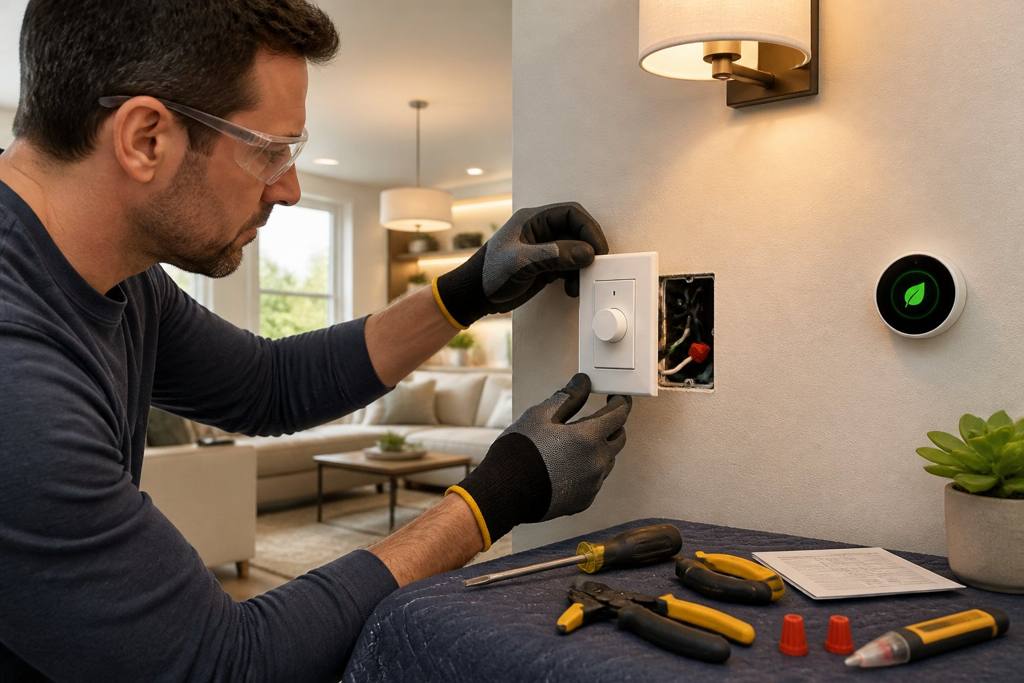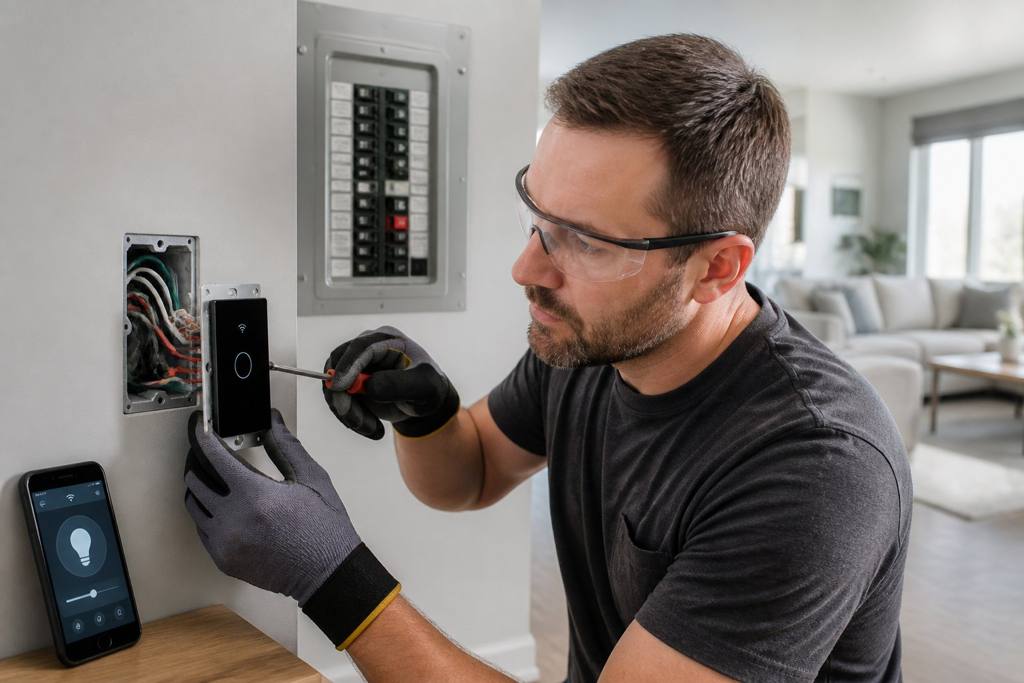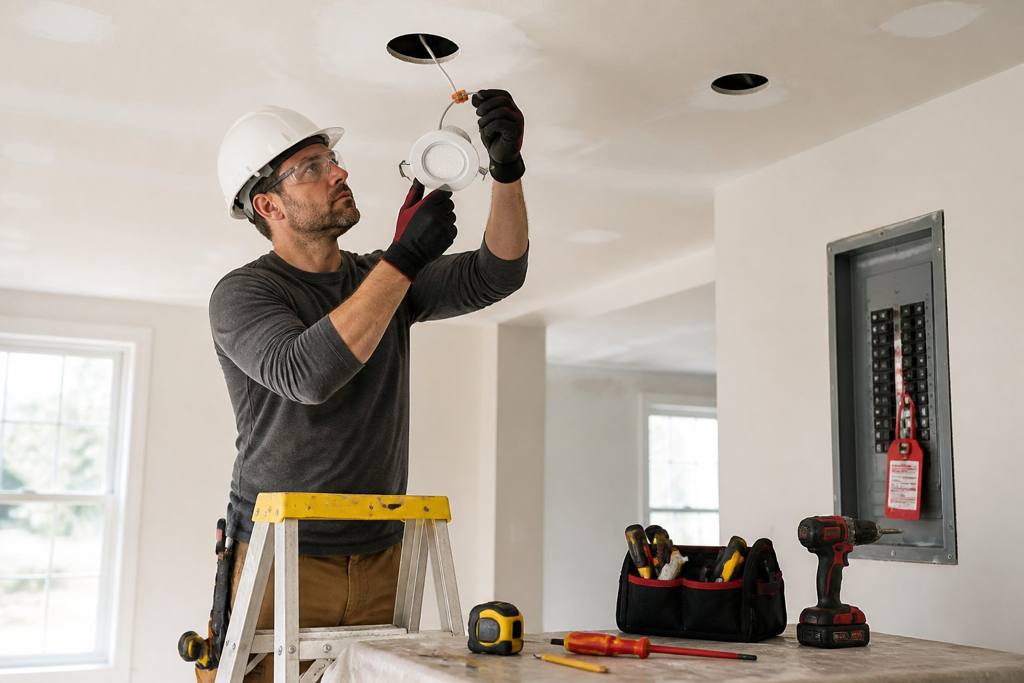
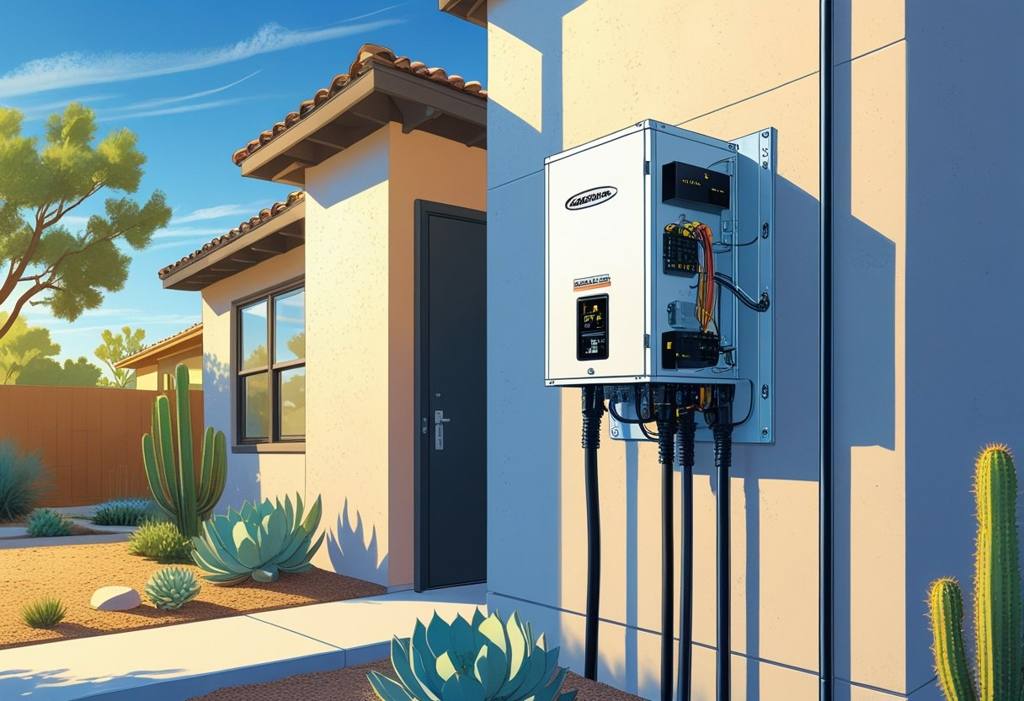
Looking to get a generator inlet installed at your Austin home so you’re not left in the dark during outages? A proper inlet hookup gives you a safe, code-compliant way to connect a portable or standby generator to your house, letting you keep essentials running without the headache (and danger) of extension cords. Here’s what you need to know—from picking the right inlet and prepping your site, to step-by-step installation and the quirks of doing this in Austin.
Magnify Electric’s licensed electricians handle everything from basic outlets to panel upgrades, EV chargers, smart-home wiring, outdoor lighting, surge protectors, and portable generator hookups. We work with homes and businesses throughout Spicewood, Bee Cave, Lakeway, Dripping Springs, Georgetown, Leander, Round Rock, Kyle, Cedar Park, Liberty Hill, Westlake, The Hills, Briarcliff, Horseshoe Bay, Sunset Valley, Hutto, and the wider Central Texas area. Here’s how to figure out what tools and permits you’ll need, what it’ll likely cost, safety tips, and when you should really call a pro to make sure your install is up to code and ready when you need it most.
Understanding Home Generator Inlet Installation in Austin
A generator inlet lets you hook up a portable or standby generator to your house safely. Done right, it protects your wiring, stops backfeed to the grid, and keeps you powered up when the lights go out.
What Is a Generator Inlet?
A generator inlet is basically a weatherproof box mounted outside your home, with a specific plug type (like a NEMA L14-30) that matches your generator cord. You plug your generator into this inlet, and it feeds power to a transfer switch or inlet-rated breaker inside your panel.
You want the inlet somewhere you can reach it easily during bad weather, and where the cord won’t trip anyone. These boxes come in metal or tough plastic, usually with a locking cover to keep rain and debris out. Make sure you’re using the right gauge cable and strain relief so things don’t get hot (literally).
Why Is Professional Installation Important?
Licensed electricians make sure the inlet, cord, transfer switch, and panel all match up for ampacity and code. They wire in a proper transfer switch or interlock kit so you don’t accidentally backfeed power—something that could hurt utility workers or fry equipment. They’ll also size the conductors, breakers, and inlet for your generator’s output and your home’s needs.
Magnify Electric’s licensed electricians handle everything from portable generator hookups to full electrical upgrades. We work on fixture swaps, EV chargers, smart home systems, surge protectors, and emergency repairs throughout Austin, Bee Cave, Lakeway, Dripping Springs, Georgetown, Round Rock, Cedar Park, and more.
Texas Electrical Codes for Generator Inlets
Texas uses the National Electrical Code (NEC), with some local tweaks in Austin and nearby cities. Main things to know: you need a transfer method to stop backfeed, proper grounding and bonding for the inlet and generator, and the right overcurrent protection sized for your generator and wires. Only use listed inlet boxes and connectors.
Austin and the surrounding areas will usually require permits and inspections for generator installs. Your electrician will handle permits, follow local rules for inlet placement and labeling, and set up inspections. It keeps things legal and helps avoid headaches during outages.
Choosing the Right Generator Inlet for Your Home
Pick an inlet that matches how much power you need, works with your outdoor spot, and meets code. Your choice affects safety, usability, and whether your must-have appliances actually run when the power’s out.
Types of Generator Inlet Boxes
You’ve got options: portable inlet boxes or hardwired, transfer-ready inlets. Portable boxes let you run a power cord from your generator to a weatherproof inlet on your house—great if you want flexibility or already have a portable generator.
Hardwired inlets connect to a transfer switch or interlock and make more sense for standby systems. These need an electrician to run conduit and wiring between the inlet, transfer switch, and panel. They’re faster and safer for switching over, and there’s less room for mistakes.
Look for locking or twist-lock styles that match your generator’s plug. Match the inlet’s configuration (like NEMA L14‑30) to your generator cord so you’re not scrambling with adapters when the lights go out.
Selecting the Correct Amperage
Choose an inlet rated for your generator and panel’s amperage. Common sizes are 30A and 50A for home backup. A 30A inlet (NEMA L14‑30) is usually enough for basics—fridge, lights, a few outlets.
A 50A inlet (NEMA L14‑50) handles bigger loads and whole-house standby units. If you’re thinking about running central AC or planning panel upgrades, go for 50A or higher. Always match the inlet to your generator’s output and the transfer switch rating.
Let a licensed electrician figure out your load demands, wire size, breaker protection, and transfer gear. Getting this wrong isn’t just risky—it can void insurance or break code.
Weatherproof and Safety Features
Outdoor inlets need to be weatherproof and rated for wet spots. Go for boxes with gasketed covers, corrosion-resistant materials, and UV-resistant finishes. These help keep moisture out and make the box last longer.
Look for models with locking covers or padlock tabs to stop tampering. Check for gasket seals around the cord and a snug cover to keep pests out. Ground fault protection and solid grounding connections are essential.
Make sure your inlet and wiring follow the National Electrical Code and Austin-area rules. Our licensed electricians at Magnify Electric install code-compliant inlets, handle conduit, panel ties, surge protection, and test everything. We cover Spicewood, Austin, Bee Cave, Lakeway, Dripping Springs, Georgetown, Leander, Round Rock, Kyle, Cedar Park, Liberty Hill, Westlake, The Hills, Briarcliff, Horseshoe Bay, Sunset Valley, Hutto, and nearby Central Texas spots. We handle everything from basic fixture swaps to full upgrades, smart home setups, EV charging, generator hookups, panel upgrades, and emergency service.
Preparing for Installation
You’ll need to figure out your power needs, check Austin’s permit rules, and pick the right spot for the inlet and conduit. Think about wiring routes, safety clearances, and where both the generator and transfer method will go.
Assessing Your Home’s Power Needs
Start by listing what you want to keep running during an outage: HVAC, fridge, sump pump, well pump, lights, a few outlets. Write down each item’s running and starting watts—motors (like AC and pumps) use a lot more at startup. Add it up to pick your generator size and the right inlet (NEMA L14-30, L14-50, or bigger).
Check your main panel’s amperage and any planned upgrades. For whole-house coverage, you’ll need a bigger generator and a transfer switch or automatic panel. If you just need essentials, a portable generator hookup with an interlock or manual transfer is simpler and cheaper.
Jot down your circuit priorities for your electrician. It speeds up planning and avoids surprises.
Permitting Requirements in Austin
Check with the City of Austin Development Services or their online portal for current electrical and mechanical permits. You’ll usually need a permit for any permanent inlet box, transfer switch, or buried fuel line. Inspections happen at rough-in and final stages.
If you’re in an HOA or special district (Spicewood, Bee Cave, Lakeway, etc.), double-check local covenants and extra rules. Fuel storage rules change between diesel, natural gas, and propane—confirm setbacks and tank permits.
Magnify Electric’s licensed electricians can handle permits and inspections for you. We serve Austin and Central Texas, taking care of the paperwork to keep you compliant.
Site Selection and Planning
Pick an outdoor spot close to your main panel to keep conduit runs short and avoid voltage drop. Mount the inlet box 3–5 feet above ground for easy access and to meet clearance rules. Place the generator so exhaust doesn’t blow into windows or vents, and where it won’t annoy the neighbors.
Plan conduit runs, trenching, and any needed panel upgrades. For automatic standby units, leave space for the ATS and make sure there’s enough ventilation and a solid pad. For portables, keep a clear path for a heavy-duty cord and a weatherproof inlet near the panel.
Our techs can help with layout, trenching advice, wiring, outlet install, panel upgrades, and final testing to make sure your hookup is safe and up to code.
Step-by-Step Generator Inlet Installation Process
Let’s break down mounting the inlet box, running and connecting wiring, and making sure grounding and safety are up to snuff. Here’s where to put the inlet, how to route wires, and which tests and protections matter.
Mounting the Inlet Box
Pick an exterior spot close to your main panel, within easy reach of your generator cord. Mount the box 3–5 feet above ground, away from doors and windows, and onto something solid—like siding backed by a stud or a plywood block. Use stainless screws and weatherproof silicone at the flange to keep water out.
For masonry, use exterior-rated anchors. Clearly label the inlet (“Generator Inlet — 30A 125/250V” or similar) and angle it down or add a drip shield to stop water. Leave at least 3 feet of clearance in front for plugging in safely.
Connecting Electrical Wiring
Turn off the main breaker before you do any wiring. Run properly sized cable from the inlet to the transfer switch or a dedicated breaker spot. For a typical 30A NEMA L14-30 inlet, use 10 AWG four-conductor cable (hot1, hot2, neutral, ground). Use conduit where code says, and secure cables with connectors at both ends.
Make tight, corrosion-resistant connections. Strip wires to the right length, torque lugs to spec, and use anti-oxidation compound on aluminum if needed. Install a transfer switch or interlock to prevent backfeed. After wiring, turn power back on and use a multimeter to check continuity and polarity before connecting the generator.
Ensuring Grounding and Safety
Bond the inlet’s ground to your home’s grounding electrode system. Make sure the grounding conductor is continuous and the right gauge—usually matching the inlet amperage. Some generators need a floating neutral, others a bonded one; follow the instructions and don’t guess.
Install a labeled surge protector or whole-home surge device at the panel, and GFCI protection where required. Test everything: look for visual issues, check continuity, resistance to ground, and make sure voltage is right on all wires. When you’re ready, schedule an inspection with your local authority. Use licensed electricians for final hookups—Magnify Electric’s team covers installation, testing, and code compliance across Central Texas, from Austin to Spicewood and beyond.
Essential Tools and Equipment
You’ll need the right tools and safety gear to install a generator inlet safely. Here’s a rundown of the hand tools, power tools, and protective equipment you really shouldn’t skip if you want a code-compliant job.
Must-Have Tools for Installation
- Multimeter — Grab a true RMS multimeter for checking voltage, continuity, and polarity on both the panel and inlet. You’ll use it before and after wiring.
- Lockable Circuit Tester — Make sure circuits are dead and confirm that the transfer switch actually isolates the grid from the generator.
- Drill/Driver with Bits — A cordless drill with metal and masonry bits works for mounting the inlet box to siding, stucco, or block.
- Hole Saw or Knockout Punch — Cut a clean entry for conduit or cable through the wall or panel enclosure.
- Conduit Bender and Fish Tape — Shape EMT or schedule 40 PVC conduit and pull THHN wires through walls and conduit runs.
- Torque Wrench — Tighten terminal lugs to the right spec to avoid loose connections and overheating.
- Wire Strippers and Crimpers — Use size-specific tools for 6–2 or 4–3 generator cable and proper lug crimps.
- Screwdrivers and Nut Drivers — Insulated sets help with panel work and inlet mounting.
- Label Maker and Wire Markers — Label circuits and conductors for inspection and future service.
- GFCI/Weatherproof Inlet Covers — Pick inlets rated for outdoor use and local weather.
You’ll also need materials like the right size conduit, THHN conductors, a NEMA-rated inlet (that matches your generator), mounting hardware, and silicone sealant for weatherproofing.
Personal Protective Gear
- Insulated Gloves and Sleeves — Use Class 0 or 00 insulated gloves near live parts; sleeves if you’re reaching into panels.
- Safety Glasses and Face Shield — Protect your eyes and face from metal shavings, sparks, or accidental arc flashes.
- Hearing Protection — Ear plugs or muffs help when using power tools in tight spaces.
- Flame-Resistant Clothing — Wear FR-rated shirts and pants when working on energized equipment.
- Hard Hat and Steel-Toe Boots — Required on many job sites for head and foot protection.
- Lockout/Tagout Kit — Always lock out the main breaker and tag circuits to avoid accidental re-energizing.
- Voltage Detector Pen — Keep this handy for a quick check before touching wires.
Magnify Electric’s licensed electricians bring these tools and safety practices to every job. We serve homes and businesses across Spicewood, Austin, Bee Cave, Lakeway, Dripping Springs, Georgetown, Leander, Round Rock, Kyle, Cedar Park, Liberty Hill, Westlake, The Hills, Briarcliff, Horseshoe Bay, Sunset Valley, Hutto, and nearby Central Texas communities. Our team handles everything from simple fixture swaps to full panel upgrades, EV charger installs, smart home systems, portable generator hookups, surge protectors, and emergency support—always aiming for expert, code-compliant service.
Common Installation Challenges in Austin Homes
You’ll run into wiring age, outdoor placement, and local code issues when adding a generator inlet. Planning well and hiring a licensed electrician cuts delays and safety headaches.
Older Home Electrical Systems
Homes built before 2000 usually have 100-amp panels or older wiring like cloth-insulated or aluminum conductors. These setups might not support a dedicated circuit for a generator inlet without a panel upgrade or rewiring. Expect an inspection to check panel capacity, available breakers, and whether a transfer switch or interlock is needed.
Grounding and bonding often fall short in older homes. That means you’ll need a proper grounding conductor and a solid grounding electrode system. Faulty neutrals or shared neutrals? Those can complicate things and must get fixed to meet code.
Licensed electricians document required upgrades and pull permits. Magnify Electric’s team handles panel upgrades, wiring, surge protectors, and troubleshooting so your inlet works safely.
Outdoor Installation Concerns
Picking the right spot for the inlet really matters. Place it near the generator but close enough to the main panel to avoid expensive conduit runs. Always mount inlets on a weatherproof surface and use a rain-tight power inlet box that matches your generator cable.
Permits and local code in Austin and nearby cities can require specific clearance, conduit, and GFCI or disconnects. Flood zones, steep yards, or enclosed patios might need extra protection or alternate placement. Plan cable routing, locking covers, and strain relief to prevent damage.
Want smart controls, outdoor lighting, EV charger wiring, or automated transfer? Make sure your electrician includes those. Magnify Electric covers Spicewood, Bee Cave, Lakeway, Dripping Springs, Georgetown, Leander, Round Rock, Kyle, Cedar Park, Liberty Hill, Westlake, The Hills, Briarcliff, Horseshoe Bay, Sunset Valley, Hutto, and greater Central Texas with licensed pros ready for both residential and commercial work.
Maintenance and Safety Tips After Installation
Keep the inlet clean, connections tight, and test the system regularly so your backup power is ready when you need it. Stick to a basic schedule for visual checks, fuel and oil care, and safe operating steps to avoid damage.
Routine Inspection Tasks
Look over the inlet housing for cracks, corrosion, or loose screws every month. If you spot water intrusion or damaged gaskets, swap them out right away to prevent shorts.
Inspect the generator cord and plug before each use. Watch for frayed insulation, bent prongs, or melted plastic. Replace damaged cords—don’t tape or splice them.
Run the generator under load for 20–30 minutes monthly. That keeps the engine lubricated and the battery charged. Use appliances that match the generator’s rated capacity while testing.
Change engine oil and filters as the manufacturer recommends—usually every 50–100 hours. Store fuel in approved containers and rotate it every 6–12 months to keep gas fresh.
Keep the area around the inlet and generator clear—no debris, plants, or storage. Leave at least 3 feet for airflow and 10 feet from combustibles.
Safe Generator Operation
Always shut off the main breaker before connecting or disconnecting a portable generator from the inlet. This prevents dangerous backfeed and protects utility workers.
Use a transfer switch or interlock device sized for your panel and generator. Never wire a generator directly to home circuits without one. Follow local code and the transfer switch manufacturer’s instructions.
Operate the generator outdoors in a well-ventilated spot to avoid carbon monoxide buildup. Don’t run it in garages, crawlspaces, or near open windows. Install a CO detector on every floor.
Refuel only when the generator is off and cool. Use a funnel to avoid spills and store fuel away from living spaces. Keep a fire extinguisher rated for electrical and fuel fires nearby.
Magnify Electric’s licensed electricians tackle installation, testing, and maintenance across Central Texas—Austin, Bee Cave, Lakeway, Dripping Springs, Georgetown, Leander, Round Rock, Kyle, Cedar Park, Liberty Hill, Westlake, The Hills, Briarcliff, Horseshoe Bay, Sunset Valley, Hutto, Spicewood, and nearby towns. We handle portable generator hookups, panel upgrades, smart home systems, EV chargers, outdoor lighting, surge protectors, and commercial electrical solutions. Call us for expert, licensed work and quick emergency help.
Hiring a Local Austin Electrician
You need a licensed electrician who knows Austin-area codes, can pull permits, and has experience with generator inlet hookups and whole-home systems. The right pro handles permits, panel work, transfer switches, and safe outdoor inlet installation.
How to Choose a Qualified Professional
Look for a licensed electrician with Texas state or local licenses and proof of insurance. Check license numbers and insurance with the Texas Department of Licensing and Regulation or your city’s building department before you schedule work.
Check local experience. Pick someone who has installed generator inlets, transfer switches, and worked on outdoor-rated wiring in neighborhoods like Bee Cave, Round Rock, and Dripping Springs. Ask for recent photos or references from similar jobs.
Confirm they follow code and pull permits. Proper permits and inspections protect you and ensure the inlet ties into the panel safely. Get a written estimate, timeline, and warranty for parts and labor.
Magnify Electric fits these points: our licensed electricians handle residential and commercial needs, from portable generator hookups to panel upgrades and EV chargers. We serve Austin, Spicewood, Lakeway, Cedar Park, Georgetown, and nearby Central Texas communities.
Questions to Ask Before Hiring
Ask if they’ll pull permits and schedule inspections. If yes, request the permit number so you can check it online. Don’t skip this step for generator hookups.
Ask about specific generator inlet experience. Request examples of outdoor inlet installs, transfer-switch wiring, and how they protect circuits during connection. Ask whether they use NEMA-rated inlets and weatherproof covers.
Confirm pricing details: get a written quote listing parts, labor, permit fees, and any panel work. Ask about extra costs if the panel needs an upgrade or if wiring needs rerouting.
Ask about warranties and emergency support. You want a clear parts and labor warranty and a phone number for after-hours issues. Ask how they handle code corrections if an inspector flags something.
Cost Factors and Budgeting
Expect costs to vary with generator size, your home’s electrical layout, permit needs, and whether you want automatic transfer or a manual inlet. Labor, materials, and local inspections all affect the final price.
Typical Installation Costs
A basic inlet hookup for a portable generator in Austin usually runs between $1,000 and $3,000 for labor and wiring if your main panel is accessible and no major changes are needed. Standby systems with automatic transfer switches, pads, and larger conduit often push total project costs into the $5,000–$15,000 range once you add the generator itself.
Permits and inspections usually add $100–$500, depending on city rules. Panel upgrades, long conduit runs, or extra subpanels raise labor and material bills. If you need a new dedicated circuit, whole-home surge protection, or an EV charger tie-in, expect extra charges. Ask for a written breakdown so you can see equipment, labor, permit, and inspection line items.
Potential Cost-Saving Tips
Save money by choosing a portable generator with a proper inlet instead of a full standby unit if you only need limited circuits. Bundle work—if you’re planning a panel upgrade, recessed lighting, or an EV outlet, do them together to cut down on labor costs. Scheduling during regular hours, not emergencies or weekends, can help too.
Get multiple quotes and ask for itemized bids to compare. Use licensed electricians to avoid code issues that cause expensive rework. Magnify Electric’s licensed team covers installs from basic inlets to full panel upgrades and smart-home integrations, so you can combine services safely. We serve Austin and Central Texas, offering expertise to match your budget and needs.
Environmental Considerations in Austin
Austin’s hot summers and sudden storms affect where you put a generator inlet. Choose a shaded, well-ventilated spot to reduce heat stress on the inlet and cord. Avoid areas that flood or collect runoff during heavy rain.
Local air-quality rules and HOA guidelines might limit run time or placement for portable generators. Only run the generator as allowed and keep the exhaust pointed away from windows and neighbors. Carbon monoxide safety matters—install detectors and follow exhaust-clearance rules.
Think about dust, pollen, and wind-blown debris when picking an inlet location. Weatherproof boxes and gaskets keep moisture and bugs out. Proper sealing helps prevent short circuits and corrosion.
Magnify Electric’s licensed electricians can help with permit needs and code compliance for homes and businesses. We handle everything from fixture swaps to panel upgrades, surge protectors, EV chargers, Lutron smart systems, outdoor lighting, and portable generator hookups. You’ll get expert service for automated lighting, ceiling fans, switches, recessed lighting, TV installs, smoke and CO₂ detectors, and all wiring and troubleshooting.
We serve customers across Spicewood, Austin, Bee Cave, Lakeway, Dripping Springs, Georgetown, Leander, Round Rock, Kyle, Cedar Park, Liberty Hill, Westlake, The Hills, Briarcliff, Horseshoe Bay, Sunset Valley, Hutto, and nearby Central Texas communities. Our team works on small repairs, full electrical upgrades, commercial lighting, smart home integrations, safety inspections, and emergency support.
Frequently Asked Questions
Here you'll find answers about cost, company choice, permits, and the nuts and bolts of installing a generator inlet around Austin. We cover typical prices, what to watch for when hiring help, safety basics for portable inlets, and local permit stuff.
What are the costs associated with installing a generator inlet for a home in Austin?
Prices bounce around depending on the inlet type, transfer switch, and how much wiring you need. A basic portable generator inlet with a manual transfer switch usually costs less, while a hardwired inlet with an automatic transfer switch for a whole-home standby system can get pretty pricey.
Labor and materials will add up. If you need a panel upgrade, longer cable runs, or a concrete pad, expect the bill to climb. Permit fees and inspection charges come with the territory, too.
How do I choose the best company for my home generator inlet installation in Austin?
Go with a licensed electrician who knows the Austin area and gives upfront pricing. You want someone who walks you through code requirements, spells out the permits you'll need, and hands you a written quote.
It's smart to check if the company handles both residential and commercial work. Magnify Electric has licensed folks who take care of automated lighting, EV outlets, outdoor lighting, panel upgrades, surge protectors, portable generator hookups—the works. We cover Spicewood, Austin, Bee Cave, Lakeway, Dripping Springs, Georgetown, Leander, Round Rock, Kyle, Cedar Park, Liberty Hill, Westlake, The Hills, Briarcliff, Horseshoe Bay, Sunset Valley, Hutto, and a bunch of other Central Texas spots.
What should I look for when installing a portable generator inlet in Austin homes?
Pick the right inlet amperage and NEMA configuration for your generator. Mount the inlet in a dry, easy-to-reach outdoor spot, and use a weatherproof power inlet box with a properly rated cord.
Make sure you have a transfer switch or interlock to block backfeed into the grid. Seriously, don’t skip this. Bring in a qualified electrician to handle grounding and make sure everything meets code.
Is it necessary to have an electrician install a generator transfer switch in my Austin residence?
Absolutely. Only a licensed electrician should install transfer switches—it's a code thing, but also a safety thing. Done right, it protects utility workers and your own wiring.
The electrician will size the switch to fit your panel and generator, and can handle any panel changes or circuit tweaks if you need them.
Can you recommend a residential electrician in Austin who specializes in home generator inlet installations?
Magnify Electric’s licensed electricians know their way around portable generator hookups, transfer switches, panel upgrades, surge protectors, smart-home setups, EV charging outlets, outdoor lighting, smoke and CO₂ detectors, and all sorts of electrical improvements for homes and businesses. We handle everything from swapping out a light fixture to full electrical upgrades, commercial lighting, safety checks, and emergency repairs across Central Texas.
Before you book anyone, ask for references, proof of insurance, and a written guarantee. It’s worth the extra minute.
Do Austin homeowners need a permit to install a generator inlet or interlock kit?
Yeah, in most cases, if you live in the City of Austin or Travis County, you’ll need a permit for things like new electrical inlets, transfer switches, or interlock kits. These permits make sure someone checks the work and that it lines up with code.
Usually, your electrician handles the permit and lines up any inspections. It’s not just a box to check—it keeps things legal and safer for everyone, including first responders.