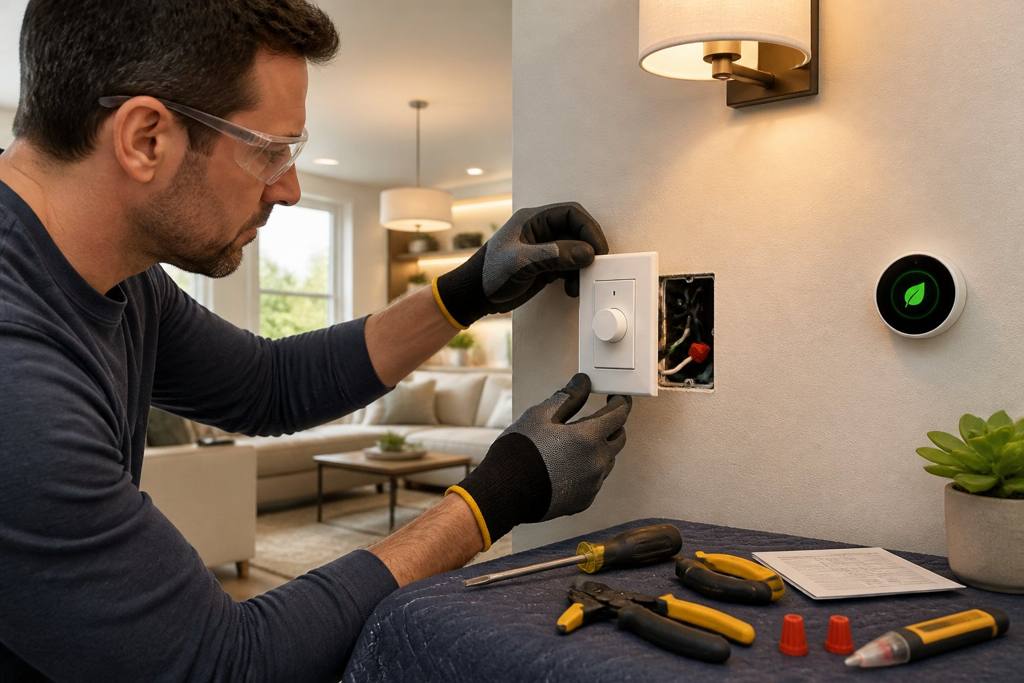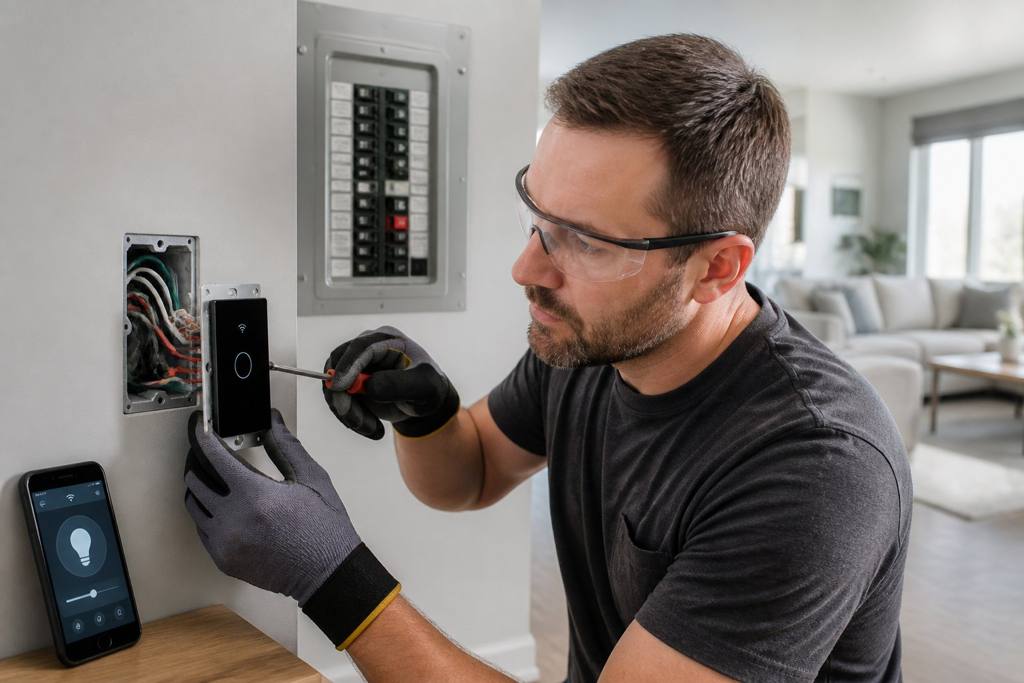
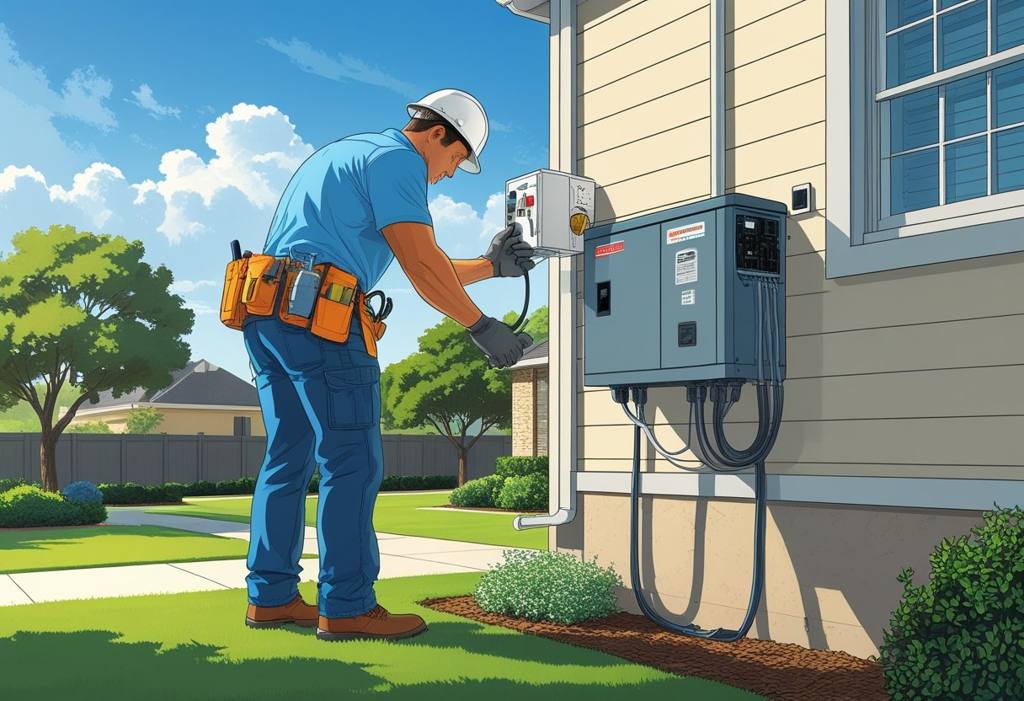
If you’re looking for a safe, code‑compliant generator hookup in Spicewood, a transfer switch is the tool that protects your home and the line crews while letting your generator power the circuits you actually care about. A properly installed transfer switch blocks backfeed into the grid and lets your generator safely feed selected circuits, protecting your home, equipment, and utility workers.
Magnify Electric’s licensed electricians handle everything from portable generator hookups to panel upgrades, EV chargers, smart Lutron systems, automated lighting, outdoor lighting, whole‑home surge protection, and safety inspections—residential or commercial. We serve Spicewood and Central Texas communities like Austin, Bee Cave, Lakeway, Dripping Springs, Georgetown, Leander, Round Rock, Kyle, Cedar Park, Liberty Hill, Westlake, The Hills, and more. Whether you need a simple fixture swap, a full system upgrade, emergency support, or smart home integration, we’ve got you covered.
Here’s what you should know about transfer switches, how installation works in Spicewood, what to do before your electrician arrives, cost and value factors, and how to find the right installer for your place.
Understanding Generator Transfer Switches
A transfer switch connects your generator to your home's electrical system in a way that keeps power from feeding back into the grid. It controls which circuits get generator power and can switch them automatically or by hand.
What Is a Transfer Switch?
A transfer switch sits between your main electrical panel and your generator. It isolates your home’s circuits from utility power when the generator is running. This prevents dangerous back-feed that could injure utility workers or fry your gear.
You can use a transfer switch with either a portable or standby generator. The switch lets you pick which circuits—like refrigerators, HVAC, and lights—get backup, or you can power the whole panel if it’s sized right. Licensed electricians install the switch, wire it to the panel, and test all the safety features and grounding.
Magnify Electric’s licensed electricians handle permits, inspections, and all the wiring for safe transfer switch installation across Spicewood and nearby Central Texas.
Types of Transfer Switches
There are two main types: manual transfer switches and automatic transfer switches (ATS). With a manual switch, you start the generator and flip the switch yourself. These are simpler and less expensive, but, well, you have to be there to do it.
Automatic transfer switches sense a power outage and start the generator for you, usually within seconds. ATS units are great for critical systems or when you’re out of town. They need more complex wiring and the right sizing to match your generator’s output and load.
Which one should you get? It depends on your budget, how often you lose power, and whether you want hands-off operation. Magnify Electric can help you figure out which type fits your home or business.
Benefits of a Transfer Switch for Home Generators
A transfer switch brings real safety and convenience. It blocks back-feed, keeps ground and neutral separated, and lets you power only the circuits you need—so you don’t overload the generator. That means your fridge, AC, and other essentials keep running safely during outages.
With an ATS, power comes back automatically, so things like medical equipment or security systems don’t go down. A manual switch gives you control over which loads run, so you can save fuel.
Our licensed electricians install transfer switches, panel upgrades, outlets, EV chargers, smart home systems, surge protection, and more—across Spicewood, Austin, Bee Cave, Lakeway, Dripping Springs, Georgetown, Leander, Round Rock, Kyle, Cedar Park, Liberty Hill, Westlake, The Hills, Briarcliff, Horseshoe Bay, Sunset Valley, Hutto, and the rest of Central Texas. Magnify Electric handles everything from simple jobs to full upgrades and emergency support.
Generator Transfer Switch Installation in Spicewood
A transfer switch keeps your generator power separate from the utility grid and lets you run key circuits safely during an outage. Here’s why a switch matters, what permits and inspections you’ll need in Spicewood, and why you really want a licensed electrician on the job.
Why Install a Transfer Switch in Spicewood?
A transfer switch blocks backfeed, protecting utility workers and your equipment. If you connect a generator directly without one, you risk sending power into the grid—which can cause fires or even electrocution.
Manual switches cost less and work fine if you can go outside to start and switch power. Automatic switches start the generator and switch loads for you, so critical systems like sump pumps, refrigerators, and medical devices stay on without delay.
Make sure the switch matches your generator and the circuits you want to power. A licensed electrician will size the switch, recommend which circuits to include, and check that wire gauge and breakers meet code.
Local Regulations and Permits
Spicewood follows Travis and Williamson County wiring codes and the National Electrical Code (NEC). You’ll usually need a permit for a fixed generator hookup and transfer switch install.
Inspections happen after rough wiring and again when the work’s done. Inspectors check switch placement, grounding, bonding, and separation from the utility meter. Sometimes you’ll need a load schedule showing which circuits the generator will supply.
Getting permits early avoids delays, fines, and insurance headaches. Your electrician can file the paperwork and schedule inspections.
Hiring a Professional Electrician
You should hire a licensed electrician for transfer switch installation. A pro will pick the right switch, connect it to your main panel safely, ground everything correctly, and make sure the wiring meets code.
Magnify Electric’s licensed electricians serve Spicewood and Central Texas: Austin, Bee Cave, Lakeway, Dripping Springs, Georgetown, Leander, Round Rock, Kyle, Cedar Park, Liberty Hill, Westlake, The Hills, Briarcliff, Horseshoe Bay, Sunset Valley, and Hutto. We handle everything from fixture swaps to full panel upgrades, automated lighting, Lutron systems, EV chargers, outdoor and recessed lighting, whole-home surge protectors, portable generator hookups, smoke and CO₂ detectors, and commercial lighting.
Ask for a written quote, proof of license and insurance, and a couple of customer references. Make sure they’ll pull permits and arrange inspections. It’s just safer and keeps your liability down.
Preparing for Your Installation
You’ll need to figure out your power needs, pick the right transfer switch, and follow some safety steps before work starts. Clear wiring plans, proper permits, and the right equipment make things smoother and safer.
Assessing Your Power Needs
Start by listing the circuits you want powered during an outage—refrigerator, HVAC, lights, garage door, medical devices, maybe a well pump. Write down each circuit’s breaker size (amps) and the appliance wattage. This helps you pick the right generator size and figure out which circuits the transfer switch should handle.
Consider surge loads from things like air conditioners or pumps. They need more power to start than to run, so add a safety margin of about 20–30%. If you’re thinking about future upgrades—like EV charging or a workshop—include that load now.
Magnify Electric’s licensed electricians can do a load calculation for you. We’ll check your panel, identify critical circuits, and recommend a generator and transfer switch that fit your needs.
Choosing the Right Transfer Switch
Decide between a manual transfer switch and an automatic transfer switch (ATS). Manual switches are cheaper and simple to use. ATS units sense power loss and switch automatically—they’re best if you want hands-off operation or need to keep critical equipment running.
Choose the number of circuits and amp rating. A 6- to 12-circuit switch covers essentials for most homes. Whole-house switches match your main panel’s amp rating; partial switches just connect selected circuits. Match the switch to your generator’s output: single- or three-phase, and the right voltage.
Check local code and grab the right permits. Magnify Electric handles selection, code compliance, and installation across Spicewood, Austin, Bee Cave, Lakeway, Dripping Springs, Georgetown, Leander, Round Rock, Kyle, Cedar Park, Liberty Hill, Westlake, The Hills, Briarcliff, Horseshoe Bay, Sunset Valley, Hutto, and nearby Central Texas.
Safety Precautions Before Installation
Shut off main power and isolate the panel before any wiring. Never backfeed the grid—always use a transfer switch to protect utility workers and your own equipment. Make sure the generator is grounded right and you’ve got the correct cable and connector for the switch.
Get permits and schedule inspections. For placement, keep portable generators outside and at least 20 feet from doors or windows. Permanent generators need a stable, level pad and proper clearances.
Double-check that you or your electrician have the correct breaker sizes, wire gauges, and weatherproof enclosures. Magnify Electric handles permits, safety inspections, and emergency support so your install meets code and runs safely.
Installation Process Explained
Here’s how we assess your site, make wiring connections, and tie the transfer switch to your generator. You’ll see what we check, how we run and protect cables, and how we make sure everything’s code-compliant with your backup generator.
Site Evaluation and Planning
We start by checking your service panel, generator location, and any obstacles between them. We look at panel capacity, open breaker spaces, and how far we’ll need to run cables. If your panel needs an upgrade, we’ll note any permits and parts required.
We check exhaust, ventilation, and fuel access for the generator. We mark a concrete pad or mounting spot to keep it stable and meet clearance rules. Then we plan transfer switch placement for the shortest, safest wiring and easy access.
You’ll get a written plan with materials, wire gauge, conduit paths, and scheduling. Our electricians confirm load calculations so only essential circuits get switched if needed.
Wiring and Connection Procedures
We turn off power and lock out the main breaker before starting. All wiring uses the right gauge for your generator’s kW rating and run length to avoid voltage drop. We run conduit and weatherproof fittings where needed.
We connect the transfer switch to the main panel with a dedicated feeder and label every switched circuit clearly. Neutral and ground get handled per code—bonded or separated, depending on the switch. We run a generator inlet and hook-up cord or hardwire as needed.
We test continuity, grounding resistance, and do a no-load startup to check for safe operation. We seal penetrations, install covers, and update your electrical diagrams.
Integration With Backup Generators
We match the transfer switch to your generator: manual, automatic, or interlock setups. For ATS, we wire control signals and set up startup delay, cool-down, and return-to-grid sequences. For manual switches, we make sure you have clear access and safe switching steps.
We check that your generator’s alternator, voltage regulator, and phase alignment sync with your home load. We test under simulated loads to confirm the generator keeps essentials like your fridge, HVAC, and medical gear running. If you have a smart home, we coordinate with Lutron systems or EV chargers to avoid overloads.
Magnify Electric’s licensed electricians handle everything from small upgrades to emergency support across Spicewood and Central Texas. You get safe, code-compliant installation and clear instructions for using your new transfer switch.
Post-Installation Tips
Look over the transfer switch mounting, wiring connections, and fuel or power source routing for any obvious issues. Run a quick operational test and keep a basic maintenance plan handy so your system stays reliable when you need it.
Testing and Inspection
After installation, start with a simple visual check of the transfer switch and generator. Scan for loose wires, damaged insulation, or corrosion at the terminals. Make sure the enclosure’s sealed and you can actually get to the switch for future checks.
Run an operational test with your home loads. Either cut utility power or use the transfer switch’s test mode, fire up the generator, and switch sources. See if your critical circuits—HVAC, fridge, sump pump, security system—come on and transfer over without tripping breakers.
Jot down voltages and transfer times. Grab a multimeter and look for low or high voltage during transfer, and note any delays longer than what the manufacturer allows. If numbers look off, call a licensed electrician. Keep a dated checklist of what you check and test for warranty and code records.
Basic Maintenance Advice
Stick to the oil, filter, and battery check intervals in the generator’s manual. Change oil and filters after the first few hours, then follow the usual schedule. Test and charge the battery every month; swap it out every 3–5 years or sooner if it flunks load testing.
Don’t let debris, plants, or storage pile up around the generator and transfer switch. Clean vents and air intakes so things don’t overheat. Tighten terminal connections every year and check that the transfer mechanism moves smoothly.
If you’d rather not mess with it, Magnify Electric’s licensed electricians can take care of routine maintenance, safety inspections, and repairs for both homes and businesses. We handle Spicewood, Austin, Bee Cave, Lakeway, Dripping Springs, Georgetown, Leander, Round Rock, Kyle, Cedar Park, Liberty Hill, Westlake, The Hills, Briarcliff, Horseshoe Bay, Sunset Valley, Hutto, and just about everywhere else nearby in Central Texas. From portable generator hookups to full electrical upgrades—we’ve got it.
Cost and Value Considerations
You’ll have to juggle upfront price, long-term reliability, and safety. The choices you make now affect both what you spend and how things work during outages.
Factors Affecting Installation Costs
Several things crank up the price: transfer switch type, generator size, and how far you need to run wiring. Manual switches cost less, but automatic whole-house switches and bigger generators bump up labor and parts.
Permits, panel upgrades, and adding circuits for essentials raise costs too. If your place needs a new subpanel, grounding, or extra conduit, count on more labor. Tight crawlspaces or tricky access? That’ll add time and money.
You’ll get a clearer price with an on-site look. Magnify Electric’s licensed electricians can check out your property, lay out options, and give you a written estimate for both homes and businesses in Spicewood and nearby areas.
Long-Term Savings and Reliability
The right transfer switch saves money over time by protecting your stuff and blocking dangerous backfeeding. Automatic switches kick on power in seconds, so your fridge, medical gear, or business systems stay up—less spoilage and downtime. Manual switches save cash up front, but you’ll need to be there to flip the power.
Good installation and whole-home surge protection cut repair bills for sensitive electronics. Regular upkeep and proper wiring sizing help your generator last and avoid expensive breakdowns. Our licensed crew covers maintenance, panel upgrades, surge protectors, EV charging, smart home systems like Lutron, and emergency repairs to keep your system humming across all those Central Texas towns.
You get real choices, written estimates, and electricians who handle everything from a switched outlet to major commercial lighting and emergency calls. Magnify Electric’s techs bring experience and licensed work for real value.
Choosing a Generator Transfer Switch Installer in Spicewood
Pick an installer who’s got the right licenses, insurance, and knows local codes. They should size the transfer switch for your generator and the circuits you want running.
Qualities to Look For
Go for a licensed electrician with hands-on experience installing transfer switches and hooking up generators—portable or standby. Double-check they carry liability insurance and worker’s comp so you’re not stuck if something goes wrong.
Ask if they pull permits and schedule inspections for Spicewood and the county. Skipping this can mean code violations.
Pick a company that documents load calculations and gives you a written plan of which circuits will get generator power. That way, you’re not left in the dark—literally—during an outage.
Prefer folks who offer warranties on labor and clear pricing. Fast responses and experience with both residential and commercial jobs matter too.
Questions to Ask Your Installer
Ask, “Are you licensed in Texas for electrical and generator work?” and, “Can you show me past installs or references in Spicewood?” Real examples say a lot.
Ask if they’ll size the switch and tell you exactly which circuits will run during an outage. Get it in writing, with a diagram if you can.
Make sure they’ll handle permits and inspections, and ask about the timeline and how long you’ll be without power during install. Check what warranties cover, and what they do for post-install testing.
Ask if they install automatic or manual transfer switches, and if they can tie in smart home systems or surge protection.
Magnify Electric’s licensed electricians handle both home and commercial work, including transfer switch and portable generator hookups.
We serve Spicewood and plenty of Central Texas communities and can tackle everything from swapping a fixture to full panel upgrades, EV chargers, Lutron systems, outdoor lights, surge protectors, smoke/CO₂ detectors, and emergency calls.
Common Issues and Troubleshooting
Sometimes, the generator won’t transfer power to your panel. Usually, that’s a loose connection at the transfer switch or a tripped breaker. Shut off the generator, check connections, and if you’re not sure, call a licensed electrician.
If the transfer switch only powers some circuits, maybe it was wired just for certain loads, or a breaker or fuse blew. Check which circuits the switch is set for and look at breakers for signs of trouble.
Backfeed risk crops up when the switch or interlock isn’t installed right. Backfeed can energize utility lines—super dangerous for workers. Always use a real transfer switch and don’t try to bypass safety gear.
Hear odd noises or find the generator won’t start during transfer? Could be fuel, battery, or starter connections. Test the generator on its own before digging into the switch.
If smart loads or automated systems act weird during outages, you might have a neutral or grounding issue, or the circuits aren’t assigned right. A good tech can trace and fix this, even for smart homes and Lutron setups.
Magnify Electric’s licensed electricians handle diagnostics, panel upgrades, and portable generator hookups in Spicewood and nearby towns. We’ve got trained pros for EV chargers, surge protectors, lighting installs, smoke and CO₂ detectors, and full repairs. Call us for emergency support, commercial lighting, or even just a fixture swap—your safety and code compliance come first.
Frequently Asked Questions
Here’s where we get into costs, permits, safety, who should install the switch, and how to pick the right type for your generator. Plus, a bit about certifications and local rules that could trip you up.
What factors affect the cost of installing a generator transfer switch?
Generator size and switch type (manual or automatic) make a big difference. Bigger generators and ATS units cost more and need heavier wiring.
Longer distance from the generator to your main panel bumps up labor and material costs. More conduit, thicker wire, more hours.
If your panel needs upgrades, count on extra charges for breakers or service upgrades. Permits and inspections tack on fees too.
Magnify Electric gives quotes that include the unit, wiring, permits, and labor so you see the full price up front.
Are there any specific certifications required for electricians installing transfer switches?
Yep. Electricians need a Texas electrical license to work on home or business panels. That proves they’ve met state training and safety standards.
Some jobs need inspector approval or a contractor registration. Always ask for proof of license and insurance before work starts.
Magnify Electric’s licensed electricians handle compliant installs and required inspections across Central Texas.
What are the legal considerations when installing a generator transfer switch at home?
You’ve got to pull local permits before starting. Permits make sure the job follows the National Electrical Code and local changes.
Inspections usually come after install to confirm safe wiring and proper bonding. Do it wrong and you could get fined or lose utility service.
Backfeeding the grid? Totally illegal and dangerous. A transfer switch prevents that and keeps you within the rules.
Could a handy homeowner install a generator transfer switch without professional help?
Honestly, unless you’re a pro, this isn’t a DIY project. Transfer switches connect to the main service—get it wrong and it can be deadly.
A licensed electrician knows load calculations, wire gauge, grounding, and code. Hiring one lowers fire and shock risk and makes sure you’ll pass inspection.
Most folks hire pros like Magnify Electric for safety and compliance.
What safety precautions are necessary during the installation of an ATS?
Always shut off power at the main breaker and double-check circuits are dead before touching anything. Use proper lockout/tagout.
Pick the right wire size, grounding, and conduit to avoid overloads and shorts. Stick to the manufacturer’s instructions and local codes.
Wear insulated tools and PPE. Test the switch and generator under load after installation and during inspection.
How do I determine the right type of transfer switch for my generator?
Start by matching the switch to your generator’s wattage and the circuits you want powered. If you’re looking at whole-house automatic transfer switches, make sure the unit can handle your home’s total load. For smaller setups, a breaker-based or load-center switch can keep just the essentials running.
You’ll need to pick between manual transfer switches (they cost less, but you have to flip them yourself) and automatic ones, which do the job for you—way more convenient, especially if you’re not home when the power goes out. Thinking about adding an EV charger or a new HVAC system down the line? Plan for that now, so you’re not stuck upgrading again later.
Honestly, it’s smart to let an electrician handle the load calculation and recommend the best switch and setup. That way, you know it’s safe and up to code.
Service area note: We proudly serve Spicewood, Austin, Bee Cave, Lakeway, Dripping Springs, Georgetown, Leander, Round Rock, Kyle, Cedar Park, Liberty Hill, Westlake, The Hills, Briarcliff, Horseshoe Bay, Sunset Valley, Hutto, and nearby Central Texas communities. Choose Magnify Electric for licensed electricians, expert service, and experience with installs from portable generator hookups to whole-home surge protectors, EV charging outlets, Lutron smart systems, lighting, panel upgrades, troubleshooting, and more.