Reasons to Consider a Full Home Electrical Assessment for Safety and Savings
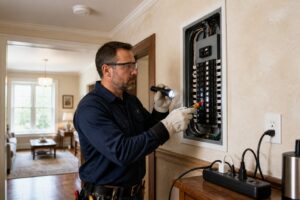
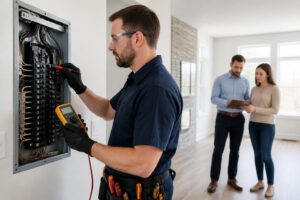
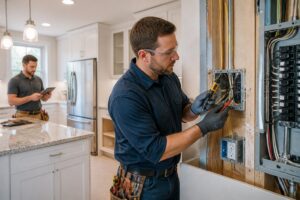
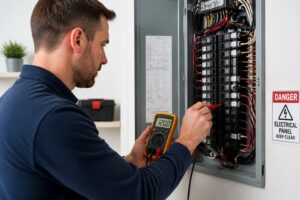
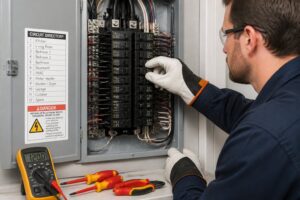
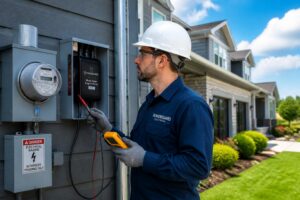
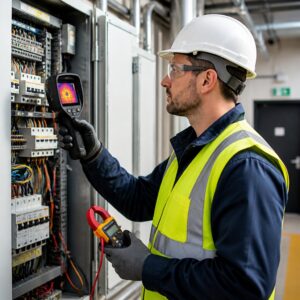
A full home electrical assessment digs into every part of your electrical setup. It checks for safety risks, code compliance, and how well things are working.

A full home electrical assessment digs into every part of your electrical setup. It checks for safety risks, code compliance, and how well things are working.

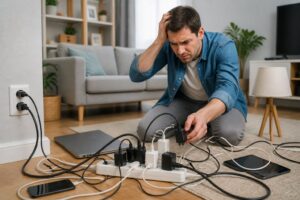
Electrical overload? That’s when you run too much power through a circuit. It can trip breakers or, in bad cases, even start a fire.

If you get what causes these storms and know the warning signs, you can actually do something about it.

Confirm when they’re coming, know what’s getting fixed, and share any special requests or worries you have.

This isn’t just about preventing overloads—it’s about keeping your home safe and your appliances running well.

Most of the time, the problems start with outdated wiring, overloaded circuits, or just parts that have seen better days.

Hidden electrical problems are faults in your home’s wiring or devices that you just can’t see.

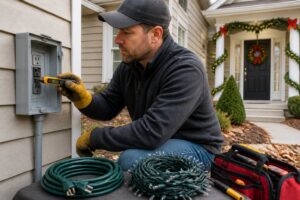
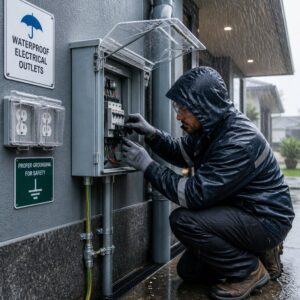
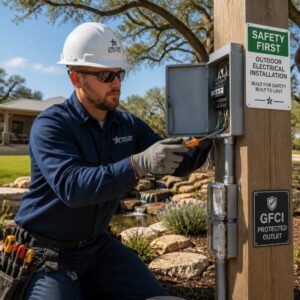
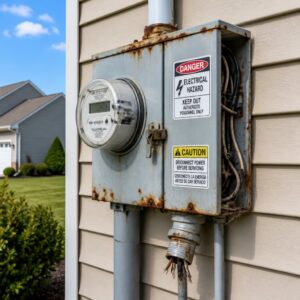
When you’re dealing with outdoor wiring, you’ve got to think about electrical risks, how outdoor wiring is different, and protecting your system from the weather

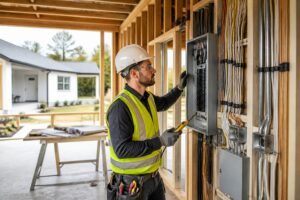
You want someone who knows the rules, avoids expensive errors, and can even boost your home’s worth

Getting power safely to a detached building means you need to know how much electricity you’ll actually use, what kind of system fits, and what the local rules say

Backup power helps you dodge interruptions that can wreck your workflow, cost you sales, or fry your equipment

A well-maintained electrical system means your home’s safer, the wiring lasts longer, and you won’t get caught off guard by flickering lights or outages.

Scheduled electrical maintenance is all about checking and caring for your system on a routine basis.

Knowing the hazards, the risks, and your responsibilities helps you avoid trouble.

Safer wiring isn’t just about avoiding shocks or fires—it’s also about cutting down on wasted energy.

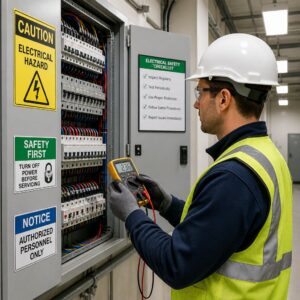
Keeping your electrical system safe means catching problems early, fixing hidden dangers, and lowering accident risks

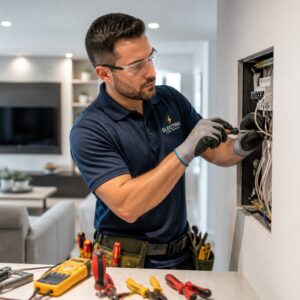
Proper electrical work prevents accidents, meets legal rules, and keeps your investment secure.

It keeps that device from having to share electricity with other stuff, which helps prevent problems like overloads.

Look for physical damage, plugs that fall out, or any weird smells or sparks. Ignore these, and you could be asking for trouble.

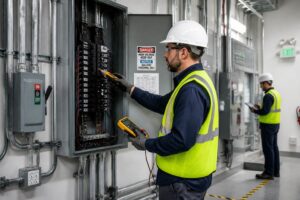
Protecting your business from electrical risks takes more than luck. You’ve got to watch for hazards, follow the rules, and use the right gear.

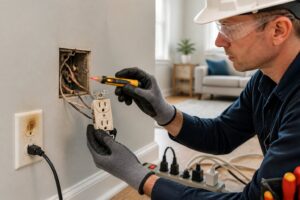
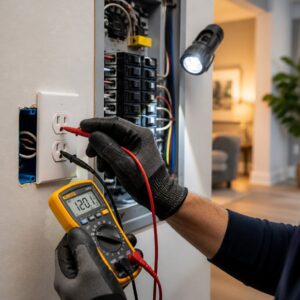
A receptacle outlet is the part of your wall where you plug in appliances and gadgets. It provides a connection point to the electricity in your home.

A single pole switch is about as basic as it gets, but it’s still essential for controlling your lights or devices. It either lets electricity flow or stops it, all from one location

It takes power from the main supply and splits it into smaller circuits that go to different parts of your home.

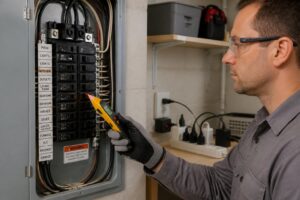
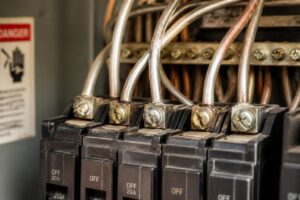
A circuit breaker protects your wiring and devices from electrical overloads and short circuits.

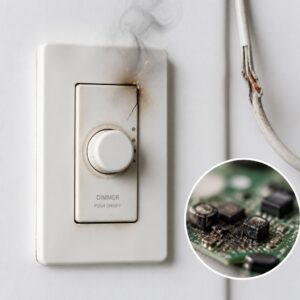
A popping sound from your light switch means something isn’t working right inside the switch or in your electrical system.

If you know the basics about electrical wiring, you can spot problems sooner and keep your place safer.

Circuit breakers stop dangerous flows of electricity, protecting your place from electrical disasters.

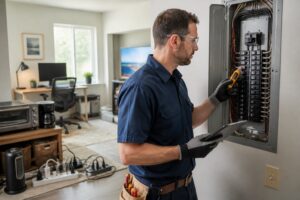
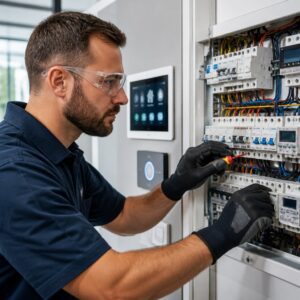
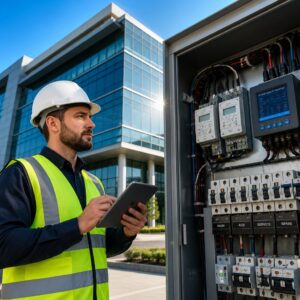
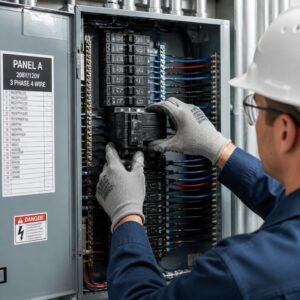
Checking your breaker box regularly helps you keep your electrical system safe and working well.

Emergency electrical repair is all about fixing urgent electrical problems—stuff that needs fast attention to keep you safe and avoid wrecking your home or business.

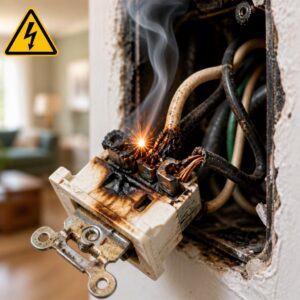
An electrical fire smell happens when wires, outlets, or electrical components get too hot or start melting.