
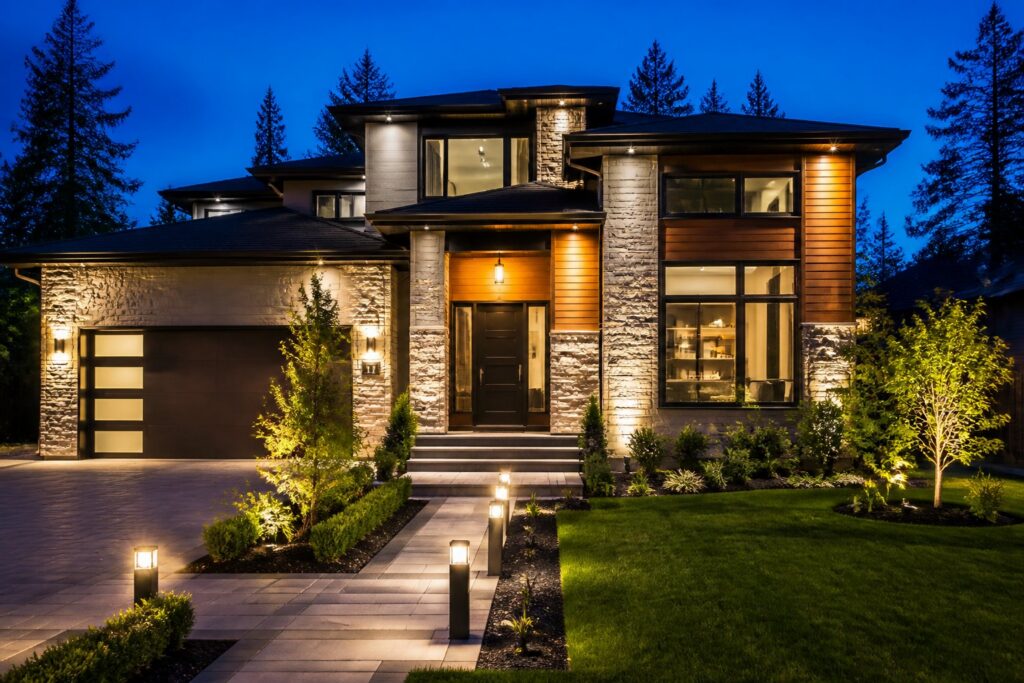
Architectural lighting really changes how your place feels after dark. If you’re wondering how to improve curb appeal with architectural lighting, it starts with showing off the parts of your home or building that already look great, then using light to add some depth, safety, and a polished nighttime look.
A good lighting plan makes the outside feel welcoming, not flat or forgotten. It guides guests to the door, helps your property stand out, and makes moving around after dark much easier. When you pick the right fixtures and put them in the right spots, your building looks intentional, cared for, and just more valuable at night.
For a lot of Central Texas homes and businesses, solid exterior lighting brings peace of mind too. It helps along walkways, highlights features without harsh glare, and you can pair it with smart controls for convenience. If you want your place to feel more inviting, a professional electrician can help you design a system that fits your style and electrical setup—whether you’re in Austin, Lakeway, Dripping Springs, Cedar Park, or nearby.
What Architectural Lighting Adds To A Property
Architectural lighting isn’t just about making things brighter. It shapes how your property looks after dark, makes moving around safer, and can help a home or commercial space feel more finished.
Visual Depth And Nighttime Character
Light and shadow pull out lines, texture, and shapes that just disappear at night. A stone wall, porch column, or roofline can look pretty plain in the day, but gain real presence when lit from the right angle.
I’ve seen bland exteriors turn into warm, polished spaces with just a few well-placed fixtures. That extra depth gives your property some real character and helps it stand out without looking over the top.
Safety, Security, And Wayfinding Benefits
Good lighting shows people where they’re going. Fewer trips on steps, fewer missed edges along walkways, and easier access to doors and driveways after dark.
It can also make a property feel more secure by cutting down on dark corners and improving visibility near entries and side paths. For businesses, clear lighting helps customers find the entrance and parking without wandering around.
Value For Homes And Commercial Buildings
Curb appeal matters to buyers, tenants, guests, and clients. A well-lit exterior usually creates a stronger first impression because it signals care and attention to detail.
For homes, that can help with market appeal. For commercial spaces, it makes the building feel more professional and easier to navigate, which is just as important as how it looks.
Key Areas To Highlight Outside
The best outdoor lighting plans hit the spots people notice first and use the most. Guide the eye to the main entry, define the path, and highlight the features that give your property its shape.
Entry Doors And Front Porches
The front door is almost always the main focal point, so it deserves clear, welcoming light. Sconces, lanterns, and overhead fixtures all work here—just make sure they fit the scale of the entry.
A bright, balanced entry makes guests feel welcome and helps deliveries, family, and customers find the door. For businesses, this spot should feel open and professional, not harsh or blinding.
Walkways, Steps, And Driveways
Lighting walkways and steps is about comfort and safety. Low-level fixtures can guide the way without creating glare, which matters on sloped paths or uneven ground.
Driveways benefit from subtle light near turns, edges, and entry points. In Central Texas neighborhoods like Leander, Hutto, and Round Rock, where drives are long or yards are wide, this kind of lighting makes getting home at night a lot less frustrating.
Facade Details And Exterior Materials
If your home has brick, stone, stucco, wood, or a mix, the right lighting can bring those textures to life. Uplighting or wall washing can make columns, gables, and trim pop in a clean way.
This is where a careful plan matters. A few lights placed with purpose usually look better than just blasting every wall with brightness.
Trees, Landscaping, And Garden Features
Trees, shrubs, and garden beds soften a property, and lighting keeps them visible after sunset. A well-lit tree can frame the house and add height, while landscape lights define beds and borders.
Used well, these touches create a layered, natural look. Used badly, they can just overwhelm the yard. Balance is everything.
Choosing The Right Fixture Types
Pick fixtures that match what you want to show off and the feel of your building. Mixing fixture types usually works best, since each one does a different job.
Wall Lights, Sconces, And Lanterns
Wall-mounted fixtures are great for entries, porches, garages, and side doors. They add structure to the front and can fit modern, traditional, or rustic architecture.
Lanterns and sconces should fit the wall and be mounted at a comfortable height. Too small, and they vanish. Too big, and they just look awkward.
Path Lights And Step Lights
Path lights define the way to the door, while step lights make stairs safer. Both work when you want safe movement without harsh overhead glare.
These fixtures need thoughtful spacing. Too many, and the yard feels crowded. Too few, and you’re left with dark gaps.
Uplights, Downlights, And Spotlights
Uplights highlight trees, columns, and textured walls. Downlights give a softer wash from above—usually feels more natural and less harsh.
Spotlights work when you want to call out a single feature, like a sign, statue, or accent wall. Aim them carefully so the light supports the design, not fights it.
Smart Controls, Timers, And Low-Voltage Options
Timers and smart controls make managing outdoor lighting a breeze. You can schedule lights to turn on at dusk, adjust them from your phone, or set different moods for weekdays and weekends.
Low-voltage systems are popular for landscape and accent lighting—they’re efficient and flexible. They work for most residential upgrades and help businesses keep maintenance simple.
Design Principles That Keep Lighting Balanced
A strong lighting plan should feel calm, not crowded or chaotic. The goal: guide the eye, support the architecture, and avoid mistakes that make a place look too bright or patchy.
Layering Light Without Creating Glare
The best designs use more than one light source. Entry, path, and accent lighting all work together for a fuller, more natural result.
Glare’s a common problem when fixtures point right at your eyes or blast a surface too hard. Softer angles and shielded fixtures usually look better and feel more comfortable.
Matching Color Temperature To The Building Style
Warm white light tends to suit brick, wood, and traditional homes because it feels inviting. Cooler light can fit some modern buildings, but too much can make things feel kind of cold.
Consistency is key. Mixing super-warm and super-cool bulbs just makes the exterior look weird and distracting.
Scaling Fixtures To The Architecture
Small porch? Go with smaller fixtures. Big entry or commercial facade? You’ll want something more substantial. If the size is off, even good lighting looks awkward.
I usually tell folks to think about proportion first. The fixture should look like it belongs—not like it’s fighting the building.
Avoiding Overlighting And Uneven Brightness
More light isn’t always better. Overlighting can flatten textures, create hot spots, and make your place feel less welcoming.
Uneven brightness pulls attention to the wrong spots. A balanced plan keeps the eye moving naturally from entry to facade to landscape.
Electrical Planning, Efficiency, And Safety
Good lighting still needs solid electrical planning. That means checking loads, picking efficient fixtures, and making sure the setup can handle weather, voltage, and everyday use.
When Wiring Upgrades Or New Circuits May Be Needed
Older homes and some commercial buildings might not have enough capacity for new lighting. If you’re adding multiple zones, smart controls, or outlets, you may need a wiring upgrade or new circuit.
This is especially important if you’re planning other upgrades—panel changes, new outlets, or EV chargers. A licensed electrician can look at everything together and help you avoid overloads.
LED Performance And Long-Term Energy Savings
LED fixtures are a smart pick for most outdoor plans—they use less energy and last longer than old-school bulbs. You also get more control over brightness and color.
That means less upkeep and fewer bulb changes. For homeowners and businesses, that’s real savings and less hassle.
Weather Ratings, Surge Protection, And Code Concerns
Outdoor fixtures need to handle rain, heat, dust, and sudden weather changes. In Central Texas, that’s especially true—summer heat and storms can be tough on gear.
Surge protection helps protect controls and connected systems from damage. Code compliance matters too, especially around wet locations, burial depth, fixture placement, and safe wiring.
Why Professional Installation Matters In Central Texas
A pro installation makes sure the system works right and stays safe in local conditions. That includes proper grounding, waterproof connections, and clean routing that doesn’t mess up the look of your place.
For homes and businesses in Austin, Spicewood, Bee Cave, Westlake, Kyle, Liberty Hill, and nearby, local experience really does matter. The right electrician helps you pick lighting that works in the heat, handles storms, and fits your property.
Common Mistakes And When To Call An Electrician
Even a good fixture can look off if it’s in the wrong spot or wired badly. The mistakes that hurt curb appeal most are often the ones you don’t notice right away.
Poor Fixture Placement And Harsh Angles
A light aimed too high, too low, or straight at a wall can throw shadows in all the wrong places. It might even blast glare into the street or your own windows.
If a fixture makes your front door harder to see, the placement’s off. Sometimes a small tweak fixes everything.
Mixing Incompatible Styles Or Light Colors
A modern sconce next to a rustic lantern can feel disconnected unless you’re really going for that look. Same goes for mixing warm and cool bulbs—it just makes the front look patchy.
Stick with a consistent fixture family and light color across the front. That simple move makes the whole place feel more polished.
Troubleshooting Flicker, Outages, And Control Issues
Flickering lights, random shutoffs, or controls that won’t respond usually mean wiring problems, bad connections, or maybe a failing transformer. These issues often show up when outdoor systems aren’t matched well to the rest of your electrical setup.
If you notice these problems, don’t just keep resetting things and hoping they’ll stop. Repeated issues usually mean there’s a real fault that needs attention.
Signs It Is Time For Expert Help
If you’re adding a bunch of fixtures, upgrading old wiring, or connecting lighting to smart home systems, it’s time to call a pro. Same goes for tricky spots—steps, masonry, or hard-to-reach areas.
Call an electrician if your panel seems strained, outdoor lights trip breakers, or you need a full lighting redesign. A careful inspection now can save a lot of time, money, and headaches later.
Frequently Asked Questions
What types of outdoor architectural lights make a home look more inviting at night?
Warm wall sconces, soft lanterns, path lights, and subtle uplights usually create the most welcoming look. The best results come from mixing fixtures that highlight the entry, guide movement, and show off the home’s shape—without going overboard.
Where should roofline lighting be placed to highlight the best features of a house?
Roofline lighting should support the home’s shape, not flatten it. Usually, that means aiming downlights or hidden fixtures to wash key walls, accent gables, or frame the roofline—without creating glare from the street.
How can I light a driveway and walkway for safety without creating glare?
Use low-level path lights, shielded fixtures, or step lights that point light down and along the walkway. Space them so the path’s easy to follow, but keep bulbs out of your direct line of sight.
What is the 5’7″ lighting rule, and how does it apply to outdoor fixtures?
The 5’7″ lighting rule is a basic placement guide for visual balance and comfort—usually tied to mounting height and sightlines. For outdoor fixtures, the goal is to keep lights high enough to spread light well, but still lined up with the architecture so they don’t feel awkward or too low.
What is the 3 lighting rule for layering outdoor light around a home?
The 3 lighting rule? It’s about mixing three types of light—ambient, task, and accent lighting. For outdoor spaces, think of it like this: you’ve got entry lights for basic visibility, path or step lights to keep folks from tripping, and then some uplighting or wall washing to give the place a bit of drama.
What should I look for when choosing a residential outdoor lighting company or service?
Start with a company that actually gets both design and electrical safety—not just one or the other, and definitely not just fixture sales. You’ll want someone who communicates clearly, uses proper wiring practices, and offers energy-efficient options. Experience with homes in your area matters too, whether you’re in Austin, Dripping Springs, Georgetown, or somewhere else around Central Texas.