
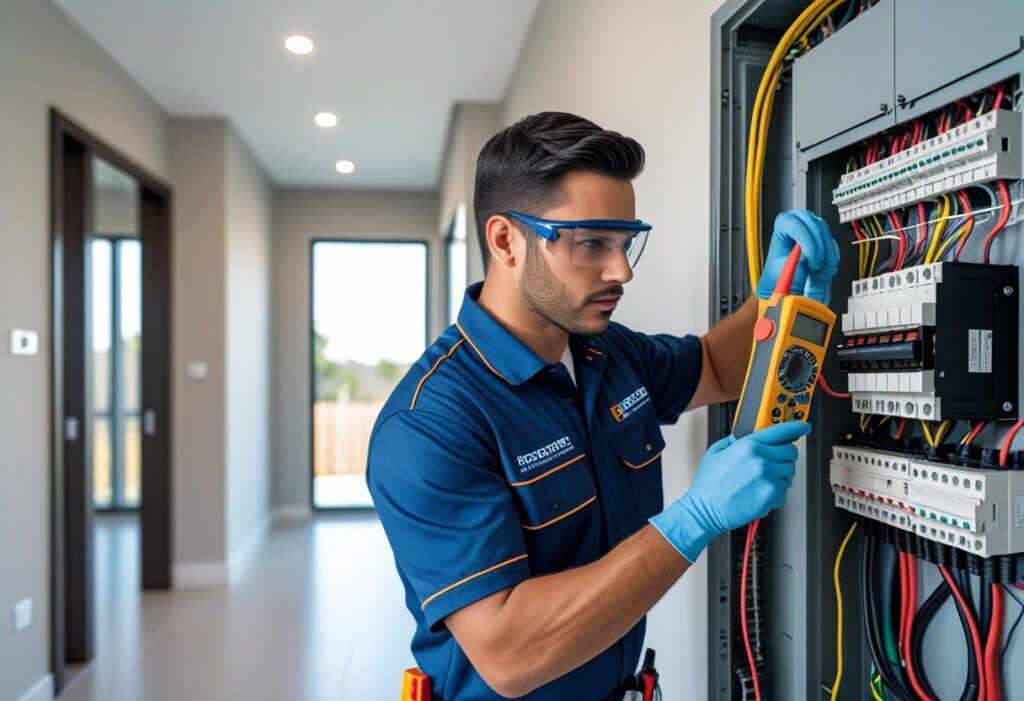
A residential electrical inspection is a close check of your home’s electrical system to make sure everything’s safe and working as it should. This inspection helps prevent electrical problems before they start, keeping your home and family safe from hazards like faulty wiring or outdated outlets. Just knowing where things stand can give you peace of mind and help you dodge expensive repairs down the road.
At Magnify Electric, our licensed electricians handle all sorts of electrical work for homes and businesses. Whether you need new lighting or a thorough inspection, we offer service you can count on. Our team’s skilled, safety-focused, and honestly, we just want your electrical system to run without a hitch.
What Is a Residential Electrical Inspection?
A residential electrical inspection checks your home’s electrical setup to make sure it’s safe and in good shape. This process uncovers issues like faulty wiring, overloaded circuits, or outdated panels before they turn into bigger headaches. Knowing the types of inspections and when to get them can help keep your home safe and energy efficient.
Definition and Purpose
A residential electrical inspection means someone takes a detailed look at your home’s wiring, outlets, panels, and even appliances. The main idea? Spot anything that could cause safety risks, like electrical fires or shocks. Inspectors also check if your system follows current safety codes set by your local government.
It’s not just about avoiding big repair bills, though that’s a bonus. A well-inspected system can help your home use energy more efficiently, which might lower your bills. If you’re buying or selling, it’s a good way to confirm the electrical system is up to standard.
Types of Inspections
There are a few main types of residential electrical inspections:
- Visual Inspection: The electrician checks for obvious stuff—exposed wires, damaged outlets, or any signs of overheating.
- Safety Inspection: Focuses on circuits, breakers, and grounding to help prevent shocks or fires.
- Code Compliance Inspection: Makes sure your setup meets local laws and building codes.
- Homebuyer Inspection: A full look for people buying a house, often required before closing.
Each type focuses on different areas, but the goal is always a safe, reliable electrical system.
When Inspections Are Needed
You’ll want to schedule an electrical inspection if:
- Your home is older or has wiring that looks a bit ancient
- You just bought a new place
- You notice flickering lights, breakers that trip a lot, or weird smells near outlets
- You’re planning major renovations or adding new electrical gear
- It’s just been a while—regular checkups every few years are smart
Magnify Electric’s licensed electricians can help you figure out when and what kind of inspection makes sense. We handle everything from quick fixes to full-on inspections, always with care.
Benefits of Residential Electrical Inspection Services
Getting a residential electrical inspection protects your home by uncovering hidden risks, checking your wiring against the rules, and helping you avoid pricey repairs later. These inspections keep your electrical system running safely and efficiently.
Ensuring Home Safety
Electrical inspections focus on catching dangers like faulty wiring, loose connections, or overloaded circuits. These issues can cause shocks, fires, or power outages. Catching them early lowers your risk of accidents.
Our licensed electricians check outlets, breakers, switches, and fixtures to make sure everything’s working as it should. If something’s off, they’ll recommend repairs or upgrades. That way, you can relax knowing your home’s protected from electrical hazards. Everyone wants that peace of mind, right?
Preventing Electrical Hazards
Flickering lights or breakers that trip a lot often mean deeper problems. Regular inspections catch these early so you can fix them before they get serious.
Inspections also spot wear and tear or shoddy installations that could lead to fires or shocks. Taking care of these things early saves money on emergencies and keeps your home safer all year.
Maintaining Code Compliance
Building codes set safety standards for electrical systems. Staying up to date helps you avoid hazards and keeps your home legal.
An inspection checks that your wiring and devices follow local codes. This really matters if you’re buying or selling, or doing big electrical projects. Our team at Magnify Electric can walk you through the code requirements and handle any updates to keep your place compliant.
Key Areas Covered During an Inspection
A thorough inspection focuses on the safety and condition of your wiring, electrical panels, and outlets. Inspectors look for wear, outdated parts, and anything that could cause trouble or lower your system’s efficiency. Understanding what they check helps you know what to expect.
Wiring and Circuitry
The electrician examines all wiring inside your walls and ceilings. They look for damaged wires, loose connections, and old materials like knob-and-tube or aluminum wiring, which might not meet today’s safety standards.
They also check for signs of overheating, like melted insulation or scorch marks—stuff that can lead to fires. The condition of your circuits and how well they handle your appliances is tested to make sure they’re up to the task.
If your wiring is old or faulty, the inspector will recommend repairs or upgrades. That’s huge, since bad wiring is one of the top causes of electrical fires.
Electrical Panels and Breakers
Inspecting your electrical panel matters for safety and making sure it handles your power needs. The electrician checks if breakers work right and trip when there’s a problem, so your home doesn’t get overloaded.
They look for corrosion, rust, or water damage inside the panel. Overcrowded panels—too many circuits jammed in—can be risky because they might not handle the load.
If your panel’s outdated or damaged, you might need an upgrade. This cuts the risk of outages and fire hazards. Magnify Electric’s licensed electricians make sure your panel’s safe and current.
Outlets, Switches, and Fixtures
During inspection, all outlets, switches, and fixtures get tested for safety and function. The electrician looks for uncovered outlets or loose switches that could cause shocks or fires.
They check if outlets near water—like in kitchens and bathrooms—have ground-fault circuit interrupters (GFCIs). These shut off power fast to prevent shock.
Fixtures are checked to see if they’re secure and working right. If anything’s outdated or damaged, the electrician will suggest replacements.
Magnify Electric can help add outlets or upgrade your lighting for more convenience and safety. That way, your electrical system works smoothly and safely.
Common Electrical Issues Identified
Inspections often turn up problems that affect your home’s safety and performance. These usually involve wiring, power loads, and circuit breakers. Catching them early keeps things running and helps you avoid bigger headaches.
Aging or Damaged Wiring
Wiring is the backbone of any electrical system, but it doesn’t last forever. Over time, wires get brittle, cracked, or frayed—especially in older homes. This damage raises the risk of fires and shocks.
Watch for flickering lights, discolored outlets, or a burning smell near outlets. Those are signs your wiring might be in trouble.
Updating old wiring to meet current codes is important. Our licensed electricians at Magnify Electric can check your wiring and recommend the best fixes to keep your home safe.
Overloaded Circuits
If your circuit breakers trip a lot or your lights flicker, your circuits might be overloaded. This happens when too many gadgets plug into one circuit, pushing it past its limit.
Overloading heats up wires, which can cause fires. Kitchens and home offices are common trouble spots with all the appliances and gadgets.
You might need more outlets or to spread out the load. Magnify Electric can help balance your system so it handles your daily needs safely.
Faulty Breakers
Circuit breakers are supposed to stop electricity when there’s a problem. If they trip too often or won’t trip at all, your home’s at risk.
Signs of breaker trouble include breakers that won’t reset or that shut off for no clear reason. Old breakers can wear out and stop doing their job.
Our electricians can test and replace faulty breakers so your home stays protected. Good breakers are key for safety.
The Inspection Process Explained
When you book a residential electrical inspection, a few key steps happen to make sure your system’s safe and working right. It starts with a quick overview, then a close look at the important stuff. At the end, you get a report with advice on repairs or upgrades.
Initial Assessment
The electrician starts by checking your main electrical panel and visible wiring. They look for obvious issues—corrosion, loose or exposed wires, and any damage that could be dangerous. This helps spot big problems early.
Next, they see if your electrical system meets current safety codes. This means testing outlets and switches, especially safety devices like GFCIs. The goal is to spot risks that could cause fires or shocks. Your electrician might also ask about any past electrical issues or upgrades you’ve done.
Detailed Evaluation Steps
After the first look, the electrician uses testing tools to check your wiring and circuits. They look at grounding and insulation. Sometimes they use diagnostic gear to find hidden faults you can’t see.
They also check all heat-producing appliances and fixtures to make sure they’re wired right and safe. This helps you avoid big repairs and wasted energy later. At Magnify Electric, we take this part seriously—detailed inspections really do prevent future hazards.
Reporting and Recommendations
Once the inspection wraps up, you get a written report. It lists what the electrician found, especially anything dangerous or outdated. Sometimes you’ll see photos or diagrams to make things clearer.
You’ll also get advice on what to fix first. Whether it’s a bad outlet, old wiring, or adding new safety devices, you’ll know what matters most. Magnify Electric’s licensed electricians can handle any repairs you need to keep your home safe and efficient.
Choosing Reliable Residential Electrical Inspection Services
Picking a trustworthy inspection service means knowing what matters: skills, credentials, and someone willing to answer your questions in plain English. That’s how you keep your home safe and your electrical system reliable.
Qualifications to Look For
Make sure your electrician has experience with home inspections, not just repairs or installs. They should know how to spot faulty wiring, old components, and hazards like overloaded circuits.
Look for someone who keeps up with local codes and safety rules. That way, you know the inspection meets legal standards and keeps your family safe.
You want someone thorough but not slow as molasses. They should give you a detailed report with clear advice on repairs or upgrades.
Certifications and Licensing
Always check that your inspector holds a valid license from your state or local authority. That means they’ve passed the right tests and know their stuff.
Certifications from professional groups show extra training and commitment. These could be for home inspectors or electricians who specialize in residential work.
And don’t forget insurance—it protects you if something goes wrong during the inspection.
Questions to Ask Inspectors
Before you hire anyone, ask about their inspection process. Which parts of your electrical system do they plan to check? How long will the whole thing take?
See if they’ll give you a written report, with photos and straightforward recommendations. That way, you’ll know exactly what needs fixing.
Ask what happens if something goes wrong after the inspection. Do they stand behind their work or offer any sort of guarantee?
It’s worth asking if they handle repairs, too. Sometimes it’s just easier to keep everything under one roof.
At Magnify Electric, our licensed electricians check all those boxes. We work carefully to keep your home safe, whether you need a quick check or a deep dive.
Cost Factors and Value Considerations
When you book a residential electrical inspection, several details can affect the price and what you actually get out of it. Knowing these helps you budget and spot the real value—not just the sticker price.
Pricing Overview
Most residential electrical inspections cost between $150 and $400. The final number depends on your home’s size and how detailed the inspection gets. If you just want the basics—main panels and outlets—it’ll be on the lower end. If you want someone to check wiring, breakers, and hunt for hazards, expect to pay more.
Experience matters, too. Electricians with more years under their belt might charge more. Where you live also plays a role. Got older wiring or need extra tests? Costs can climb. Some electricians stick to flat fees; others bill by the hour.
What Influences Inspection Costs
A few main things drive inspection costs:
- Home Size: Bigger homes take longer.
- Age of Wiring: Older systems sometimes need extra care.
- Complexity: More circuits or unique equipment mean higher prices.
- Repairs Needed: If they find problems, fixing them adds up.
- Location: Urban vs. rural pricing can vary a lot.
Choosing a licensed electrician like Magnify Electric means you get fair pricing and modern tools that help catch issues early.
Long-Term Value of Inspections
Regular inspections are a smart way to avoid expensive repairs and safety headaches down the road. Catching wiring problems or bad breakers early can stop electrical fires and equipment damage.
Inspections can also help you save on energy bills by finding old parts that waste electricity.
How to Prepare for an Electrical Inspection
Getting your house ready for an inspection makes everything go smoother. You’ll want to gather some info and tidy up a few areas to save time and avoid last-minute surprises.
Homeowner Checklist
Clear a path to your electrical panels, outlets, and anywhere with visible wiring. Don’t block the circuit breaker box or any outlets that might need checking.
Flip through all your light switches and outlets—make sure they work. Swap out burnt bulbs and keep an eye out for outlets that feel warm or spark. Those are real safety red flags.
Unplug big appliances and smaller gadgets near where the inspection will happen. This lightens the electrical load and helps prevent accidents.
Check that your smoke detectors and carbon monoxide alarms actually work. Inspectors usually look at these, too.
Take a walk around and look for exposed wires, loose connections, or frayed cords. If you spot any, fixing them ahead of time shows you care about safety.
Documentation to Provide
Gather up any records from past electrical repairs or inspections. Electricians appreciate knowing what’s been done already.
If you’ve had any electrical upgrades, track down the permits or approvals. Having these handy makes the inspection go faster.
Jot down a list of concerns or weird issues you’ve noticed. When did they start? Do they happen all the time? Details help the electrician figure things out faster.
If your place has a security system, alarm, or smart home devices tied to the electrical system, make a quick list. Inspectors need this info for a complete check.
Magnify Electric’s licensed electricians can walk you through what else to prep. We cover all the bases so your home stays safe and up to code.
Tips for Ongoing Electrical Safety at Home
Keeping your electrical system safe isn’t a one-and-done job. You need to stay alert and know what warning signs to look for. That way, you can avoid trouble before it gets serious.
Routine Maintenance
Regular checkups keep your electrical system in good shape. Take a look at your outlets, switches, and wiring for any visible wear or damage.
Try to schedule a professional inspection every few years. Licensed electricians can spot hidden problems like loose connections or bad wiring that you might miss.
Keep your breaker panel clean—dust can build up fast. Test your circuit breakers now and then to make sure they’ll trip if there’s an overload.
Magnify Electric’s team can help with inspections and repairs, making sure your system stays reliable.
Recognizing Warning Signs
Pay attention to signs that your electrical system might be in trouble. Flickering lights, frequent breaker trips, or outlets that feel warm or spark—none of that’s normal.
Buzzing from outlets or switches usually means loose wiring. If you smell burning odors near outlets, don’t wait around—get it checked out.
Old, damaged cords or outdated panels are also major warning signs. These can lead to fires or shocks.
If you spot any of these issues, call Magnify Electric. Our licensed electricians will sort things out fast and help keep your home safe.
Frequently Asked Questions
Wondering what actually happens during an electrical inspection? Or how often you should get one? Here’s what you need to know.
What should I expect during a home electrical inspection?
A licensed electrician will check your wiring, outlets, circuit breakers, and fixtures. They’ll look for damage, wear, or unsafe setups. Expect to see them testing outlets and taking a close look at your electrical panel.
How often do I need to schedule an electrical inspection for my house?
Plan on an inspection every 3 to 5 years. If you notice flickering lights or breakers tripping a lot, get one sooner.
Can you tell me what’s typically checked during a residential electrical safety check?
Inspectors look at wiring quality, outlet safety, breaker performance, and grounding. They make sure your system meets current safety codes to avoid shocks or fires.
Are there any preparations I need to make before the inspector arrives?
Make sure your electrical panel and outlets are easy to reach. Clear away anything blocking wiring areas so the electrician can work safely and quickly.
How long does a standard electrical inspection take for a single-family home?
Most inspections take about 1 to 2 hours. It really depends on your home’s size and the state of your electrical system.
Will I be provided with a report after my electrical inspection is complete?
Yep, you’ll get a detailed report. It’ll cover any issues we find and offer recommendations for fixes. Honestly, having that report makes it way easier to plan out needed repairs and keep things safe.
At Magnify Electric, our licensed electricians take inspections seriously and give you reliable service. We handle everything—small repairs, big upgrades, whatever your home needs.