Managing circuit load balancing is key to keeping your home’s electrical system safe and working smoothly. Properly balancing the load means spreading out the electricity use across different circuits to prevent overloads that can trip breakers or cause wiring damage. When circuits aren’t balanced, you might notice flickering lights, frequent breaker trips, or even warm outlets—never a good sign.
Knowing how to avoid these headaches helps protect your home and family from fire hazards and those frustrating, expensive repairs nobody wants. At Magnify Electric, our licensed electricians focus on keeping your electrical setup safe and efficient, whether you just need a few lighting upgrades or something more involved. We’re here to help you keep the lights on—literally—without surprises.
If you get the basics of circuit load balancing, you’re already ahead of the game. You’ll have more control over your home’s power, and you’ll cut down on the risk of damage. Our team at Magnify Electric can walk you through smart electrical solutions that actually fit your home or business.
Understanding Circuit Load Balancing
Keeping your electrical system in good shape starts with knowing how power moves through your home. When circuits share the load properly, you avoid headaches like breaker trips or even fires. Here’s what load balancing really means, why it matters, and some myths to watch out for.
What Circuit Load Balancing Means
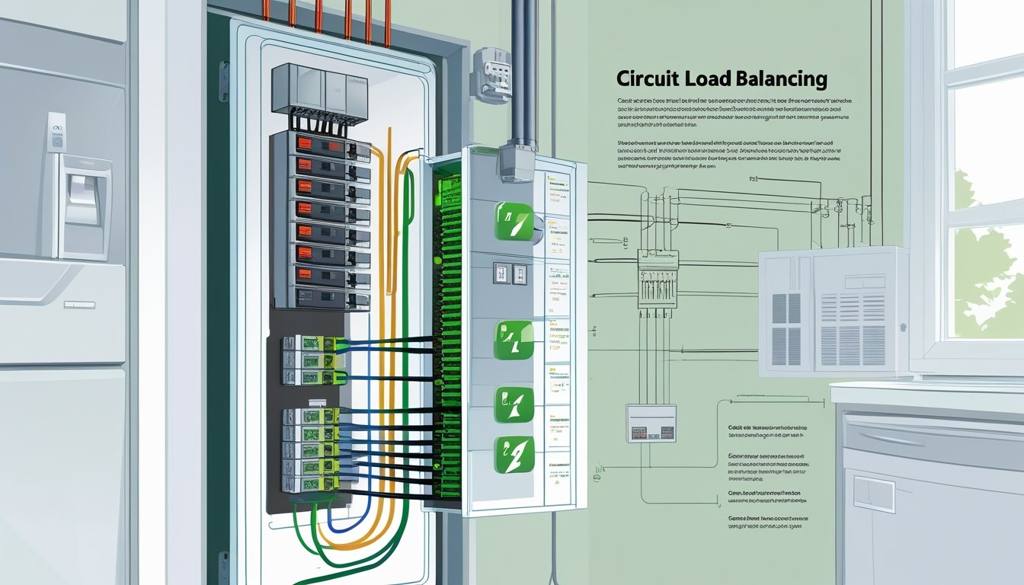
Circuit load balancing is just spreading out electrical demand across your home’s circuits. Each circuit can only handle so much power—there’s a limit.
If you pile too many devices or appliances onto one circuit, it’s going to get overloaded. Another circuit might barely have anything on it. The fix? Move things around so no single circuit is doing all the heavy lifting.
For example, don’t plug a heater and a toaster into the same outlet. Spread them out. This keeps breakers from tripping and helps your wiring last longer.
Our team at Magnify Electric can check your home’s circuits and suggest the best way to balance the load. It’s a simple step for a safer, more reliable system.
Importance of Load Balancing for Safety
Load balancing is a big deal for preventing electrical overloads. Overloaded circuits heat up wires, and too much heat can wreck your system or even cause fires.
Balanced circuits let breakers do their job. Breakers trip to protect your home before wires get too hot, but if you keep overloading one circuit, you’ll wear out those breakers faster than you’d think.
You’ll also avoid annoying stuff like flickering lights, buzzing outlets, or blown fuses. If you notice frequent breaker trips or dimming lights, don’t just ignore it—Magnify Electric can help diagnose the issue and get your circuits balanced.
Common Misconceptions About Circuits
Some people think power strips are a magic fix and you can plug in as much as you want. Not true. Too many power strips or extension cords on one circuit will overload it, fast.
Another myth: if the breaker isn’t tripping, everything’s fine. Actually, heat can build up in the wires even if the breaker stays on, and that causes slow, hidden damage.
And not all breakers are created equal. Circuits have specific limits, and plugging in appliances that demand more than a circuit can handle is risky.
It’s better to know the facts. Don’t guess—get regular checks and advice from a pro like Magnify Electric to keep your system balanced and safe.
Key Benefits of Proper Load Distribution
Balancing electrical load across your home’s circuits isn’t just for safety—it saves energy and helps your system last longer. These benefits really add up, especially when you want to avoid costly problems.
Preventing Overloads and Electrical Hazards
Distributing your electrical load properly keeps any one circuit from carrying too much at once. Overloaded circuits make breakers trip, lights flicker, and outlets buzz. Ignore these signs, and you’re risking overheated wires and possible fires.
Evening out the load lowers the chance of breaker trips or damaged wiring. It also reduces fire hazards. If you smell something odd or notice outages, it’s time to let a professional inspect and balance your circuits.
Improving Energy Efficiency
Balanced circuits help your system run smoother. Overloaded circuits waste energy because breakers keep tripping and resetting, which interrupts everything and bumps up your bill.
When you spread out power use, your home draws electricity more steadily—no big spikes. Appliances run better, don’t wear out as fast, and you avoid overheating. Just a few tweaks to your panel or habits can make a real difference.
Extending Electrical System Lifespan
Wiring and breakers wear out much faster when overloaded. Excess heat is the enemy here—it shortens the life of your electrical parts and can mean more repairs or early replacements.
If you keep the load balanced, your wiring stays cooler and lasts longer. Breakers remain reliable, and you’ll deal with fewer breakdowns. At Magnify Electric, our licensed electricians know how to balance circuits right, so your system stays strong for years. Whether it’s a quick fix or a full panel upgrade, we’re here to help your home run safely and smoothly.
Identifying and Assessing Circuit Loads
Knowing how much power each part of your home uses is a big step toward safety and fewer surprises. Here’s how to find your circuit breaker panel, measure circuit loads, and spot trouble before it gets serious.
How to Locate Your Home’s Circuit Breaker Panel
You’ll usually find your breaker panel in the basement, garage, or maybe a utility room. It’s a metal box with a door, filled with switches that control power for different parts of your house.
Check for labels next to each switch—they might say which room or appliance they control. If not, flip a breaker off and see what stops working. It’s a little tedious, but mapping your circuits is worth it.
Once you know what each breaker does, you’re set up for safer load management.
Measuring Circuit Loads Effectively
To figure out how much electricity a circuit uses, just add up the wattage of everything plugged into it. Appliance labels or manuals usually list the wattage. Keep the total below 80% of the circuit’s capacity—going higher is asking for trouble.
Say you’ve got a 15-amp circuit at 120 volts. That’s a max of 1,440 watts, but stick to about 1,150 watts to be safe.
Plug-in watt meters make this easy. If you’re not sure or you’re dealing with bigger projects, call a Magnify Electric pro for a reliable check.
Signs of Unbalanced Circuits
If one side of your panel is loaded up while the other’s barely used, you’ve got an unbalanced system. Breakers might trip, lights could flicker, or outlets might feel warm.
Watch for:
- Breakers that trip a lot
- Dim or flickering lights
- Outlets or switches that are warm or look discolored
Spot these? It’s time to shift some loads to different breakers. Magnify Electric’s team can rebalance your system and prevent bigger problems.
Practical Tips for Circuit Load Management
Keeping your home’s circuits balanced doesn’t have to be complicated. By spreading out devices, understanding your breaker box, and making a few simple changes, you’ll dodge risks like tripping breakers or damaged wiring.
Balancing Appliances and Devices Across Circuits
Spread out your high-power appliances—don’t plug the microwave and toaster oven into the same outlet. High-wattage devices draw a lot of power and can overload a circuit quickly.
Try this to balance your load:
- Kitchen appliances (microwave, toaster, coffee maker) on one circuit
- Living room devices (TV, game consoles, lamps) on another
- Laundry appliances (washer, dryer) on their own circuits
Skip the power strips or extension cords that let you plug a bunch of things into one outlet. Unplug stuff you’re not using—less load, less risk.
Understanding Circuit Labels and Maps
Knowing which breaker controls each room or device is a game-changer. If your breaker box isn’t labeled, make your own map:
- Turn off a breaker
- See what loses power
- Write down the area or devices it controls
Keep that map near your panel. It’s handy for repairs or when you need to move things around. The breaker numbers also tell you the max amperage for each circuit—stay under those limits to prevent overloads.
Simple Adjustments for Everyday Use
Small tweaks go a long way. Don’t run multiple high-power appliances at the same time, especially if they’re close together or on the same breaker.
Smart plugs or timers can help you schedule heavy-use appliances like heaters or AC units so they don’t all run at once. Check your breaker box now and then for signs of wear or bad breakers.
If you keep having trips or flickering lights, don’t wait—call Magnify Electric. Our electricians balance systems safely, from adding outlets to fixing overloads for homes or businesses.
When to Call a Licensed Electrician
Sometimes you just have to call in a pro. Certain problems mean it’s time for a licensed electrician to handle your circuit load balancing.
Recognizing Complex Load Problems
If breakers keep tripping or lights flicker a lot, your electrical load might be out of whack. These could be signs of overloaded wires or outdated breaker panels that can’t keep up with your needs.
Burning smells or discolored outlets are red flags—overheating is dangerous. Trying to fix it yourself without the right tools or know-how can make things worse. Licensed electricians have the training to spot hidden problems and balance loads safely.
Safety Precautions for Homeowners
Electricity isn’t something to take lightly. If you smell burning, see sparks, or have breakers that won’t stay on, shut off the power and call a pro right away.
Don’t overload circuits with too many high-power appliances. Overheating wires are a fire risk. And don’t ignore warning signs like flickering lights or frequent trips—they’re your system’s way of asking for help.
At Magnify Electric, our electricians know the local codes and can fix issues before they get serious. From simple lighting to complex balancing, we keep homes and businesses safe and efficient.
Frequently Asked Questions
A well-balanced electrical panel keeps your home safer and cuts down on those annoying breaker trips. Recognizing the signs of an unbalanced panel—and knowing how to fix or prevent them—can save you a lot of hassle (and money) down the line.
What are the steps to balance an electrical panel in a home?
Start by shutting off the main breaker—safety first, always. Then, grab a clamp meter or something similar and check how much load each circuit carries.
Move appliances and devices around so the load gets spread out more evenly across the panel. If this sounds intimidating or risky, don't hesitate to call a pro. No shame in that; electricity isn't something to mess with if you’re unsure.
What should homeowners understand about the symptoms of an unbalanced electrical panel?
You might spot flickering lights, breakers that trip a lot, or even breakers that feel a bit too warm. These things usually mean a circuit’s taking on more than it should.
How can homeowners prevent unbalanced loads in electrical power distribution systems?
Try not to plug a bunch of heavy-duty devices into one circuit. Spread out stuff like washers, dryers, and microwaves so they’re not all running off the same line.
Give your panel a quick check every now and then to make sure nothing’s getting overloaded.
What is the 125% rule for circuit breakers, and why is it important to homeowners?
The 125% rule says you should size a circuit breaker for 125% of the continuous load it handles. This helps stop overheating and those annoying breaker trips.
It’s not just about safety—it keeps your system up to code, too.
What factors impact the cost of load balancing for residential electrical systems?
Costs? Well, they vary. The size of your panel, how complicated your wiring is, and whether you need extra circuits or breakers all play a role.
Labor and extra parts can bump up the price as well.
Can homeowners balance a washing machine load themselves, and what does this entail?
If you know your panel and have the right tools, you might give it a shot. Basically, you’ll need to check the load and move the washing machine’s circuit to a breaker that isn’t already overloaded.
Still, water and electricity together? Not exactly a friendly combo. It’s usually best to let professionals like Magnify Electric handle this job—they know what they’re doing and take safety seriously.
Magnify Electric’s licensed electricians work on all kinds of electrical projects, keeping your home’s system safe and balanced. Whether you just need a quick fix or a panel upgrade, their team’s ready to jump in.