
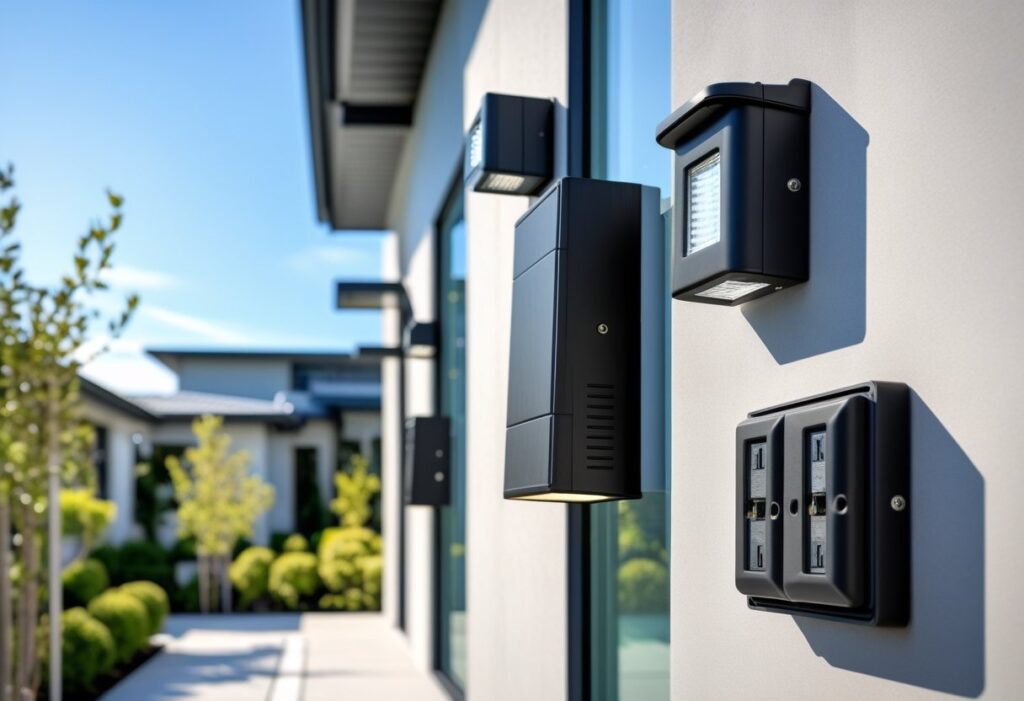
Keeping your outdoor electrical fixtures in good shape is key to making sure they work well and stay safe. Regular maintenance, like checking connections and cleaning fixtures, helps prevent issues like flickering lights or short circuits. This simple care keeps your outdoor spaces looking great and functioning properly.
If you want your outdoor electrical system to last, it’s important to hire qualified professionals. At Magnify Electric, our team of licensed electricians can help you with everything from basic lighting repairs to adding new outlets. We’re here to handle all your electrical needs with skill and safety in mind.
With the right care, your outdoor lighting and electrical systems will consistently work when you need them.
Understanding Outdoor Electrical Fixtures
Outdoor electrical fixtures come in many types, made from different materials, and face unique challenges due to their exposure. Knowing how each type works, what materials they use, and the common problems they face can help you keep your outdoor electrical setup safe and efficient.
Different Types of Outdoor Electrical Fixtures
You’ll see all sorts of outdoor electrical fixtures—lights, outlets, junction boxes, and subpanels. Outdoor lighting covers wall-mounted lights, pathway lights, floodlights, and decorative options. Electrical outlets almost always have weatherproof covers to keep out rain and debris. Junction boxes connect wiring safely and are usually sealed up to block moisture. Subpanels distribute power to different outdoor areas, like gardens or patios.
Each type serves a certain purpose, but all of them need secure installation to avoid hazards. Picking fixtures rated for outdoor use just makes sense—they last longer and keep things safer.
Common Materials and Their Maintenance Needs
You’ll find outdoor fixtures made from plastic, metal, or glass. Plastic parts are light and don’t rust, but they can crack after a while if they get too much sun. Metal, like aluminum or stainless steel, stands up to the weather but sometimes needs cleaning to stop rust or corrosion. Glass bulbs and covers should be wiped gently so the light stays bright and the glass doesn’t crack.
It’s a good idea to check seals and coatings now and then. If seals are damaged, moisture sneaks in and causes wiring headaches. Keeping everything clean and dry helps your fixtures last and keeps things safer.
Typical Exposure Challenges
Outdoor fixtures have it rough—weather, moisture, dirt, and bugs all take their toll. Rain and humidity can corrode metal and short out circuits if things aren’t sealed right. Dirt and debris clog up parts and wear things down. Some insects, like spiders or ants, like to nest in junction boxes or light sockets, which can create fire risks or mess up connections.
Sunlight fades and weakens materials, especially plastics. When temperatures swing, parts expand and contract, and that can loosen fittings. It’s worth inspecting your fixtures regularly and fixing small issues before they get worse.
Magnify Electric’s licensed electricians can help with inspections and repairs, making sure your outdoor electrical fixtures stay safe and work well, whatever the weather’s doing.
Safety Tips for Outdoor Electrical Fixtures
When you’re dealing with outdoor electrical fixtures, you’ve got to be careful. Paying attention to power, safety gear, wiring, and moisture keeps you safe and your fixtures working.
Ensuring Power is Off Before Maintenance
Always turn off the power at the breaker panel before starting any work. This stops electricity from flowing and keeps you from getting shocked.
Use a voltage tester to make sure the power is really off. Even if you flipped the breaker, it’s smart to double-check. Don’t just assume—it’s not worth the risk.
If you’re stumped about which breaker controls what, just turn off the main breaker. Better safe than sorry.
Proper Use of Safety Gear
Wear rubber-soled shoes and insulated gloves when you’re working with outdoor electrical stuff. This gear helps protect you if you accidentally hit a live wire.
Pop on some safety glasses too—no one wants sparks or dust in their eyes. Keep a fire extinguisher nearby, just in case.
Try to avoid working when it’s wet outside. If you really have to, wear waterproof gloves and boots, but honestly, waiting for dry weather is best.
Inspecting for Exposed Wires
Take a close look at your fixtures and their wiring for any exposed or frayed wires. Damaged wires can cause shorts, shocks, or even fires.
If you spot exposed wiring, don’t touch it. Turn off the power immediately and call a pro. Exposed wires aren’t something to mess around with.
Make sure all wire connections are tight and covered with waterproof connectors or wire nuts. Good insulation keeps your fixtures safe from the elements.
Checking for Water Damage
Water and electricity don’t mix. Check boxes and covers for cracks or gaps that let water sneak in.
Look for rust, corrosion, or weird discoloration around fixtures or wiring. If you see these, water probably got inside and could cause trouble.
All junction boxes and outlets should have weatherproof covers. Magnify Electric’s electricians can help you install them and make sure everything’s sealed up. That little bit of effort keeps water damage at bay and your lights running safely.
Routine Cleaning and Care
Keeping your outdoor electrical fixtures in good shape takes regular attention. You’ll want to clear away dirt and bugs, clean surfaces to boost light quality, and handle any rust before it gets worse.
Removing Dirt and Debris
First things first—turn off the power before cleaning. Use a soft brush or cloth to gently sweep away dirt, leaves, spider webs, and bugs. Pay special attention to sensors and light covers, since debris can block light or mess with motion sensors.
Skip harsh chemicals or pressure washers—they can damage wiring and fixtures. Just use a lightly dampened cloth with water or mild soap for stubborn spots. Doing this every few months (or more if you’ve got lots of trees or bad weather) keeps things tidy.
Cleaning Fixture Surfaces
Wipe down the outside of your fixtures with a soft, damp cloth to get rid of dust and grime.
For glass or plastic covers, try a gentle cleaner or a water-vinegar mix. Don’t use abrasive pads—they’ll scratch things up. Dry all the parts thoroughly after cleaning so moisture doesn’t build up inside.
A clean fixture means brighter, steadier lights—no more flickering from dust buildup.
Dealing with Rust and Corrosion
Metal parts out in the weather can rust, which messes up electrical connections over time. Check your fixtures now and then for rust, especially around screws and mounts.
If you see rust, scrub it off with a wire brush or a bit of sandpaper, then slap on some rust-resistant primer or outdoor paint. If you find corroded wiring or connections, call a licensed electrician to handle repairs safely.
Fixing rust early keeps your fixtures working longer. If you’re not sure, Magnify Electric’s team can help with inspections and repairs to keep your wiring secure.
Weatherproofing Techniques
Protecting your outdoor electrical fixtures from water, dirt, and temperature swings helps them last. Using the right materials and sealing methods makes a big difference. Regular checks and a bit of upkeep can stop most problems before they start.
Using Weather-Resistant Materials
Pick materials built for the outdoors—plastic or metal rated for weather exposure. Look for enclosures with a NEMA rating that fits your area.
For junction boxes, grab one marked weatherproof or rainproof to keep the rain out. UV-resistant plastic won’t crack in the sun. If you’re using metal, make sure it’s coated to resist rust.
Always use outdoor-rated wires and fixtures. They’ve got insulation that stands up to water and sunlight. The right materials mean less corrosion and fewer shorts.
Applying Protective Coatings
Some outdoor fixtures do better with a little extra protection. Silicone or rubberized sprays around connections help keep water out.
Paint metal boxes with rust-proof paint—just don’t cover vent holes or seals. For plastic parts, clear protective sprays help block UV rays and stop cracking. You might need to reapply these every year if your fixtures get a lot of sun or rain.
Protective coatings only work if the installation’s solid. If you’re unsure, ask your electrician at Magnify Electric for advice.
Inspecting and Replacing Gaskets
Gaskets seal up fixtures and keep water out, but they don’t last forever. Rubber and foam gaskets dry out, crack, or shrink as time goes by.
Check them every few months, especially after storms or heat waves. Look for gaps, cracks, or spots that feel stiff.
Swap out worn gaskets for ones that fit your fixture. The wrong type won’t seal right and could let water in.
Clean both surfaces before putting in a new gasket. If you’re not sure which one to use, Magnify Electric’s team can help.
Sealing Electrical Connections
Use waterproof wire nuts and seal connections with electrical tape or heat-shrink tubing designed for outdoor use. This keeps moisture out and stops corrosion.
After you join wires, cover the connection completely. Add silicone sealant where wires enter boxes or fixtures.
Don’t use regular indoor tape or non-rated enclosures outside—they just don’t hold up.
For a job done right, trust licensed electricians from Magnify Electric. We handle everything from outlet swaps to full outdoor wiring, making sure your system stays dry and secure.
Replacing Components
Maintaining outdoor fixtures means knowing how to replace parts safely and picking upgrades that last. You’ll want to handle bulbs and fuses with care to avoid risks. Upgrading to LED can save time and money—they last longer and use less energy.
Switching Bulbs and Fuses Safely
Before changing bulbs or fuses, turn off the power at the breaker. This keeps you safe from shocks. Use a ladder if you need to reach high spots, and wear gloves to protect your hands.
Check the fixture’s wattage limit before putting in a new bulb. Don’t use bulbs that are too bright or hot. For fuses, match the exact type and rating.
If you still have flickering or other issues after swapping bulbs or fuses, the wiring or fixture might have a problem. That’s when it’s smart to call in professional electricians, like the folks at Magnify Electric.
Upgrading to LED for Longevity
LED bulbs make a great upgrade for outdoor fixtures. They use less electricity and can last up to 25 times longer than regular bulbs. That means fewer replacements and less hassle.
LEDs handle outdoor conditions well, whether it’s hot or cold, and they don’t get as hot as old-school bulbs, which lowers fire risk. Plus, you can find LEDs in just about any style, so you won’t lose brightness or curb appeal.
Switching to LED can cut your energy bills. Over time, those savings add up, which is good for your wallet and the planet.
If you want help picking or installing LEDs, Magnify Electric has you covered. Our licensed electricians make sure your outdoor lighting works great and stays safe.
Troubleshooting Common Issues
Outdoor electrical fixtures sometimes act up. Spotting and fixing these problems keeps your setup safe and running. Issues like flickering lights or short circuits usually point to wiring or connection trouble.
Addressing Frequent Flickering
If your outdoor lights flicker, it’s usually because of a loose connection or bad wiring. Start by checking that bulbs are secure and not damaged. If they’re fine, look at the fixture’s wiring for loose or corroded spots.
Flickering can also happen if there’s a voltage drop, maybe from too many devices on one circuit or a poor connection in the electrical panel. Try turning off other outdoor devices to see if that fixes it.
Take a look at the outdoor panel’s circuit breaker too. Sometimes a loose breaker or bad contact causes flickering. If you find damaged wiring or breakers, it’s time to call a licensed electrician.
Dealing with Short Circuits
Short circuits can make breakers trip or send sparks flying around your outdoor lights and outlets. Usually, this happens when water sneaks into the fixtures or wiring boxes, or if the wires have just gotten old and brittle. Always check for moisture or burn marks near outlets and fixtures—those are dead giveaways something’s wrong.
Take a look at your outdoor electrical panel too. If it’s not rated for outdoor use, moisture can slip in and cause all kinds of trouble. A panel with the right NEMA rating keeps your system much safer from the weather.
If your breaker keeps tripping, don’t just reset it over and over. That’s a sign of a bigger wiring issue. It’s best to call Magnify Electric. Our licensed electricians have the tools and know-how to figure out what’s going on and get your outdoor electrical back on track.
Seasonal Maintenance Tips
Keeping your outdoor electrical in good shape year-round isn’t hard, but you do need to tweak your routine as the seasons change. Each season throws its own curveballs.
Spring and Summer Maintenance
When spring and summer roll in, check your outdoor lights and outlets for damage from rain, critters, or just general wear. Clean off any dirt or cobwebs so your lights actually shine. Swap out any dead bulbs and test connections so you’re not caught off guard during summer storms.
Look over all the wiring for cracks or sun damage. Weather-resistant covers on outlets make a big difference, especially when it’s humid or rainy. If you notice lights flickering or breakers tripping, don’t mess around—call Magnify Electric and let our electricians take a look.
Trim back trees and bushes so branches don’t rub against wires or fixtures. It’s a simple step, but it really helps prevent damage during storms and keeps your lights working longer.
Autumn and Winter Preparation
Before the cold sets in, unplug and cover any outdoor lights or outlets you’re not using. That helps protect against moisture and freezing. Check junction boxes and panels for loose wires or rust, and fix anything that looks off.
Clear away leaves and debris from around your fixtures so nothing gets clogged up or waterlogged. Test your circuit breakers and GFCI outlets to make sure your system is ready for storms.
If winter prep sounds like a hassle, Magnify Electric can take care of it. Whether it’s a quick fix or a bigger upgrade, our team keeps your outdoor electrical safe and reliable—rain, snow, or shine.
When to Call a Professional
Are your outdoor lights flickering, sparking, or giving off a burning smell? That’s your cue to call in a pro. These warning signs mean something serious could be going on, and it’s not worth the risk.
Sure, you can handle simple stuff like changing bulbs or flipping breakers. But if you’re dealing with wiring issues, panel upgrades, or adding new fixtures, it’s time to call a licensed electrician.
Bringing in a professional means the work actually meets local safety codes, and that helps prevent nasty surprises like shocks or fires. Our team at Magnify Electric is made up of licensed experts who handle everything from quick repairs to full installations.
Here’s when you should definitely call us:
- Breakers that keep tripping
- Wiring that looks damaged or feels loose
- Switches or outlets that don’t work right
- Planning new outdoor electrical setups
Magnify Electric stands behind our work for homes and businesses. We’ll make sure your system runs safely and smoothly, whether it’s a tiny fix or something bigger.
Don’t take risks with outdoor electrical work. When in doubt, just reach out—we’ll handle it quickly and safely.
Frequently Asked Questions
Keeping your outdoor electrical working well means protecting it from the weather, cleaning it right, and following safe installation steps. The right products and some basic care can help your lights last longer and stay bright.
How do you protect outdoor light fixtures from the elements?
Use weather-resistant covers or housings made for outdoor use. Make sure your fixtures have the right NEMA rating for your area. Check seals and gaskets now and then to keep water and dirt out.
What’s the best way to clean and prevent oxidation on outdoor lights?
Just wipe your fixtures with a soft cloth and a mild soap solution. Skip abrasive cleaners—they’ll mess up the finish. A bit of clear wax or protective spray can help slow down oxidation and keep metal parts looking good.
Is there a special technique to restore the shine on metal outdoor lights?
You can buff metal surfaces gently with fine steel wool or a polishing cloth. For tough tarnish, try a metal polish that matches your fixture’s metal type. Always test a tiny spot first, just to be safe.
How often should outdoor light fixtures be cleaned for optimal performance?
Every 3 to 6 months is usually fine. If you live somewhere especially dusty or near the coast, you might want to clean them more often to get rid of salt, dirt, and debris that can dim the lights.
Can you recommend a good sealant for weatherproofing outdoor lighting?
Go for silicone-based sealants or clear waterproof sprays made for outdoor electrical stuff. They create a flexible barrier that keeps moisture out and won’t crack in sun or cold.
What guidelines should you follow for installing outdoor lighting around your home?
Stick with outdoor-rated electrical boxes, and make sure you ground every fixture. Place your lights so they don’t blind anyone but still bring out the best features of your space. Always check your local electrical codes, and honestly, it’s usually smart to call in licensed electricians like our crew at Magnify Electric. We’ve tackled everything from swapping out a single light to setting up full outdoor lighting for homes or businesses.