
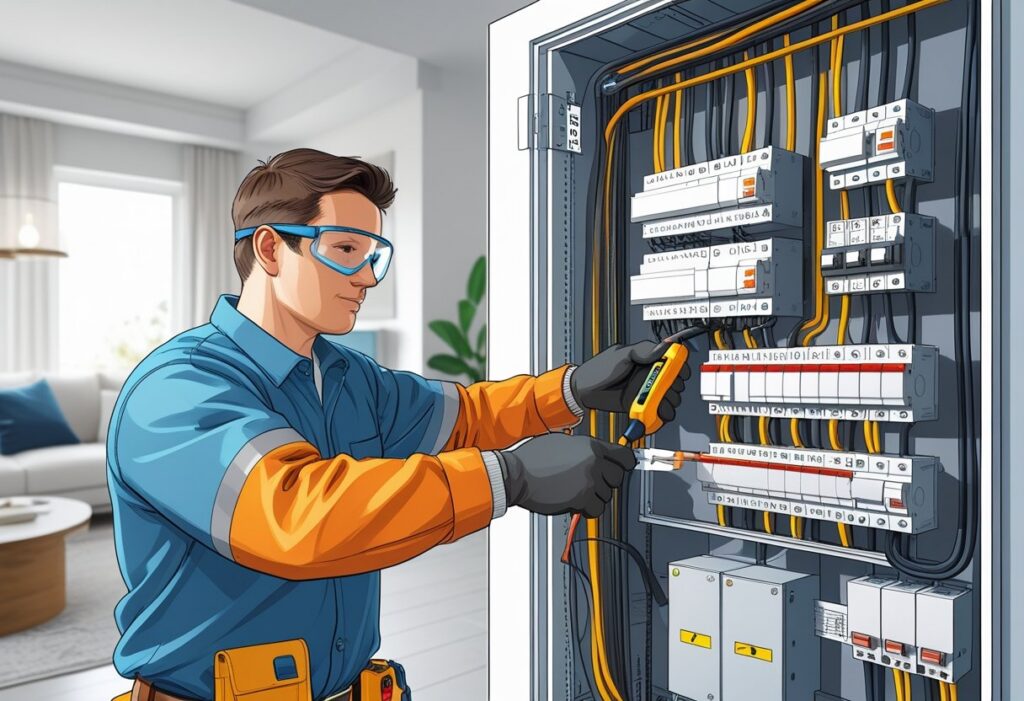
Expanding your home’s electrical capacity is a solid move if you want more convenience or need to power up new gadgets. But to do it safely, you’ve got to avoid overloading circuits—know your system, and add outlets or fixtures the right way. That way, you sidestep those annoying breaker trips and keep your home out of trouble.
If you’re after more outlets or planning to run new appliances, it’s tempting to just tap into existing circuits. Still, you can’t just wing it. The folks at Magnify Electric have licensed electricians who can walk you through it or just handle everything, making sure it all meets safety standards. Whether you’re swapping out lights, adding outlets for a growing business, or just tired of extension cords everywhere, we’ve got your back.
Get the right help and you’ll steer clear of headaches like overloaded circuits or sketchy connections. Magnify Electric brings pro-level support, so your home or office stays powered up and problem-free.
Understanding Your Home’s Electrical System
Getting a grip on how your electrical system works makes it a lot easier to figure out when and how you can safely bump up your power. You’ll also spot issues early and avoid pushing circuits past their limits.
Components of a Typical Residential Electrical System
Everything starts at your main service panel—the breaker box. That’s where electricity comes in from the street. The panel splits the juice into individual circuits, each protected by a breaker.
Wiring runs from the panel out to outlets, lights, and appliances. Most circuits are 15 or 20 amps—enough for regular household stuff.
You’ve also got ground wires for safety and outlets designed to handle certain loads. Knowing what each piece does helps you plan upgrades that won’t put your home at risk.
Common Signs of Insufficient Electrical Capacity
You’ll know your home’s electrical system is maxed out if you’re dealing with frequent breaker trips or flickering lights. Usually, that means you’re asking too much from a single circuit.
Other red flags? Outlets that feel warm or switches that buzz. Those are never good signs—could mean your wiring’s overloaded or just plain unsafe.
If you’re using extension cords and power strips everywhere, that’s a clue your system isn’t keeping up. Don’t wait for a bigger problem; fixing these things early keeps your house safer.
Assessing Your Current Electrical Panel
Take a look at your breaker panel and check the amp rating—it’s usually right on the main breaker. Most homes land between 100 and 200 amps.
Count your breakers. If you’re out of slots or using a bunch of double breakers, your panel could be running out of room.
Pay attention to which breakers trip a lot or seem overloaded. If you’re not sure what’s safe, ask a licensed electrician from Magnify Electric. We’ll check your panel, make upgrade suggestions, and make sure everything’s up to code.
Determining Power Needs
Before you expand your home’s electrical capacity, you need a clear idea of how much power you’re actually using—and what you’ll need down the line. Matching your system to your real-world demands helps you avoid overloads and keeps things running smooth.
Calculating Required Electrical Load
Start by tallying up the wattage of everything you use on a regular basis. Jot down the major stuff: lights, fridge, TVs, heaters—grab their watt ratings.
For example:
- Lighting: 500 watts
- Refrigerator: 800 watts
- TV and audio: 400 watts
Add up those watts, then divide by your home voltage (usually 120V) to get amps. That tells you if your circuits can handle it.
Your main breaker’s limit—often 100 or 200 amps—isn’t something to mess with. Stay well under that. If any of this math makes your head spin, our electricians at Magnify Electric can run the numbers and suggest what to do next.
Identifying High-Demand Appliances
Some appliances are power hogs—think ovens, AC units, water heaters, dryers. These usually need their own dedicated circuits.
Check the labels for wattage or amps. Don’t lump several of these onto one circuit, or you’re just asking for trouble.
If you’re eyeing future upgrades—maybe a hot tub or an electric vehicle charger—plan for those now. It’s way easier than rewiring again later. Magnify Electric can help you figure out the best setup for your plans.
Planning for Future Electrical Expansions
Try to think a few years ahead. Adding rooms? Going all-in on smart home gear? Starting a home office? Each of those bumps up your power needs.
Install extra outlets and circuits in spots where you’ll likely need them. It’s honestly better to have a little extra than to keep calling for upgrades.
Don’t run circuits at their max all the time—leave a cushion so your system isn’t always on the edge.
Magnify Electric can help you prep for new tech and make sure your upgrades meet all the latest codes.
Upgrading Your Electrical Panel Safely
If you want to boost your home’s electrical capacity, you’ve got to make sure your panel can handle it. That means knowing when to upgrade, picking the right panel size, and making the installation process as painless as possible.
When to Upgrade an Electrical Panel
If your breakers trip a lot, lights flicker, or you’re still using old fuse boxes, it’s probably time to upgrade. These symptoms mean your panel isn’t built for today’s electrical loads.
Adding big appliances—like an EV charger or more circuits? Your old panel might not be up to it. Using a too-small panel risks overloads and, honestly, that’s a fire hazard.
Panels older than 20 or 30 years? Get them checked. Magnify Electric’s electricians can take a look and help you decide if it’s time for an upgrade.
Types of Electrical Panel Upgrades
Here’s what you might consider for upgrading your panel:
- Swap out fuse boxes for breakers: This is a big deal for safety and handling bigger loads.
- Increase amperage: Bumping from 100 amps to 200 amps is pretty common these days.
- Add subpanels: Handy for expanding circuits in a certain part of the house without overhauling the main panel.
Each option has its place. Replacing old panels boosts safety, while more amps or subpanels let you add new gear without stressing your system.
Choosing the Right Electrical Panel Size
Panel size comes down to your total load. The usual suspects: 100 amps, 150 amps, or 200 amps.
Quick cheat sheet:
| Appliance/Use | Amps Needed (Approx.) |
|---|---|
| Basic lighting and outlets | 60-100 amps |
| Modern home with many devices | 150 amps |
| Larger homes or electric vehicles | 200 amps or more |
Go too small and you’ll be tripping breakers all the time. Too big? You’re just spending more than you need. Let Magnify Electric size things up and recommend what fits your lifestyle.
Installation Process Overview
First step: a licensed electrician from Magnify Electric shuts off your power—safety first. Then, they pull out the old panel and check the wiring for any issues.
They’ll put in the new panel, making sure it meets safety codes like the NEC. Grounding and breakers get checked and hooked up right. After everything’s in, the system gets tested under load to make sure it’s all working.
Letting pros handle it means you get the right permits, the job’s done safely, and you cut down on fire risks. Plus, your home’s ready for whatever new tech comes next.
Permits, Regulations, and Hiring Professionals
If you want a safe electrical upgrade, you’ve got to play by the rules and get the right help. That means following local codes, pulling permits, and hiring folks who know their stuff. These steps aren’t just paperwork—they’re what keep your home protected.
Understanding Local Electrical Codes
Local codes spell out how wiring and outlets should get installed. They’re there to keep you safe from fires and shocks. When you’re working on your home’s electrical, following code isn’t optional—it’s required.
Codes cover things like what type of wire you can use, how far apart outlets should be, and how many things you can put on a circuit. They’re different everywhere, so check with your local building department. Skip this and you could end up with unsafe wiring—or even void your insurance.
The team at Magnify Electric keeps up with the latest local codes, so you don’t have to sweat the details.
Obtaining Necessary Permits
Most electrical work needs permits. Your local building office uses them to keep track and make sure everything gets inspected. It’s about safety and making sure the work’s legit.
Before you start, call your building department and ask what you need. Adding circuits or upgrading panels usually means permits. They protect you by making sure pros check the work.
Skip the permits and you could get fined—or run into trouble when you sell your house. With permits, you get inspections and peace of mind. Magnify Electric can help you handle the paperwork and guide you through the process.
Selecting a Licensed Electrician
Hiring a licensed electrician is non-negotiable if you want things done right. These pros know how to avoid overloads, bad connections, and shoddy wiring.
Unless you’re really experienced, skip the DIY route here. Mistakes can lead to fires or fried appliances. Licensed electricians also make sure you get the right gear for the job.
Magnify Electric’s team handles everything from extra outlets to full panel swaps. We take pride in our work and treat your home with care. Choosing us means you get quality, safe results.
Safety Tips for Expanding Electrical Capacity
Adding outlets or upgrading your system? You’ve got to plan it right to keep your place safe. Watch out for common hazards, use your circuit breakers wisely, and always test everything after you’re done.
Avoiding Common Electrical Hazards
Before you touch anything electrical, shut off the power at the breaker. Seriously, don’t skip this. Never overload a circuit with too many gadgets—especially big ones like space heaters or microwaves.
Use wires that match your circuit’s amp rating. The wrong wire can overheat and start a fire. Don’t daisy-chain outlets (that’s plugging one into another and so on); it overloads things fast. If you’re not sure, just call a pro. Magnify Electric makes sure your wiring’s up to code and safe.
Proper Use of Circuit Breakers
Circuit breakers cut power if a circuit gets overloaded. Try to keep each circuit running at no more than 80% of its total capacity. So, for a 15-amp breaker, don’t go over about 1,440 watts.
Spread your devices out across circuits so you’re not tripping the same one all the time. If a breaker keeps tripping, find out why—don’t just keep flipping it back on. Our electricians can check your panels and help you upgrade safely.
Testing and Maintenance After Upgrade
After adding outlets or new wiring, test every new connection before plugging in your stuff. A circuit tester will tell you if the wiring and grounding are good.
Check your outlets regularly for discoloration, buzzing, or loose plugs—those are signs of trouble. Keep everything clean and dry. Maintenance matters if you want your upgrades to last and stay safe.
Magnify Electric offers testing and maintenance, so you know your system’s good to go after every upgrade.
Frequently Asked Questions
Expanding your home’s electrical capacity brings up a lot of questions—what’s involved, how much it’ll cost, what’s safe, and what paperwork you’ll need. Knowing what to expect helps you make smarter choices.
What factors should I consider before upgrading my home’s electrical panel?
Start by checking your panel’s capacity and how much electricity your household actually uses. Think about the number of circuits you have, plus any appliances or electronics you plan to add. Don’t forget the age of your wiring and whether everything lines up with your local electrical codes.
How much does it typically cost to upgrade to a higher amp service in my home?
Prices swing quite a bit depending on your home’s size and what you’ve already got in place. Upgrading to 200-amp service usually lands somewhere between $1,500 and $3,000, sometimes more. That covers parts, labor, and whatever permits you need. Honestly, your best bet is to get a licensed electrician to give you a proper quote.
Is it possible to increase the electrical load capacity myself, or should I hire a professional?
Honestly, electrical work isn’t something you want to mess around with unless you really know what you’re doing. It’s risky, and mistakes can get expensive—or worse. Bringing in licensed electricians like the folks at Magnify Electric is just safer. They’ll make sure everything’s up to code and actually works the way it should.
What are the safety risks involved in expanding electrical capacity in residential properties?
Messing up an upgrade can overload circuits or even start a fire. Too many devices on one line or sloppy wiring just makes things worse. If you follow safety rules and use the right materials, you’ll dodge most of those hazards and keep your home protected.
What permits or inspections may be required when increasing my home’s electrical service?
In most places, you’ll need a permit if you’re upgrading your panel or adding new circuits. An inspector will check the work afterward to make sure it’s safe and up to code. At Magnify Electric, we can walk you through the process so your project moves forward smoothly—no need to stress about missing a step.