
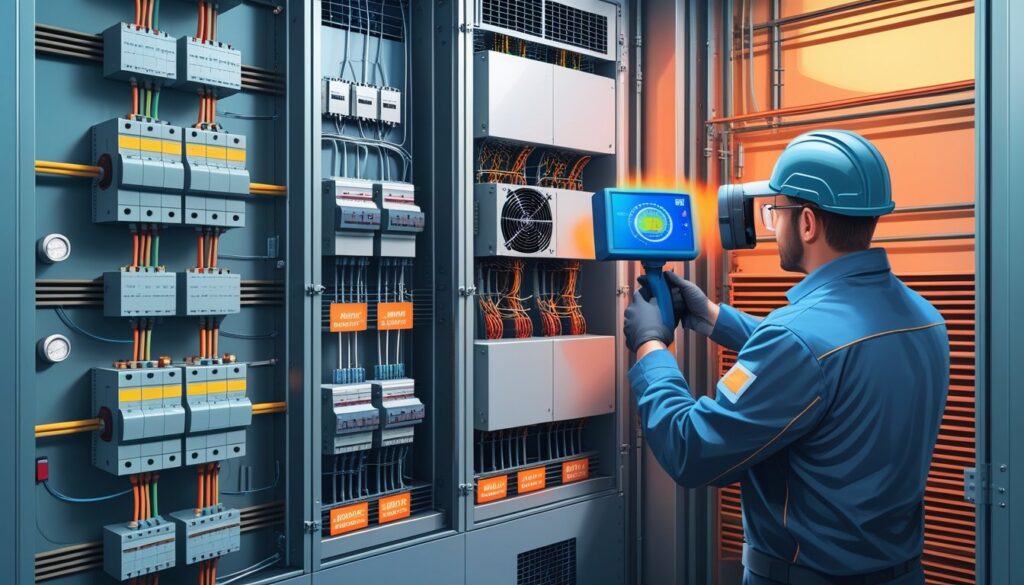
Overheating in electrical equipment isn’t just some minor annoyance—it can lead to equipment damage, power outages, or even fires if you’re unlucky. To avoid these headaches, it’s smart to check your wiring regularly, avoid overloading circuits, and use the right protective devices like circuit breakers and fuses. Keeping your electrical system balanced and maintained really does make a difference.
Not sure where to start? Magnify Electric’s team of licensed electricians is always happy to help you keep your home or business safe. We handle everything from basic lighting tweaks to installing new outlets and fixtures. With our experienced team, you can trust your electrical system to run smoothly—no more worrying about overheating.
Taking care of your electrical equipment isn’t just about avoiding danger. It actually helps your devices work better and last longer, too.
Common Causes of Overheating in Electrical Equipment
Electrical equipment tends to overheat for a handful of reasons, usually tied to how you use or install it. Spotting these troublemakers early can help you dodge damage and keep your system running efficiently.
Insufficient Ventilation
Electrical devices need airflow to stay cool. If you cram equipment into tight spaces or press it up against walls, heat gets trapped inside. That trapped heat starts to wear out the components pretty quickly.
Dust and blocked vents just make things worse. Even a little dust inside a device can push its temperature up by a surprising amount. To prevent overheating, keep vents open and clean them out from time to time. Don’t stack equipment too close—leave some breathing room around each device.
Overloading Electrical Circuits
Plugging too many things into one circuit forces extra electricity through the wires, and that’s a recipe for heat. If your breakers trip a lot or your outlets feel warm, your circuit is probably overworked.
To avoid this, don’t plug a bunch of power-hungry devices into the same outlet or extension cord. Heavy equipment should get its own dedicated circuits. Stick to the load ratings for your circuits. We at Magnify Electric can help you set things up safely so you don’t run into this common issue.
Poor System Design
If your system uses the wrong equipment or undersized wiring, it’s going to overheat. Thin wires, improper fuses, or bargain-bin parts let heat build up inside your electrical setup.
Design mistakes also include putting sensitive gear near heat sources or skipping essential protective circuits. Fixing these issues takes a solid plan and the right materials. Our licensed electricians at Magnify Electric specialize in designing systems that stay cool and reliable.
Environmental Factors
Where you put your electrical equipment matters more than you might think. Humidity, dust, and extreme temperatures speed up overheating.
Outdoor equipment needs to be rated for the weather or tucked into protective enclosures. Inside, keep devices away from heaters or stuffy basements. Bad environmental conditions increase resistance and wear out parts faster.
Simple habits like cleaning the area and managing humidity can really help keep overheating at bay.
Essential Preventive Maintenance Strategies
Preventing overheating isn’t rocket science, but you do need a plan. Regular checks, keeping parts clean, and watching power use all help you spot problems before they get serious.
Routine Inspection Schedules
Frequent inspections are your first line of defense against overheating. Aim for at least once a year—more if you run a lot of heavy equipment. Look for worn wires, loose connections, or any discoloration that might hint at heat damage.
Test circuit breakers and fuses during these checks. If a breaker’s not working right, it won’t stop an overload, and that’s when things heat up. Write down what you find each time, so you can catch problems before they get worse.
Magnify Electric can handle detailed inspections and suggest fixes if needed.
Cleaning and Debris Removal
Dust and dirt love to settle on vents and components, trapping heat where you don’t want it. Wipe down your equipment with a dry cloth or use a soft brush. Skip the water—liquids and electricity don’t mix.
Check that vents and openings aren’t blocked. Clear out debris from around enclosures so air can flow. Keeping things clean is a super easy way to boost safety and performance. If you’re unsure about cleaning certain parts, just ask Magnify Electric.
Monitoring Electrical Loads
Overloaded circuits heat up fast. Know your circuit breakers’ limits and try to keep usage under 80% of capacity. Don’t plug too many high-wattage gadgets into one outlet or strip.
Power meters or smart plugs can show you how much juice your appliances use. Watch for sudden spikes or flickering lights—those are red flags for overloaded circuits.
Managing your loads well means fewer tripped breakers and less risk. Magnify Electric can help you upgrade or balance your system if you’re not sure how.
Choosing the Right Cooling Solutions
To keep things safe, you need cooling methods that fit your equipment. Different setups need different tools, so it’s worth picking solutions that match your needs.
Air Conditioning and Ventilation
Good airflow is crucial for keeping electrical gear from overheating. Ventilation moves heat away fast. Use fans or vents to bring in cool air and push hot air out.
For bigger spaces—think server rooms or commercial buildings—air conditioning keeps temperatures steady. That protects wires and sensitive parts.
At home, small fans or vents often do the trick. Just make sure nothing’s blocking the airflow. Magnify Electric can help design and install ventilation that meets safety codes and keeps things cool.
Heat Sinks and Fans
Heat sinks are metal pieces that attach to hot spots and pull heat away by spreading it out. Fans help by blowing air over these sinks or directly across the parts that get hot.
Picking the right fan size matters. Too small, and it’s useless. Too big, and it just wastes power. Quiet, reliable fans are best. Our folks at Magnify Electric know how to choose and install the right ones.
Thermal Management Materials
Thermal pads and pastes help transfer heat between components and heat sinks. They fill tiny air gaps that would otherwise trap heat.
Different materials have different properties, so using the right one makes a difference. Sometimes, you’ll also want insulation or barriers to shield sensitive parts from nearby heat.
Magnify Electric’s team can recommend the best materials for your setup, so you don’t have to guess.
Implementing Overheat Protection Devices
Protecting your electrical equipment from overheating means using devices that catch heat problems early and act fast. These gadgets cut power or alert you if things get too hot, helping to prevent fires and damage.
Thermal Cutoff Switches
Thermal cutoff switches are safety devices that cut power when things get too hot. They work like a one-time fuse for heat. Once the temperature hits a set point, the switch snaps, breaking the circuit.
You’ll find these in appliances like dryers and heaters. Once they trip, you have to replace or reset them—after you fix whatever caused the heat problem. Using thermal cutoffs is a smart way to protect your home from fire risks.
Circuit Breakers
Circuit breakers are the familiar switches in your panel. They shut off power if too much current flows, which usually means things are heating up. Modern breakers use thermal magnetic tech to sense both heat and current.
If your breaker trips a lot, you probably have a bigger issue. Don’t ignore it—call Magnify Electric. We’ll check things out and get you sorted.
Temperature Sensors
Temperature sensors keep tabs on heat inside equipment or near sensitive spots. If things get too warm, they alert you or trigger shutoffs. These sensors are common in circuit boards, transformers, and industrial gear.
They often connect to alarms or auto shutoff systems for quick action. Installing these gives you peace of mind, especially in places where equipment runs all day.
Magnify Electric is here to install and maintain all these safety devices. Whether it’s your home or business, we handle it with care and skill.
Best Practices for Equipment Placement and Installation
Keeping electrical equipment cool and safe starts with smart placement and careful installation. The way you set things up can make a big difference.
Adequate Spacing
Let your equipment breathe. Leave enough space around each device for air to move. Crowding items traps heat and invites trouble.
Try to keep at least 12 inches of clearance around panels and big equipment. For small stuff, don’t bunch up the wires—let air circulate. Avoid putting gear in cabinets or boxes without ventilation.
Good spacing also makes inspections easier. If you’re not sure about layout, Magnify Electric’s electricians can help set things up to follow safety regulations and prevent heat-related issues.
Reducing Exposure to Sunlight
Keep electrical gear out of direct sunlight. Sun makes things hotter, faster.
If you have to install something outdoors, use shade covers or pick a shaded spot. Indoors, keep equipment away from windows and heat sources like ovens.
Sun exposure shortens component lifespan and boosts the risk of failure. It’s worth asking your electrician about the best placement.
Proper Cable Management
Tidy cables help with heat dissipation and lower electrical risks. Tangled wires trap heat and strain connections.
Use ties, clips, or conduits to organize wiring. Label cables for easier maintenance. Keep power cords away from heat sources and sharp edges.
Good cable management also reduces the chance of shorts. Magnify Electric can help set up neat, safe wiring systems for your home or business.
Frequently Asked Questions
Overheating usually comes down to poor airflow, bad cooling, or skipped maintenance. Spotting problems early and following a few safety steps can keep your devices running safely.
What steps can I take to ensure proper ventilation for my electrical equipment?
Give your equipment space so air can move. Don’t crowd devices in tight corners or behind closed doors. Fans or vents in equipment rooms help keep air moving.
Can you suggest effective cooling methods for electronic devices?
Try cooling fans or heat sinks on devices. Air conditioners in rooms with lots of electronics work well too. Always keep electronics away from heat sources and direct sunlight.
What maintenance routines help minimize the risk of electrical components overheating?
Take a good look at your wiring and connections now and then for signs of wear or damage. Dust tends to build up on vents and fans—wipe it away, since blocked airflow can quickly lead to extra heat. If you ever spot hot spots, don’t just ignore them; call in a licensed electrician to check things out.
How important is room temperature in preventing electronic devices from getting too hot?
Room temperature actually matters a lot. Try to keep it somewhere between 68°F and 77°F. If it’s too warm, your devices will feel the strain and might start running hotter than they should.
What are the typical signs that my electrical equipment is running hotter than it should?
Trust your senses—if you smell something odd, like burning or melting plastic, that’s a red flag. Devices might feel unusually hot or give off a buzzing noise. And if you notice flickering lights or tripped breakers, there’s a good chance your circuits are getting overloaded.
Could you list safety practices to handle electrical devices and prevent fire hazards?
Don’t overload outlets or extension cords—trust me, it’s not worth the risk. Always turn off equipment when you’re not using it, and stash flammable materials far from anything electrical. Get your system checked every year, and if you ever catch a whiff of burning or spot sparks, call a professional right away.
Magnify Electric handles both residential and commercial jobs with real know-how. Our licensed electricians are here to help keep your space safe from overheating and electrical headaches.