
Finding a short circuit at home can feel like a hassle, but if you notice flickering lights, tripped breakers, or warm outlets, you’re already halfway to figuring out where the problem hides. These clues point you to the right spot to start your search. Catching these signs early can save you a much bigger headache down the road.
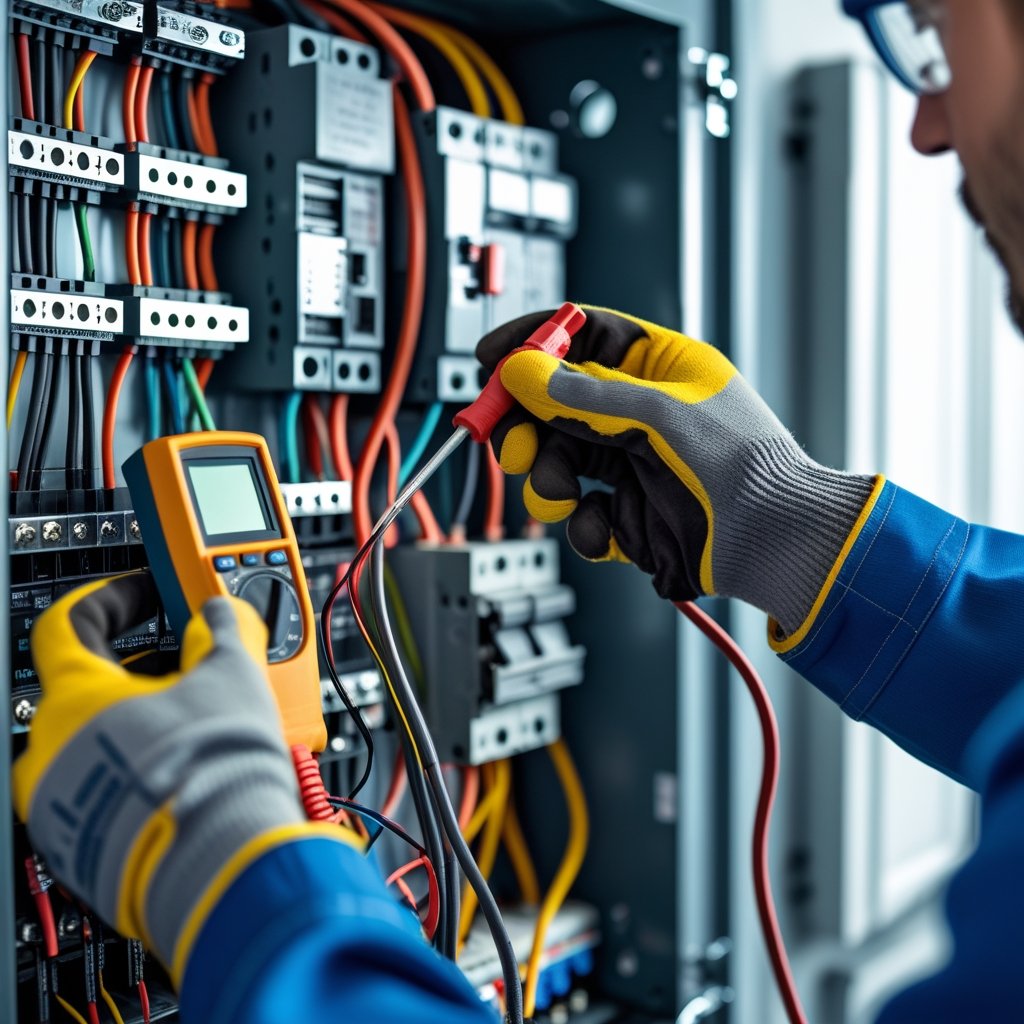
First things first: turn off the power. Grab a multimeter and check outlets, switches, and appliances one by one. Take your time—it’s not a race. If you hit a wall or just want someone else to handle it, our team at Magnify Electric is here for any residential or commercial electrical job.
Magnify Electric’s licensed electricians have seen it all—from quick fixes to big projects. Adding outlets, tracking down tricky shorts, you name it. We aim to keep your space powered up and safe, so you can stop worrying and get back to the important stuff.
Understanding Short Circuits
A short circuit is when electricity goes off-script and takes a shortcut through your wiring. That can mean tripped breakers, damaged wires, or even fire. Knowing what to watch for and what causes shorts helps you catch problems before they escalate.
What Is a Short Circuit
A short circuit happens when electricity finds an unintended path—usually one with way less resistance than planned. When this occurs, a surge of current races through the wires.
You might see flickering lights or breakers that trip over and over. Wires can touch when insulation wears out or gets damaged, or when something metal makes contact where it shouldn’t.
Types of Short Circuits in Homes
Here are the most common types:
- Line-to-Neutral: The hot and neutral wires touch.
- Line-to-Ground: The hot wire contacts a grounded part, like a metal box.
- Neutral-to-Ground: The neutral wire touches ground.
Line-to-neutral and line-to-ground shorts are the usual suspects for tripped breakers or fire risks. Knowing which you’re dealing with helps you zero in on the fix.
Common Risks and Hazards
Short circuits bring some real risks. Overheated wires can spark electrical fires. You might smell burning plastic near outlets or see sparks when plugging something in. If breakers keep tripping, don’t just reset and forget—it can ruin appliances or even shock you.
Essential Safety Precautions
Before you poke around in your wiring, set yourself up for safety. Electricity isn’t forgiving, so don’t skip the basics. Good habits and a little prep go a long way.
Powering Down Safely
Always cut the power to the area you’re working on. Find the right breaker and switch it off. Double-check—try a lamp or something plugged in to make sure the juice is really off.
If you can’t tell which breaker is which, flip the main switch and shut down the whole house. Better safe than sorry.
Never trust that a circuit is dead without testing. Use a voltage tester or multimeter to confirm. It’s a simple step that can save you from a nasty shock.
Using Protective Equipment
Wear safety gear. Rubber gloves are a must—they help block electric shocks. Stick to insulated tools made for electrical work. They’re designed to keep you safe.
Throw on safety glasses to protect your eyes from sparks or flying bits. And leave the metal jewelry and loose clothes in the drawer—those can cause trouble fast.
Avoiding Water and Moisture
Keep things dry. Electricity and water are a bad mix. If you see dampness near outlets or wiring, dry the area before you start. Water damage? That’s a job for a pro.
Skip electrical work outside in the rain or anywhere near standing water. Find a dry, safe spot to do your testing or repairs.
Recognizing Signs of a Short Circuit
Short circuits usually make themselves known. Watch for sudden power cuts, weird smells, or flickering lights. Spotting these early means you can act before things get worse.
Tripped Circuit Breakers
Breakers that trip over and over are a classic sign. They trip to stop too much current, which can overheat wires. If you’re constantly resetting the breaker, something’s up. Don’t just keep flipping it—find the cause.
Burning Smells or Scorch Marks
A burning smell near outlets, switches, or your panel is a red flag. It might smell like melting plastic or hot metal. Scorch marks or discoloration around outlets mean wires inside are overheating.
If you spot any of this, cut the power and call a pro. It’s not worth the risk.
Flickering or Dimming Lights
Lights that flicker or dim for no reason often point to a short. This happens when the electrical flow gets interrupted. It might get worse when you turn on certain appliances or use multiple devices on the same circuit. Don’t ignore it—damaged or loose wiring could be the culprit.
Tools Needed for Locating Short Circuits
You’ll want the right tools for the job. They help you test safely and track down the issue without guessing.
Multimeter or Voltage Tester
A multimeter measures voltage, current, and resistance. Set it to the right mode, and you can check if wires or outlets are live or broken.
A non-contact voltage tester is quicker for basic checks. It tells you if a wire is live without touching it. Multimeters give you more details, but both are handy.
Always turn off the power before you start testing. These tools let you pinpoint where current flows—or doesn’t—which helps you find the short.
Insulated Screwdriver
You’ll need an insulated screwdriver to safely open outlets, switches, and panels. The handle’s coated to block electricity.
When you’re hunting for a short, you’ll probably remove a few covers to check wires. Using the right screwdriver keeps you safer.
Pick one that fits your home’s screws. It sounds basic, but it makes a difference.
Electrical Outlet Tester
An electrical outlet tester plugs right into outlets and checks if they’re wired correctly. It spots problems like reversed wires or missing grounds, which can cause shorts. The indicator lights make it easy to see what’s up.
It’s a quick way to double-check your work after repairs, too.
Magnify Electric’s team uses these tools every day to find electrical shorts and keep homes and businesses safe.
Step-by-Step Process to Find a Short Circuit
Finding a short circuit is all about being methodical. Pinpoint the circuit, check outlets and switches, and inspect wiring for damage.
Identifying the Affected Circuit
Start at your breaker box. Look for any breakers that switched off. Flip all the breakers off, then turn them on one by one. Watch for the one that trips—that’s your trouble spot.
Use a multimeter in continuity mode to test for current where it shouldn’t be. Remember, power off first. Label the circuit once you’ve found it so you don’t get mixed up later.
Inspecting Outlets and Switches
Check every outlet and switch on the circuit. Look for burn marks, melted spots, weird smells, or odd noises when you use them. These are strong clues.
Take off the covers and look at the wiring for anything loose or damaged. Test with a multimeter. If you find a bad outlet or switch, replace or repair it ASAP.
Checking Wiring and Connections
Now, check the wiring itself. Watch for bare wires, worn insulation, or spots where wires touch each other or metal. These are classic causes of shorts.
Use a wire tracer or your multimeter to follow wires inside walls or boxes. Fix damage by replacing wires or tightening connections. If this step feels over your head, give us a call at Magnify Electric. We handle everything from quick repairs to bigger installs, safely and efficiently.
Isolating the Problem Area
To really nail down a short circuit, you’ve got to narrow your search. Check each device, trace the wiring, and inspect appliances and fixtures closely.
Testing One Device at a Time
Unplug or turn off everything on the affected circuit. Then, plug in or turn on each device one by one. Watch for flickering lights or tripped breakers when you use a specific device.
If a device trips the breaker, it’s probably the culprit. If not, the wiring might be to blame.
This process takes a bit of patience, but it’s worth it. Always keep the power off when plugging or unplugging devices—it’s just safer that way.
Tracing Electrical Circuits
Trying to figure out your home’s electrical circuits? It helps to know the layout when you’re hunting for a short. Grab a look at your circuit breaker panel and figure out which breaker covers the problem area.
Label the breakers if you haven’t already, and make note of which rooms or outlets each one controls. Next, grab a multimeter and start testing outlets and switches on that circuit. Keep your eyes peeled for damaged wiring or faulty connections.
Mapping things out lets you focus your checks and saves a ton of time. Not sure where to start or just feeling stuck? Honestly, sometimes it’s best to let Magnify Electric’s licensed electricians handle it. We deal with both straightforward and tangled wiring issues all the time—safely, too.
Examining Appliances and Fixtures
Shorts don’t always hide in the walls. Sometimes, worn-out appliances or busted fixtures are the real troublemakers. Take a look at cords, plugs, and switches—any cracks, exposed wires, or burn marks are red flags.
Ceiling lights and fans can go bad, too, especially if the wiring inside is old or just loose. Always cut the power before poking around. Pop off covers and check for damaged insulation or any signs of overheating.
Find something fried or broken? Replace it right away. Not everyone’s into DIY repairs, and that’s fine—Magnify Electric can jump in. We handle safe repairs and replacements for homes and businesses.
Repairing and Preventing Short Circuits
Fixing a short circuit fast and taking a few precautions can keep your home safer. You’ll want to swap out damaged parts, tighten loose wiring, and sometimes bring old electrical systems up to speed for modern gadgets.
Replacing Damaged Components
First things first: cut the power to the area you’re working on—no one likes a shock. Check outlets, switches, and wires for burning, melting, or cracks. If you see any, those parts have to go.
Use replacement parts that match your home’s system. Don’t reuse anything that looks damaged; it could just cause more shorts. If you’re scratching your head in the hardware store, a licensed electrician from Magnify Electric can help you pick the right stuff.
Lights that flicker or dim? Usually, that means a bad connection or a failing part. Swapping these out quickly can save you bigger headaches later and keep things running smooth.
Addressing Loose Wires
Loose wires can make electricity go places it really shouldn’t. Check any wiring you can see, especially inside outlets and switches.
Make sure wires are tight on terminals or wire nuts. Grab a screwdriver and snug up terminal screws, then give the wires a gentle tug to check if they’re firm.
See any frayed or bare wires touching metal? Wrap them with electrical tape or, better yet, replace them. Loose wires bumping into each other or metal can spark or even fry your devices.
If you’re worried you’ll miss something, Magnify Electric’s licensed electricians can track down and fix wiring problems safely.
Upgrading Old Electrical Systems
Old houses sometimes just can’t keep up with today’s electrical demands. Upgrading your system cuts down on shorts from overloaded circuits.
A real upgrade could mean new breaker panels, fresh wiring, or just adding a few more circuits. This spreads out the power and keeps things from overheating.
If you’re running a lot of devices, an upgrade makes your system safer and more reliable. Magnify Electric handles everything from simple fixes to full upgrades for homes and businesses, keeping you up to date with current safety standards.
When to Call a Licensed Electrician
Some electrical problems just aren’t worth the risk. Knowing when to call in a pro keeps you safer and helps protect your home’s wiring.
Persistent Electrical Issues
If your circuit breakers keep tripping or lights flicker all the time, you’re probably dealing with persistent electrical issues. Trying to fix these without the right tools or know-how can get risky. Persistent problems usually mean there’s a hidden short or an overloaded circuit that needs a pro’s eye.
If an outlet feels warm or you catch a burning smell near electrical stuff, stop using it right away. Those are serious warning signs—don’t ignore them.
A licensed electrician will track down the problem and fix it safely. At Magnify Electric, we’ll inspect your system top to bottom and make sure it doesn’t come back to haunt you.
Major Wiring Problems
Big wiring problems—like exposed, damaged, or ancient wires—aren’t DIY territory. Remodeling? Seeing sparks, hearing buzzing, or losing power repeatedly? Time to call in a pro. Faulty wiring is no joke; it can cause shorts, shocks, or even fires.
Our licensed electricians handle complex wiring safely and make sure everything’s up to code. Whether you need a whole room rewired or just a new circuit, Magnify Electric has you covered for both residential and commercial jobs.
Frequently Asked Questions
Finding a short circuit means checking your home’s wiring, outlets, and fuse box with a careful eye. Knowing how to use a few basic tools and spot warning signs like tripped breakers or burning smells can help you react quickly and safely.
What steps should I take to locate a short circuit in my home?
First, turn off power to the affected circuit. Look for obvious stuff—damaged wires, burning smells, flickering lights. Check outlets and switches for visible damage. Test each circuit one by one until you narrow down the problem area. If you get stuck, it’s probably time to call a pro.
Can you use a multimeter to detect a short circuit, and if so, how?
You sure can. Set the multimeter to continuity mode, then touch the probes to different points in the circuit. If it beeps or shows very low resistance, you might have a short where you shouldn’t. Remember—always turn off the power first.
Is there a way to find a short circuit without using a multimeter?
You can spot some shorts by looking for flickering lights, constantly tripped breakers, blown fuses, or a burning smell. Checking for exposed or damaged insulation helps, too. Still, this method can miss hidden issues—a multimeter is just more reliable.
How can I identify a short circuit in my home’s fuse box?
If the same breaker keeps tripping or a fuse blows over and over, you probably have a short. Turn off everything on that circuit, reset the breaker, then turn devices on one at a time. When it trips again, you’ve found your suspect.
Are there tools or circuit tracers recommended for finding short circuits in residential wiring?
Besides multimeters, circuit tracers and thermal imaging cameras are super helpful. Circuit tracers send a signal through the wire so you can find breaks or shorts without tearing into walls. Thermal cameras show hot spots from excess current. Electricians at Magnify Electric use these tools all the time.
What’s the best approach to find a short in a 12V system in household appliances?
Start by unplugging the appliance—safety first, right? Pop open the compartment so you can actually see the wiring. Grab a multimeter and poke around for continuity between the wires and to ground. Sometimes, you’ll spot the issue: insulation that’s chewed up, maybe a burnt spot that smells a bit off. If you’re scratching your head or just not comfortable, honestly, it’s smarter to call the folks at Magnify Electric. They know their way around both low and high voltage repairs, so you don’t have to play guessing games.