
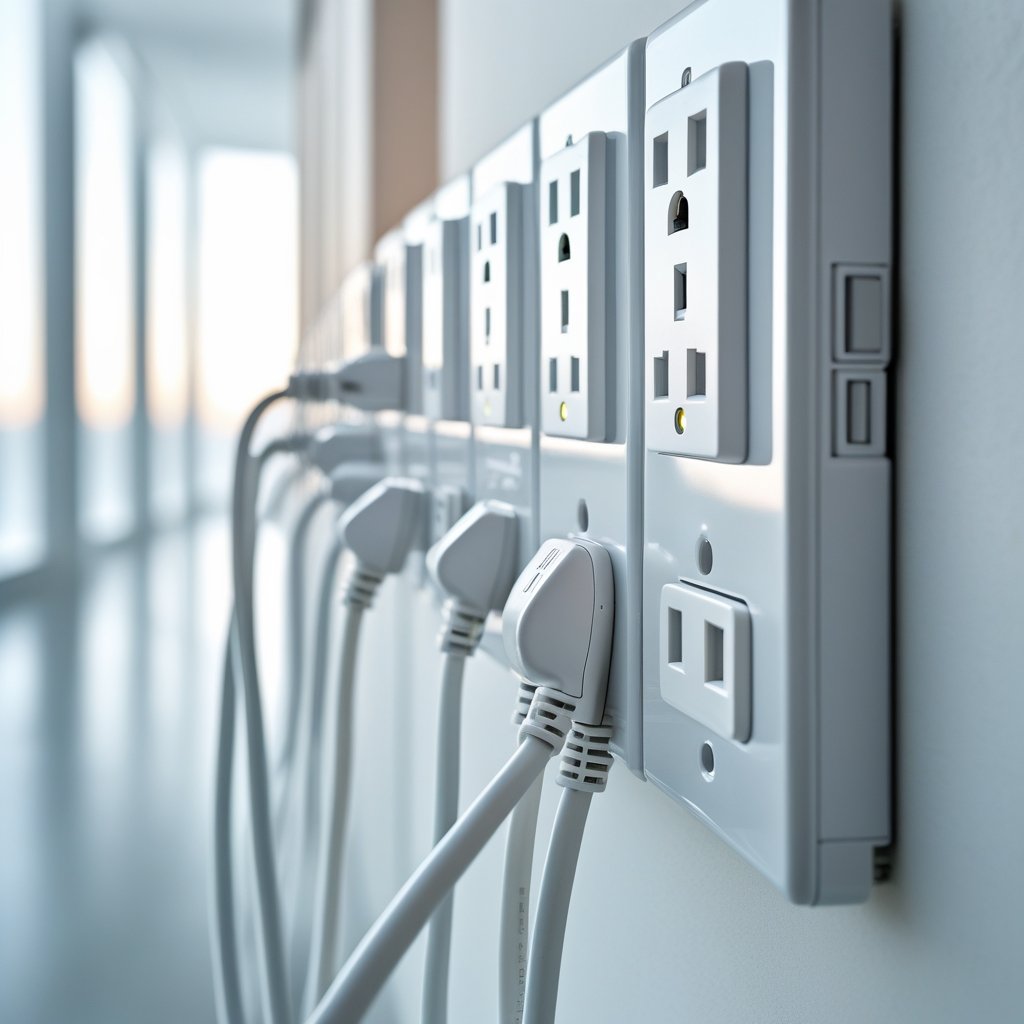
If you need more outlets in your space, daisy chaining lets you connect multiple outlets in a series using the same circuit. To daisy chain outlets, connect the hot wire from the first outlet to the second outlet’s hot terminal, and do the same for the neutral wire.
This method helps you add extra outlets without running new wires from the breaker panel. It’s important to do this safely so you don’t overload your circuit or cause wiring problems.
This guide shows you how to daisy chain outlets step by step and what to watch out for.
Understanding Daisy Chaining Outlets
Daisy chaining outlets means connecting several outlets together using the same wiring. This setup changes the way power flows and comes with certain risks.
Knowing when to use daisy chaining and understanding the difference between wiring types will help you do it safely.
What Is Daisy Chaining?
Daisy chaining is a way to connect multiple outlets by linking the wires from one outlet to the next. Start by wiring the first outlet to your power source.
Then, take the hot (live) and neutral wires from that outlet and connect them to the next outlet’s terminals. Continue this process down the line, creating a chain of outlets powered by the same circuit.
This setup helps you add outlets without running a new wire from your main panel each time. All outlets in the chain share the same current, so avoid overloading the circuit.
When to Use Daisy Chained Outlets
Use daisy chaining when you want several outlets in a row without complex wiring. It works well for small areas like a room or hallway with low power demands.
Avoid daisy chaining if you plan to plug in many heavy-duty devices, such as heaters or appliances, because the circuit can overload. If you need more power, ask an electrician to add more circuits or install dedicated outlets.
Series vs. Parallel Wiring
There are two main ways to wire daisy-chained outlets: series and parallel.
Series Wiring: Outlets are wired one after another without branching. If one outlet or device fails, the others might lose power. This method is not safe for outlets.
Parallel Wiring: Each outlet connects directly to the hot and neutral wires running through the chain. If one outlet fails, the others stay powered, and each outlet gets full voltage.
For outlets, always use parallel wiring to keep power steady and safe. Connect hot to hot, neutral to neutral, and ground to ground throughout the chain.
Safety Precautions for Electrical Work
When working with electrical outlets, always put safety first. Prepare the right tools, make sure the power is off, and use proper protective gear.
These steps help prevent accidents and keep you safe during the project.
Required Tools and Equipment
Before you start, gather all the tools you need. This usually includes a voltage tester, wire stripper, screwdrivers, electrical tape, and wire connectors.
The voltage tester is crucial because it confirms the power is off before you touch any wires. Make sure your tools are in good condition.
Avoid using damaged or worn tools, as they can cause accidents or fail during use.
Turning Off Power
Always turn off the power at the circuit breaker before working on any outlet. Test the outlet with a voltage tester to make sure the power is truly off.
Flipping the outlet switch is not enough since it might just control the device, not the power source. Label the breaker if needed so no one else turns it back on while you work.
Personal Protective Gear
Wear the right protective gear to reduce the risk of injury. Use insulated gloves to protect against electric shocks.
Wear safety glasses to shield your eyes from sparks or debris. Avoid loose clothing and remove metal jewelry that could cause short circuits.
Wear sturdy, closed-toe shoes to protect your feet from accidental drops or sharp objects.
Planning Your Outlet Circuit
Before you start daisy chaining outlets, plan how much power you’ll need, check your current wiring, and decide where each outlet will go. These steps help ensure your circuit is safe and works well.
Assessing Your Power Needs
Figure out how much power your outlets will use. A typical 15-amp circuit can handle up to about 1,800 watts safely.
If you plan to plug in devices that use a lot of power, like heaters or kitchen appliances, keep that in mind. Count the number of devices you expect to use and their wattage.
Add them up to see if your circuit can handle the total load without tripping the breaker. If you expect more than about 8 to 10 outlets on a 15-amp circuit, you risk overloading it.
If your outlets are on a 20-amp circuit, you can handle more power. Always know which circuit you’re working with.
Evaluating Existing Wiring
Check the wiring you already have. Look at the gauge of the wire, which tells you how much current it can safely carry.
Most household outlets use 14-gauge wire for 15-amp circuits and 12-gauge wire for 20-amp circuits. Look for any signs of damage or wear, such as cracks, breaks, or loose connections.
If the wiring looks old or unsafe, consider replacing it instead of adding more outlets. Make sure the circuit breaker and outlet boxes can handle the extra outlets you want to add.
Mapping Outlet Locations
Plan exactly where each outlet will go. Think about what you will plug in and how convenient the location is.
Space outlets evenly and place them near where you use devices most often. Measure the distance between outlets to ensure you have enough wire to connect each outlet in a chain.
Do not stretch wires tight; leave some slack for safe connections. Write down your outlet spots on a simple sketch to help when running wires and installing outlets.
Step-by-Step Process to Daisy Chain Outlets
Start by safely removing the existing outlet and preparing the wiring. Then, connect the hot and neutral wires correctly to the new outlet.
After that, secure everything in place before turning the power back on and testing your work.
Removing the Existing Outlet
First, turn off the power to the outlet at your circuit breaker. Double-check there’s no power by using a voltage tester on the outlet terminals.
Remove the outlet cover plate by unscrewing it. Unscrew the outlet itself from the electrical box, then gently pull it out to expose the wiring.
Take note of how the wires are connected. Usually, you’ll see a black (hot) wire, white (neutral) wire, and possibly a green or bare copper (ground) wire.
Connecting Wires to the New Outlet
Create a “daisy chain” by connecting the hot wire from the power source and the hot wire going to the next outlet together. Connect the black (hot) wires to the brass screws on the new outlet.
Use a wire nut if you need to join more than two wires before attaching them to the outlet. Repeat this for the white (neutral) wires on the silver screws.
Attach the ground wire to the green screw or grounding point. Tighten all terminal screws securely, but don’t overtighten.
Securing and Mounting Outlets
Push the wires carefully back into the electrical box to avoid damage or looseness. Make sure no bare wire is exposed beyond the terminals.
Screw the outlet firmly into the box. Attach the faceplate cover snugly so it sits flush against the wall.
Check that the outlet is stable and not wobbly. Adjust wire positioning if needed before final tightening.
Restoring and Testing Power
Turn the power back on at the circuit breaker. Use a plug-in tester or a small appliance to verify that both outlets in the chain work correctly.
Test the ground connection if you have a tester with that function. Check all the outlets for power consistency and look for any loose connections or sparks.
If something doesn’t work, turn off the power and double-check your wiring steps.
Wiring Methods and Best Practices
When wiring outlets in a daisy chain, make sure connections are secure and safe. Choose the right connection style, match wire sizes, and clearly label wires to keep your work organized and reduce risks.
Using Pigtails vs. Direct Connections
You have two main options for connecting wires: pigtails or direct connections.
Pigtails use short extra wires from each outlet’s terminals to a main wire with wire nuts. This method avoids stressing the outlet’s terminals and makes changing outlets easier.
Direct connections mean connecting the incoming wire from one outlet directly to the next outlet’s terminal. This can save space but puts more stress on the outlet’s screws.
Pigtails are generally safer because they reduce loose connections. If you need to replace one outlet, you won’t have to disconnect multiple outlets.
Use copper wire nuts rated for the wire size to make pigtails secure.
Matching Wire Gauge
Use the right wire size when daisy chaining outlets. The wire gauge controls how much electrical current can safely flow without overheating.
Most residential outlets use 12-gauge wire for 20-amp circuits or 14-gauge wire for 15-amp circuits. Always match the wire gauge to your circuit breaker rating.
Don’t mix different wire sizes in the same circuit. For example, don’t mix 12-gauge and 14-gauge wire together.
Check the wire gauge stamped on the insulation before connecting.
Labeling Wires
Label wires as you work to avoid confusion later. When forming pigtails or connecting outlets, mark which wires are hot, neutral, and ground.
Use colored electrical tape or write on small tags. For example:
- Black or red wires: Hot
- White wires: Neutral
- Green or bare copper: Ground
If you add multiple outlets on one circuit, label wires to show which outlet they feed from or connect to. This makes troubleshooting and future upgrades easier.
Clear labels reduce mistakes and improve safety.
Troubleshooting Common Problems
Certain problems can cause trouble with power or safety when you daisy chain outlets. Knowing how to find and fix these issues keeps your outlets working well.
Resolving Power Loss
If one or more outlets in the chain aren’t getting power, check the circuit breaker first. A tripped breaker can cut power to all connected outlets.
Inspect the outlet where the chain starts. Loose or damaged wiring here can stop electricity from reaching the rest.
Use a voltage tester to check if power reaches each outlet in order. If power stops partway, the problem is likely at the last working outlet or the next one.
Turn off the power before tightening connections or replacing any outlet. Always be careful with electricity to avoid injury.
Fixing Loose Connections
Loose connections can cause sparking, flickering, or outlets that don’t hold plugs well. First, turn off the power at the breaker before starting any repairs.
Unscrew the outlet cover and check the wires. Tighten any loose screws that hold the wires in place.
Look for damaged or frayed wires. Replace or trim them, then strip fresh wire for a secure connection.
Connect each wire to the correct terminal: black or red to brass (hot), white to silver (neutral), and green or bare to ground.
Tighten the mounting screws if the outlet feels loose. This keeps the outlet stable when plugging in devices.
Identifying Overloaded Circuits
If circuit breakers trip often or lights flicker when using several outlets, your circuit might be overloaded.
Each circuit has a limit on how much power it can handle safely. Plugging in too many high-power devices or daisy chaining outlets can cause problems.
Spread large appliances across different circuits to avoid overload. Consider upgrading your wiring and circuit breakers with a licensed electrician if needed.
If you suspect overload, check the breaker panel for tripped breakers. Unplug some devices before resetting the breaker.
Compliance With Electrical Codes
When you daisy chain outlets, follow safety rules to protect your home. Know how many outlets you can put on one circuit and get the right permissions before starting work.
National Electrical Code Guidelines
The National Electrical Code (NEC) sets wiring standards for outlets. It limits how many outlets you can add to a single 15 or 20-amp circuit.
Usually, you can put about 8 to 10 outlets on one 15-amp circuit, depending on the devices you plan to use. The NEC also requires that all outlets in living areas be grounded and properly spaced to avoid overloading circuit breakers.
Use the correct wire gauge and connect outlets carefully to prevent loose connections that can cause sparks or fires. Do not overload the circuit with too many high-power devices.
Always check your breaker’s rating and the load capacity before adding outlets.
Local Permit Requirements
Before adding outlets, check if your city or county requires a permit. Many places need a permit to ensure the work is safe and follows local building codes.
Applying for a permit usually means submitting plans or explaining your project to an inspector. An electrician or inspector may check the work after it’s done.
If you don’t get a permit, you could face fines or have to redo the project. Getting proper permits also adds value to your home by showing the work meets safety standards.
Contact your local building department to learn the exact steps and fees involved.
When to Call a Licensed Electrician
Some electrical work can be too risky or complicated to do yourself. Knowing when to call a professional keeps you safe and ensures your system works properly.
Signs of Complex Wiring Issues
If your outlets overheat or spark, stop and call an electrician. These are signs your wiring might be faulty or damaged.
Frequent tripping of your circuit breakers could mean an overloaded or shorted circuit. Loose outlets that don’t tighten with basic fixes are another warning.
Persistent power problems after simple repairs need expert inspection. Faulty wiring can cause fires and electrical shocks, so act quickly.
Upgrading Outdated Electrical Systems
Older homes often have outdated wiring or not enough outlets for today’s devices. If you want to add many new outlets or install high-demand appliances, an electrician can check if your system can handle the load.
Trying to add outlets without updating old wiring may overload circuits. A professional can install new circuits or dedicated outlets to manage demand safely.
This reduces risks and keeps your home’s power stable and safe.
Tips for Long-Term Maintenance
Check your daisy-chained outlets regularly to keep them working well. Look for signs of wear, like loose plugs or outlets that don’t hold plugs tightly.
Tighten screws and replace any outlets that show damage. Avoid overloading the circuit by spreading high-power devices across different circuits.
Regular system checks can catch small problems early. You can do basic inspections yourself or hire an electrician for a thorough look.
If you notice flickering lights or warm outlets, act fast. These are signs of a loose connection or overload.
Keep the wiring neat and organized. When adding or repairing outlets, make sure wires are properly connected and insulated.
Use a simple checklist to track your maintenance:
- Check outlet tightness twice a year
- Test outlets regularly with a plug tester
- Avoid plugging too many devices into one circuit
- Call an electrician if you see sparks or smell burning
Frequently Asked Questions
Daisy chaining outlets means connecting multiple outlets in a line from one power source. You need the right wiring method, safety tips, and tools to do it properly.
What’s the right way to wire multiple outlets in a single circuit?
Connect the hot wire from the first outlet to the hot terminal of the second outlet. Repeat this for neutral and ground wires at each outlet.
This setup lets you power several outlets on the same circuit safely.
Can you tell me the steps to connect two outlets together?
First, turn off the power at the breaker. Connect the incoming hot wire to the first outlet’s hot terminal.
Use a short wire to connect the first outlet’s hot terminal to the second outlet’s hot terminal. Repeat this for neutral and ground wires.
Finally, secure both outlets and restore power.
Are there any safety tips I should know when daisy-chaining electrical outlets?
Always turn off power before working on outlets. Avoid overloading the circuit by keeping the total wattage in check.
Use wires that match your circuit’s amperage. If unsure, consult a professional to prevent fires and electrical hazards.
What kind of tools do I need to daisy chain outlets yourself?
You’ll need a voltage tester, wire strippers, a screwdriver, electrical tape, and wire nuts. A circuit breaker finder helps ensure the power is off.
Having these tools makes the job safer and easier.
How do I ensure that all the outlets have power when daisy-chaining?
Check that all hot, neutral, and ground wires are securely connected at each outlet. Use a voltage tester on every outlet after wiring to confirm power.
Test with a simple device like a lamp or phone charger to be sure.
Is daisy-chaining outlets up to code, or should I consider alternative methods?
Daisy chaining is allowed if you do it correctly and safely. You must follow local electrical codes, including rules about wire gauge and circuit limits.
Sometimes, adding a new circuit or using a power strip is a better option. Check local rules to make sure you stay compliant.