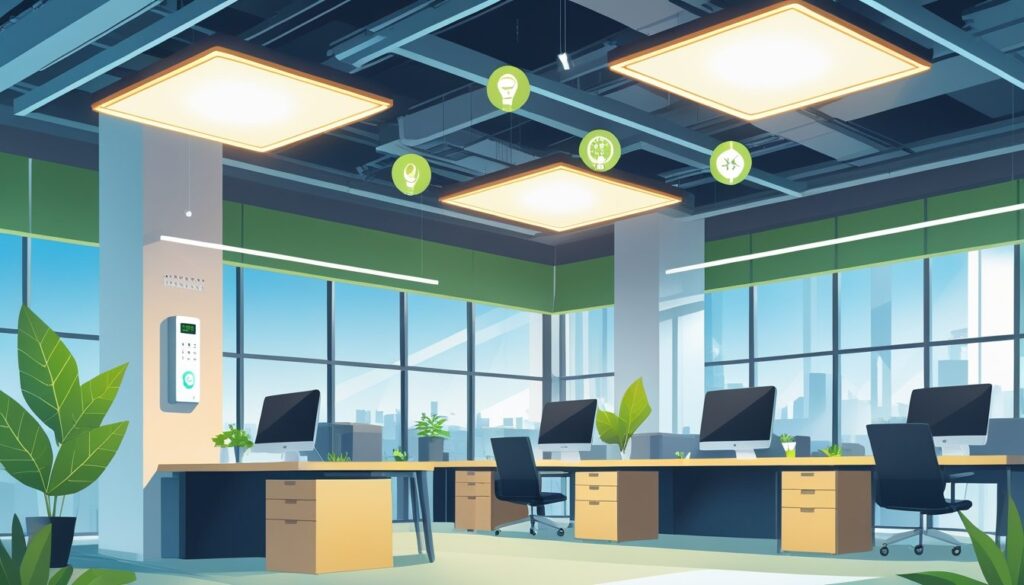
Choosing energy-saving lighting for your business is a great way to cut costs and make your workspace brighter and safer. The main thing? Focus on LED lighting and smart solutions—they use less power, last longer, and you won’t have to mess with them as often. That means lower bills and a friendlier footprint for the planet.
You want lighting that makes your space better, not more complicated. Our licensed team at Magnify Electric can make things simple, handling anything from basic lighting swaps to more involved electrical work. When you work with us, you get advice that fits your business and service you can count on.
Understanding Energy-Saving Lighting Options
To pick the right lighting, you need to know how each type works, how much energy it uses, and which certifications actually matter. You’ll want lights that last, cost less to run, and really suit your space.
LED vs. Fluorescent vs. Halogen
LED lights use the least energy and last the longest. They’re much more efficient than fluorescent and halogen bulbs, converting most electricity into light, not heat. LEDs can cut your energy bills by 30% to 60%—that’s a pretty big deal for most businesses.
Fluorescent lights are cheaper up front but contain mercury, so disposal gets tricky. They use more energy than LEDs, but less than halogens. Halogen bulbs have that warm glow, but honestly, they waste a lot of energy as heat and burn out pretty fast, so you’ll be replacing them more often.
If you want to save money and hassle over time, LEDs are the way to go. Plus, they come in all kinds of styles, so you can match the look you want for your office or shop.
How Smart Lighting Systems Work
Smart lighting connects your lights to a control system, so you can manage brightness, color, and schedules from your phone or computer. It’s easy to turn off lights when you’re not using them or tweak settings based on how much daylight you’re getting.
These systems use sensors to pick up on motion or changes in natural light, so your lights only run when you actually need them. That means less wasted electricity.
Smart lighting isn’t just about saving energy—it adds convenience and a bit of security, too. You can even track energy use and make smarter choices down the line.
Lighting Certifications and Standards
Look for certifications like ENERGY STAR or DLC (DesignLights Consortium) when you’re shopping for energy-saving lights. Those labels mean the product meets strict standards for efficiency and performance.
Certified bulbs get tested for brightness, lifespan, and energy use, so you know you’re getting something that’ll save you money and last.
Magnify Electric can help you sort through the options and pick fixtures that meet these standards. Our licensed electricians make sure your lighting is installed right, so you actually get the savings you expect.
Assessing Your Business Lighting Needs
Before you pick out new lighting, take a close look at what you already have, figure out where things could be better, and think about what each part of your business really needs. That way, you’ll get fixtures that save energy and actually work for your space.
Analyzing Existing Lighting Infrastructure
Start by checking your current setup. What kinds of bulbs and fixtures do you use? How old are they? How much energy do they burn? Notice if some lights seem to burn out all the time or if you’ve got weird dark spots or glare.
Check how much you’re spending on electricity for lighting. That’ll show you where you’re using the most energy. Also, look at how you control your lights—are you using manual switches, timers, or sensors? Upgrading these can sometimes save a surprising amount of power.
Our licensed electricians at Magnify Electric can come take a look and help you figure out what’s working, what’s not, and what’s worth upgrading.
Identifying Areas for Improvement
Find spots that feel too bright or too dim—these usually signal wasted energy or bad fixture placement. Also, look for lights that stay on in empty spaces like storage rooms or meeting areas.
Things like dusty lenses, flickering lights, or sketchy wiring can reduce efficiency. Sometimes, just fixing these issues can cut your energy use without buying anything new.
Focus on areas that get used the most. Upgrading these to LEDs or adding smart controls will have the biggest impact.
Considering Lighting Requirements by Space
Different rooms need different lighting, obviously. Offices need bright, even light to help people focus. Retail areas should light up products so they look their best. Break rooms and lounges? Softer, warmer lighting feels more relaxing.
Think about color temperature and brightness when picking fixtures. Cooler light (4000K-5000K) is good for working; warmer light (2700K-3000K) feels cozier for downtime.
Magnify Electric can help you figure out the right mix for each space. We handle installation, adding outlets, and whatever else you need, so your lighting actually fits how you use each room.
Evaluating Energy Efficiency and Cost Savings
If you’re thinking about energy-saving lighting, you’ll want to know how much energy you can actually save, what the upgrade will cost, and how quickly you’ll earn back your investment. These details help you make choices that fit your budget and goals.
Calculating Potential Energy Reductions
Compare the wattage of your current bulbs with LED options. LEDs often use about 75% less energy than older bulbs. For example, swapping a 100-watt bulb for a 25-watt LED makes a huge difference.
Figure out how many hours a day your lights are on, multiply by the wattage savings, and you’ll see how many kilowatt-hours (kWh) you save per month. Add smart controls to dim or turn off lights when not needed, and you’ll save even more.
Keep track of your current electricity bill to estimate savings. And since LEDs last longer, you’ll be spending less on replacements, too.
Budgeting for Upgrades
When you plan your budget, factor in the cost of new LED fixtures and installation. LEDs might cost more at first, but their efficiency and long life make up for it.
Don’t forget about extras like smart sensors or dimmers. These can bump up the upfront cost but save you more in the long run by controlling usage.
At Magnify Electric, our licensed electricians will give you a clear estimate. We handle everything safely and efficiently, so your upgrade fits your budget—no surprise expenses.
Estimating Return on Investment
To figure out your ROI, divide the total cost of your upgrade by the expected yearly savings on electricity and maintenance.
For instance, if you spend $1,000 and save $300 a year, you’ll break even in about 3.3 years. After that, it’s all savings.
Also, check for rebates or incentives for energy-efficient lighting. These can bring your costs down and help you reach ROI faster.
Magnify Electric will help you pick the right products, install them properly, and keep track of your savings. We try to make the switch as smooth and worthwhile as possible.
Choosing Features and Controls for Maximum Efficiency
To really squeeze the most out of your lighting, focus on features and controls that fit your business. Dimming, sensors, and automation can all cut down on waste. When you tie these into your building systems, managing everything gets way easier.
Dimming and Sensor Technologies
Dimming lets you lower the lights when you don’t need them at full blast. That saves power and helps bulbs last longer. In places like conference rooms or break areas, dimmers can set the mood and cut energy use.
Sensors pick up motion or daylight and control lights automatically. Motion sensors shut off lights when nobody’s around, and daylight sensors adjust brightness based on natural light. These tools help you avoid lighting empty rooms and burning through cash.
When you choose these features, look for ones that are easy to install and work with your current setup. Place sensors and dimmers in the right spots so you don’t end up with dark corners or wasted coverage.
Automated Lighting Controls
Automated controls let you schedule lights to turn on or off at set times. This way, you don’t have to rely on staff to remember, and you won’t end up lighting empty offices overnight.
You can set up zones with different schedules. For example, the front office might need lights on longer for cleaning, while workspaces can go dark earlier. Automated systems also help you stay within energy codes by sticking to operational hours.
Pick systems that are easy to program. You’ll want to tweak settings as your business changes, and complicated controls just slow things down.
Integration With Building Management Systems
If you connect your lighting controls to a building management system (BMS), you can monitor and adjust everything from one place. It’s handy to track energy use across the building in real time.
A BMS lets you set up alerts for weird energy spikes and change lighting schedules remotely. This helps you spot problems early and plan maintenance before things break.
Magnify Electric’s licensed electricians know how to set these systems up. Whether you’re upgrading an old system or starting fresh, we make sure everything runs smoothly and efficiently.
Implementing and Maintaining Energy-Saving Lighting
To really get the benefits of energy-saving lighting, pay attention to how you install it, keep it maintained, and make sure your staff knows how to use it. These steps help your lights work better and last longer.
Planning the Installation Process
Start by looking at your current lighting. Figure out where LEDs or other energy-saving options will work best. Check if your fixtures will work with new bulbs or dimmers—you might need to swap out some hardware to meet efficiency standards.
Set up an installation timeline that won’t disrupt your business too much. Always turn off circuits before doing electrical work. If you’re not sure, bring in experts like Magnify Electric. Our licensed electricians plan and install your new lighting safely and make sure it all meets local codes.
Scheduling Regular Maintenance
Energy-saving lighting works best when it’s clean and in good shape. Set a maintenance schedule to wipe down fixtures, clear out dust, and check wiring. Dust and dirt can block light and make fixtures less efficient.
Check for worn-out or flickering bulbs and swap them out right away. Test dimmers and sensors to make sure they’re working. Doing these checks every few months can help you avoid bigger problems and keep your lights reliable.
Training Staff on Usage
Your team makes a real difference in energy savings. Show them how to use dimmers and switches, and explain why shutting off lights matters.
Give them simple tips for handling bulbs to avoid breakage. Encourage everyone to report lighting problems quickly so you can fix them before they get worse. Well-trained staff help keep things efficient and comfortable for everyone.
Frequently Asked Questions
Choosing the right energy-saving lighting is about balancing cost, efficiency, and what your workspace really needs. Knowing about fixture types, certifications, and how lighting affects your business can help you make better choices.
What are the best types of lighting fixtures for energy efficiency in businesses?
LED fixtures are the top pick. They use less energy and last way longer than older bulbs, and they work well in everything from offices to retail shops.
Tunable white LED lights are also handy—they let you adjust color temperature for different times or tasks, which can make people more comfortable and productive.
What do I need to know about ENERGY STAR lighting for commercial use?
ENERGY STAR-certified lights meet strict energy efficiency standards without sacrificing brightness. These bulbs help you cut electric bills while keeping your workplace well-lit.
When you pick ENERGY STAR products, you avoid bulbs that waste power or burn out fast. They’re tested to last, so you’re protecting your investment.
How can I evaluate the energy savings potential of LED light bulbs?
Check the bulb’s wattage and lumens to compare power use and brightness. Lower watts with the same brightness means you’re saving energy.
Also, look at the bulb’s lifespan. The longer it lasts, the less often you’ll need to replace it, which saves you money on maintenance and supplies.
What factors should I consider when selecting energy-efficient lighting for my company?
Start by figuring out how much light your space actually needs and what kind of work happens there. The right lighting makes a big difference—less eye strain, better focus, and honestly, people just feel more comfortable.
Don’t forget to weigh the upfront price against the savings down the road. Sure, energy-efficient lighting might sting a bit at first, but those lower utility bills add up.
It’s also worth checking out any local energy programs or rebates. Magnify Electric can point you toward options that make sense for your budget and your space.
How do color temperature options like 3000K and 4000K affect energy consumption in office settings?
Color temperature doesn’t really affect how much energy you use. Still, it changes the vibe. Warmer light (think 3000K) feels inviting, almost homey. Cooler light (around 4000K) keeps people awake and sharp.
Picking the right color isn’t just about looks—it shapes mood and productivity, which honestly matters just as much as the energy savings.
Which is more energy-efficient for business use, LED or fluorescent lighting?
LED lighting beats fluorescent bulbs when it comes to energy efficiency. LEDs draw less power, stick around longer, and don’t tend to flicker or burn out as quickly.
They handle cold or low-light settings better, too, so you get more flexibility. Honestly, for most businesses, LEDs just make more sense—they’re easier on the power bill and less hassle over time.
If you’re thinking about upgrading your lighting, Magnify Electric’s licensed electricians can help with everything from new fixtures to bigger electrical projects. They cover both residential and commercial needs, so you’re not left in the dark.