
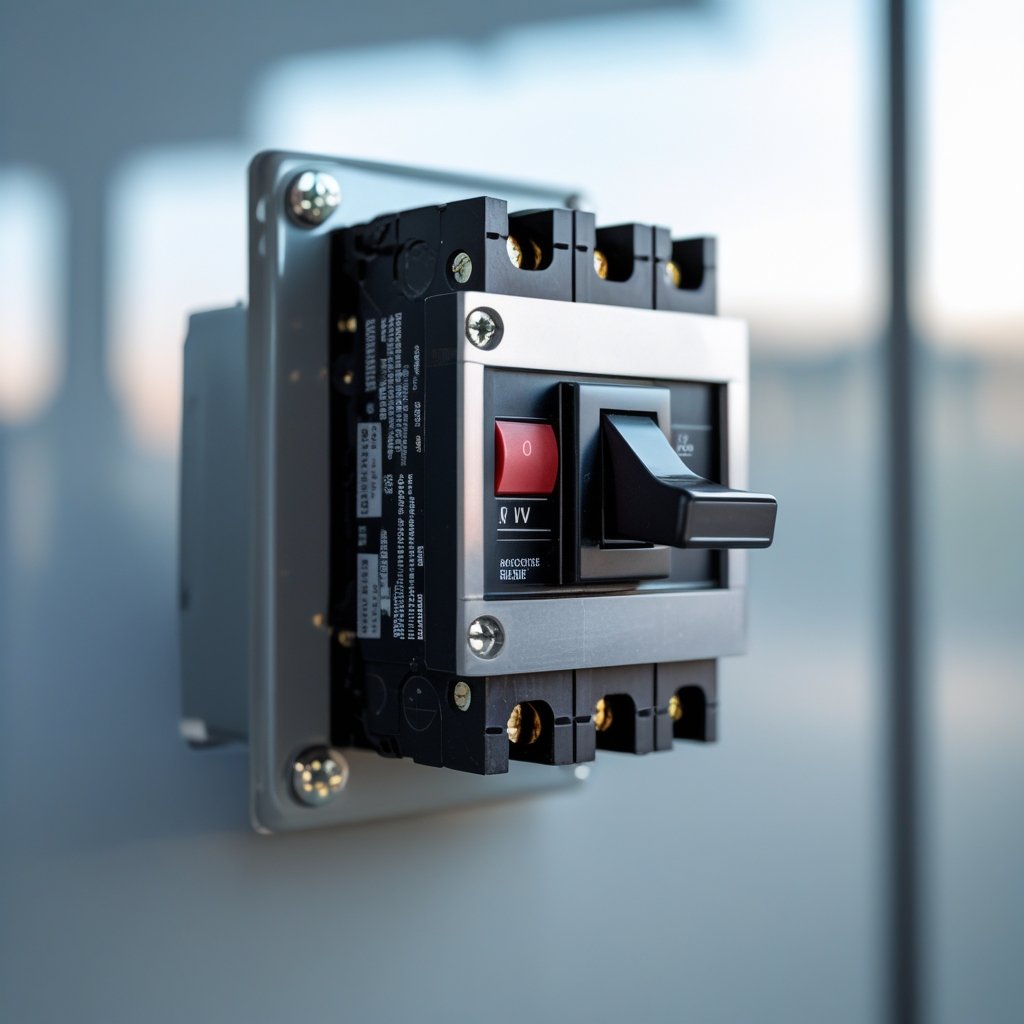
When you work with your home’s electrical system, knowing the difference between a single pole and a double pole breaker helps keep things safe.
A single pole breaker controls one 120-volt circuit. A double pole breaker manages two circuits at 240 volts.
Double pole breakers are best for larger appliances that need more power.
If you plan to install a dryer or water heater, you’ll likely need a double pole breaker.
For lighting and outlets, a single pole breaker usually works.
If you understand how each breaker works, you can better protect your home and avoid electrical problems.
What Is a Breaker?
A breaker is a safety device that controls electricity flow in your home.
It keeps your electrical system safe by stopping power when there’s a problem.
Breakers protect your home and are easy to use.
Purpose of Circuit Breakers
Circuit breakers stop electricity flow when there is too much current.
This protects your home from fires and damage to appliances.
If a circuit has too much electricity, the breaker will “trip” and cut off power.
Breakers let you control different parts of your home’s electrical system.
You can switch off power to one room without affecting others.
This makes electrical work safer.
Single-pole breakers control 120 volts for lights and outlets.
Double-pole breakers manage 240 volts for bigger appliances like dryers or water heaters.
Basic Operation
Breakers sense electrical overloads or short circuits.
When the current is too high, they quickly break the circuit to stop electricity.
Inside a breaker, a small metal piece heats up as current increases.
When it gets too hot, it bends or trips a switch to cut off power.
Some breakers use a magnetic mechanism to trip faster in short circuit cases.
You can reset a breaker by switching it back after fixing the problem.
Breakers are reusable, unlike fuses, which need replacement after they blow.
Essential Differences Between Double Pole and Single Pole Breakers
When you choose between double pole and single pole breakers, you need to know how many circuits each controls, the voltage they support, and their size ratings.
These details help you pick the right breaker and keep your system safe.
Number of Poles
Single pole breakers control one electrical circuit.
They handle one “hot” wire and protect a single line of electricity.
That’s why they are used for standard lighting and outlet circuits.
Double pole breakers control two circuits at the same time.
They manage two hot wires and connect them within one switch.
If there is a fault, both wires shut off together for better safety.
Supported Voltage Levels
Single pole breakers protect circuits operating at 120 volts.
This is the typical voltage for most household outlets and lights.
You will find these breakers in almost every home.
Double pole breakers are designed for 240-volt circuits.
These are used for bigger appliances like dryers, ovens, and air conditioners.
This higher voltage ensures these appliances get enough energy safely.
Breaker Sizes
The size of your breaker affects how much current it can carry.
Single pole breakers usually range from 15 to 30 amps.
This is enough for smaller circuits like lighting or standard outlets.
Double pole breakers also come in 15 to 30 amps but handle two circuits at once.
They provide twice the power rating in some cases, which supports heavy-duty equipment.
How Double Pole Breakers Work
Double pole breakers handle two separate live wires at once.
They cut off power to both wires at the same time if something goes wrong.
This makes them safer for high-power devices.
Wiring and Installation
Double pole breakers connect to two hot wires, usually delivering 240 volts.
You’ll find them using two slots in your breaker panel.
Each slot handles one live wire.
When installing, the breaker must match the wires and the appliance’s power needs.
The two wires run together to the breaker, and a shared neutral wire often stays separate.
Turn off the main power before you install or replace any breaker.
Proper wiring and secure connections are important because the breaker protects against overloads and shorts on both lines.
Typical Applications
You’ll use double pole breakers for appliances that need more power.
This includes dryers, water heaters, air conditioners, and ovens.
These devices run on 240 volts, so a single-pole breaker won’t work.
The double pole breaker splits the voltage between the two hot wires.
They are also used where two circuits need to be controlled together.
This prevents hazards by cutting power from both at once.
Pros and Cons
Pros:
- Protects two wires and handles 240 volts safely.
- Cuts off power to both wires if a fault happens.
- Supports bigger appliances that need more power.
Cons:
- Takes up two slots in the panel, which might limit space.
- More complex wiring than single pole breakers.
- Needs proper sizing and installation to avoid risks.
How Single Pole Breakers Work
Single pole breakers control one 120-volt circuit at a time.
They protect your home wiring by cutting off power when there is too much electricity.
You will find them in most everyday setups like lighting and outlets.
Wiring and Installation Steps
To install a single pole breaker, connect it to one hot wire and a neutral wire in your breaker panel.
The breaker fits into one slot and links to either bus bar in the panel.
Turn off the main power before starting.
Attach the hot wire to the breaker terminal and the neutral wire to the neutral bar.
Make sure the breaker’s amperage matches your circuit needs.
After wiring, clip the breaker firmly into place.
Common Uses
Single pole breakers are used for standard 120-volt circuits.
This includes general lighting, wall outlets, and small appliances.
You will find these breakers powering lamps, TVs, and kitchen receptacles.
They handle less power than double pole breakers and fit well for everyday needs.
If you have a single circuit with lighting and outlets, a single pole breaker is usually right.
Advantages and Limitations
Single pole breakers are simple, easy to install, and cost-effective.
They provide good protection for basic circuits and help prevent overloads.
However, they only handle 120 volts and cannot supply power to large appliances like ovens or dryers.
They also protect just one circuit at a time.
If you need to turn off multiple circuits or supply more power, this type of breaker won’t work.
Choosing the Right Breaker for Your Needs
Pick the right breaker based on the appliances you use and how much power they need.
Think about safety and the load your circuit will carry.
Safety Considerations
Your safety comes first when choosing a breaker.
A single-pole breaker is for 120-volt circuits in most home lighting and outlet setups.
It protects against overloads by cutting power if the current gets too high.
A double-pole breaker works with 240-volt circuits for bigger appliances like dryers and water heaters.
It shuts off both hot wires at the same time, which helps avoid electrical shocks or fires.
Always match the breaker to the circuit’s voltage and amperage.
Using the wrong breaker can cause overheating or short circuits.
Capacity and Load Requirements
Know the power needs of your devices before picking a breaker.
Single-pole breakers handle 15 to 20 amps, good for lights and small appliances.
Double-pole breakers pull up to 50 amps or more for larger appliances needing 240 volts.
They connect to two slots in your breaker panel to handle higher power.
Make a list of devices you want to run on each circuit.
Check their wattage and amperage needs.
Choosing the correct breaker size keeps your system stable and prevents trips from too much load.
Costs of Double Pole vs Single Pole Breakers
Choosing between single-pole and double-pole breakers affects your budget in two ways: the price of the breaker and the cost of installation.
Each type comes with different price points and installation needs.
Purchase Price Range
Single-pole breakers usually cost between $100 and $150.
These breakers handle 120 volts and are less expensive.
Double-pole breakers are made for 240 volts and usually cost $150 to $200.
They handle more power and use two slots, so they cost more.
Main breakers, which are different, can cost $200 to $600.
This is because they protect your whole electrical panel.
Installation Expenses
Installing a single-pole breaker is quicker and cheaper.
It connects to one circuit, so installation time is shorter and less wiring is needed.
Double-pole breakers require more work because they handle two circuits.
You’ll likely pay more for labor, especially if your panel needs rewiring for a 240-volt breaker.
If you aren’t experienced, hire a professional.
Expect to pay more for double-pole breaker installation due to higher voltage and complexity.
Troubleshooting Breaker Issues
Breaker problems often show up as frequent trips, failure to reset, or no power where there should be.
Knowing common causes helps you fix issues safely.
Common Problems with Double Pole Breakers
Double pole breakers handle 240 volts and feed large appliances like dryers or water heaters.
Frequent tripping often means overloaded circuits or short circuits.
If the breaker won’t reset, check for a faulty appliance or wiring problem.
A double pole breaker can trip if one side is damaged.
Corrosion or loose connections can cause the breaker to lose contact.
Inspect the breaker for visible signs of wear.
If one side of the breaker works but the other doesn’t, the breaker itself may be bad and need replacement.
Always turn off power before working around your breaker panel.
Common Problems with Single Pole Breakers
Single pole breakers control 120-volt circuits used for lights and outlets. The most common issue is breaker trips caused by overloaded circuits when too many devices run on the same line.
Another problem is a breaker that won’t reset. This can mean a short circuit in the wiring or a stuck breaker switch.
Sometimes the breaker feels hot or smells burnt. This means there’s a loose connection or damaged wiring, which you should fix immediately to avoid fire risk.
You might need to replace the breaker or call an electrician for a full inspection if problems continue.
When to Upgrade or Replace Your Breaker
Consider upgrading or replacing your breaker if your home is more than 40 years old. Older breakers may not handle today’s electrical needs safely.
Frequent breaker trips or flickering lights are signs something might be wrong with your breaker. These signs can mean your breaker is overloaded or faulty.
If you add new, high-power appliances like a dryer or water heater, you might need a double-pole breaker. Double-pole breakers handle 240 volts and support larger loads better than single-pole breakers.
Here are clear signs to watch for:
- Breaker trips often without a clear reason
- Lights flicker when using appliances
- Your electrical panel feels warm or hot
- Your breaker looks damaged or worn out
- You install new heavy appliances requiring more power
When choosing a professional for repairs or upgrades, check their experience. Qualified electricians with good reviews will help keep your home safe.
Single-pole breakers usually cost less, while double-pole breakers are a bit more expensive but necessary for bigger appliances.
Frequently Asked Questions
You need to know the basic differences between single pole and double pole breakers to choose the right one. It’s also important to understand what kind of circuits each breaker supports and how to identify what your appliances need.
Costs and safety tips can affect your decision as well.
What’s the difference between a double pole and a single pole breaker?
A single pole breaker controls one 120-volt circuit. A double pole breaker controls two 120-volt circuits at the same time, providing 240 volts.
Double pole breakers protect both wires to keep things safer during higher voltage use.
Can I use a double pole breaker in place of two single pole breakers?
No, you should not use a double pole breaker instead of two single pole breakers. Double pole breakers work together on one circuit at 240 volts.
Two single pole breakers work separately on different circuits at 120 volts each.
What types of circuits typically require a double pole breaker?
Double pole breakers are needed for appliances that use 240 volts. This includes dryers, ovens, water heaters, and some air conditioners.
These devices require more power and need both wires to be protected at once.
How can I tell if my appliance needs a single pole or double pole breaker?
Check the appliance’s voltage rating on its label or in the manual. If it says 120 volts, it needs a single pole breaker.
If it says 240 volts, it needs a double pole breaker to handle the higher power safely.
Is there a significant cost difference between single and double pole breakers?
Double pole breakers usually cost more than single pole breakers. This is because they handle higher voltage and protect two wires at the same time.
However, the price difference is often small compared to the safety benefits.
What safety considerations should I know when choosing between single pole and double pole breakers?
Double pole breakers interrupt both wires quickly during a fault. This reduces the risk of shock or fire.
Single pole breakers only cut power on one wire. Always match the breaker type to your circuit voltage.
Choose the right breaker for your appliance needs to keep your home safe.