
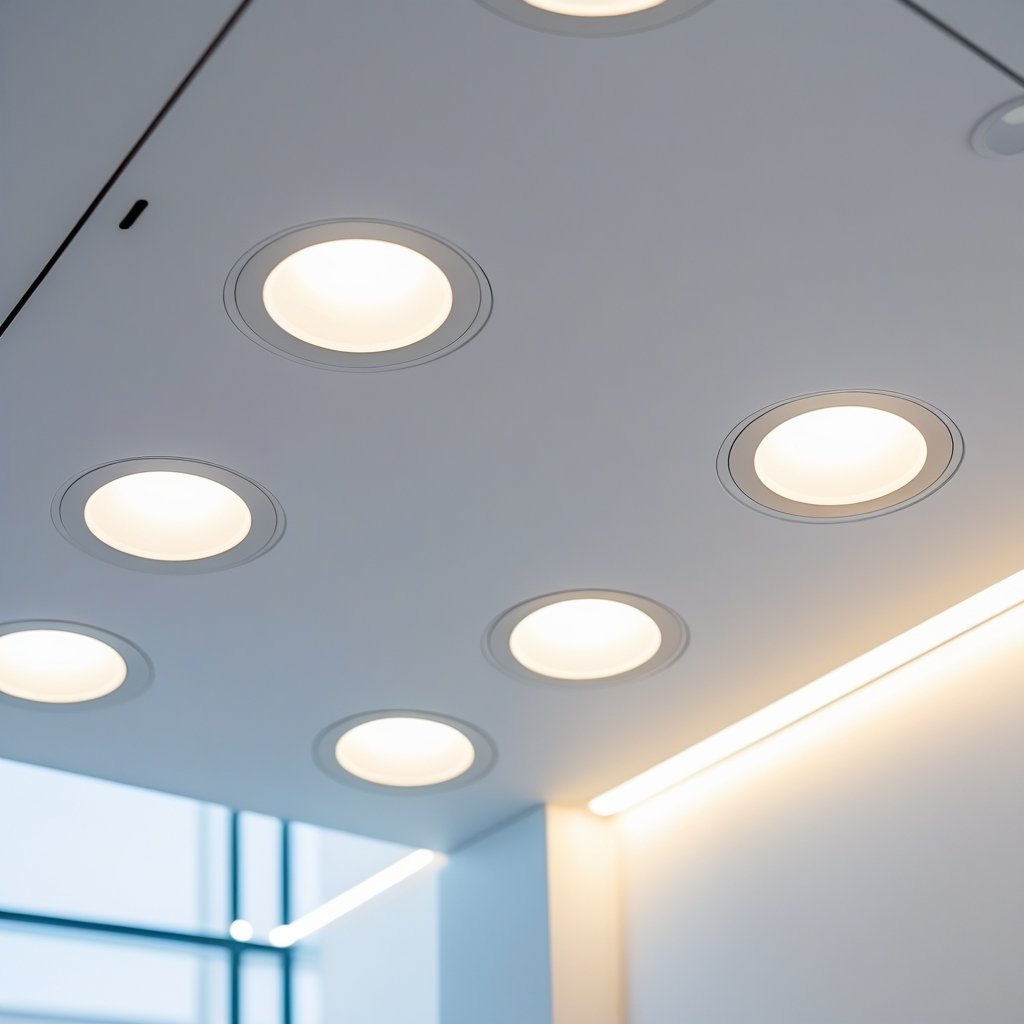
Upgrading to LED recessed lighting can make a big difference in your home or office. LEDs use much less energy than traditional bulbs and last a lot longer, saving you money on electricity and replacement costs.
Switching to LED recessed lights means brighter, more focused lighting with lower energy bills and less hassle.
You’ll enjoy a cleaner, more modern look with recessed lighting. These lights fit snugly into your ceiling and keep your space feeling open.
LEDs produce less heat, which can help keep your rooms more comfortable. Whether you want to update your home’s style or reduce your energy use, LED recessed lighting adds value and comfort.
What Is LED Recessed Lighting?
LED recessed lighting is a type of light fixture that you install into your ceiling or walls. It provides clean, focused light without hanging fixtures.
These lights save energy and last much longer than traditional bulbs. They fit in many rooms and styles, giving you flexible lighting options.
Key Features of LED Recessed Lights
LED recessed lights are small, round fixtures you mount inside ceilings. They shine light downward, creating a smooth, modern look without bulky lamps or shades.
Some main features include:
- Energy Efficiency: Use up to 75% less energy than traditional bulbs.
- Longevity: LEDs can last 25,000 hours or more before needing replacement.
- Heat Reduction: Produce less heat, making your home cooler.
- Dimming Ability: Many support dimmers, so you can adjust brightness.
- Varied Color Temperatures: You can pick warm, cool, or daylight shades to match your space.
Comparing Traditional and LED Lighting
Traditional lights like incandescent or halogen bulbs use more power and burn out faster. For example, an incandescent bulb might last about 1,000 hours, while LED bulbs can last 20 to 25 times longer.
Key differences you should know:
| Feature | Traditional Bulbs | LED Recessed Lights |
|---|---|---|
| Energy Use | High | Low (up to 75% less) |
| Lifespan | 1,000 to 2,000 hours | 25,000+ hours |
| Heat Output | High | Low |
| Lighting Quality | Warm, softer light | Range from warm to cool |
| Maintenance | Frequent bulb changes | Rare bulb changes |
Where LED Recessed Lighting Fits Best
LED recessed lights work well in many rooms and settings. They are perfect for places where you want bright, focused light with a clean ceiling look.
Consider using LED recessed lights in:
- Kitchens: Provide bright task lighting for food prep.
- Living Rooms: Create cozy, adjustable mood lighting.
- Bathrooms: Deliver clear, even light without glare.
- Hallways and Stairs: Light these areas safely without bulky fixtures.
- Offices: Reduce eye strain with steady, bright light.
You can also customize where you put the lights to highlight art, shelves, or other features in your home.
Why Upgrade to LED Recessed Lighting?
Switching to LED recessed lighting can save you money and improve your space’s look. LEDs use less energy, last longer, and fit easily into your current setup.
Top Advantages Over Conventional Bulbs
LED recessed lights use much less electricity than traditional bulbs. This cuts your energy bills and decreases your carbon footprint.
They shine brighter and offer more focused light, improving how your rooms look and feel. These lights last many times longer than regular bulbs.
You won’t have to change them often, saving you time and replacement costs. LEDs produce less heat, making your home safer and cooler.
Ease of Switching to LEDs
Replacing your current recessed lights with LED fixtures is usually simple. You can often use the same openings and wiring, which keeps installation hours and costs low.
If you hire a professional electrician, the process can be done quickly and safely. Many LED kits come with helpful instructions or even plug-and-play designs, so the switch doesn’t require special tools.
Once installed, you immediately start saving energy and enjoy better lighting quality.
Common Misconceptions About Upgrading
Some people think LED recessed lights are too bright or harsh, but many models have adjustable colors and dimming options. This lets you customize the light to suit your taste and room needs.
Others worry the upfront cost is too high. While LEDs can cost more initially, their energy savings and long life make them cheaper over time.
Some believe replacing existing fixtures is complicated. For most homes, the upgrade is straightforward and doesn’t require major electrical work.
Energy Efficiency and Cost Savings
Upgrading to LED recessed lighting helps you use electricity in a smarter way and lowers your monthly bills. You can also enjoy benefits that last for many years.
Reduced Energy Consumption
LED recessed lights use much less electricity than traditional bulbs. They convert more energy into light instead of heat, so you waste less power.
A typical LED consumes about 75% less energy than an old incandescent bulb. Your home or business will need less electricity to stay bright.
Lower energy use also means less demand on power plants, which can reduce pollution.
Lower Electricity Bills
Because LED recessed lights use less energy, your electricity bills will be lower. This change can be noticeable in your monthly expenses, especially if you have many lighting fixtures.
By replacing old bulbs with LEDs, you can save anywhere from 20% to 50% on lighting costs. This depends on how much you use your lights and the size of your space.
You don’t have to change all your lights at once. Upgrading in stages still helps reduce costs over time.
Long-Term Financial Benefits
LED bulbs last much longer than traditional ones. While an incandescent bulb may last 1,000 hours, an LED can last 25,000 hours or more.
You save money on buying new bulbs because you replace them less often. If you manage a large building or store, you also save on maintenance.
Changing bulbs less often means less work and fewer interruptions. The upfront cost might be higher, but you recoup that with energy and replacement savings.
Key benefits in brief:
| Benefit | Impact |
|---|---|
| Energy Use | Up to 75% less electricity |
| Electricity Bills | Save 20%-50% monthly |
| Bulb Life Span | Up to 25x longer |
| Maintenance Needs | Reduced frequency |
Improved Home Lighting Quality
Upgrading to LED recessed lighting gives you better control over how your rooms look and feel. You’ll notice clearer, more balanced light that covers your space well.
LED options let you pick colors and brightness that fit your needs.
Enhanced Brightness and Coverage
LED recessed lighting offers brighter light compared to many older bulbs. Your rooms get more even light without dark spots.
You won’t have to add extra lamps to fill in shadows. The focused beam of LED lights helps highlight specific areas, like a reading nook or kitchen counter.
This can make tasks easier and more comfortable. With improved brightness, you also get better energy efficiency.
LEDs use less electricity to produce the same or better light, saving you money over time.
Customizable Color Temperatures
LEDs let you choose the color tone of your light. You can pick warmer colors that feel cozy or cooler tones that make spaces look clean and bright.
Warmer light is great for relaxing areas like the living room or bedroom. Cooler light works well in kitchens and workspaces where you want to stay alert.
Changing color temperature can also match the time of day. Softer light at night helps you unwind, while daylight tones during the day keep you focused.
Flicker-Free Illumination
Older lighting can flicker, which strains your eyes and causes headaches. LED recessed lights provide steady, flicker-free light that’s easier on your eyes.
This steady light helps reduce eye fatigue, especially if you spend a lot of time reading or working under artificial light.
Flicker-free lighting also improves how colors appear in a room, making everything look more natural and sharp.
Longevity and Maintenance Benefits
Upgrading to LED recessed lighting means you’ll spend less time worrying about replacements and upkeep. Your lights will last longer, need fewer changes, and are easier to maintain compared to older lighting options.
Extended Lifespan of LEDs
LED lights last much longer than traditional bulbs. Typically, an LED can work for 25,000 to 50,000 hours, which is often three to five times longer than incandescent or fluorescent bulbs.
You won’t have to replace your lights as often. Because LED lamps last for many years, you save money on buying new bulbs.
Fewer replacements mean less effort and time spent on maintenance. This is especially helpful if your recessed lighting is in hard-to-reach spots.
Less Frequent Replacements
With LED recessed lighting, you change bulbs much less often. Unlike regular bulbs that burn out faster, LEDs fail slowly, often dimming rather than suddenly going dark.
This gives you more warning before a replacement is needed. You also avoid the hassle of frequent ladder trips or hiring professionals just to change a bulb.
This is both safer and more convenient, especially in commercial or high-ceiling spaces.
Simplified Upkeep
LED recessed lights require less maintenance than older types. They produce less heat, which reduces wear on fixtures and wiring.
This lowers the risk of damage or fire hazards that can come from overheating bulbs. LEDs don’t contain fragile filaments or hazardous materials like mercury, so they are less prone to damage and safer to handle.
Maintenance steps are usually simple — mostly keeping fixtures clean from dust and checking connections occasionally.
Maintenance Tips:
- Clean with a soft, dry cloth
- Avoid harsh chemicals
- Check wiring if flickering occurs
These small actions help your LED recessed lights stay bright and efficient for years.
Better for the Environment
Upgrading to LED recessed lighting means using less energy, avoiding harmful materials, and making waste easier to manage. These changes help lower your impact on the planet while keeping your space bright and safe.
Lower Carbon Footprint
LED recessed lights use much less electricity than traditional bulbs. Your home or office draws less power from the grid, which often relies on burning fossil fuels.
Using less energy reduces greenhouse gas emissions that cause climate change. Because LEDs last longer, you replace them less often.
This reduces the number of bulbs made and thrown away. Over time, this saves resources and lowers pollution from manufacturing and shipping.
If you want to shrink your carbon footprint, switching to LED recessed lighting is one of the easiest ways to do it.
No Hazardous Materials
Many older light bulbs contain harmful substances like mercury, which is dangerous if broken and hard to dispose of safely. LED lights do not have mercury or other toxic materials.
This makes them safer for your family and pets. With fewer hazardous materials in your lighting, you reduce the risk of chemical exposure during use or if a bulb accidentally breaks.
This also means you can feel more confident in the safety of your living or working spaces.
Recycling and Disposal Advantages
LED recessed lights are easier to recycle than traditional bulbs. Because they don’t contain mercury, many recycling centers accept them without special handling.
Proper disposal of old bulbs is important. LEDs reduce waste hazards and often last many years, so you throw less away overall.
When you do recycle, parts like metals and glass can be recovered and reused. By upgrading, you help cut down landfill waste and support recycling efforts.
Smart Features and Modern Designs
Upgrading to LED recessed lighting gives you more control over how your space looks and feels. You can change the brightness easily and connect your lights to smart devices.
These features help you save energy and create the perfect lighting for any time of day.
Dimmability and Light Control
With LED recessed lighting, you can dim the lights smoothly to fit your mood or activity. Dimmers let you adjust the light level quickly for work or relaxing.
Using a dimmer switch helps save energy and extends bulb life. Make sure your dimmer works with LED bulbs to avoid flickering or noise.
You can find different dimmer styles, like sliders or toggles, to match your room’s design. This control makes your space more comfortable and can save money on electricity bills.
Integration With Smart Home Systems
Many modern LED recessed lights connect easily to smart home systems. You can control them with your phone, tablet, or voice.
Smart lights let you set schedules, change colors, or adjust brightness without getting up. Voice assistants like Alexa or Google Home make these tasks hands-free.
You can create lighting scenes for dinner, reading, or watching movies with just one command. Smart integration helps you manage energy use by turning lights off automatically when you leave a room.
This setup makes your home smarter and more efficient.
Safety Improvements With LED Recessed Lighting
When you switch to LED recessed lighting, you reduce fire and heat risks. These lights stay cooler and use safer technology than older bulbs.
Reduced Fire Risks
LED recessed lights use less electricity than traditional bulbs. That lowers the chance of electrical problems that can cause fires.
LEDs don’t have filaments or gases inside, so they are less likely to break or short circuit. You can use LED lights in tight spaces without worrying about overheating.
This makes them safer for recessed fixtures built into ceilings or walls. You protect your property and the people inside by lowering fire risks.
Cooler Operating Temperatures
LEDs generate much less heat than incandescent or halogen bulbs. The area around your recessed lights stays cooler, reducing damage to ceilings, walls, and insulation.
Cooler lights also make the space more comfortable, especially in small rooms. Lower heat output means each LED fixture uses power more efficiently and lasts longer.
Increased Home Value and Curb Appeal
Upgrading to LED recessed lighting can make your rooms look better and your home more attractive to buyers or renters. It shows that your home is modern and well-maintained.
Updating Room Aesthetics
LED recessed lighting gives your rooms a clean, modern look. The lights are slim and fit into the ceiling, so they don’t take up space or block views.
This helps make rooms feel bigger and less cluttered. You can choose LED lights with different color temperatures.
Cooler tones brighten workspaces, while warmer tones create cozy living areas. This flexibility helps you set the right mood in each room.
With LED lighting, you get steady, flicker-free light that makes colors in your furniture and walls look better. LEDs don’t create as much heat, keeping your space comfortable.
Appealing to Buyers and Renters
Modern lighting is a selling point for homes. When you upgrade to LED recessed lighting, your home looks updated and energy-efficient.
LED lights use far less power than old bulbs. This means lower utility bills, which can attract people looking for affordable living.
Having LED lighting shows you care about maintenance and technology, which adds to your home’s value. This can help your property stand out and may even speed up a sale or rental.
Frequently Asked Questions
What advantages do LED recessed lights have over traditional lighting?
LED recessed lights use less energy and produce less heat. They offer better brightness and color options, making your rooms look more modern and inviting.
They also require less maintenance due to their durability.
How might switching to LED recessed lighting affect my energy bills?
LED lights use up to 75% less energy than traditional bulbs. Your electricity bills will be lower, especially if you have many lights or keep them on for long periods.
Over time, the savings can add up to a significant amount.
Can LED recessed lighting improve the ambiance of a room?
Yes, LED recessed lights can create a clean, bright atmosphere or a cozy, warm glow depending on the color temperature you choose. Many LED lights let you adjust brightness and color to fit the mood you want in any room.
What is the lifespan of LED recessed lights compared to conventional bulbs?
LED recessed lights usually last much longer than traditional bulbs, often tens of thousands of hours. You will replace them far less often, saving time and money.
Are there any environmental benefits to using LED recessed lights?
Using LED recessed lights reduces energy use, which lowers your carbon footprint. Since LEDs last longer, fewer bulbs end up in landfills.
They also don’t contain harmful chemicals like mercury, so they are safer for the environment.
How does the installation process for LED recessed lighting differ from other lighting?
Installing LED recessed lights can be simple, especially if you replace existing recessed fixtures. They usually fit in the same space but need some adjustments for wiring and support.
You might find it easier than installing new lighting from scratch. Depending on your setup, you may still need a permit or professional help.