
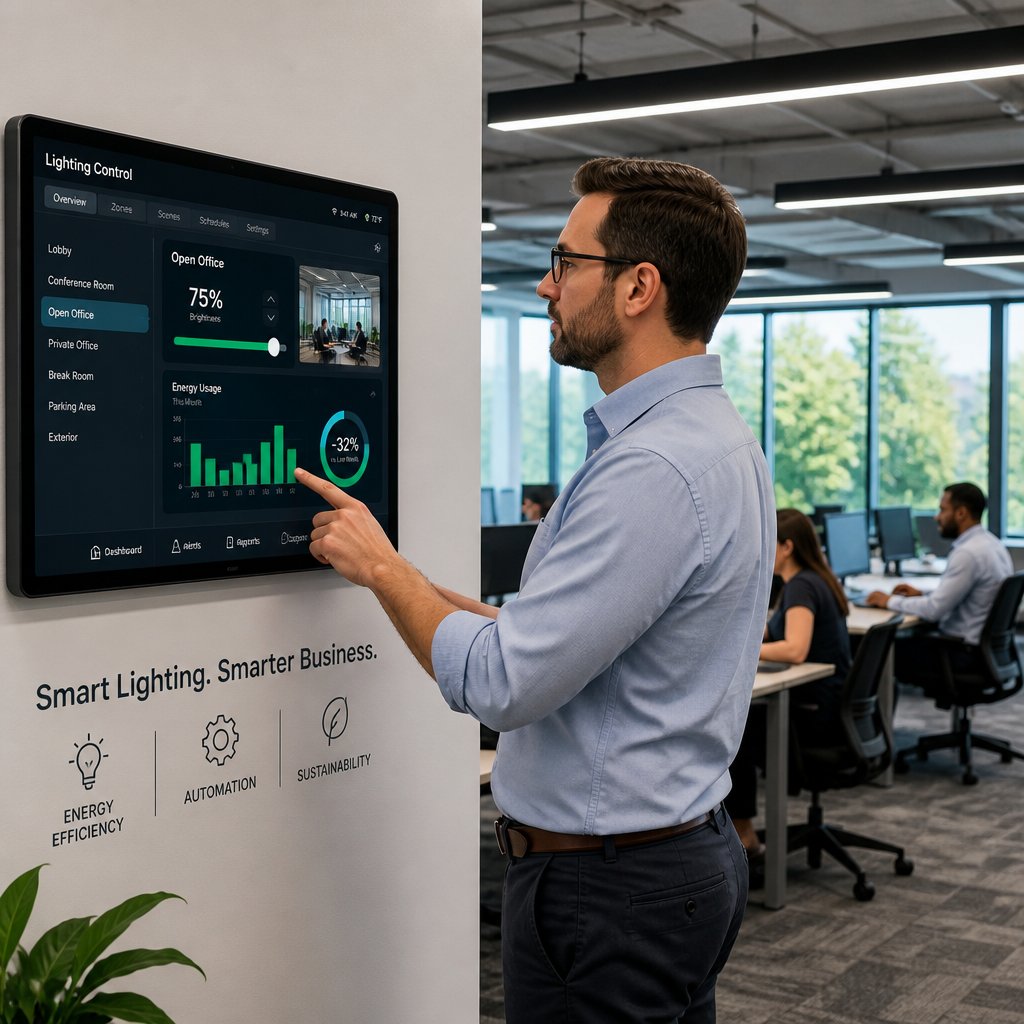
Commercial lighting controls are honestly one of the smartest upgrades you can make if your building needs lower energy use, better comfort, and simpler day-to-day operation. The right system can cut waste, improve how each area works, and make lighting feel more natural for the people working there.
Before you upgrade, start with your building’s wiring, fixture types, code needs, and how each area is actually used. These details shape the right control strategy and influence the real project cost. It’s easy to end up with controls that look great on paper but turn into headaches in practice if you skip this step.
For a lot of businesses in Austin, Round Rock, Cedar Park, and nearby Central Texas communities, matching the controls to the space—not the other way around—gets the best results. If you want a clearer path, a professional electrical evaluation can help you compare your options before you commit. It’s a bit like asking for trusted advice before making a big decision.
Why Businesses Upgrade Lighting Controls
Lighting controls go way beyond just flipping lights on and off. They help your building use less power, adapt to different areas, and create a better experience for employees, tenants, and visitors.
Energy Savings And Utility Cost Reduction
Most businesses upgrade for one main reason: lower energy use. Occupancy sensors, daylight controls, and scheduling all help reduce wasted runtime in offices, restrooms, conference rooms, warehouses, and storage spaces.
The savings add up fast when lights aren’t left on all day in empty rooms. That’s a real boost for owners who want to keep costs down.
Operational Flexibility For Different Spaces
Different areas really do need different lighting behavior. Lobbies, break rooms, warehouse aisles, and private offices shouldn’t all run the same way.
Modern controls let you fine-tune light levels and timing for each space. That’s especially handy when a building’s use changes throughout the day, like in mixed-use properties or growing businesses.
Comfort, Productivity, And User Experience
Lighting isn’t just about efficiency. People notice glare, harsh light, and dark corners, even if they can’t put their finger on the problem.
When controls are set up right, the space feels calmer and more inviting. That can boost productivity, cut down on complaints, and make your building look more polished to tenants and customers.
How Existing Electrical Infrastructure Affects The Project
Your current electrical system really dictates what you can upgrade easily and what’ll need extra work. Panel space, wiring condition, and fixture compatibility all play into cost, timing, and which control options actually make sense.
Panel Capacity And Circuit Considerations
Before adding new controls, check whether your panel and circuits can handle the change. Some projects need extra circuits, load adjustments, or panel work before you can install controls safely.
A quick look isn’t enough. You need an experienced electrician to confirm available capacity, breaker condition, and any signs of overload or aging gear.
Wiring Compatibility With New Control Systems
Older buildings often have wiring that just wasn’t designed for modern control systems, which limits what sensors, switches, or networked devices will work without rewiring.
This pops up a lot in retrofit jobs—the building might work fine, but the control path is outdated. If the wiring doesn’t play nice, upgrades can cause more downtime than you’d expect.
Fixture And Driver Limitations
Not every fixture dims well, and not all LED drivers respond the same way. If your fixtures are a mix of old and new or patched together from past repairs, you’ll need to check what each one can handle.
A site review really matters here. The control system should match your fixture and driver setup, not just what looks good in a catalog.
Control Options And Where They Work Best
The best control depends on how people use your spaces during the day. Usually, combining a few strategies works better than relying on just one device.
Occupancy And Vacancy Sensors
Occupancy sensors work great in spots used in short bursts—restrooms, copy rooms, storage, small offices. Vacancy sensors are better if you want people to turn lights on themselves and let the sensor shut them off later.
They’re often the simplest way to stop wasted lighting hours and are a common upgrade in offices, retail, and light industrial spaces.
Dimming Systems And Daylight Harvesting
Dimming makes spaces more comfortable and saves power. Daylight harvesting adds another layer by cutting artificial light when there’s already enough sun.
These work best in storefronts, lobbies, meeting rooms, and perimeter offices with windows. If set up right, they smooth out light levels and avoid that harsh on-off jump.
Timers, Scheduling, And Smart Building Integration
Timers and schedules shine in buildings with predictable hours—think parking lots, signage, exterior lights, and spaces that shouldn’t stay on after closing.
Smart integration links lighting to building automation systems. That helps larger properties centralize control, track use, and keep settings consistent across zones.
Code Compliance, Safety, And Commissioning
Lighting controls aren’t just about convenience. They need to meet code, support safe operation, and be set up properly before you call the project done.
Local Code And Energy Standard Requirements
Commercial lighting upgrades usually need to hit local code and energy standard marks. These rules affect sensor placement, shutoff timing, daylight response, and manual control.
This is where a licensed electrician really earns their keep. In Central Texas, planning ahead helps your project stay smooth in places like Lakeway, Georgetown, Dripping Springs, and Westlake.
Emergency Lighting And Life Safety Coordination
Lighting controls should never mess with emergency lighting or life safety systems. Exit paths, emergency circuits, and critical areas need to work properly during an outage or alarm.
It’s easy to miss this when everyone’s focused on energy savings. A solid upgrade plan keeps safety first and treats emergency systems as separate from day-to-day controls.
Testing, Calibration, And Final Setup
A control system isn’t finished just because it’s installed. You need to test sensors, calibrate dimming, and set schedules to match real building use.
I’ve seen projects fall short when nobody bothers to tune the controls after startup. When commissioning is done right, the building feels stable, the settings make sense, and you don’t get repeat complaints.
Budget, Payback, And Long-Term Maintenance
A lighting control upgrade is more than just the invoice. Look at energy savings, maintenance savings, rebates, and how easy the system will be to support down the road.
Upfront Costs Versus Lifecycle Value
Cheaper controls aren’t always the best deal if they’re hard to maintain or limited in what they do. Sometimes paying a bit more upfront pays back with lower energy use, fewer service calls, and better control.
That’s especially true in buildings that run long hours. The best value usually comes from a system that fits now and can grow with you later.
Rebates, Incentives, And Efficiency Programs
Utility rebates and efficiency programs can make payback look a lot better. These incentives depend on the control type, paperwork, and whether the system is commissioned properly.
Check rebate rules before you order anything. Miss a requirement, and you might lose out on money that could’ve lowered your cost.
Maintenance Needs And Future Scalability
Some systems are pretty hands-off, while others need regular tuning or software help. Think about who’ll manage settings, replace devices, and update zones as your property changes.
Scalability matters too. If you expect tenants to turn over, expand, or remodel, pick controls that can adapt without starting from scratch.
Common Upgrade Mistakes To Avoid
Lighting control projects can go sideways fast if you rush the plan. The most common headaches usually come from poor site review, confusing controls, or skipping an electrical evaluation.
Choosing Controls Without A Site-Specific Plan
The wrong system usually gets picked by shopping for features, not use cases. Warehouses, restaurants, office suites, and medical spaces all need different control logic.
A site-specific plan looks at occupancy, fixture types, wiring, and code before picking any product. That’s how you avoid expensive change orders.
Overcomplicating The User Experience
If the system’s too confusing, people ignore it or bypass it. That leads to lights staying on, settings getting changed, or endless service calls.
Keep it simple on the user side. The best systems are the ones your staff can figure out without a training manual.
Delaying Professional Electrical Evaluation
If you wait until equipment’s already ordered, you risk delays and extra labor. Hidden issues like panel limits, bad wiring, or incompatible fixtures are easier to fix early.
A professional evaluation can also spot bigger needs, like panel upgrades, outlet and switch changes, surge protection, or other wiring improvements. That saves time and keeps the project safer.
Frequently Asked Questions
Which types of lighting control systems are best suited for my building and use cases?
The best system depends on how your building is used, how often spaces are occupied, and what kind of fixtures you already have. Small offices might just need sensors and scheduling. Larger properties often benefit from networked controls and building automation.
What communication protocols should I check for compatibility with my existing fixtures and devices?
Make sure the controls work with your fixture drivers, sensors, and any building management platform you already use. Compatibility issues usually show up when older devices can’t talk to newer dimming or networked systems.
How do I plan for commissioning, calibration, and ongoing tuning after installation?
Plan for commissioning from the start. Test, calibrate, and adjust the system after installation, then review again once the building’s running under normal conditions.
What sensors and control strategies, occupancy, daylighting, scheduling, will deliver the biggest energy savings?
Occupancy sensors usually give quick wins in low-traffic rooms. Daylighting works best by windows and skylights. Scheduling saves even more on exterior lights, hallways, and spaces with fixed business hours.
What wiring, networking, and power requirements could impact the upgrade cost and timeline?
Old wiring, limited panel space, and missing network paths can all drive up labor and cost. If you need rewiring, new circuits, or network hardware, expect a longer timeline than a simple device swap.
How can I ensure the new controls meet local codes, utility rebate rules, and tenant comfort needs?
Kick things off with a professional electrical review, then take some time to match the design to local code, rebate rules, and—maybe most importantly—how tenants actually use the space. Juggling compliance, comfort, and efficiency can get tricky, but with some careful planning, you’ll have a building that feels right from the start.