
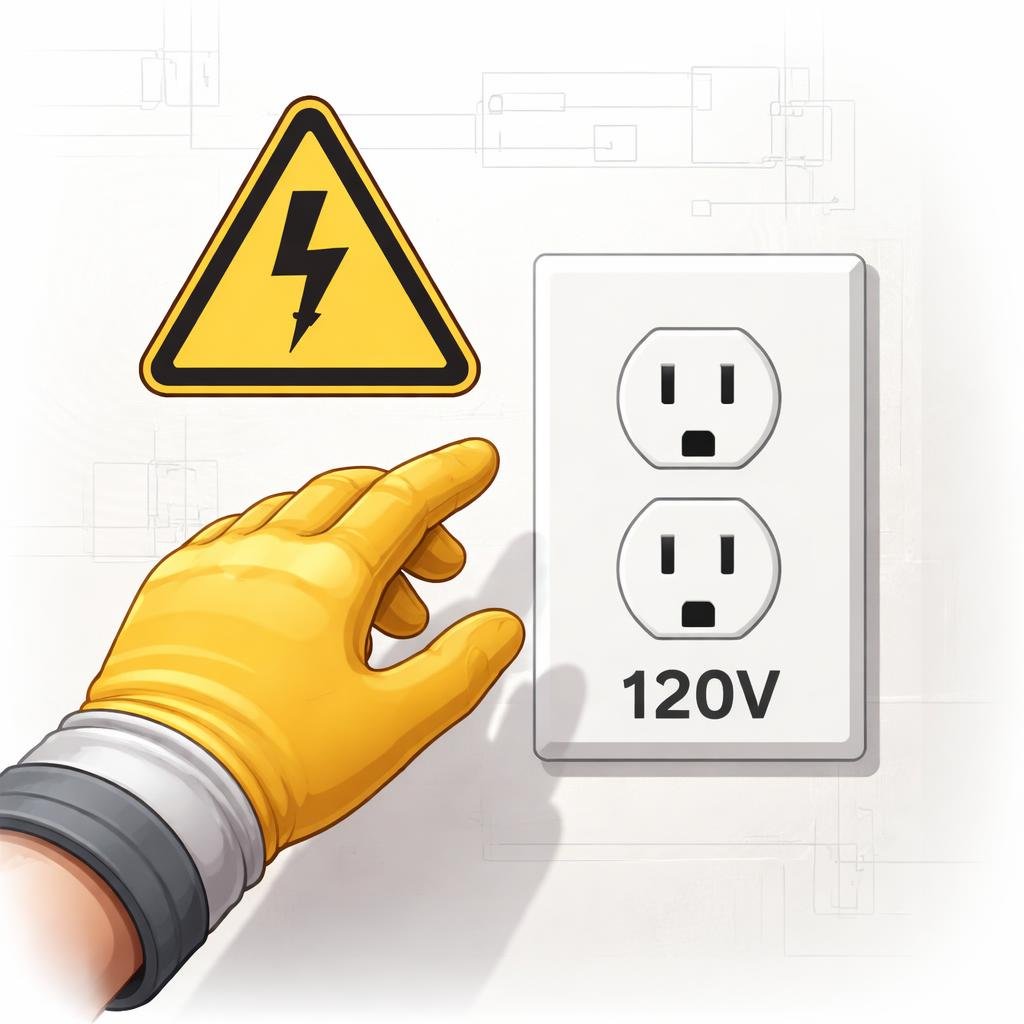
You might wonder if 120 volts, the standard voltage for most household outlets, is dangerous. While 120 volts can cause injury, it is generally less deadly than higher voltages but still requires caution.
The risk depends on factors like how the current passes through your body and the conditions around you. Electric shocks from 120 volts can cause pain, muscle spasms, or even more serious harm under certain situations.
Knowing how electricity works and respecting safety rules helps you avoid accidents. Understanding this makes you more confident when dealing with everyday electrical devices.
Understanding 120 Volts
120 volts is a standard voltage you find in many everyday electrical outlets in North America. Knowing what this means, how it works, and where it’s used helps you use electricity safely and understand the risks.
What Does 120 Volts Mean?
Voltage measures the electric potential difference between two points. When you see 120 volts, it means the force pushing electric current through a circuit is 120 volts.
This is the typical voltage in household outlets in the U.S. It’s enough to power most home appliances safely, but it can still cause injury if handled carelessly.
Voltage alone doesn’t cause harm; the current (measured in amps) flowing through your body matters most. Still, 120 volts can deliver enough current to be dangerous if certain conditions make your body a good conductor.
How 120-Volt Systems Work
Your home’s electrical system uses 120 volts through wiring that connects to outlets and appliances. The system usually runs on alternating current (AC), meaning the direction of the current changes rapidly.
Each outlet delivers a safe amount of power, typically up to 15 or 20 amps. Circuit breakers stop the flow of electricity if a fault or overload happens.
The wires delivering 120 volts include a hot wire, a neutral wire, and a ground wire. The hot wire carries the voltage, the neutral completes the circuit, and the ground directs excess current away if needed.
Where 120 Volts Is Commonly Used
120 volts is found in most standard wall outlets in homes, schools, and many businesses in North America. It powers devices like lamps, TVs, computers, and kitchen appliances.
Large appliances like ovens and dryers often need higher voltages, but everyday items run well on 120 volts. You might also see 120 volts in outdoor outlets or garage workshops.
Knowing the voltage helps you pick the right appliances and use extension cords safely. Using items designed for 120 volts ensures they work properly without damage or safety risks.
| Common Uses of 120 Volts | Examples |
|---|---|
| Household appliances | Lamps, microwaves, TVs |
| Small power tools | Drills, saws |
| Electronics | Computers, chargers |
Potential Dangers of 120 Volts
120 volts is common in homes, but it can still cause harm under certain conditions. Knowing the risks and factors that affect them helps you stay safe when handling electrical devices or outlets.
Electric Shock Risks
Electric shock from 120 volts can occur when you touch live wires or faulty appliances. The shock happens because electricity flows through your body to the ground.
This current can cause muscle spasms, burns, or even stop your heart if it passes through vital organs. While 120 volts is not usually fatal, it is strong enough to cause serious injuries or discomfort.
Avoid touching outlets or cords with wet hands, and never use damaged equipment. Even a mild shock can surprise you and cause accidents, like falling.
Severity of Injuries
The damage from a 120-volt shock depends on how long the current flows through your body and the path it takes inside you. A short contact might cause a tingling feeling or slight burn.
Longer exposure can lead to severe burns, nerve damage, or heart problems. Your skin’s resistance changes with sweat or cuts, so injuries might be worse if your skin is wet or broken.
The amperage also matters; even at 120 volts, if the current is strong enough, it can cause cardiac arrest or stop your breathing. Immediate medical help is vital in these cases.
Conditions Affecting Risk
Several conditions change how dangerous 120 volts can be for you. Wet or sweaty skin lowers your resistance, so electricity flows more easily and deeply into your body.
Using faulty or old wiring, poor insulation, or damaged plugs increases your chance of shock. Work environments like damp basements or outdoor areas add to the risk.
Children, the elderly, and people with weak hearts are more vulnerable to electrical injuries. Always follow safety rules and use proper tools to reduce risk.
Safety Precautions for 120-Volt Electricity
Working with 120 volts can be risky if you ignore basic safety steps. Taking the right precautions protects you from shocks, burns, and other injuries.
How to Protect Yourself
Always turn off the power at the breaker box before working on any electrical device. Use a voltage tester to make sure the outlet or wire is not live.
Keep your hands dry and stand on a non-conductive surface like a rubber mat. Water increases the chance of an electric shock.
Avoid touching the metal parts of plugs or outlets. Use insulated tools and grab plugs by their plastic or rubber parts.
Safe Handling Practices
Do not overload outlets by plugging in too many devices. This can cause overheating and fire.
Spread out your electrical use and unplug items you are not using. Inspect cords for damage like cuts or exposed wires.
Replace damaged cords immediately. Never use appliances with frayed cords.
When pulling a plug, always grasp the plug itself, not the cord. Yanking cords can damage the wiring inside.
Never insert foreign objects into outlets. Keep outlets covered if you have small children.
Recommended Safety Equipment
Wear rubber-soled shoes when working near electrical sources. They reduce the risk of current passing through your body.
Use insulated gloves designed for electrical work to protect your hands. These gloves are often rated for different voltage levels, so pick the right kind for 120 volts.
Keep a fire extinguisher rated for electrical fires nearby. Regular extinguishers might not be safe to use on electric fires.
Use ground-fault circuit interrupters (GFCIs) on outlets in wet or outdoor areas. GFCIs shut off power quickly if they detect a leak in the current, preventing shocks.
Comparing 120 Volts to Other Voltages
Knowing how 120 volts compares to other voltages helps you judge how safe or risky it is to work with. Understanding its place among common household and industrial voltages also helps you handle electrical equipment with more confidence.
120 Volts vs. 240 Volts
You find 120 volts in most standard wall outlets in the U.S. It’s perfect for everyday appliances like lamps, TVs, and small kitchen gadgets.
The current limit is usually 15 or 20 amps, so the outlet can safely provide up to about 1,800 to 2,400 watts. On the other hand, 240 volts is used for large appliances like ovens, dryers, and air conditioners.
This higher voltage allows these devices to draw more power without increasing amps too much, which helps prevent overheating. In terms of danger, 240 volts can deliver a stronger shock because the higher voltage pushes more current through your body if you get shocked.
120 Volts vs. Low Voltage
Low voltage usually means anything below 50 volts. These levels are generally safer because they don’t push as much current through your body.
That’s why things like thermostats, doorbells, and some outdoor lights use low voltage. However, 120 volts is above that safety threshold and can cause serious injury if handled carelessly.
Even though it’s less dangerous than high voltage (over 1,000 volts), you still need to respect it, especially in wet or damaged environments.
Global Household Voltage Standards
Your 120-volt system is standard in North America, parts of Central America, and a few other places. Many countries use higher voltages between 220 and 240 volts for household electricity.
This difference affects how appliances are designed and marked. If you travel or buy electronics from abroad, you might need a voltage converter or transformer.
| Region | Typical Household Voltage |
|---|---|
| North America | 120 volts |
| Europe | 230 volts |
| Australia | 230 volts |
| Japan | 100 volts (lower than 120V) |
Knowing these differences helps you avoid damage to devices and stay safe when plugging in electronics.
Situations Where 120 Volts Becomes More Dangerous
120 volts can be risky in certain conditions, especially when factors change how electricity moves through your body. Some situations increase the chance of injury or electric shock by making the current stronger or easier to pass through your skin.
Wet Environments and Water Exposure
Water is a good conductor of electricity. If you touch a 120-volt source with wet skin or while standing in water, the electric current flows more easily through your body.
This makes shocks more likely and more severe than if your skin were dry. Using electrical devices near sinks, bathtubs, or outdoors during rain increases risk.
Water lowers your body’s resistance, causing more current to flow. Even household voltage can cause serious injury under these conditions.
Always keep electrical devices away from water and dry your hands before touching plugs or switches. Use ground-fault circuit interrupters (GFCIs) in wet areas for extra safety.
Faulty Wiring and Damaged Devices
Faulty wiring or broken electrical devices can cause unexpected shocks with 120 volts. Damaged cords, loose connections, or worn insulation can expose live wires.
This can cause sparks, short circuits, or shocks even when devices seem off or unused. You might not see the damage, but if something feels warm, smells like burning, or causes breakers to trip often, those are warning signs.
Using damaged devices or ignoring wiring issues increases danger. Always inspect cords and outlets regularly.
Replace or repair anything showing wear to avoid shocks or fire hazards. Safety checks by a professional electrician can find problems you might miss.
First Aid Response for 120-Volt Electric Shock
If you or someone else gets an electric shock from a 120-volt source, quick and careful steps can make a difference. Knowing what to do right after the shock and when to get medical help is important for safety.
Immediate Actions to Take
First, do not touch the person if they are still in contact with the electrical source. Turn off the power at the breaker or unplug the device if you can do so safely.
If the power is off, check the person’s breathing and pulse. If they are not breathing or have no pulse, start CPR immediately if you are trained.
Move the person to a safe area away from the electricity. Cover any burns with a clean cloth but do not apply ointment.
Keep the person still and calm. Watch for shock symptoms like pale skin, weakness, or confusion.
When to Seek Medical Attention
Even if the person looks fine, call a doctor or go to the emergency room. Electric shock can cause hidden injuries such as heart problems or muscle damage.
Seek emergency care if the person:
- Loses consciousness
- Has trouble breathing
- Shows burns or blisters
- Feels chest pain or irregular heartbeat
- Has weakness, numbness, or persistent pain
Follow up with a medical professional. Sometimes symptoms appear hours later and need urgent treatment.
Preventing Electrical Accidents at Home
Keeping your home safe from electrical accidents means taking specific, practical steps. Focus on protecting children, checking your electrical devices, and making sure your home wiring is up to date.
Childproofing Outlets
Children are naturally curious and might stick fingers or objects into outlets. To keep them safe, use outlet covers or safety plugs on all unused outlets.
These simple devices block access and help prevent electrical shocks. If you have toddlers, consider tamper-resistant outlets.
They have built-in shutters that only open when a plug is inserted correctly. This added layer of protection reduces the risk of injury.
Always teach children about the dangers of electricity. Education is key to keeping them safe around electrical outlets.
Inspecting Cords and Appliances
Damaged cords and faulty appliances often cause electrical fires and shocks. Regularly check your cords for frays, cracks, or exposed wires.
Replace any that are worn or broken immediately. Make sure appliances have no loose parts or signs of damage.
Plug appliances into the right outlet type. Avoid overloading power strips or extension cords.
Too many devices on one outlet can cause overheating and fires. Unplug appliances when not in use, especially if they show signs of malfunction.
This simple step reduces the risk of shocks and keeps your home safer.
Upgrading Home Electrical Systems
Older homes may have outdated wiring or electrical panels that can’t handle modern energy needs. If your home frequently trips circuit breakers or flickers lights, it might be time to upgrade.
Hire a licensed electrician to inspect your system. They can replace old wiring, install safer outlets, and upgrade your panel to meet today’s electrical demands.
Upgraded systems reduce risks of shocks, fires, and appliance damage. This investment helps you use multiple high-powered devices safely.
Legal and Regulatory Considerations
When you work with 120 volts, follow safety rules set by organizations like OSHA (Occupational Safety and Health Administration) and NFPA (National Fire Protection Association). These groups create guidelines to help keep you safe from electrical hazards.
Always use wiring, outlets, and devices that meet local electrical codes. These codes reduce the risk of shocks, fires, and other accidents.
Here are some key points to keep in mind:
- Use proper insulation and grounding for all electrical installations.
- Avoid overloading circuits; a standard 15-amp outlet can handle about 1,800 watts safely.
- Always test your equipment and wiring regularly.
If you do any electrical work yourself, check if your local laws require permits or inspections. Licensed electricians follow these rules to protect you and your property.
Even though 120 volts is common in homes, it can be dangerous if not handled properly. Following guidelines helps you stay safe and prevents accidents.
Myths and Misconceptions About 120-Volt Danger
You might have heard that 120 volts is safe and can’t hurt you. This is not true.
120 volts can be dangerous depending on the situation, like if you are wet or touching a grounded surface. Many people think only high voltage, like over 1000 volts, is deadly.
However, even low voltage can cause serious injury if enough current passes through your body.
Here are some common myths about 120 volts:
Myth: 120 volts can never be fatal.
Fact: It can cause harmful shocks, burns, or even be fatal.
Myth: Only electricians need to worry about 120 volts.
Fact: Household voltage can be dangerous to anyone, especially kids and pets.
Myth: Dry skin stops electricity.
Fact: Electricity can still flow through dry skin but more easily through wet skin.
The real danger often depends on the amount of current (amperage) and how long you’re exposed, not just the voltage number.
| Voltage Level | Typical Danger |
|---|---|
| Under 50 V | Usually safe, minor shocks |
| Around 120 V | Can cause serious shock or injury |
| Over 1000 V | High risk of severe injury or death |
Understanding these facts helps you stay safe around household electricity.
Frequently Asked Questions
You need to know how to react if you get shocked by a household outlet. It helps to understand whether 120 volts is a lot of electricity and how that compares to other voltages.
Knowing the difference between 120 VAC and other power sources is useful. You may also want to figure out how to convert volts to watts to pick the right appliances.
The effects of shocks from lower voltages like 110 volts can vary. Shocks from 240 volts are usually more dangerous than those from 120 volts.
What should I do if I receive an electric shock from a household outlet?
First, stop touching the source of electricity. If you can, turn off the power at the breaker.
If you can’t turn it off, use a non-conductive object like wood to push the person away from the source. After you are safe, call emergency services right away.
Can 120 volts of electricity be considered a high amount?
Yes, 120 volts can be dangerous. It’s enough to cause shocks that may harm you, especially if the skin is wet or the current passes through the heart.
It is less likely to be deadly compared to higher voltages but still needs careful handling.
What’s the difference between 120 VAC and 120V power sources?
120 VAC means 120 volts of alternating current, which is the usual type of power from your outlets.
120V can just mean the voltage level without specifying whether it’s AC or DC, but in home settings, it almost always means AC.
How can I convert 120 VAC to watts for my appliances?
Watts can be found by multiplying volts (120) by amps (the current your device uses). For example, if your appliance uses 10 amps, it needs 1200 watts.
Make sure the appliance’s wattage does not overload your circuit.
What are the typical physical effects of being shocked by a lower voltage like 110 volts?
You might feel pain, muscle spasms, or burns. The shock can cause your muscles to contract involuntarily.
Severe injuries are less common at 110 volts but can happen, especially if the shock lasts a long time or passes through vital organs.
How does the danger level of a 240-volt shock compare to lower voltages?
A 240-volt shock is more dangerous because it can push more current through your body.
This voltage can cause severe burns and deeper tissue damage. It also increases the risk of heart problems.
Always use caution around 240-volt sources.