
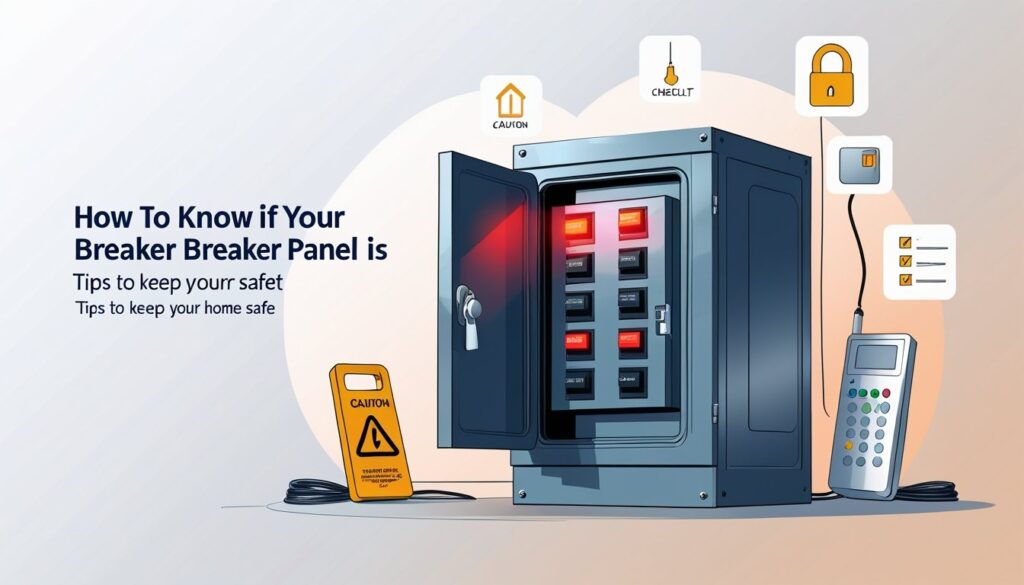
Your breaker panel might be overloaded if you notice frequent tripping, flickering lights, or warm outlets. An overloaded breaker happens when too many devices draw power at once, so the system shuts off to prevent damage. Spotting these signs early goes a long way in keeping your home or business safe from electrical hazards.
If your breaker trips a lot without a clear reason, or you catch a burning smell, that’s a big red flag—your electrical load is likely too high. The licensed electricians at Magnify Electric can track down these issues quickly and sort them out, whether you need a lighting tweak or extra outlets.
Magnify Electric handles both residential and commercial jobs with real attention to detail. No matter how big or small, our team keeps your electrical system running safely and smoothly, so you can stop worrying.
Understanding Electrical Load
Getting a handle on how electricity moves through your breaker panel—and what actually causes an overload—makes it easier to spot trouble early. Let’s break down what your breaker panel does, what an overload means, and how your panel keeps power flowing safely.
What Is an Electrical Breaker Panel?
Think of your breaker panel as the main switchboard for all the electricity in your home or business. It splits incoming power into smaller circuits for your lights, outlets, and appliances.
Inside, circuit breakers act as safety switches. If a circuit tries to pull more juice than it should, the breaker snaps off and stops the flow, protecting your wires from overheating or catching fire.
Breaker panels come in different sizes depending on your building’s needs. Older panels often can’t keep up with today’s power demands, which makes overloads more likely.
Definition of Electrical Overload
An electrical overload happens when a circuit is asked to carry more electricity than it was built for. You might notice breakers tripping more than usual, or wires and outlets getting warm.
This usually happens when you plug too many things into one circuit or run several high-power appliances at once. Flickering lights or frequent breaker trips are your system’s way of saying it’s struggling.
Letting overloads slide can turn dangerous—think electrical fires. To dodge trouble, reduce the load or upgrade your panel before things get out of hand.
How Breaker Panels Distribute Electricity
Breaker panels split power from the main service line into several circuits throughout your building. Each one powers a group of outlets or appliances, keeping things organized and safer.
When a circuit hits its limit, the breaker trips and cuts off power to stop overheating. This built-in protection keeps your wiring and devices from frying.
If you’re resetting breakers all the time, it might be time to add new circuits or look at a panel upgrade. Magnify Electric’s licensed electricians can help balance your load, whether it’s a small repair or a big upgrade, so your system stays reliable.
Common Signs Your Breaker Panel Is Overloaded
Certain problems around your home or business can tip you off that your breaker panel is carrying too much electrical load. You might see it in how your breakers act, the way your lights behave, odd sounds from the panel, or even strange smells and marks near outlets.
Frequent Tripped Breakers
If your breakers trip a lot, odds are your circuits are overloaded. Too many devices or appliances running at once on a single circuit can push it past its limit.
Every time a breaker trips, it’s cutting power to stop a disaster. If it keeps happening on the same breaker, check what’s plugged in and whether your panel can actually handle the load.
Try unplugging a few things or moving them to different circuits. If that doesn’t help, maybe it’s time to upgrade your panel.
Flickering or Dimming Lights
Lights that flicker or dim out of nowhere? Classic overload sign. When a circuit’s pulling too much power, voltage drops and your lights act weird.
You’ll probably notice this more when you turn on big appliances like air conditioners or microwaves.
If flickering is a regular thing, your circuit might be struggling or you could have loose wiring somewhere.
Don’t just ignore flickering lights—it can lead to bigger electrical problems. Double-check for loose connections or call a pro for a safety check.
Buzzing or Crackling Sounds
If you hear buzzing or crackling near your breaker panel or outlets, that’s a warning sign. Usually, it means something’s overheating or arcing because the system’s under stress.
Buzzing can start when breakers are overloaded or the wiring isn’t tight. Crackling might mean there are sparks inside outlets or breakers.
These sounds aren’t normal—don’t brush them off. Using circuits that make these noises is asking for trouble.
Burning Smells or Scorch Marks
Catching a burning smell near your panel or seeing scorch marks on outlets, switches, or wiring? Stop using those circuits right away.
Burning smells point to overheating or shorts, sometimes from melted insulation or overloaded breakers.
Scorch marks mean heat damage, which is flat-out dangerous and needs a professional fix ASAP.
Call Magnify Electric to get these issues handled fast. Our licensed electricians take care of both home and business problems safely and efficiently.
Risks of an Overloaded Breaker Panel
When your breaker panel’s overloaded, you’re looking at some real headaches—fire hazards, damage to your stuff, and sudden power outages. Knowing what’s at stake helps you act before things get ugly.
Potential for Electrical Fires
An overloaded breaker panel cranks up the risk of an electrical fire. Too much power heats up the wires, wrecks insulation, and could start a fire in your walls or ceilings.
Warm outlets, burning smells, or lots of breaker trips? That’s your system waving a red flag. Don’t let it slide—your home and safety are on the line.
Magnify Electric’s licensed electricians can check your panel and fix overloads safely. We follow up-to-date safety standards to cut fire risks and keep your space secure.
Damage to Appliances
Overloaded panels send uneven power to your appliances. That means flickering lights, gadgets acting up, or even permanent damage.
Small electronics—computers, TVs—are especially at risk since they need steady power. Overloads can shorten their life or force you to shell out for repairs.
To protect your appliances, don’t load too many high-wattage devices onto one circuit. If your breaker keeps tripping, let Magnify Electric check and balance your load.
Increased Risk of Power Outages
Overloaded panels often cause more power outages. Breakers trip to stop overheating, so parts of your home or business lose electricity.
This interrupts work, creates hassle, and might even damage sensitive electronics. Resetting breakers all the time? Super annoying.
To cut down on outages, make sure your system matches your power needs. Magnify Electric can upgrade your panel or redistribute circuits to make things more reliable.
How to Check If Your Breaker Panel Is Overloaded
Figuring out if your breaker panel is overloaded means watching how often breakers trip, adding up the power used on each circuit, and comparing that to your panel’s limits. Doing this helps you catch overloads early and keep your place safe.
Monitoring Circuit Breaker Limits
Start by watching your breaker panel. If breakers trip a lot, lights flicker, or you smell burning near the panel, those are big overload clues.
Keep a log of how often breakers trip and which ones. That way, you can spot patterns and problem circuits.
Check your panel for broken or loose breakers too. Faulty parts can cause false trips—something the licensed crew at Magnify Electric can sort out.
Calculating Total Circuit Load
To find the total load on a circuit, list everything plugged in. Check the wattage on their labels or manuals, then add it up.
If you’re close to or above 80% of the breaker’s rating, your circuit is overloaded. For a 15-amp breaker, that’s about 1800 watts (15A × 120V = 1800W), so stay under 1440 watts to play it safe.
Try unplugging things one by one and see if the breaker stops tripping. That’ll show you what’s drawing the most power or causing trouble.
Comparing Power Usage vs Panel Rating
Your panel has a maximum rating, usually on the door. Add up all your circuit loads and see how they stack up.
If your total power use is often close to or over your panel’s capacity, you’re running overloaded and risking repeated trips or damage.
Magnify Electric’s licensed electricians can check your panel’s load accurately. We’ll help balance loads, add circuits, or upgrade your panel for safety and efficiency—whatever your home or business needs.
Steps to Prevent Future Overloads
Keeping your electrical system balanced means spreading out power use, upgrading when needed, and adding circuits for heavy appliances. These steps help you avoid frequent breaker trips and keep your place safe.
Distributing Appliances Across Circuits
To avoid overloads, don’t pile all your devices onto one circuit. Spread appliances around to different outlets and circuits. For example, don’t run a microwave, toaster, and coffee maker on the same kitchen circuit at once.
Check your circuit breaker rating and stay under 80% of its limit. If a breaker keeps tripping, unplug something or move it to another circuit.
Pay attention to which devices use a lot of power. Big stuff like air conditioners and heaters should have their own circuits, separate from computers or TVs. That way, you keep things balanced and stop breakers from popping.
Upgrading Your Electrical Panel
Old or undersized panels just can’t keep up with modern electrical needs. If your breaker trips a lot even when you’re careful, your panel might be too small.
Upgrading to a higher-capacity panel gives you more breathing room. You’ll have fewer overloads and safer, more reliable power.
Magnify Electric’s licensed electricians can check out your panel and suggest the right upgrade. For homes or businesses, we’ll make sure your system meets current codes and power demands.
Installing Dedicated Circuits
Dedicated circuits give one appliance its own power line. That’s important for things like water heaters, ovens, or air conditioners.
With a dedicated circuit, these big devices won’t cause overloads or mess with other appliances.
If you notice frequent trips when using large appliances, ask your electrician about dedicated circuits. It’s safer and helps you avoid costly damage.
Magnify Electric can install these circuits the right way, keeping your home or business running without annoying power interruptions.
When to Call a Licensed Electrician
If your breaker panel starts acting up, knowing when to call in a pro makes all the difference for your safety. Some problems need expert help right away, while others just need an inspection to prevent bigger headaches down the road.
Recognizing Warning Signs
If your breaker trips more than once or twice a month, it’s time to call an electrician. That kind of frequency usually means you’ve got overloaded circuits or maybe some faulty wiring. Flickering lights, weird smells, or warmth near the panel? Those are all red flags. Something’s off.
Spot damaged breakers or hear odd buzzing from the panel? Definitely don’t try to mess with it yourself. Just shut off the main power and reach out for help. Letting these problems slide can lead to bigger headaches—like power outages or, worst case, a fire.
The Importance of Professional Assessment
A licensed electrician doesn’t just glance at your system—they dig in, looking for hidden trouble. They’ve got the right tools and a sharp eye for checking wiring, breakers, and making sure everything’s safe. That way, you avoid expensive mistakes and keep things up to code.
At Magnify Electric, our team handles everything from quick checks to full panel upgrades, for homes and businesses alike. Having a pro on the job means your system’s not just running, but running safely and reliably.
Modern Electrical Panel Safety Features
Today’s breaker panels come with smart safety features that do more than just flip a switch—they actually help prevent electrical hazards. These updates work behind the scenes to stop shocks, fires, and overloads before they even start. Gives you a bit more control and, honestly, some peace of mind.
GFCI and AFCI Breakers
Ground Fault Circuit Interrupter (GFCI) breakers cut the power fast if they sense something’s off in the current—like when electricity tries to take a shortcut through water or a person. You’ll usually find GFCI breakers in places like kitchens, bathrooms, or outside outlets.
Arc Fault Circuit Interrupter (AFCI) breakers are there to catch dangerous sparks—arc faults—that could start a fire. They keep an eye on the flow and shut things down if they spot trouble, especially in living areas where wires might get nicked or squished by furniture. Both types are solid upgrades for home safety.
Smart Panels and Load Monitoring
Smart breaker panels let you keep tabs on your electricity use as it happens. You can see which circuits are hogging power, and some systems even ping your phone if something’s about to overload. A few models let you flip breakers on or off right from an app.
With this tech, you can head off outages and trips by managing the load better. Plus, it helps you notice weird patterns before they turn into real problems. At Magnify Electric, we set up and service these smart panels, so your place stays safe and up to date.
Frequently Asked Questions
Knowing what to look for in your breaker panel—and what to do if something seems off—can keep your home or business a lot safer. Plus, you pick up a few tricks to avoid overloading circuits and learn how to check your panel if you’re curious about what it can handle.
What are the common signs of an overloaded breaker panel?
If your breakers keep tripping, even when you’re not using much, that’s a clue. Lights flickering or dimming, and outlet covers that feel warm or even hot—those aren’t normal. And if you catch a burning smell near outlets or the panel, don’t ignore it.
What steps can I take to prevent my circuits from overloading?
Try not to pile a bunch of high-wattage gadgets into one outlet or circuit. Spread things out when you can. If your wiring’s old or damaged, get it checked and updated. Sometimes, adding more outlets or circuits is the way to go if you’re always running a lot of stuff.
Why is my circuit overloaded even though the breaker has not tripped?
Sometimes, an overload sneaks up slowly, so the breaker doesn’t react right away. Breakers can also get less sensitive as they age. If they’re faulty, they might not trip at all when they should. That’s why it’s smart to have them checked now and then.
How can I calculate the total amperage capacity of my breaker panel?
Take a look at the main breaker—it’ll usually say something like 100 or 200 amps, which is your panel’s max. You can add up the ratings of all the breakers, but you shouldn’t go past what the main breaker says. If you want to be sure, just ask an electrician to check.
Can I use a multimeter to check for circuit overload, and if so, how?
You can, but you need to be careful. With a multimeter, you can measure current on certain circuits. Just remember, you’re working near live wires—only try it if you really know what you’re doing. If not, it’s safer to call in an expert.
What should I do if I suspect my electrical panel is being overloaded?
First, try switching off a few devices—especially the big ones—to ease the load. Don’t run too many heavy-duty tools or appliances on the same circuit if you can help it. If you’re still worried or things seem off, reach out to Magnify Electric. Our licensed electricians have seen it all, whether it’s a home or business, and they’ll check things out, fix what’s wrong, or upgrade your panel if that’s what you need. Safety first, always.