
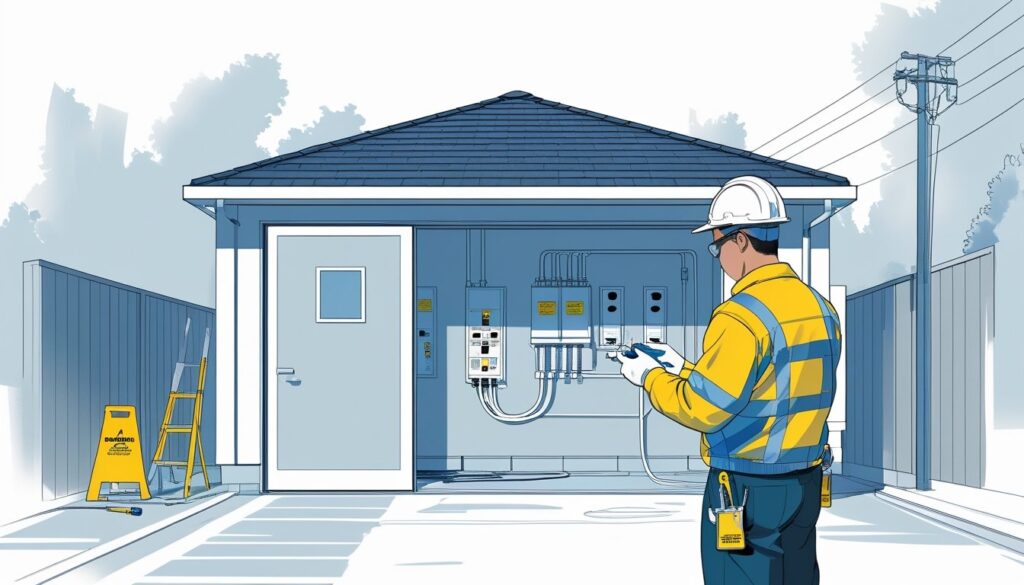
Running power to detached buildings isn’t something to wing—do it wrong, and you might end up with electrical hazards or even a fire. The real trick lies in proper grounding and making sure your system can handle the load without pushing circuits past their limit. Skipping steps or guessing your way through can damage your equipment or worse.
When you’re dealing with power in a separate building, you’ve got to install a solid ground wire and pick an electrical panel that matches your needs. Balancing your electrical load matters, too—nobody wants breakers tripping every time you plug something in. At Magnify Electric, our licensed electricians can walk you through the planning and installation, so you don’t have to worry about safety or efficiency.
If you’re adding outlets, upgrading a panel, or lighting up a detached space, Magnify Electric’s got you covered for both homes and businesses. We’ve seen plenty of electrical setups—good and bad—so we know how to help you dodge common mistakes and keep your power running without hiccups.
Understanding Electrical Requirements
Getting power safely to a detached building means you need to know how much electricity you’ll actually use, what kind of system fits, and what the local rules say. Nailing these basics keeps things safe and reliable.
Assessing Power Needs
Start by figuring out what you want to run out there. Write down every appliance, tool, and light you’ll use. Stuff like freezers, heaters, or saws pull way more power than a couple of lamps.
Add up the wattage for everything. That total tells you what your system needs to handle. Overloading a circuit can cause headaches—or real danger.
If the math gets confusing, a skilled electrician from Magnify Electric can help. It’s worth it to make sure you’re not overdoing it.
Determining Correct Voltage and Amperage
Now, figure out the right voltage and amperage. Most homes run on 120/240 volts, which covers basic outlets and bigger appliances.
Check how many amps your gear needs. If you need more amps, your wires and breakers have to match—otherwise things get hot fast.
Get the right subpanel with the proper breaker size. Magnify Electric can set this up for you, keeping everything safe and efficient.
Consulting Local Electrical Codes
Before you start, look up local electrical codes. These codes spell out requirements for things like outlet spacing, grounding, and wire types.
Following code isn’t just red tape—it keeps you safe and helps you pass inspections. For example, grounding has to connect your detached building’s panel to the earth, usually with ground rods.
Magnify Electric keeps up with code changes, so you can trust us to get the legal details right. Saves you from headaches later.
Planning Safe Power Delivery
Getting power to a detached building means you have to think about wiring types, cable placement, and legal details. Pick the right wire, decide between overhead or underground, and don’t forget about permits.
Choosing Proper Wiring Methods
You can’t just use any wire outside or underground. Go for THWN or UF cable—these handle moisture and sunlight without breaking down.
Wire size matters, too. If you use wire that’s too thin, it can overheat. Check your circuit needs or ask an electrician if you’re not sure.
Use conduit or covers wherever wires might get bumped or damaged. It’s just not worth the risk otherwise. Approved wiring lasts longer and keeps things safer.
Deciding Between Overhead and Underground Cables
Overhead cables are cheaper and faster to put up, but you’ll need posts to keep them clear of everything. Watch for trees and keep an eye out for wear—weather and critters can do a number on them.
Underground cables look nicer and aren’t as exposed, but they cost more and you’ll need to dig a trench (following local rules, of course). Always use cable rated for underground and put it in conduit for extra protection.
Think about your yard, budget, and how much hassle you want. Our electricians at Magnify Electric can help you pick the best way and handle the install.
Obtaining Necessary Permits
Don’t skip permits—your city or county probably requires them for electrical work. Permits make sure you follow code and keep things safe.
Usually you’ll need to submit a plan and pay a fee. Inspectors might check your work before and after.
If you skip permits, you could face fines or have trouble selling your place. Magnify Electric can help you with the paperwork and keep your project on track.
Installing Electrical Systems in Detached Buildings
Getting power to a detached building takes careful planning. You need the right breakers and panels, solid grounding, and outdoor connections that can handle the weather.
Selecting Circuit Breakers and Panels
Pick circuit breakers and panels that fit your needs. A subpanel for a detached building should cover lights, outlets, and any tools or equipment you’ll use.
Most detached garages or workshops use 60 to 100 amp breakers. Make sure your panel fits with your main system and leaves room for future upgrades. Label everything so you know what’s what.
Magnify Electric can help you choose panels and breakers that actually fit your setup—not just what’s on sale.
Grounding and Bonding Procedures
Good grounding keeps you and your stuff safe from electrical faults. Run a ground wire from the panel to the earth.
Install grounding rods near the building and hook them up to your grounding system. Keep the subpanel bonded to the grounding system but don’t tie it to the neutral bus bar—stray currents are no joke.
Magnify Electric’s electricians set up grounding and bonding that passes inspection and keeps you protected.
Weatherproofing Outdoor Connections
Outdoor connections need to survive rain, snow, and heat. Use weatherproof outlet boxes made from good PVC or metal. Get covers that seal tight when not in use.
Run wires in outdoor-rated conduit and seal everything up to keep water out.
A little extra effort here prevents shorts and corrosion. Our team installs outdoor wiring with the right stuff, so you’re not left fixing things every spring.
Prioritizing Safety Protocols
When you’re powering up a detached building, you’ve got to use the right protection devices and check things regularly. That’s how you avoid shocks, fires, or fried equipment.
Using GFCI Outlets and Protection
Ground Fault Circuit Interrupter (GFCI) outlets are a must in detached buildings. If they sense a current imbalance, they cut power in a flash—protecting you from shocks, especially where there’s moisture.
Always put GFCI outlets in workshops, garages, or anywhere near water. If a GFCI keeps tripping, it could be a wiring issue or a bad tool. You can also use GFCI breakers for whole circuits.
Let pros like Magnify Electric handle GFCI installation—these aren’t worth messing up.
Testing and Inspecting Installations
Test every circuit and outlet after you install them. Use a tester to make sure everything works. Check that GFCIs reset right and breakers trip when they should.
Every few months, look over your wiring and outlets. Loose plugs, damaged cords, or outlets that won’t hold a plug—those are warning signs.
If you spot anything off or aren’t sure, call Magnify Electric. Regular checks catch problems before they turn into disasters.
Ongoing Maintenance and Troubleshooting
Keeping your detached building’s electrical system safe means regular checks and quick action if something’s wrong. Small signs of wear or power issues? Don’t ignore them—fixing things early saves money and headaches.
Regularly Checking for Damage
Check your wiring, outlets, and fixtures often. Look for cracks, frayed wires, or burn marks. Pay extra attention near moisture or in spots that get bumped.
Quick check tips:
- Look at visible wires for cracks or wear.
- Test outlets to see if they work.
- Check that breakers and fuses aren’t hot or discolored.
- Make sure outdoor plugs and connections are sealed and tight.
If you find damage or just feel uneasy about something, call Magnify Electric. We’re good at spotting hidden problems and fixing them before they escalate.
Responding to Power Interruptions
If your power cuts out or a breaker trips, don’t just flip it back on and hope for the best. Frequent tripping usually means overloads or bad wiring. Reset the breaker once, but if it trips again, unplug things on that circuit and check them one by one.
How to handle interruptions:
- Turn off the breaker before poking around.
- Don’t keep resetting a breaker without figuring out why it’s tripping.
- Use a voltage tester—double check the power’s off before touching anything.
- If the problem keeps happening, call Magnify Electric for help.
Jumping on problems early keeps your building safe and saves you from big repair bills.
Frequently Asked Questions
Running power safely to a detached building means picking the right wiring route, following code, and using the right gear. You’ll want to plan your wiring path, protect your circuits, and make sure everything’s both safe and practical.
What is the safest method to provide electricity to a detached garage?
The safest route? Run a dedicated circuit from your main panel to a subpanel in the garage. Use underground feeder (UF) cable or conduit if you’re going underground—keeps the wire safe from damage and weather. And don’t forget grounding at the detached building.
What considerations should be taken when installing a subpanel with a main breaker in a detached building?
Your subpanel needs its own main breaker for local shutoff. Set up proper grounding and keep neutral and ground bus bars separate to avoid electrical hazards. Balance the load and stick to local code for safety.
What are the steps to run power from my house to a shed?
Start by planning your circuit size and path. Install a weatherproof breaker in your main panel for the new line. Choose underground conduit or overhead wiring, depending on your setup. Then, install a subpanel or outlet box in the shed with proper grounding and GFCI protection—that’s your best bet against shocks.
Is it more cost-effective to run power above ground or underground to an outbuilding?
Running power above ground usually costs less and goes in faster, but you’ll need to think about how exposed it is to weather or critters. Underground wiring takes more effort and money at first, but it tends to be safer over the years and doesn’t need as much upkeep. Local rules might push you in one direction or the other, so it’s worth checking.
What building codes must be adhered to when running electrical wiring to a detached structure?
You’ll need to stick to both national and local electrical codes. That means picking the right type of wire, using proper conduit, grounding everything, and choosing the right breaker sizes. Outdoor outlets have to be GFCI-protected, and there are rules about how much space to leave around wiring. Usually, local inspectors will want to check your work before you call it done.
What is the easiest approach to electrify an outside building like a workshop or garden shed?
Honestly, the easiest way is to set up a subpanel and run a dedicated breaker from your main panel. Most folks use pre-made underground feeder cables or, if it fits the space, overhead lines with weatherproof outlets. You can toss in standard lighting and outlets without much fuss, but don’t skip on safe wiring and proper grounding—those details matter more than you’d think.
Magnify Electric’s licensed electricians can help with anything from quick installs to more complicated wiring. We’ll make sure your detached building is safe, up to code, and ready to handle whatever you throw at it.