
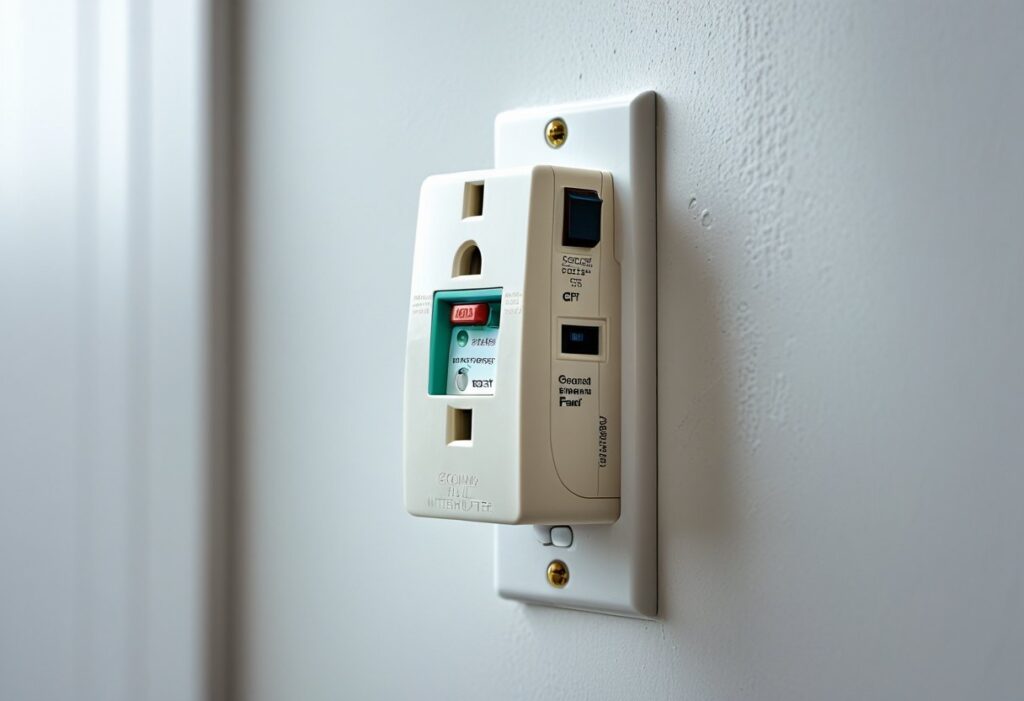
If you use electricity around water, like in your kitchen or bathroom, safety is a big deal. A ground fault interrupter is a device that protects you from electrical shocks.
It quickly cuts off power when it detects even a small electrical imbalance. This stops electricity from flowing where it shouldn’t.
This small device can keep you safe in places where electricity and water might mix. Knowing what a ground fault interrupter does shows why you need one in your home or workplace, especially in wet areas.
Understanding Ground Fault Interrupters
Ground fault interrupters protect you from electrical shocks by quickly stopping power if something goes wrong with the flow of electricity. They work by watching the electricity closely for any signs of trouble.
Basic Definition
A ground fault interrupter, or GFCI, keeps you safe from electric shocks. It detects when electricity escapes its normal path.
This can happen if current flows through water, a person, or damaged wiring. You usually find GFCIs in places where water and electricity might mix, like bathrooms, kitchens, and outdoors.
Water conducts electricity well, which increases the shock risk. That’s why GFCIs are important in these areas.
How They Work
GFCIs monitor the electricity flowing into a device and compare it to the electricity leaving. If there is a difference as small as 4 to 6 milliamps, the GFCI sees this as a leak or fault.
When the device senses this imbalance, it trips and cuts off the power instantly—usually within a fraction of a second. This rapid action helps prevent serious electric shocks that can cause injury or death.
Key Components
A GFCI has a sensor that detects the current difference between the hot and neutral wires. It also includes a circuit breaker to cut off the power when needed.
Inside, it uses a transformer that senses imbalances in the current. When the transformer detects a fault, it triggers the switch to open and stop the flow of electricity.
You will find buttons on your GFCI outlet for testing and resetting. The test button lets you check that the device works correctly.
The reset button restores power after it trips.
Types of Ground Fault Interrupters
Ground fault interrupters come in different forms to fit various needs. Each type cuts off power quickly to stop shocks but is designed for specific uses.
You’ll find options installed in outlets, circuit breakers, or as portable devices.
GFCI Outlet
A GFCI outlet looks like a normal wall outlet but has built-in protection. It monitors the electric current flowing through the wires.
If it spots a difference between the current going in and returning, it shuts off power fast to prevent shocks. These outlets are common in kitchens, bathrooms, and outdoor areas.
Installing them reduces the risk of electrical shock in wet spots around your home or business. Most GFCI outlets have test and reset buttons on the face.
You can press the test button to make sure it trips properly. Resetting it restores power after a fault is cleared.
They are easy to replace and inexpensive to install.
GFCI Circuit Breaker
A GFCI circuit breaker is a safety device you install inside your electrical panel. It protects an entire circuit, not just one outlet.
This means all outlets and devices on that circuit get shock protection. This type is useful for basements, garages, or outdoor lighting circuits.
Like the outlets, it detects current imbalances and trips the whole circuit to cut power. You can test a GFCI breaker using the electric panel’s test button.
It functions like a regular breaker but adds ground fault monitoring. This can save you time by protecting multiple points at once.
Portable GFCI Devices
A portable GFCI device is a plug-in unit that protects any outlet you use it with. It is handy when you work outdoors or on temporary job sites without built-in GFCI outlets.
These devices usually have a cord and plug that connect between your tool and the power source. If a fault happens, the device trips and stops electricity from flowing.
You can carry portable GFCIs in your toolbox. They are useful for lawnmowers, power tools, or holiday lights.
This gives you protection wherever you need it, even if your outlets aren’t GFCI protected.
Installation Locations and Requirements
Knowing where to install a Ground Fault Circuit Interrupter (GFCI) and what rules apply helps keep you and your home safe. GFCIs are especially important in places with moisture or where electrical shock risks are higher.
Residential Applications
In your home, GFCI outlets are required in kitchens, bathrooms, laundry rooms, basements, garages, and outdoor outlets. These areas often have water nearby, which increases shock risks.
You should install GFCIs on any outlet within 6 feet of a sink or water source. This includes countertop outlets in kitchens and near bathroom sinks.
Outdoor outlets need GFCIs too, especially those exposed to weather. If you use appliances like washers or dishwashers, those circuits should also be protected by GFCIs.
This helps cut off electricity immediately if a ground fault occurs.
Commercial and Industrial Use
In commercial and industrial settings, GFCIs are used in areas with water or damp conditions, like kitchens, restrooms, workshops, and outdoor job sites. They protect workers and equipment from electrical faults.
You may find GFCIs in equipment outlets, power tools, and temporary wiring setups. GFCIs are also crucial for construction sites where electrical cords are exposed to the elements.
Because commercial environments can have higher power needs, GFCI devices might be combined with other protective devices. Following proper installation practices is important to meet workplace safety standards.
Code and Safety Standards
The National Electrical Code (NEC) sets clear rules about where to use GFCIs. The NEC requires GFCIs in specific locations where shock risk is high.
These codes update regularly, so you should check the latest version or local regulations before installing. Generally, NEC requires GFCIs in residential kitchens, bathrooms, outdoor receptacles, garages, crawl spaces, basements, and within 6 feet of sinks.
Local building codes may add more rules or require GFCIs in extra locations. GFCIs do not replace proper grounding but work with grounding systems to improve safety.
Always install or replace GFCIs using proper procedures to ensure they work correctly and meet all safety standards.
Testing and Maintenance Tips
Keeping your Ground Fault Circuit Interrupter (GFCI) in good working order means you should test it regularly and know what to do when problems happen. This helps you stay safe and avoid electrical hazards in places like kitchens and bathrooms.
Routine Testing Steps
Test your GFCI outlet at least once a month. Press the test button on the outlet.
The outlet should shut off power immediately. Next, press the reset button to restore power.
If the outlet does not trip when you press test, or it won’t reset, you may need to replace the device. Use a plug-in tester to check if your GFCI is wired correctly and working as it should.
Testing regularly helps you catch problems early before they become dangerous.
Troubleshooting Common Issues
If your GFCI outlet trips often without you pressing the test button, it could mean there’s a ground fault, a short circuit, or the outlet is overloaded. Try unplugging devices that are connected to the GFCI and reset it again.
If it still trips, the problem might be wiring or the GFCI itself. When a GFCI won’t reset, look for visible damage or loose wires.
If you see any problems or the outlet acts oddly, call an electrician to check it safely. Using a plug-in tester can help find issues like incorrect wiring or faults in the outlet.
Don’t ignore frequent trips, as they indicate a real safety concern.
Benefits of Using Ground Fault Interrupters
Using ground fault interrupters (GFCIs) protects you and your home in several important ways. They help keep you safe from electrical shocks, lower the risk of fire caused by faulty wiring, and protect your electrical devices from damage.
Electrical Shock Prevention
GFCIs quickly detect when electrical current is not flowing correctly, such as when it leaks to the ground. This often happens if you touch a faulty appliance or wet surface while using electricity.
When the GFCI senses this difference, it shuts off power in less than a second. This fast reaction helps prevent serious electrical shocks, especially in places like bathrooms and kitchens.
Using GFCIs in these areas reduces the chance that you or your family will get hurt by accidental electric shocks.
Fire Hazard Reduction
Faulty wiring or damaged electrical devices can cause current to flow where it shouldn’t. This can create sparks or heat that might start a fire.
GFCIs spot these dangerous ground faults early by monitoring the current flow closely. By cutting power quickly, GFCIs help stop electrical faults from igniting fires in your home.
This makes them valuable around water or outdoors where moisture can cause wiring to fail. Adding GFCIs reduces risks tied to older or damaged electrical setups.
Improved Equipment Safety
GFCIs also safeguard your electrical tools and appliances. When a device starts to fail or has a short circuit, the GFCI cuts the power before damage gets worse.
Your equipment is less likely to overheat or sustain serious harm. Installing GFCIs in workspaces or garages adds protection that helps your devices last longer and perform safely, even if wiring problems occur.
Limitations and Considerations
When using a Ground Fault Circuit Interrupter (GFCI), you should be aware of some common issues and how it may affect certain devices. Knowing these points can help you maintain safety and avoid frustration.
Potential Malfunctions
A GFCI can sometimes trip without a real problem, especially if there is moisture or electrical noise nearby. This could mean your outlet shuts off power unexpectedly.
Frequent tripping might be caused by a real ground fault, an overloaded circuit, or wiring errors. If your GFCI won’t reset, it could be damaged or faulty.
Using a plug-in tester can help you check for wiring mistakes or problems with the outlet. Over time, GFCI units may wear out and need replacement to stay reliable.
Sensitive Equipment Concerns
Some electronic devices are sensitive to the quick power cut that a GFCI causes. Fluctuations in power might cause equipment like computers, medical devices, or motorized tools to malfunction.
If you use sensitive equipment near a GFCI, consider using devices designed to protect electronics, such as surge protectors. You might also avoid plugging certain sensitive tools directly into GFCI outlets to reduce false trips and interruptions.
History and Development
The ground fault interrupter has a clear purpose: to protect you from electrical shock by quickly detecting current imbalances. Its development involved important milestones in safety technology and electrical engineering.
Origins of Ground Fault Interrupters
The idea of a ground fault interrupter started in the 1960s when electrical safety became a bigger concern. Early models were bulky and mainly used in industrial settings.
Inventors saw the danger of water near electricity and focused on creating safety devices for bathrooms, kitchens, and outdoor areas. Regulations eventually required these devices in homes and businesses.
Advancements in Technology
Ground fault interrupter technology improved over time. Early versions used mechanical switches.
Modern GFCIs use sensitive electronic sensors that detect tiny current differences and trip the circuit in milliseconds. You’ll now find GFCIs built into many outlets and circuit breakers.
They also became smaller and easier to install. Innovations made them more reliable and able to work in places without a standard ground.
Frequently Asked Questions
Understanding how a ground fault interrupter works can keep you safe around electricity. You’ll learn about its protective function, where to install it, signs of wear, and tips for testing and resetting it.
How does a ground fault interrupter protect you from electrical hazards?
A ground fault interrupter monitors the flow of electricity. If it senses a difference in current, it quickly shuts off the power to stop electric shocks.
Can a ground fault interrupter be installed on any circuit in a home or office?
Not every circuit needs a ground fault interrupter. People usually install them in areas with water like kitchens, bathrooms, and outside spaces.
Some places require GFCIs by building codes. Check local rules or ask a professional before installing one.
What are the signs that a ground fault interrupter needs to be replaced?
If your GFCI trips often without a clear cause or won’t reset, it might be failing. A GFCI that doesn’t respond when tested may also need replacement.
Is there a difference between a GFCI outlet and a GFCI circuit breaker?
Yes. A GFCI outlet protects just the outlet and devices plugged into it.
A GFCI circuit breaker protects the whole circuit connected to it, covering multiple outlets and fixtures.
How often should a ground fault interrupter be tested to ensure it’s working properly?
You should test your GFCI outlets once every month to make sure they work. Press the test button, and the reset button should pop out, cutting power. If not, you need to fix or replace it.
What are the steps to reset a ground fault interrupter after it trips?
First, find the reset button on the GFCI outlet.
Press the reset button firmly until you hear a click. This restores power.
If it doesn’t reset, check for problems or contact a professional to inspect the circuit.