
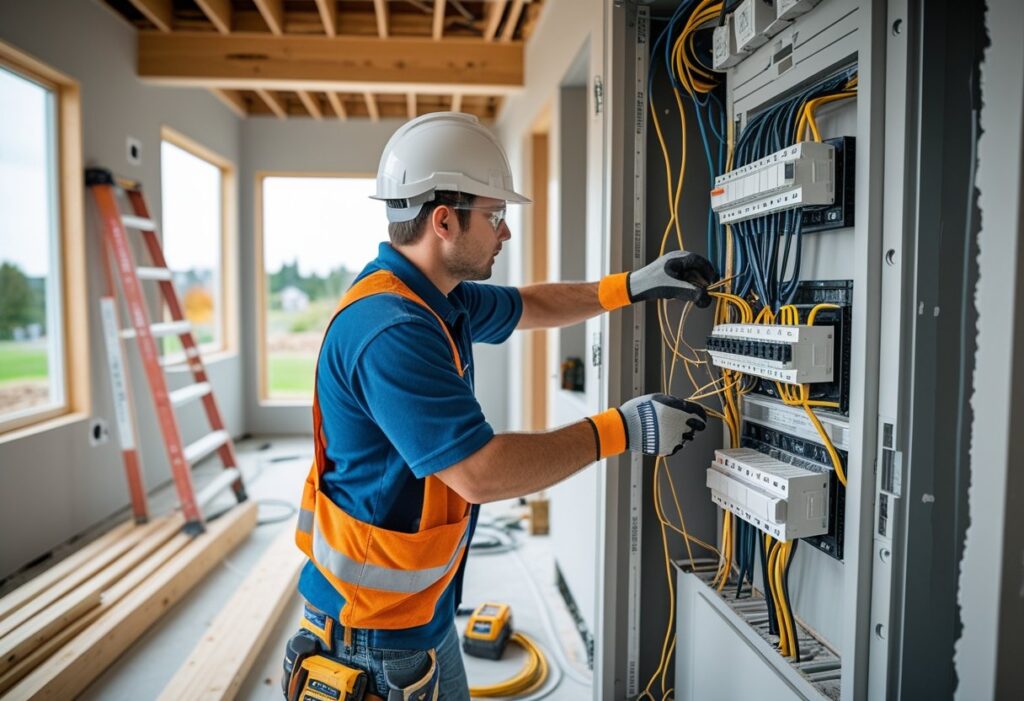
When you’re renovating your home, electrical hazards can sneak up on you. Dangers like exposed wiring, overloaded circuits, and faulty installations can lead to shocks, fires, or even damage your property. If you know what to look for, you’re way more likely to keep yourself and your family safe—and maybe dodge some expensive repairs, too.
Renovations usually mean shifting or adding outlets and lights, which sometimes reveals hidden problems in your wiring. Ignoring things like flickering lights or breakers that keep tripping? Not a great idea. You really need the right know-how for electrical work.
Understanding Electrical Hazards in Home Renovations
Home renovations bring a bunch of electrical risks you shouldn’t take lightly. If you know where these dangers come from and how they change during remodeling, you’ve got a better shot at staying safe.
The Nature of Electrical Hazards
Electrical hazards include electric shock, burns, and sometimes fires. These problems start when electricity escapes its intended path and touches your body or something flammable. Shocks can injure you depending on voltage and how long you’re exposed. Faulty wiring and overloaded circuits? They’re often behind burns and fires.
Even small mistakes can get ugly fast. Live wires, exposed contacts, and damaged outlets are common hazards. Always treat electrical parts like they’re live until you know for sure they’re not.
Common Sources of Risk
You’ll run into a few usual suspects during home projects:
- Exposed wiring that isn’t insulated well.
- Old or damaged circuits that can’t take on new loads.
- Improper use of extension cords and power strips, causing overload.
- Faulty outlets or switches that might spark fires.
- Contact with power tools plugged into sketchy wiring.
If you skip checking these, you’re asking for trouble. Taking a few minutes to inspect before you start—and using the right tools—can make all the difference.
How Renovations Increase Danger
Renovations crank up electrical risks since you might cut, move, or expose wiring. Temporary changes can mess with safety systems like breakers. New appliances or lights might push your system past its limits.
Construction debris can hide or damage wires, making it tough to spot problems before something bad happens. If you’re not experienced, trying to DIY electrical work can really backfire.
Exposed Wiring Risks
Exposed wiring during renovations is a recipe for trouble. You’re looking at shock hazards, hidden wire damage, and a real risk of fires from short circuits. Knowing where exposed wiring tends to pop up—and why it’s so risky—helps you stay on top of things.
Dangers of Uninsulated Wires
Uninsulated wires carry live electricity. If you touch them, electric shocks are pretty much guaranteed. No insulation means no protection from moisture or accidental brushes. That’s how you end up with shocks, burns, or worse.
You can’t always see exposed wires hiding behind walls or under floors. Damaged insulation lets in dirt and water, which just makes things riskier.
Don’t touch bare wires—seriously. If you notice insulation issues, get a pro involved. Fixing these problems quickly is key.
Where Exposed Wiring Commonly Occurs
You’ll usually spot exposed wiring in places being remodeled—open walls, attics with new lights, or anywhere you’re moving stuff around. Wiring near plumbing or in basements can get exposed too.
Other likely spots:
- Around outlets and switches being swapped out
- Behind appliances or cabinets
- Temporary wiring setups for power tools
If you know where to look, you’re less likely to accidentally touch or damage hidden wires.
Short Circuits and Fire Potential
When exposed wires touch each other or metal surfaces, short circuits happen. That’s when electricity takes a shortcut and can fry your electrical system.
Short circuits create heat—sometimes a lot of it—which can spark fires. Older homes with outdated wiring are at even higher risk, especially if you pile on too many devices.
Having a licensed electrician check and fix wiring during renovations really lowers the odds of disaster. Their experience keeps your wiring safe and up to code.
Electrical Shock Accidents
Getting shocked is a real risk during home renovations. It helps to know what causes these accidents and when you’re most at risk. A few smart moves can protect you and everyone else in the house.
Common Causes of Electrical Shocks
Most shocks happen because of exposed wires, bad outlets, or busted tools. If live wires aren’t covered, they can zap you or anything metal you’re holding.
Old or broken power tools? They can send shocks right through you. Damaged insulation or wet hands make it even more likely.
Another big one: working near outlets without turning off the power. Always shut off the right breaker before touching any wiring or fixtures.
Situations with Increased Shock Risk
Some situations make shocks more likely. Wet or damp areas are dangerous—water is a great conductor. Standing on a metal ladder or holding metal tools while working on live wires? Not a good combo.
Tight spaces and poor lighting can make it easy to accidentally touch something live. Rushing or not knowing what you’re doing just adds to the risk.
Overloaded Circuits and Outlets
Renovations usually mean you’re plugging in more tools and appliances. If you push your circuits and outlets too far, you risk overload. Spotting warning signs and knowing what to do can save you a lot of headaches.
Hazards of Circuit Overload
An overloaded circuit happens when you ask for more power than the circuit can handle. Breakers trip, outlets or wires heat up, and in bad cases, you could start a fire or fry your wiring.
High-wattage tools or appliances used together on one circuit make overloads more likely. Old wiring or outdated breakers can’t keep up during renovation power surges. Don’t plug too many things into one spot.
Warning Signs During Renovations
Watch for breakers that trip a lot, lights that flicker or dim, and outlets that feel warm or buzz. These are red flags your system’s struggling.
If you spot these signs, don’t just ignore them. Overloading circuits can get dangerous fast. Bring in a licensed electrician to check things out.
Proper Use of Extension Cords
Extension cords help out, but they’re risky if you use them wrong. Don’t make them a permanent fix for powering heavy tools or appliances—they’re meant for short-term use.
Stick to heavy-duty cords rated for your tools. Don’t chain cords together, since that can cause overheating. Keep them away from water and never run them under rugs.
If you need more outlets, it’s safer to have a pro install them. That way, your electrical system can handle your renovation needs without breaking a sweat.
Improper Grounding and Bonding
Improper grounding and bonding are classic renovation hazards. Grounding gives stray electricity a safe path to the earth. Without it, you risk shocks, fried appliances, and even fire.
Bonding connects metal parts of your electrical system, stopping dangerous voltage differences. If it’s missing or done wrong, that’s a problem.
Common issues from poor grounding and bonding:
- Electric shock hazards
- Appliance damage from power surges
- Circuit breakers not working right
- Fire risk from wires overheating
You need to make sure your electrical panel and wiring are grounded and bonded correctly. Grounding wires should go to a grounding rod or system. Bonding should connect all metal parts that might carry electricity.
Having a licensed electrician check your grounding and bonding during renovations is a smart move. They’ll make sure everything meets safety standards, whether you’re updating outlets, adding fixtures, or rewiring.
Faulty or Outdated Electrical Panels
Old or busted electrical panels can really mess things up during a renovation. If you know how to spot unsafe panels and when to upgrade, you’ll be safer—and your electrical system will run better.
Identifying Unsafe Panels
You might have a bad panel if you see flickering lights, breakers that trip all the time, or smell something burning near the panel. Rust, corrosion, or visible damage? Also not good. If your panel’s over 20-30 years old, it might not be up for modern demands.
Look for labels or markings that show the panel’s age and capacity. Panels with fuses instead of breakers are usually outdated. Melted wires, scorch marks, or buzzing sounds? Time to get the panel checked by a pro. Unsafe panels make shocks and fires way more likely.
Panel Upgrades During Renovations
When you’re renovating, upgrading your panel is a good way to boost safety and get extra power for new stuff. Newer panels handle more circuits and higher loads, so overloads are less of a worry.
A modern panel also protects your home from hazards that come with old or undersized equipment. It’s worth talking to a licensed electrician about the right size and features. Upgrades might include new breakers with safety features, fresh wiring, and making sure you’re up to code.
Incorrect DIY Electrical Work
Tackling electrical work without the right skills can create big problems. Mistakes can cause shocks, start fires, or damage your home’s wiring. If you know what to avoid, you’re less likely to run into trouble.
Risks of Amateur Wiring
When you try to handle electrical wiring without solid know-how, the risks pile up fast. Messing up the wiring can cause electric shocks—sometimes with serious consequences. Bad connections? They’re a common cause of electrical fires, and that puts your home and everyone in it at risk.
Skipping safety devices or getting installations wrong doesn’t just mess up your system. It leads to annoying outages, fried appliances, and makes future troubleshooting way more of a headache (and expense) than it should be.
If you’re even a little unsure, don’t wing it—call a professional. Magnify Electric’s licensed electricians handle these hazards every day. We’ll make sure your place is up to code and running the way it should.
Common Mistakes Made by Homeowners
Plenty of homeowners try to save a few bucks by doing their own electrical work, but honestly, that can go sideways. Using the wrong wire gauge is a classic mistake—too thin and you’re flirting with overheating and potential fires.
Another one? Ignoring proper grounding. Grounding prevents shocks, but it’s often skipped or done half-heartedly on DIY jobs. And skipping GFCIs in places like kitchens and bathrooms is just asking for trouble.
Some folks cram a bunch of wires into one outlet box without the right gear. That leads to loose connections, which can spark or short out. Damaged tools or working in damp spots only ups the danger.
We see these mistakes all the time at Magnify Electric, and we know how to fix them quickly. Let us help keep your home safe and your investment protected.
Moisture and Water-Related Electrical Hazards
Water and electricity? Never a good mix, especially during renovations. Wet areas boost the risk of shocks, short circuits, and electrical damage. It helps to know where these risks lurk so you can actually do something about them.
Electrical Dangers in Bathrooms and Kitchens
Bathrooms and kitchens are full of water sources right next to outlets and appliances. If moisture gets into wiring or devices, shocks and fires become a real possibility.
You really need Ground Fault Circuit Interrupters (GFCIs) in these rooms. GFCIs can kill the power instantly if something goes wrong near water.
Don’t use electrical tools or appliances with wet hands, and don’t mess with outlets that aren’t properly covered. Make sure wiring stays clear of moisture.
Wet Weather Impacts on Renovation Safety
Rain, snow, or just damp weather can make renovations a lot riskier. Moisture seeps into exposed wires or tools, and suddenly you’ve got shorts and shocks to worry about.
Keep all electrical stuff dry and off the ground. If you’re working outside, use weatherproof covers for outlets and switches.
Our crew at Magnify Electric gets how important these precautions are. We help you plan and protect your wiring, no matter the weather. That way, your renovation stays on track and safe.
We also handle adding outlets, fixtures, and new safety devices to cut down on water-related risks—whether it’s your house or your business.
Unsafe Use of Power Tools and Extension Cords
Renovating at home? Using power tools and extension cords the wrong way can turn into a serious safety problem. Knowing how to use them properly really does make a difference.
Electric Tool Safety Precautions
Always give your power tools a once-over before plugging them in. Look for cracked cords, loose bits, or anything that seems off. Tools with built-in circuit breakers or insulated handles are always a good pick.
Keep your hands dry, and don’t use tools in wet conditions—ever. Grounded or double-insulated tools are safer. Unplug tools before changing blades or making tweaks.
Don’t forget protective gear like gloves and safety glasses. Stick to the manufacturer’s instructions. If a tool starts overheating or sparking, just stop and get it checked out.
Best Practices with Temporary Power
For extension cords, pick heavy-duty ones that match your tool’s power needs. Don’t string a bunch of cords together—it can overload circuits and spark a fire.
Keep cords away from puddles, sharp corners, and spots where people trip over them. Use grounded outlets and don’t treat extension cords like permanent wiring.
Don’t push cords and power strips past their rated limits. If you need more juice for your project, reach out to Magnify Electric. We’ll make sure your wiring is up to the task and your home stays protected.
Neglected Safety Codes and Permits
Starting a home renovation? Don’t skip electrical codes and permits. They’re there for a reason—your safety and your home’s future.
Importance of Meeting Local Codes
Local codes spell out how wiring, outlets, switches, and fixtures should be installed. Following them helps avoid fires, shocks, and expensive equipment damage.
If you ignore the codes, your work might not pass inspection. Worse, your insurance could bail if something goes wrong. With Magnify Electric, you get folks who know the codes inside and out. We make sure every job lines up with local laws.
Risks of Unpermitted Electrical Work
Doing electrical work without permits is a gamble. You might end up with shoddy wiring or hidden hazards that don’t show up until later.
No permit usually means no inspection, so mistakes can hide for years. If you ever want to sell your house, unpermitted work can tank the value or cause legal headaches.
We handle the permits and inspections at Magnify Electric, so you don’t have to worry. Our experience means your project is safe, legal, and reliable. That kind of peace of mind is worth it during any renovation.
Presence of Hidden Electrical Dangers
Hidden electrical dangers can lurk behind walls, ceilings, and floors—especially during renovations. Missing them can lead to real trouble, so it’s good to know what to watch for.
Recognizing Concealed Wires or Fixtures
You might stumble on wires or fixtures tucked away where you can’t see them. Damaging these can cause shocks or fires. Watch for odd wall bulges, dead outlets, or old, frayed wires when you open things up.
Always cut the power before touching anything hidden. Don’t pull or snip wires until you know what they do. A voltage tester is your friend here—it’ll tell you if a wire’s live. Being careful now can save you from injuries or expensive repairs later.
Older Home Hidden Hazards
Older homes have their own set of surprises—cloth-covered wires, ancient fuse boxes, or circuits with no grounding. These boost the risk of shocks and fires during renovation.
Pay attention to flickering lights, missing outlet covers, or a burning smell near panels. These are warning signs you shouldn’t ignore. Magnify Electric specializes in tracking down and fixing these old wiring issues, so you can get on with your renovation without worry.
Hiring Qualified Electricians for Safe Renovations
If you’re renovating, bringing in a licensed electrician really isn’t optional. They know the ropes, keep things up to code, and help prevent accidents.
Why go with a qualified electrician?
- They know how to avoid electrical hazards
- They can spot hidden wiring issues
- They’ll make sure your system runs right
- They stick to all the local rules
Magnify Electric’s team handles both small fixes and big overhauls. Whether it’s new outlets, lighting, or full rewiring, we’ve got you covered.
Safety comes first for us. We follow checklists and proven methods to keep your home secure and your electrical system solid.
If you’re doing any DIY work, just know when to call in the pros. Some jobs need tools and skills only licensed electricians have. Why risk it?
We’ve earned trust for both home and business projects. You get clear communication, reliable results, and a renovation that goes as smoothly as possible.
Frequently Asked Questions
Dealing with electricity during renovations can be risky if you’re not careful. A little caution with wiring, power tools, and spotting trouble signs goes a long way.
What should I look out for to avoid electrical shocks when renovating my home?
Always kill the power at the breaker before touching any wires. Use a voltage tester to make sure nothing’s live. Don’t touch wires with wet hands or while standing in water.
How can I safely manage electrical wires during a DIY remodel?
Keep wires tidy and away from moisture or sharp stuff. Use the right connectors—don’t just twist wires together and hope for the best. If you’re not sure, call a pro.
What precautions are necessary when operating power tools for home improvements?
Check that your tools are grounded or double insulated. Rubber-soled shoes help. Don’t use tools in damp spots. Inspect cords for damage and unplug when not in use.
Are there specific electrical codes I should adhere to during home renovations?
Definitely—local codes cover things like wire gauge, outlet spacing, and circuit protection. Following them keeps you safe and your home up to standard.
How do I identify and deal with overloaded circuits in my renovation project?
Watch for flickering lights, breakers that keep tripping, or warm outlets. Don’t plug too much into one circuit. If you need more capacity, have an electrician add circuits or upgrade your panel.
What steps should I take to prevent electrical fires when updating my home?
Don’t use damaged cords or outlets, and skip running cords under rugs—seriously, that’s just asking for trouble. Make sure electrical boxes and connections stay covered and secure. Take a few minutes now and then to check your wiring for any wear. If something looks off, reach out to Magnify Electric for a quick safety check.
Magnify Electric has a team of licensed electricians ready to help with anything from swapping out outlets to tackling big rewiring jobs. We’re here to help you keep your home safe, no matter what kind of electrical update you’re planning.