
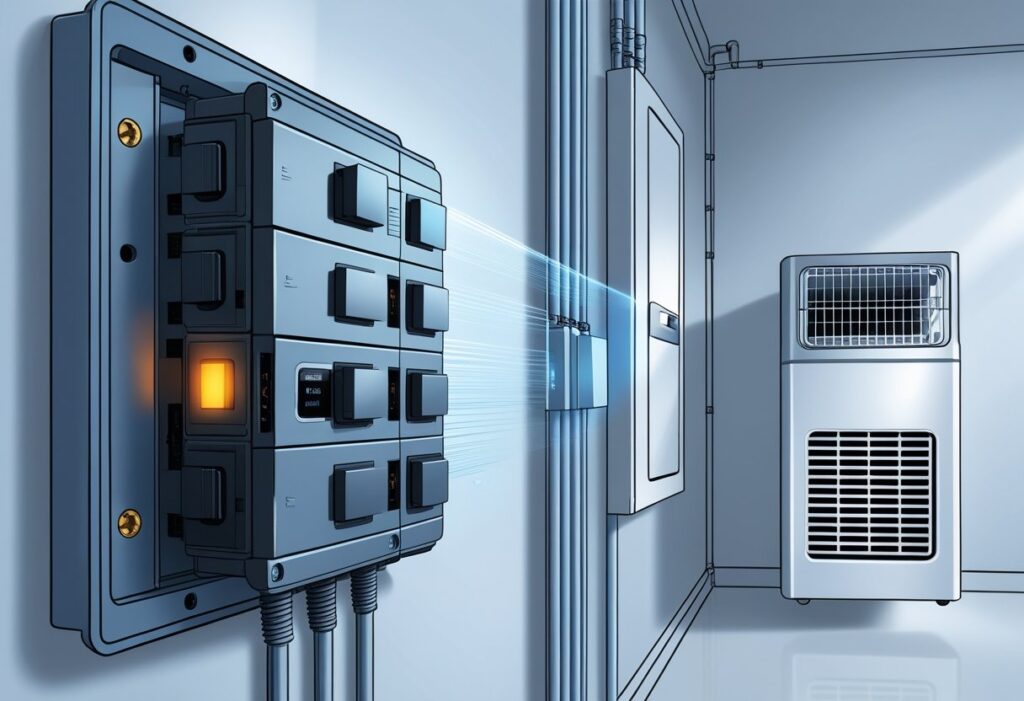
A load center is a key part of your home’s electrical system. It acts like a control hub, distributing electricity from the main power source to different circuits around your house.
This helps keep your electrical system organized and safe by managing the flow of power to lights, outlets, and appliances.
When you understand what a load center does, you can better manage your electrical needs and spot any issues early. It also plays a big role in protecting your home from overloads and electrical problems that could cause damage or hazards.
Understanding Load Centers
A load center is a key part of your home’s electrical system. It controls where electricity goes and keeps everything safe.
You will learn what a load center is, why it’s important, and what parts make it work.
Definition of a Load Center
A load center, sometimes called a breaker panel or electric panel, is where power enters your home. It takes electricity from the utility and distributes it to different circuits.
Each circuit powers a specific part of your house, like lights or outlets. You will find circuit breakers inside the load center.
These breakers act like switches that turn off if there’s too much electricity flowing. This prevents damage and keeps you safe from electrical fires.
Load centers come in various sizes depending on how much power your home uses. Most homes have a main load center, and bigger homes may use subpanels for extra control in specific areas.
Purpose in Electrical Systems
The main job of a load center is to spread electrical power safely and evenly throughout your building. It breaks the power into circuits, so electricity only goes where you need it.
Each breaker inside the load center protects an individual circuit. If the circuit gets overloaded, the breaker trips and cuts the electricity to stop overheating or damage.
Load centers also make it easier for you or an electrician to find and fix electrical problems. You can reset breakers if they trip, which restores power to that area quickly.
Key Components
Your load center has several important parts:
Main Breaker: This controls the flow of electricity from the utility to your home. Turning it off cuts power to the entire house.
Circuit Breakers: These protect individual circuits. They stop electricity flow if the load gets too high.
Bus Bars: Metal strips inside that carry electricity to each breaker.
Neutral and Grounding Bars: These provide safe paths for electricity to return or ground in case of a fault.
Each of these parts works together to keep your electrical system organized and safe.
Types of Load Centers
Load centers come in different styles to fit your electrical needs. They vary mainly by how they manage power distribution and protection in your home or building.
Knowing the differences can help you pick the right one.
Main Breaker Load Centers
A main breaker load center has a large switch called the main breaker. This switch controls the power for the entire panel.
If there is an overload or short circuit, the main breaker will trip and stop the flow of electricity.
You will often find these load centers in homes because they make it easy to shut off all power quickly. Inside, you’ll see multiple smaller breakers protecting individual circuits.
Main Lug Load Centers
Main lug load centers don’t have a main breaker. Instead, power comes from another source, like a main panel or a larger breaker somewhere else.
These centers are often used as subpanels in bigger electrical systems. You’ll use a main lug load center when you want to add extra circuits but already have a main breaker protecting the whole system.
They can save money and space but must be installed carefully to meet safety codes.
Specialized Load Centers
Specialized load centers are designed for specific needs. For example, some are made to handle electric vehicle (EV) chargers or to manage high loads in commercial spaces.
These load centers often include extra safety features or can support higher capacity. If you have unique power requirements, these options ensure safe and efficient electricity management tailored to your situation.
Load Center vs. Electrical Panel
Understanding the difference between a load center and an electrical panel helps you choose the right equipment for your home or business. Both handle electricity distribution, but their names and uses can vary based on the setup and size of your electrical system.
Terminology Differences
A load center is a type of electrical panel that manages multiple circuits within your building. It usually includes a main breaker and several smaller circuit breakers for different parts of your home or office.
The term electrical panel is broader. It can mean a load center, main breaker panel, or subpanel.
People often use these names interchangeably, but electrical panel refers to any system that distributes power and protects wiring in your space. If you hear someone mention a load center, they usually mean a panel designed for residential use.
Electrical panels might include larger, commercial-grade units.
Use Cases and Applications
You’ll find a load center mostly in homes or small businesses where you need control over multiple circuits, like lights, appliances, and outlets. It’s built to safely divide power and include safety breakers in one place.
An electrical panel can be a load center or a subpanel in larger buildings. Subpanels help manage power in specific areas without sending everything back to the main panel.
Commercial buildings often need bigger, more complex panels to handle higher loads. You might choose a load center if you want a simple, organized way to control your home’s circuits.
For outdoor or heavy-duty setups, specialized electrical panels with weatherproof cases and higher capacity are better.
How Load Centers Work
Load centers control how electricity moves through your home or building. They split power into different circuits and protect your wiring by stopping dangerous conditions like overloads or short circuits.
Power Distribution Process
Your load center receives power from the main electrical supply. It then divides this power into smaller sections called circuits.
Each circuit supplies electricity to different parts of your home, like lights, outlets, or appliances. This division helps you manage your electrical system safely and easily.
If you need to add more circuits later, your load center lets you expand without rewiring everything. The box keeps wires organized and ensures electricity flows where it should.
Circuit Breaker Function
Circuit breakers inside the load center act like switches and safety guards. They monitor the flow of electricity on each circuit.
If a breaker senses too much current, it automatically trips, cutting off power to prevent hazards like fires or damage to your devices.
This usually happens during an overload or a short circuit. There are different breakers:
Single-pole breakers control 120 volts for everyday items like lights and outlets.
Double-pole breakers manage 240 volts for big appliances such as dryers or water heaters.
This system stops problems before they get serious.
Installation Considerations
When installing a load center, think carefully about where it goes, follow electrical codes, and take safety seriously.
Paying attention to these details helps keep your electrical system reliable and safe.
Choosing the Right Location
You want your load center to be easy to reach but out of the way of daily activities. Choose a dry place away from water sources like sinks or outdoor leaks.
The location should allow enough space to open the panel door fully—at least 30 inches wide and 36 inches deep of clear working space in front is required. Avoid spots near heating sources or where physical damage could happen, like a garage corner with heavy tools around.
If the panel is outdoors, make sure it’s rated for exterior use and placed where weather and temperature won’t cause problems.
Electrical Code Requirements
Your load center must follow the National Electrical Code (NEC) and any local rules. Proper load calculations are key to avoid overloading circuits.
Make sure wires are the right size and type for the amps your panel handles. The load center should have a proper grounding system and be securely mounted to a solid surface.
NEC also requires that the panel be marked with clear labels for each circuit. Check that the panel cover meets standards to protect you from accidental contact with live parts.
Safety Precautions
Before working with your load center, always turn off the main power. Use insulated tools and wear safety gear like gloves and goggles.
Never work on a live panel. Check for loose connections or signs of wear and tear regularly.
Loose wires can cause overheating and fires. If you’re not confident with electrical work, hire a licensed electrician.
Following safety rules protects you and your home from electrical hazards.
Load Center Sizing and Selection
Choosing the right load center size means knowing how much power your system needs. Make sure the panel can handle that load safely.
You need to match the panel’s capacity with your electrical demands to avoid overloading or unnecessary upgrades.
Calculating System Capacity
Start by adding up the total wattage for all your electrical devices and circuits. Include lighting, appliances, HVAC, and any special equipment.
This helps you understand the maximum power your system might draw. Next, convert watts to amperes since load centers are rated by amps.
Use this formula:
Amps = Watts / Voltage
For most homes, voltage is 120 or 240 volts.
Keep in mind peak loads can be higher than average usage. Overestimate slightly to allow room for future circuit additions or devices.
This step ensures you install a panel with enough capacity to handle your needs safely.
Panel Load Calculations
Once you know your total amperage needs, compare it with the load center’s rating. Load centers come in common sizes like 100, 150, 200, or 400 amps.
Pick one that meets or exceeds your calculated system capacity. You also need to check how many circuit spaces the panel offers.
Count your existing circuits and planned future circuits. Panels have limits on how many breakers they can hold.
If your total load or number of circuits is near the panel’s max, it’s safer to choose a larger panel. This avoids overcrowding, which can cause overheating and safety risks.
Maintenance and Troubleshooting
Keeping your load center in good shape helps prevent electrical problems and keeps your system running safely. You’ll want to check it regularly and know how to spot common issues early on.
Routine Inspection Tips
Start by turning off the main power before you inspect your load center. Look for any signs of damage like rust, corrosion, or loose wires.
Tighten any loose screws on the breakers and clean out dust or debris inside the panel. Check for scorch marks or unusual smells, which can mean overheating or wiring problems.
Make sure each breaker is labeled clearly so you know which circuits they control. Inspect the ground and neutral wires to confirm they’re properly connected.
A simple test with a multimeter can verify voltage levels. Regular inspections every six months can keep small problems from turning into big ones.
Common Issues and Solutions
One frequent problem is breakers that trip often. This usually happens because of overloaded circuits or a short circuit.
You can try resetting the breaker and unplugging some devices to see if the problem stops. If breakers or outlets feel warm or give off a burning smell, shut off the power and call an electrician immediately.
Loose or damaged wires may be causing dangerous heat buildup. Dead outlets might need to be tested with an outlet tester or multimeter to check for power flow.
If you notice flickering lights, it could point to faulty breakers or a bad connection inside the load center. Keeping your load center free of moisture and damage helps avoid these common issues.
Upgrading or Replacing a Load Center
Knowing when to upgrade your load center and understanding the new features available can help keep your home safe. This section focuses on recognizing signs that an upgrade is needed and what modern options you might want to include.
Signs It’s Time to Upgrade
If your electrical panel frequently trips breakers, it’s a strong sign the load center is overloaded. You may also notice flickering lights or outlets that don’t work properly.
Old panels, especially those over 25 years, might lack enough circuits for current needs. Rust, corrosion, or a burning smell near the panel are safety warnings.
When you add new appliances or outlets, your current load center might not handle the extra power demand. Upgrading in these cases helps avoid electrical hazards and keeps your devices safe.
Modern Features to Consider
New load centers offer better safety features like arc fault circuit interrupters (AFCIs) and surge protection. These features protect against electrical fires and damage from power surges.
You can choose models with more circuit slots for future expansion. This means you won’t need another upgrade soon.
Some panels have easier-to-use breaker switches. Smart technology lets you monitor energy use from your phone.
Smart panels help you spot problems early and manage power better.
Benefits of Using Load Centers
A load center helps you organize and control electricity in your home or building. It keeps everything in one place so you can manage circuits more easily and stay safe.
Improved Safety
Load centers protect your electrical system by preventing overloads. If too much electricity tries to flow through a circuit, the breaker in the load center will trip.
This stops the power and lowers the risk of fire or damage. With a load center, you can install special breakers like GFCI (Ground Fault Circuit Interrupter) that protect against shocks in wet areas.
You can quickly turn off power during emergencies. Load centers reduce the risk of loose wires and poor installations, which are common causes of electrical accidents.
Simplified Power Management
A load center makes it easy to see and control all your circuits in one spot. Everything is clearly labeled, so you don’t have to guess which breaker controls a part of your house.
Adding new circuits or outlets is simpler too. You can expand your electrical capacity without rewiring the whole system.
Load centers help you balance electrical use across circuits. This helps avoid overloads and keeps your power running smoothly.
Common Applications
Load centers handle different needs depending on where you use them. Whether it’s in a home or a workplace, they organize and protect your power.
Residential Installations
In homes, load centers manage power for lights, outlets, and small appliances. Most have 15-amp or 20-amp breakers.
These breakers protect your wiring by stopping power flow if a circuit draws too much electricity. You also use load centers to split power into smaller circuits.
This keeps your home safe and makes it easier to turn off power to a specific area when needed. Modern residential load centers may include space for surge protectors or smart breakers.
These features help you monitor your home’s energy use more closely.
Commercial and Industrial Usage
In commercial or industrial places, load centers are bigger and built for heavier loads. They handle power for many machines, lighting, and HVAC systems.
Breakers in these settings often range higher than 20 amps to support equipment that needs more power. You’ll see specialized breakers designed for motors or other heavy machinery.
In these environments, safety is key. Load centers help prevent electrical faults that could stop work or damage equipment.
They also allow easy access for maintenance checks and upgrades.
Key points:
- Larger size to meet demand
- Robust protection and control
- Support for diverse equipment types
Frequently Asked Questions
A load center controls how electricity is divided and sent to different parts of your building. It helps protect your wiring and devices from too much current.
You can find many types, and each has specific uses depending on your needs.
What is the purpose of a load center?
A load center distributes electrical power from the main source to individual circuits in your home or building. It also protects these circuits with breakers that stop electricity flow if there is an overload or short circuit.
Is a load center the same as a breaker panel?
Yes, a load center is often called a breaker panel. Both names refer to the box that holds circuit breakers and manages power distribution in your electrical system.
What are the different types of load centers?
Load centers come in main types like main breaker load centers and main lug load centers. Some include special features for smart technology or flexible setups.
You can also find load centers designed for both residential and commercial use.
Can a load center be used commercially, and if so, how?
Yes, load centers are used in commercial buildings to manage higher power loads. They often have more circuits, larger capacities, and advanced safety features to handle the electrical needs of businesses.
What is the difference between a load center and a sub panel?
A load center is your main hub for power distribution. A sub panel is a smaller secondary panel that extends power to another area.
This helps balance the electrical load and reduce wiring complexity.
How does a load center relate to electrical power management?
Your load center helps you control how power moves through your building. It protects circuits and prevents overloads.
You can also use it to add or change electrical circuits safely.