
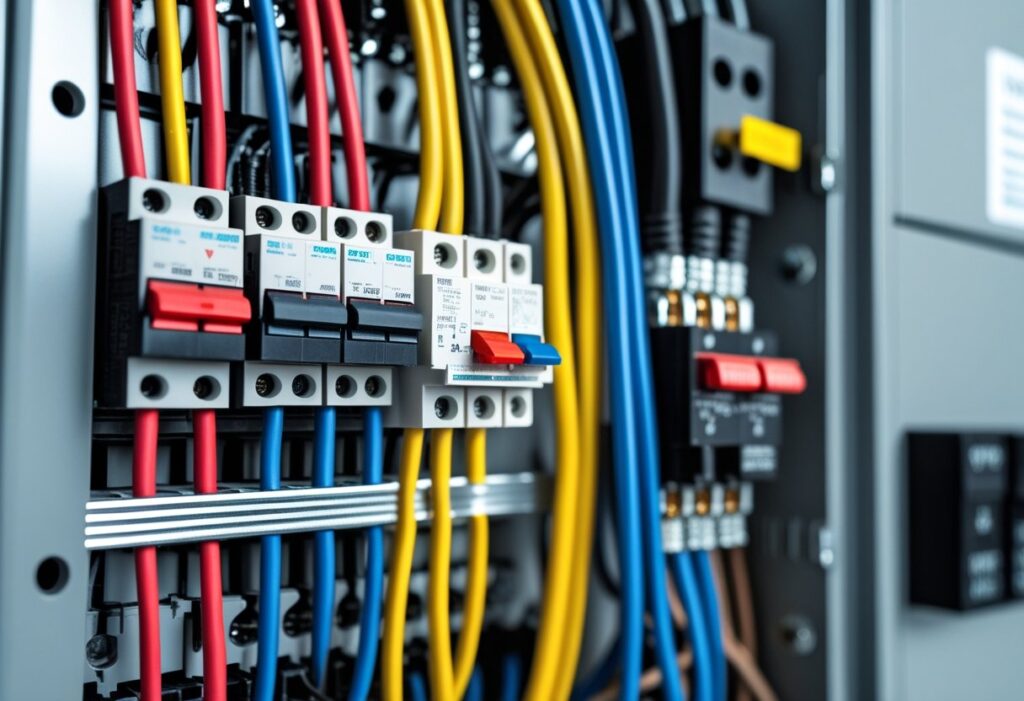
If you notice a burning smell near your outlets, switches, or electrical panel, it usually smells like burnt plastic or something melting. This sharp, acrid odor often means wires or electrical parts are overheating, which could cause serious damage if left unchecked.
Knowing this smell is important because it helps you spot problems early. You might also hear strange noises or see outlets that feel warm or hot.
These signs often happen with the burning smell and mean your wiring could be faulty or overloaded. Paying attention to these clues can keep your home safe and prevent bigger electrical issues.
Understanding the Electrical Burning Smell
When you notice a burning smell coming from your home’s electrical system, it usually means something is wrong. This smell comes from specific causes and materials that heat up or burn.
Recognizing the exact odor and what creates it can help you spot danger early.
What Causes Electrical Burning Odors
The burning smell often comes from overheated wires or electrical parts. Circuits carry too much power or have short circuits, which leads to this problem.
Faulty wiring, loose connections, or damaged insulation can all heat up and produce a smell. Power surges and overloaded outlets also cause components to get hot.
When plastic, rubber, or metal parts burn or melt, they release that distinct odor. If you smell this, your electrical system might not be handling its load safely.
Common Materials Involved in Electrical Fires
Electrical fires usually involve materials like:
- Plastic insulation around wires
- Rubber coatings on cables
- Dust or debris that catches fire near outlets or switches
When these materials overheat, they give off a sharp, acrid smell. Plastic and rubber burning smell very different from wood or paper.
Knowing this helps you tell if the source is electrical rather than something else. You might also notice melted or discolored outlet covers and switches.
These signs show that your home’s wiring materials are under stress.
Odor Characteristics Unique to Electrical Burning
Electrical burning smells are often described as acrid, chemical-like, or sharp. Unlike burning wood or paper, it can be sweetish or plastic-like.
Melted wire insulation and heated metals release these fumes. The smell usually comes in short bursts or gets stronger near outlets, switches, or appliances.
If you notice it suddenly or frequently, heating is happening repeatedly, which is dangerous. This smell rarely fades quickly and often comes with other signs like flickering lights or hot switches.
Paying attention to its unique scent helps you act fast to avoid bigger problems.
How to Identify an Electrical Burning Smell
You might notice a burning odor from outlets, switches, or appliances before seeing any other signs of trouble. Recognizing the exact scent and the signs that come with it helps you act quickly to keep your home safe.
Primary Smell Descriptions
When electrical wires overheat or short circuit, they release a distinct burning smell. You may notice it as a sharp, acrid odor that resembles burning plastic or rubber.
Some people also compare it to a fishy or metallic smell. This smell is different from common burning smells like food or wood.
The intensity can vary—sometimes it’s faint, other times very strong. If you detect this scent near outlets or appliances, it’s a warning sign that something inside could be overheating or damaged.
Distinguishing Electrical Odors from Other Smells
Electrical burning smells are often sharper and more chemical-like than other common household odors. Unlike burnt food, which tends to smell smoky or charred, this scent is artificial and plastic-like.
Other smells like mold or chemicals don’t usually have the same acrid or fishy tone. Pay attention to where the smell is strongest—usually near switches, outlets, or electrical panels.
If the smell disappears when you turn off a device, the source is likely electrical.
Visual and Audible Cues that Accompany the Scent
Electrical burning smells rarely come alone. You might see flickering lights, sparks, or smoke near outlets or switches.
Outlets may feel warm or hot to the touch, signaling overheating. Listen for buzzing or crackling sounds around electrical components.
These noises, combined with burning odors, often indicate faulty wiring or short circuits. If you notice any of these signs, stop using the affected device and call a licensed electrician immediately.
Typical Sources of Electrical Burning Odors
Electrical burning smells often come from specific parts of your home’s electrical system. You might notice them around devices, wiring, or fixtures.
Knowing where these odors come from can help you find trouble spots quickly.
Home Appliances
When you smell something burning near an appliance, it is usually caused by overheating or a short circuit inside the device. Appliances with motors, like refrigerators or fans, can emit a fishy or acrid burning smell if their wiring or internal parts are failing.
If plastic components inside the appliance melt or burn, the smell can be sharp and chemical-like. Appliances that draw too much power or have old wiring are more likely to cause this odor.
Always unplug the appliance if you detect a burning smell. Consider having a professional check it out to avoid fire risks.
Electrical Wiring and Outlets
Faulty wiring is a common source of electrical burning odors. When wires overheat due to bad connections, overloads, or damage, they give off a strong, acrid smell that’s different from food or chemical odors.
You might notice the smell near outlets, wall panels, or behind walls where wires run. Older homes or places with overloaded circuits are especially prone to this.
If a particular outlet or wall feels warm or has discoloration, it could be a sign of wiring trouble that needs immediate attention.
Lighting Fixtures
Burning smells near light fixtures often come from overheating bulbs or poor wiring inside the fixture. If bulbs keep burning out quickly, they could be drawing too much power or the fixture’s wiring could be loose or damaged.
Switches and sockets connected to the fixture might also emit a faint burning odor if they’re faulty. This smell might resemble burning plastic and requires quick attention to prevent larger problems.
Always replace bulbs with the correct wattage recommended for the fixture. Check for hot or discolored parts around the fixture.
Potential Dangers of Ignoring Electrical Burning Smells
Ignoring a burning smell from your electrical system can lead to serious problems. These include fires, health issues, and damage to your home’s electronics.
Acting quickly when you notice this smell is important to keep your home safe.
Fire Safety Risks
A burning electrical smell is often a sign of overheating or faulty wiring. If left unchecked, it can cause sparks or short circuits.
This raises the risk of an electrical fire in your home. Burning smells near outlets, switches, or appliances often mean wires are melting or insulation is burning.
This can cause flames or smoke, damaging your property and putting your family in danger. To avoid fire risks, never ignore these smells.
Call a licensed electrician to inspect and repair any problems. This can stop fires before they start.
Health Risks Associated with Inhaling Electrical Fumes
When electrical components burn, they release toxic fumes into the air. Breathing in these fumes can irritate your eyes, nose, and throat.
It may also cause headaches, dizziness, or nausea. Long-term exposure to these fumes can affect your lungs and overall respiratory health.
This is especially dangerous for children, elderly people, and those with existing health problems. If you smell burning plastic or wires, leave the area and get fresh air.
Don’t stay in a room where the smell is strong, and get professional help right away.
Long-Term Damage to Electronics
When electrical wiring overheats, it can cause damage to your appliances and devices. Faulty wiring leads to power surges, which can shorten the life of your electronics.
You might notice your lights flickering or outlets feeling warm. These signs mean your electrical system is stressed and could harm your devices.
Fixing burning smells quickly helps preserve your electronics and avoid costly replacements. Regular inspections and maintenance also protect your home’s electrical system from long-term damage.
What to Do If You Smell Electrical Burning
If you smell something burning that seems electrical, you need to act quickly and carefully. Taking the right steps can keep you safe and help prevent serious damage.
Here’s what you should do right away, when to get help, and how to avoid the problem in the future.
Immediate Safety Steps
First, do not ignore the burning smell. It often means wires or devices are overheating and could start a fire.
Turn off the power to the area where you smell burning. If you cannot turn it off safely, unplug any devices you suspect might cause the smell.
Avoid touching outlets or switches that feel hot. Open windows to clear the air if you can do so safely.
If you see smoke or flames, leave your home immediately and call emergency services. Your safety comes before anything else.
When to Contact a Professional
If the burning smell does not go away after you turn off power or unplug devices, call a licensed electrician right away. They have the right tools to check for faulty wiring or broken components.
It is unsafe to try fixing electrical problems yourself. If you notice outlets that are discolored, warm, or sparks when you plug in devices, these are signs you need professional help.
Also, if your circuit breakers trip often or smell burning, don’t wait to get an electrician. The problem can get worse quickly.
Preventing Future Electrical Odors
Keep your home safe by not overloading outlets or extension cords. Spread out device use to avoid overheating circuits.
Check cords and plugs for damage regularly. Replace anything worn or frayed before it causes problems.
Have your home’s electrical system inspected every few years, especially if your home is older. This helps catch worn wiring early.
Use surge protectors, and avoid running high-power devices on the same circuit for too long. Good habits can stop burning smells before they start.
Preventing Electrical Burning Smells at Home
Taking care of your home’s electrical system helps stop burning smells before they start. You need to check your wiring regularly, keep appliances in good shape, and watch for early trouble signs.
These steps keep your house safe and your mind at ease.
Routine Electrical Inspections
You should have a licensed electrician inspect your home’s wiring at least once every few years. They look for worn wires, loose connections, and damaged outlets that can cause overheating and burning smells.
During inspections, the electrician tests your circuit breakers and outlets to make sure everything works like it should. Faulty wiring that is left unchecked often leads to smells or even fires.
If you notice flickering lights or frequent breaker trips, arrange an inspection sooner. Regular checkups catch problems early, so you do not face costly repairs or safety risks.
Proper Appliance Maintenance
Appliances with old or damaged cords can overheat and cause a burning smell. You need to check cords for cracks, frays, or bent plugs regularly.
Keep appliances clean and dust-free, especially around vents and motors. Dust buildup can trap heat and create odors or worse.
Avoid overloading outlets with too many devices plugged in. This can strain your wiring and cause overheating, leading to burning smells.
Replace any appliance that shows signs of damage or overheating quickly to prevent hazards.
Identifying Early Warning Signs
Be alert to unusual smells or sounds near outlets and switches. A sharp, chemical-like burning smell often means wiring problems.
Other signs include discolored or warm outlets, flickering lights, or frequent breaker trips. These are hints that something is wrong with your electrical system.
If you notice any of these signs, turn off power to the affected area and call an electrician right away. Acting fast can stop small problems from becoming dangerous.
List of early warning signs:
- Burning or chemical smell near outlets or appliances
- Flickering or dimming lights
- Warm or discolored outlet covers
- Frequent circuit breaker trips
- Buzzing or crackling sounds from outlets
When an Electrical Burning Smell Is Not Electrical
Sometimes, what smells like electrical burning is actually caused by other things. These odors can be confused with electrical issues because they share some sharp or acrid qualities.
Knowing the differences helps you avoid unnecessary worry and find the true cause quickly.
Other Common Odors Mistaken for Electrical Burning
Some smells come from food burning, chemicals, or plastic items heating up. For example, burnt popcorn, cooking oil, or overheated non-electrical materials can send off strong, acrid odors similar to electrical burning.
These smells often seem more organic or chemical, but not as sharp as electrical odors. You might notice the difference if the smell comes from the kitchen or trash bins instead of outlets or switches.
Fumes from cleaning products or plastic bags near heat sources can also mimic electrical burning smells. Check the area carefully to see if the odor comes from something non-electrical.
Troubleshooting Non-Electrical Causes
If you smell burning but don’t see signs like flickering lights or warm switches, look for other sources first. Check the kitchen or nearby appliances for overheated food or plastic.
Try moving away from electrical devices to see if the smell fades. If it does, the source probably isn’t electrical.
Open windows, throw out any burnt items, or clean areas where food residues might cause smells. Start with these simple steps to rule out non-electrical causes safely and quickly.
If the odor persists and you still suspect electrical causes, turn off power at the breaker and call a professional to inspect.
Frequently Asked Questions
You might wonder how to find where the smell is coming from and what risks it poses. Knowing how long the smell stays and what to do can keep you safe.
You may also want to know if the smell can appear without a clear cause or how it compares to other burning odors.
How can I identify the source of an electrical burning smell in my home?
Look near outlets, switches, and appliances first. Check your circuit breaker panel for any signs of heat or burning.
If you see discoloration or feel warmth near wires, that is a strong hint.
What are the potential dangers of inhaling an electrical burning smell?
Overheating wires or melted insulation cause these smells. Breathing in fumes can irritate your lungs and eyes.
It may also be harmful if you stay in the area too long.
How long can the scent of electrical burning linger in an area?
The smell can last for hours or even days depending on the ventilation. Poor airflow makes the odor stick around longer.
Opening windows helps clear the air faster.
What steps should I take if I detect an electrical burning odor?
Turn off power to the area if it’s safe. Avoid using the device or outlet causing the smell.
Call a professional electrician right away to prevent fire risks.
Can an electrical burning smell be present without an obvious cause?
Yes, sometimes faulty wiring inside walls or hidden devices can create the smell. If you can’t find the source, have an expert inspect your system.
How does the smell of burning electrical components differ from burning plastic?
Burning electrical parts often smell sharp, like overheated wires or chemicals.
Burning plastic usually has a sweeter or more pungent odor.