A circuit breaker keeps your home safe by stopping electrical problems from getting worse. When a breaker is bad, it might trip too often, fail to reset, or make buzzing sounds.
One of the clearest signs of a bad breaker is if it trips frequently without obvious reason or won’t stay on after you reset it.
You might also notice flickering lights or outlets that don’t work right. These can mean the breaker isn’t handling power properly.
Knowing these signs helps you avoid bigger issues like electrical fires or damage to your system.
Signs Of A Bad Circuit Breaker
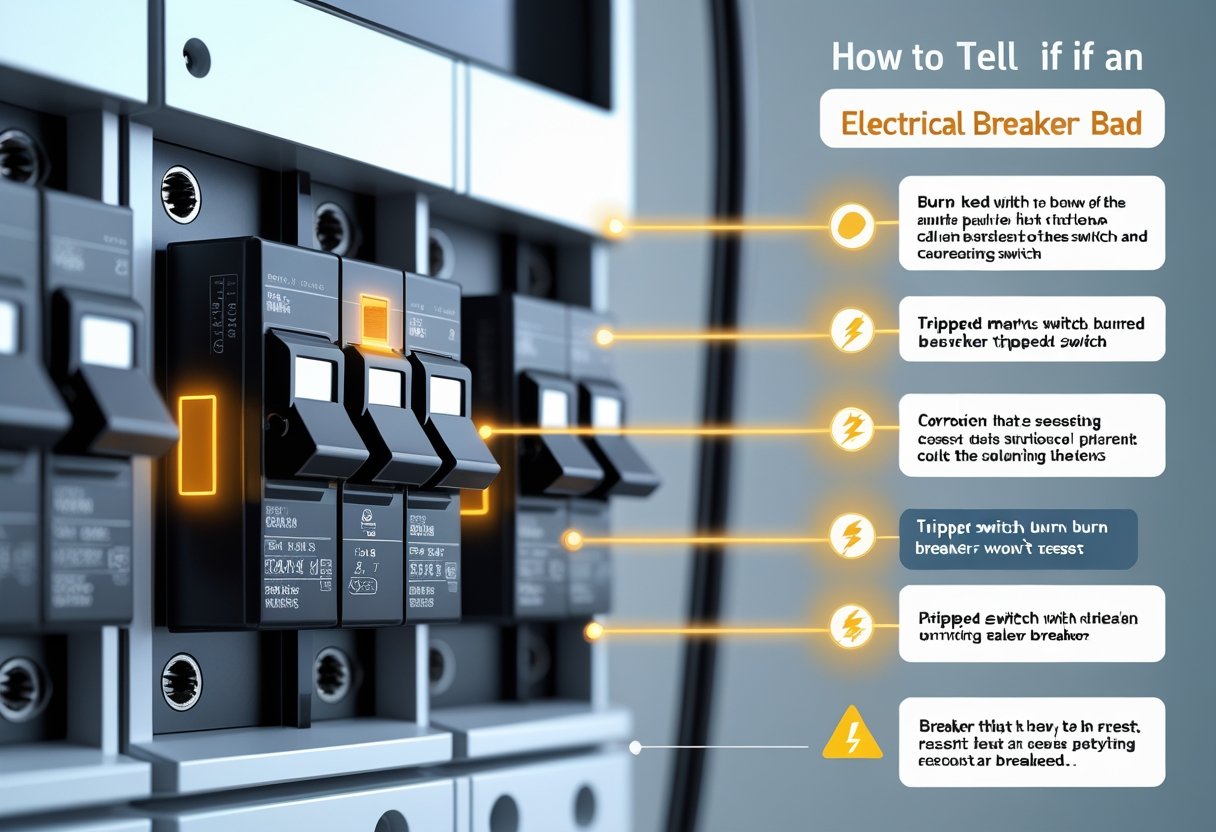
A bad circuit breaker shows clear signs that you can spot. These include problems with resetting, frequent trips without obvious cause, strange smells, or visible damage.
Breaker Won’t Reset
If your breaker won’t reset after you flip it back on, something is wrong. Normally, breakers reset easily after tripping.
When it stays off, it could mean the breaker is faulty or there is a serious electrical problem like a short circuit. Try turning the breaker all the way to the OFF position, then back ON.
If it still won’t reset, avoid forcing it. This can mean the breaker’s internal parts are worn out or damaged.
You should have a professional check it before using any affected circuit.
Frequent Tripping
When your circuit breaker trips often, even without heavy electricity use, that’s a problem. Frequent tripping means the breaker can’t handle the load or is failing.
It can also point to faulty wiring or bad appliances. To test, unplug devices and reset the breaker.
If it trips with nothing plugged in, the breaker or wiring may be bad. Frequent trips increase the risk of electrical hazards.
Burning Smell Or Scorch Marks
A burning smell near your breaker panel or scorch marks on the breaker or surrounding area are serious red flags. These signs often mean the breaker is overheating or experiencing electrical arcing.
Never ignore these smells or marks. They could signal a dangerous failure that leads to fire risks.
Turn off the main power and call an electrician for immediate inspection and repairs.
Physical Damage
Look closely at your breaker for cracks, rust, or loose parts. Physical damage can stop the breaker from working properly or cause it to trip without reason.
Even small defects can affect safety. If you see broken components, corrosion, or broken handles, the breaker needs replacing.
Handling physical damage promptly helps avoid electric shocks or fire hazards from faulty breakers.
Safety Precautions Before Testing
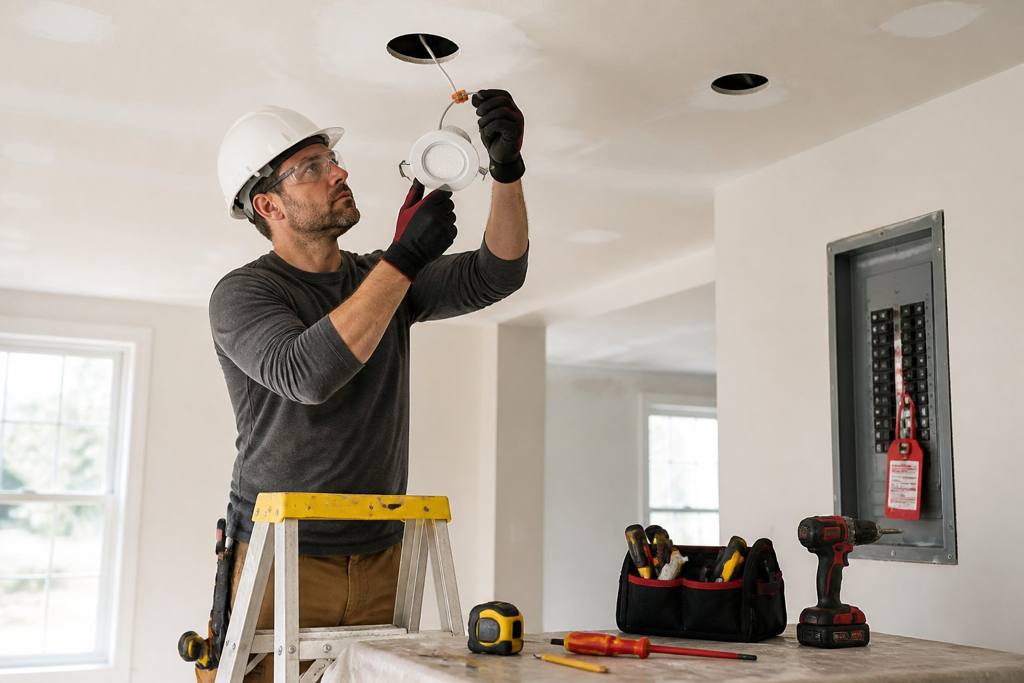
Before you start testing a breaker, take steps to protect yourself from electrical shock or injury. Make sure the power is off and wear the right safety gear.
Turning Off Power
Always switch off the main power before testing a breaker. This stops electricity from flowing and lowers the risk of a shock.
Locate your main breaker panel and turn off the main breaker first. Next, turn off the specific breaker you plan to test.
If you’re unsure which breaker controls the area, turn off the main breaker only. Use a voltage tester before touching any wires or parts.
This confirms there is no electricity. Testing when the power is still on can be dangerous and lead to injury or damage.
Using Safety Equipment
Wear insulated gloves to protect your hands from electric shock. These gloves reduce the chance of a current passing through your body.
Use safety goggles to shield your eyes from sparks or debris. Electrical faults can cause sudden bursts that might hurt your eyes.
Make sure your shoes have rubber soles for extra protection. Always use tools with insulated handles designed for electrical work.
This helps protect you if you accidentally touch live parts.
How To Test A Breaker With A Multimeter
Testing a circuit breaker with a multimeter helps you find out if it is working correctly or needs replacement. You'll need the right tools and steps to check for voltage.
Gathering Necessary Tools
Before you start, make sure you have a digital multimeter. This tool measures electrical voltage, current, and resistance.
You'll also want insulated gloves and safety glasses to protect yourself. Turn off the main power at the breaker panel to avoid any shocks.
Use a non-contact voltage tester first to be sure no power is flowing where you work. Set your multimeter to measure AC voltage, usually marked as “V~” or “ACV.”
Check the multimeter’s batteries and probes to be sure they are in good condition.
Checking For Voltage
First, remove the breaker’s panel cover carefully to reach the breaker clips. Touch one multimeter probe to the terminal screw on the breaker and the other probe to a neutral bar or ground.
If the breaker is good, the multimeter should show voltage close to your home’s supply (around 120 volts for most U.S. circuits). If you get zero volts or a very low number, the breaker might be bad or not getting power from the panel.
Test more than one breaker to compare numbers.
Interpreting Test Results
If your multimeter shows full voltage at the breaker terminal and your devices still don’t work, the problem might be with wiring or outlets. A reading of zero or very low voltage means the breaker may be faulty or not connected properly.
You can also check resistance by turning off power and setting the multimeter to ohms (Ω). Touch probes to each end of the breaker terminal.
A very high or infinite resistance means the breaker might not be completing the circuit. If your multimeter beeps during this test, that shows continuity, meaning the breaker is allowing electricity through.
Use these readings to decide if you need a professional to replace the breaker or check wiring.
Common Causes Of Breaker Failure
Breaker failure can happen for several reasons. These include old age, too much electricity running through the circuit, and problems from the factory.
Aging Or Wear
Breakers don’t last forever. Over time, the internal parts wear out.
This happens because breakers constantly switch on and off to protect your home’s electrical system. As components get old, they may fail to trip when they should, or they might trip for no good reason.
You could notice buzzing sounds or flickering lights when a breaker is wearing down. Visible signs like cracks, discoloration, or burns on the breaker can also mean it is near the end of its life.
Regular checks and replacing breakers every 20-30 years can keep your electrical system safe.
Overloaded Circuits
One common cause of breaker failure is when the circuit carries more power than it can handle. If you plug too many devices into one outlet or use high-power equipment, the breaker may trip often.
This overload heats up the breaker and wiring. Heat can damage the breaker’s internal parts or cause melting and burns.
You might smell burning plastic or see discoloration near outlets or breakers. To prevent overloads, avoid plugging in too many devices at once.
Consider adding circuits if your power use has increased.
Manufacturer Defects
Sometimes breakers fail because of flaws made during production. Defects like weak springs or bad wiring inside the breaker can cause it to trip incorrectly or not trip at all.
These issues may show up soon after installation or after some time. If your breaker trips frequently with no clear reason, or you hear unusual buzzing or clicking noises, a manufacturer defect could be the cause.
If you suspect this, have a professional check the breaker. Defective breakers can often be replaced under warranty.
What To Do If You Suspect A Bad Breaker
If your breaker trips often or you notice buzzing sounds or flickering lights, act quickly. Knowing when to call a professional and understanding the replacement process will help keep your home safe.
Consulting A Licensed Electrician
If you think your breaker is bad, contact a licensed electrician. They have the tools and skills to test your breaker and the electrical panel.
Trying to fix it yourself can be dangerous, especially if you don’t have electrical experience. An electrician will check for signs like overheating, loose wires, or damaged parts.
They can also find other issues that might cause the breaker to trip, such as faulty wiring or overloaded circuits. If they find a problem, they’ll advise you on the best fix.
Breaker Replacement Process
Replacing a circuit breaker starts by turning off power at the main panel to keep you safe. The electrician removes the panel cover and tests the breaker to confirm it’s bad.
Once confirmed, they carefully detach the old breaker and install a new one of the same type and rating. Using a breaker with the wrong rating can cause further problems.
After installation, they test the circuit by turning the power back on and making sure everything works correctly without tripping again. If you see frequent trips or burning smells, don’t wait.
A proper breaker replacement will prevent electrical hazards and keep your home safe.
Preventive Maintenance Tips
You can keep your circuit breaker working well by checking your electrical panel often and making sure you don’t overload your circuits. These steps help prevent problems and extend the life of your breaker.
Regular Panel Inspections
Take a close look at your breaker panel every few months. Check for any cracks, burns, or blackened spots on the breaker housing.
These signs can mean overheating or that the breaker is failing. Make sure the breakers are firmly seated and not loose.
Look for any corrosion or dirt inside the panel. If you see any, clean it carefully or call a professional.
Listen for odd sounds like buzzing or popping. These noises can signal electrical issues you should not ignore.
Replace any worn or damaged parts quickly.
Avoiding Overloads
Overloading your circuits is a common cause of breaker problems. Avoid plugging too many devices into one outlet or breaker.
Watch for warm outlets, flickering lights, or frequent breaker trips. These are signs your circuit is overloaded.
To prevent this, spread your electrical devices across multiple circuits. Use power strips with built-in surge protection and unplug devices when not in use.
If you often trip breakers, consider having an electrician add more circuits to handle your power needs safely.
Frequently Asked Questions
You may notice flickering lights, warm outlets, or frequent breaker trips when your breaker is failing. Sometimes, using a multimeter can help you check if a breaker is working well.
If your breaker does not trip when it should, there are ways to troubleshoot it safely.
What are common symptoms of a failing circuit breaker?
You might see flickering or dimming lights. Your outlets or switches could feel warm or hot.
The breaker could trip frequently, or you might smell a burning odor near outlets or the breaker box.
How can you diagnose a bad breaker using a multimeter?
First, turn off power to the breaker panel. Set the multimeter to measure voltage or continuity.
Check the breaker terminals for proper voltage or continuity. No voltage or inconsistent readings can point to a bad breaker.
What should you do if you notice no power but the breaker hasn't tripped?
Check if the breaker is fully switched to the "on" position. Test outlets or devices on the circuit with a voltage tester.
If the breaker is on but no power comes through, the breaker or wiring might be faulty.
What steps should be taken to replace a faulty circuit breaker?
Turn off the main power before starting. Remove the panel cover carefully.
Unclip or unscrew the faulty breaker. Attach the new breaker in the same slot.
Reconnect the wires. Replace the cover and turn the power back on.
How can one troubleshoot a breaker that doesn't trip when expected?
Look for signs of overheating, such as warm breakers or outlets. Test the breaker with a multimeter.
Check wiring for damage or loose connections. If you feel unsure, call an electrician to avoid risks.
What signs indicate that the main circuit breaker may be defective?
The main breaker may feel hot or give off a burning smell.
It could trip for no clear reason or fail to reset.
Flickering house lights or sudden power interruptions can also signal problems with the main breaker.