
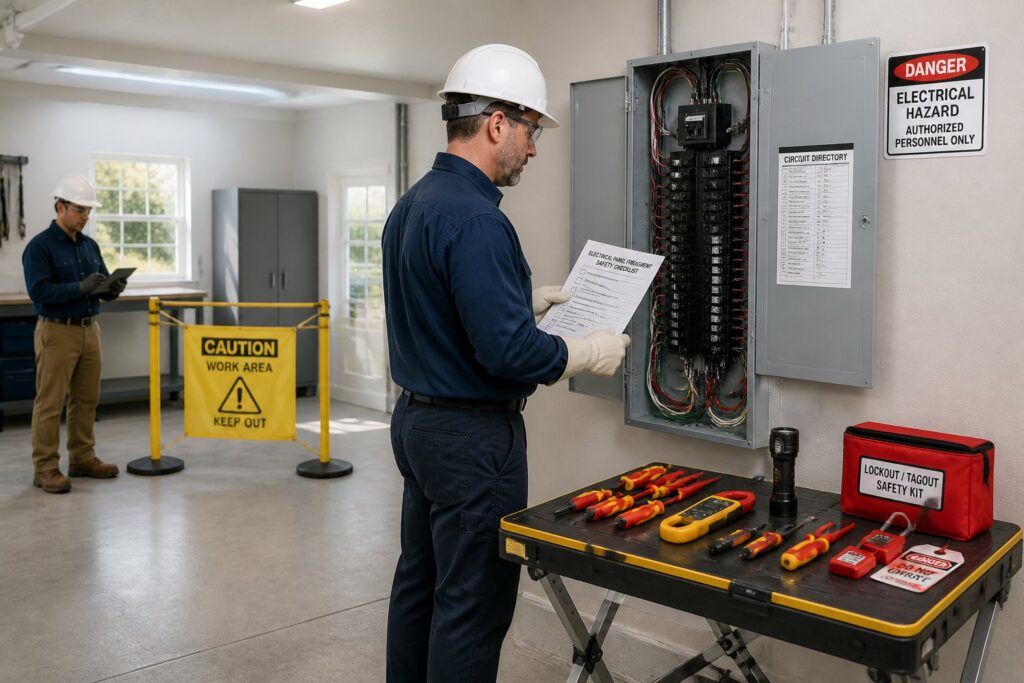
How to prepare for electrical panel replacement starts with understanding why the upgrade matters and what your home or building actually needs. Swapping out a panel isn’t just about hardware—it’s about safety and making sure every circuit in your space works the way it should.
The best preparation helps you dodge surprise delays, keep downtime short, and make sure your new panel matches your real power use. If you know what to clear out, what to back up, and what to ask, installation day just feels less stressful.
Know When a New Panel Makes Sense
You’ll make better choices if you know why you’re doing this in the first place. Most homes and buildings show signs before anything major goes wrong.
Warning Signs of Capacity or Safety Problems
Watch for breakers that trip all the time, lights that flicker or dim when big appliances kick on, buzzing sounds around the panel, or warm spots near the breaker box. If you smell something burning, see rust or scorch marks, or notice breakers that feel hot, don’t ignore it—those are big red flags.
Still have a fuse box or an old panel that can’t keep up? That’s usually a sign it’s time for a replacement. If breakers keep tripping, your system’s probably overworked.
Common Reasons Older Equipment Needs Updating
A lot of older panels just weren’t built for today’s electrical loads, especially if you’ve got central air, an electric dryer, induction range, or a workshop. Renovations can reveal limits you didn’t know were there.
Age is a factor, too. Parts wear down, connections loosen, and old equipment often falls short of current code. Replacing the panel lets you fix weak spots before they turn into bigger problems.
Understand Your Home or Building’s Power Needs
A good panel upgrade fits how you actually use electricity—not just what you needed years ago. It should leave space for anything you might add down the road.
Before anything starts, check out your biggest loads and think about future projects. That makes it way easier for your electrician to size everything right.
Appliance and Circuit Load Considerations
Make a list of your big power users—things like HVAC units, water heaters, ovens, dryers, fridges, sump pumps, and heavy-duty tools. If several run at once, you might need more panel capacity than you thought.
Keep track of any trouble circuits, too. If certain breakers trip a lot or you’re always plugging in extension cords, mention it during your estimate.
Planning for Future Additions Like EV Charging or Smart Systems
Thinking about adding an EV charger, hot tub, pool, or smart home setup? Let your electrician know now. Planning ahead can save you from another upgrade in a year or two.
This is also a good time to consider automated lighting, Lutron smart home systems, or whole-home surge protection. If you plan for these now, the upgrade will support them more smoothly. It’s worth thinking about.
Get Ready Before the Electricians Arrive
A little prep at home or on-site makes the project go faster and safer. Small steps before installation day help the crew and cut down on headaches.
Focus on access, backup plans, and any permits or approvals you might need. These details really shape how smoothly things go.
Clearing Access Around the Service Area
Move furniture, bins, tools, and boxes away from the panel and nearby walls. Electricians need space to work, set down tools, and move safely.
If your panel’s in a closet, garage, basement, or utility room, clear a path to it. Good lighting and a clutter-free spot help, especially if work starts early.
Backing Up Essential Electronics and Systems
Shut down computers, save your files, and back up anything important before the power goes out. Unplug sensitive electronics, TVs, and internet gear too.
If you rely on medical devices, security systems, aquarium pumps, or have a fridge with important stuff inside, make a backup plan. Sometimes a portable generator hookup can help, depending on your setup.
Coordinating Utility and Permit Requirements
Ask your electrician who’s handling permits and inspections. In most places, panel replacement needs a local permit and a final inspection.
You might also need to coordinate with the utility company for disconnecting and reconnecting service. Lining this up ahead of time helps avoid last-minute delays.
Plan for Shutoff Day With Minimal Disruption
Power will be off for at least part of the replacement. The better you plan, the less it’ll mess with your day.
Think about what you’ll lose temporarily and how to keep essential needs covered. This matters for both homes and businesses.
What Will Be Temporarily Unavailable
Expect to lose lighting, outlets, internet, HVAC, refrigeration, cooking appliances, garage doors, and security systems during the shutoff. Some stuff may come back in stages if the project is done in steps.
If you work from home, ask when power will be restored enough for internet and charging. If you run a business, plan for payment systems, computers, lighting, and any equipment tied to the panel.
How Households and Businesses Can Stay Operational
Charge phones, laptops, and backup batteries the night before. Keep flashlights handy, and move anything you’ll need before the shutoff.
For businesses, post signs, let staff know, and give customers a heads-up about the outage window. If you need emergency electrical help, a good contractor can help you figure out temporary workarounds and keep things manageable.
Ask the Right Questions About Safety and Work Scope
Asking the right questions helps you compare estimates and avoid missing something important. You want to know who’s doing the work, which code requirements matter, and what else should get fixed while they’re there.
You can often bundle related improvements into the same visit, which saves you from opening up the wall or panel area twice.
Licensing, Inspection, and Code Compliance
Ask if the electrician is licensed for your area and if the work will be inspected after installation. Find out how the new panel will be sized and labeled to fit current code and your actual load.
Magnify Electric is a solid choice for Residential and Commercial Electrical Work—licensed electricians handle panel upgrades, repairs, safety inspections, troubleshooting, and a wide range of electrical services. The team covers Spicewood, Austin, Bee Cave, Lakeway, Dripping Springs, Georgetown, Leander, Round Rock, Kyle, Cedar Park, Liberty Hill, Westlake, The Hills, Briarcliff, Horseshoe Bay, Sunset Valley, Hutto, and the surrounding Central Texas area.
Related Improvements Worth Bundling Into the Visit
Ask if this is a good time for outlet services, wiring, recessed lighting, ceiling fans, switches, smoke and CO₂ detectors, or outdoor lighting installation. If you’re upgrading a home or business, it might make sense to add TV installation, EV charging outlets, wall-mounted chargers, or whole-home surge protectors.
Magnify Electric also handles automated lighting, Lutron smart home systems, portable generator hookups, and general electrical improvements—everything from simple fixture swaps to complete electrical upgrades and commercial lighting solutions.
Prepare for the Final Walkthrough and Next Steps
Once the panel’s mounted, you’re not quite done. The last checks help make sure everything’s labeled, tested, and ready for daily use.
Use the walkthrough to confirm the panel matches your building and that you know how to use it. Spending a few minutes now can save you confusion down the road.
Testing Labels, Breakers, and Connected Devices
Have the electrician walk through the breaker labels with you and confirm which breaker serves each room or big appliance. Test important devices, lights, and outlets while the crew’s still there if you can.
If a breaker trips during testing, get it fixed right away. This is also a good time to check smart systems, charging outlets, and anything else that depends on the new panel.
Maintenance Tips After the Upgrade
Keep the area around the panel clear and dry. Don’t stack boxes, cleaning stuff, or tools in front of it.
Check the panel now and then for weird heat, noises, or breaker trips, especially during the first few weeks. If something feels off, call your electrician sooner rather than later.
Frequently Asked Questions
What steps should I take before an electrician arrives to replace my electrical panel?
Clear the work area, back up your electronics, and jot down any electrical problems you’ve noticed. It also helps to have past permits, repair notes, and a list of upgrades you might want—like EV charging or smart lighting.
How long does an electrical panel replacement usually take from start to finish?
Most panel replacements take a day, sometimes longer if there are extra repairs or utility coordination. The whole process can stretch over several days if permits, inspections, or disconnect scheduling are involved.
Will my power be turned off during the replacement, and for how long should I expect it?
Yes, your power will be off for at least part of the work. The outage might last a few hours for a simple job, or longer if the upgrade is more involved.
What permits or inspections are typically required for an electrical panel replacement?
Most places in the US require a permit and final inspection for panel replacement. Your electrician should know the local process and handle the paperwork or let you know what you’ll need.
What is the 80% rule for electrical panels, and why does it matter for load planning?
The 80% rule means continuous loads should stay at or below 80% of a breaker’s rated capacity. It keeps circuits from getting too hot and gives your panel some breathing room for real-world use.
What is the 120% rule for electrical panels, and how does it affect breaker and busbar capacity?
The 120% rule comes up a lot when you’re adding a new breaker, especially for solar gear. Basically, it helps make sure you don’t overload the busbar—think of it like a safety buffer. If you’re trying to squeeze in another breaker, your electrician needs to double-check the panel’s specs and layout before giving the go-ahead. Not every panel setup will work, so it’s worth pausing to confirm.