Planning the electrical setup for a home addition isn’t just about plugging in a few more outlets or adding lights. You’ve got to look at your current electrical system and figure out if it can really handle the extra load safely. If you don’t, overloaded circuits and headaches tend to follow.
Think about how you’ll use the new space. Where do you want outlets? Need extra lighting? Charging stations? Maybe a spot for power tools? Placing outlets where you’ll actually use them just makes sense. If you need help, Magnify Electric’s licensed electricians know their stuff and make sure everything meets safety codes.
Magnify Electric brings experience from both residential and commercial projects. Whether you’re swapping a few lights or adding whole new circuits, their team works to keep your electrical system safe and reliable as your home grows.
Assessing Electrical Needs
When you add on to your home, it’s smart to plan the electrical system with care. Figure out how much power you’ll need, what appliances or devices are coming in, and if your current setup can keep up. This keeps things running safely—nobody wants flickering lights or tripped breakers.
Determining Power Requirements
Start by tallying up the total power your addition will use. List out lights, outlets, appliances, and any heating or cooling gear. Every device has a watt or amp rating—check those labels.
Add up the wattage for everything going in. For a kitchen, don’t forget ovens, fridges, and all the lighting. Sometimes, you’ll need a panel upgrade or a bigger service, like a 200-amp panel, just to keep up.
Leave some wiggle room for future gadgets or upgrades. Planning ahead now means fewer headaches later. If math isn’t your thing, or you just want to be sure, ask someone from Magnify Electric to double-check your numbers.
Identifying New Appliances and Devices
Write down every new appliance, gadget, or tech item you’ll use in the addition. These days, homes need more outlets for smart devices, chargers, and lighting than ever before.
Some appliances—think HVAC units or electric stoves—pull a lot of juice and might need their own circuits. Don’t skip the smaller stuff like ceiling fans or under-cabinet lights either.
Knowing what’s coming helps you avoid last-minute surprises. It also means your wiring and outlets will actually match your needs. The folks at Magnify Electric can help you figure out what you need and might even suggest some energy-saving options.
Evaluating Existing Electrical System
Take a good look at your current electrical panel and wiring before you start. Old systems sometimes can’t keep up safely. Notice frequent breaker trips or flickering lights? That’s a red flag.
Check if your panel has enough space for new breakers. If not, you’re probably due for an upgrade. Old wiring might need replacing to meet safety codes too.
A pro from Magnify Electric can inspect your setup and tell you straight if you need a new panel or rewiring. That way, your home stays safe and reliable as you expand.
Designing the Electrical Layout
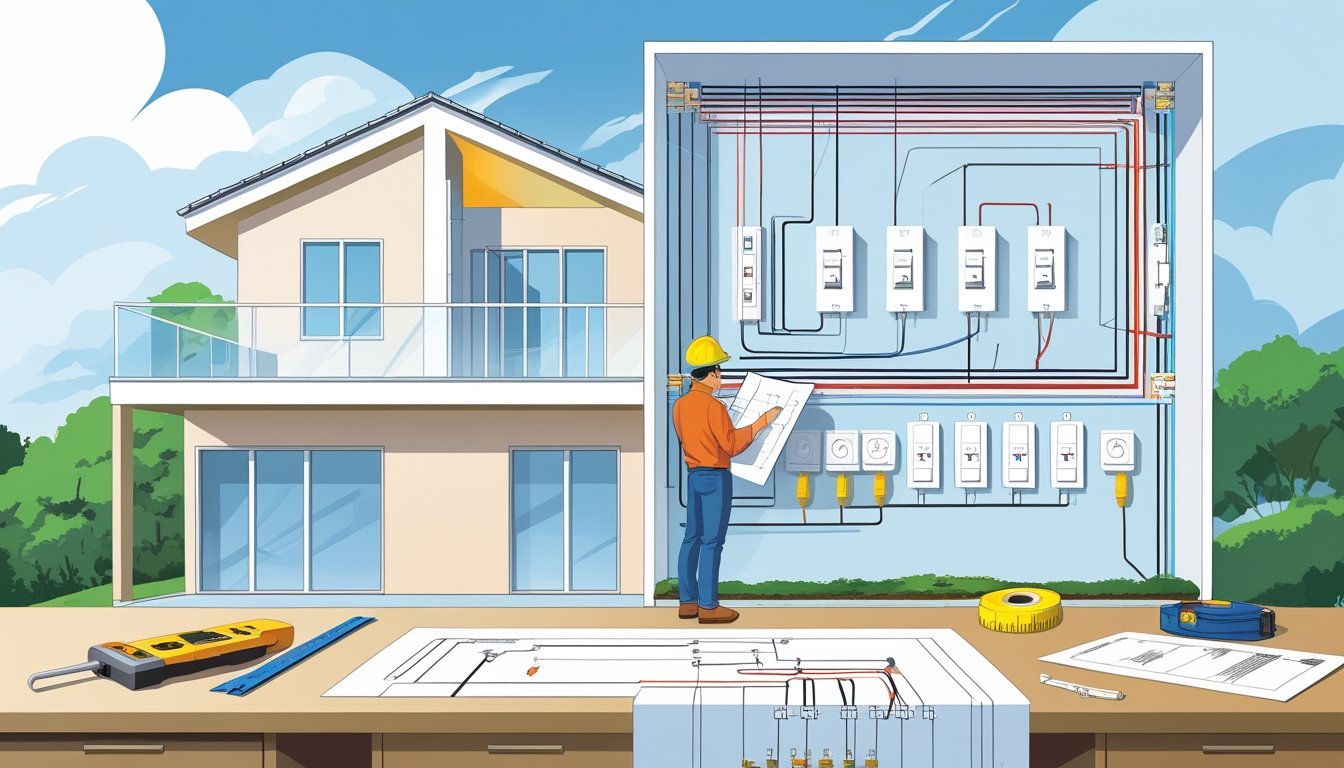
When you’re adding space, it helps to sketch out where outlets, switches, and lights should go. Don’t forget modern touches like smart devices. Careful planning now saves you from tearing up walls later when you realize you need another plug.
Planning Outlet and Switch Placement
Figure out how many outlets you’ll need and where they make sense. A home office? Load it up with outlets for computers, printers, and chargers. Kitchens or workshops often need outlets that can handle bigger appliances or tools.
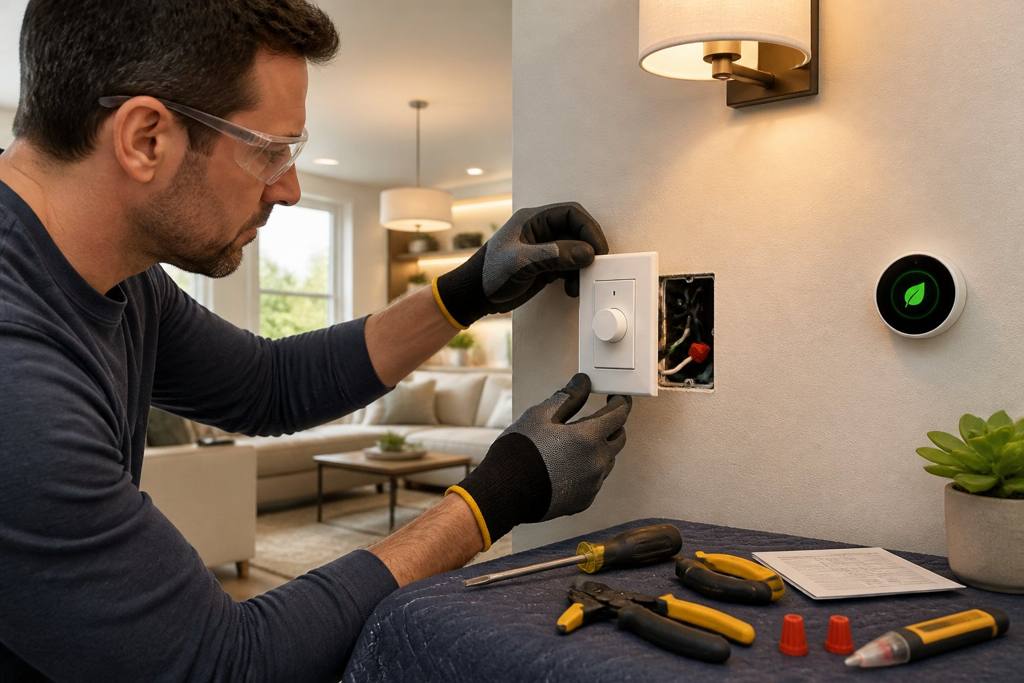
Put switches near every doorway so you’re not fumbling in the dark. Dimmer switches? Always a good idea for mood and flexibility. Spread outlets across different circuits so you don’t overload anything.
Magnify Electric’s crew can help you nail down the right number and type of outlets. They’ll make sure everything’s safe and fits how you actually live.
Deciding on Lighting Solutions
Lighting totally changes how a space feels. Plan for layers: general lighting for the whole area, task lighting for work spots, and accent lights to show off features.
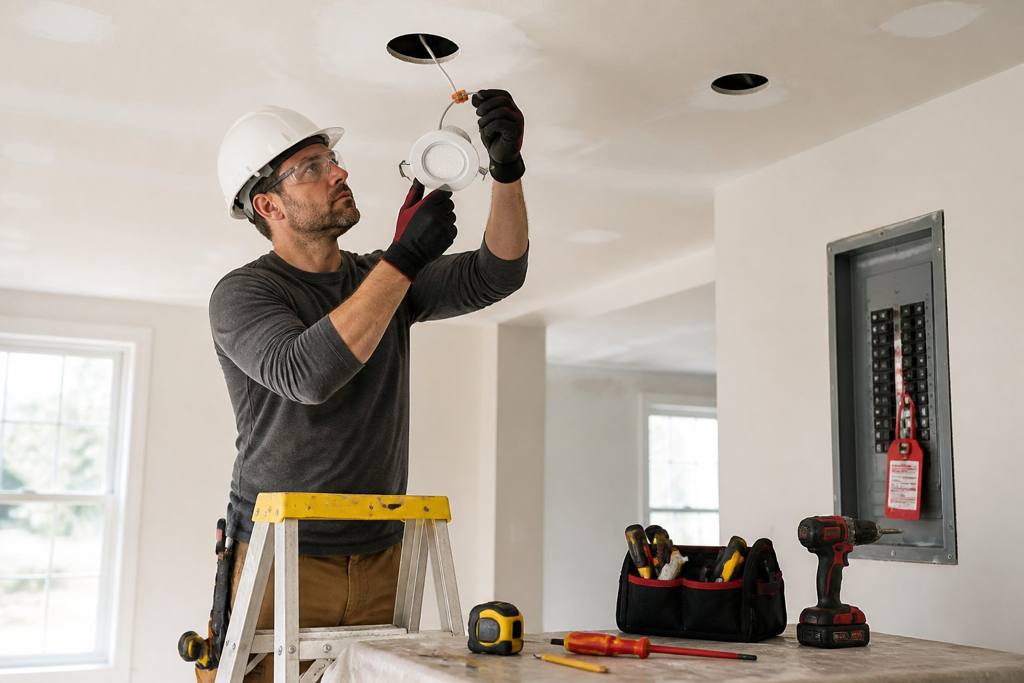
LEDs save energy and last longer, so they’re kind of a no-brainer. Ceiling lights, recessed fixtures, wall sconces—pick what fits your style. For outdoor additions, weatherproof lighting is a must.
If you’re stuck, Magnify Electric can suggest lighting combos that work. They’ll install everything safely and make sure it all looks and feels right.
Incorporating Smart Home Features
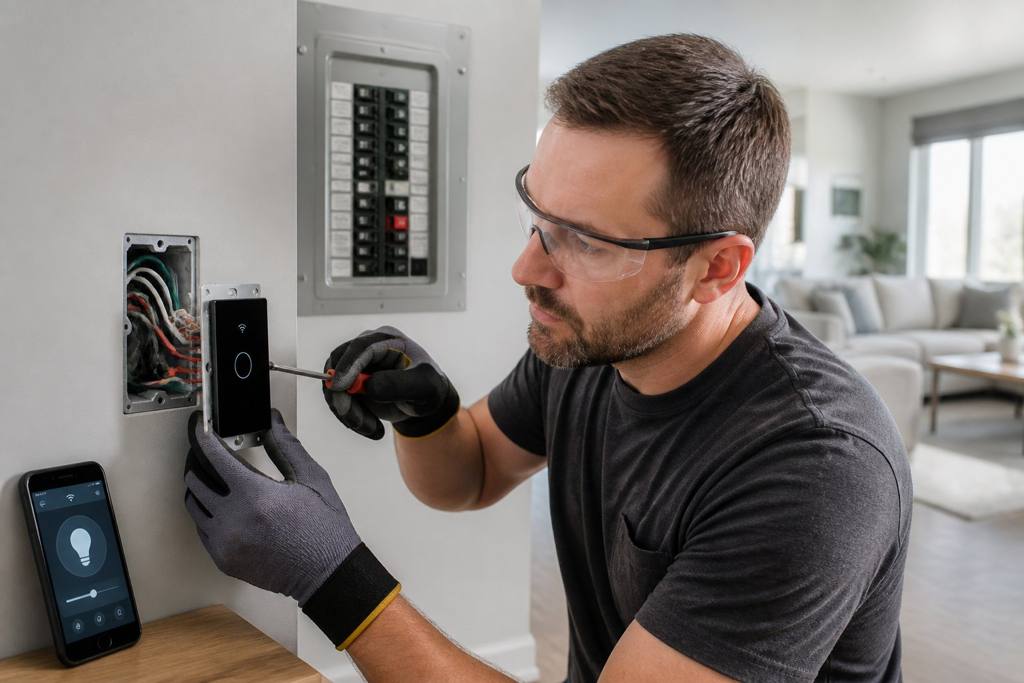
Smart tech lets you control lights, outlets, and more from your phone or with your voice. Plan for smart switches, plugs, and maybe even sensors.
Want lights that turn on when you walk in? Outlets that shut off to save energy? Make sure your Wi-Fi can handle the extra load, too.
Magnify Electric knows how to set up smart home features for both houses and businesses. They’ll help you get set up now—and make sure you can add more in the future.
Choosing the Right Materials and Components
Picking the right materials is huge for safety and performance. Think about wiring type, panel capacity, and circuit breakers that can keep up with your needs.
Selecting Wiring and Cables
Get the right wiring so your addition can handle what you throw at it. Copper wiring is solid—durable and conducts electricity well. Wire gauge matters: thicker wires (lower gauge numbers) carry more current.
Use NM (non-metallic) cables for indoor walls and UF (underground feeder) cables if you’re running wire underground or outside.
Always check local codes. Match the wire’s amperage rating to your project’s needs to avoid overheating or shorts.
Choosing Electrical Panels
The panel is the heart of everything. Pick one that can handle your total load—home plus addition. Look for:
- Amp ratings: 100 amps might cut it for smaller homes, but bigger additions usually need 200 amps or more.
- Number of circuits: Leave room for now and later.
- Type: Main breaker or main lug? Depends on your setup.
Magnify Electric helps you pick a panel that fits, so you’re not left scrambling down the road.
Picking Circuit Breakers
Breakers keep your home safe from overloads and faults. Match breakers to your panel and circuits’ amperage.
Types include:
- Standard breakers for most stuff.
- GFCI breakers where there’s water, like bathrooms and kitchens.
- AFCI breakers to catch arcs and prevent fires.
Right breaker size matters—get it wrong, and you’ll deal with nuisance trips or unsafe conditions. Magnify Electric will make sure your breakers are up to code and fit your needs.
Understanding Safety Codes and Permits
Electrical work for a home addition means dealing with rules and permits—yeah, it’s not the fun part, but it keeps you safe and out of trouble. Local codes and safety standards matter for a reason.
Researching Local Electrical Codes
Every city or county tweaks the National Electrical Code (NEC) a bit. Check with your local building department for the nitty-gritty on outlet placement, breaker sizes, and grounding rules.
Special areas—kitchens, bathrooms—have extra requirements for safety. Knowing the rules upfront saves you from annoying (and expensive) do-overs. These codes keep your system from getting overloaded or causing shocks and fires.
Securing Necessary Permits
Most places want you to pull a permit before starting electrical work, especially if you’re adding circuits or a new panel. Permits mean inspectors will check your work for code compliance. Skip the permit, and you might get fined or end up with a system that’s not safe.
Usually, you’ll submit plans and pay a fee. Inspectors check in at certain stages. It’s a process, but it’s there for a reason.
If paperwork isn’t your thing, Magnify Electric can handle permits and inspections. Their licensed electricians know what’s needed so you don’t miss a step.
Ensuring Compliance With Safety Standards
Safety standards cover grounding, breaker sizing, and GFCI outlets in wet areas. These rules cut down on shocks, fires, and equipment damage. Using the right breaker for each circuit protects your system from overload.
Grounding connects your system to the earth, so stray electricity doesn’t build up. GFCI outlets are a must in kitchens and bathrooms.
Your electrician should follow NEC and any local tweaks. With licensed pros like Magnify Electric, you get peace of mind knowing your addition is safe and up to code.
Hiring Qualified Professionals
A safe, efficient electrical system for your home addition starts with the right professionals. You need electricians who know the rules and have real experience. Checking their credentials and licenses helps make sure your project goes smoothly.
Finding a Licensed Electrician
A licensed electrician meets local and state standards for electrical work. Hiring a licensed pro keeps you safe and on the right side of the law. You can usually check licenses online.
Look for folks with experience in home additions. Ask what kind of projects they’ve done and if they have references. A good electrician explains things clearly and gives you a detailed estimate upfront.
At Magnify Electric, all electricians are licensed and trained for both residential and commercial work. They put safety and proper installation first, whether it’s a small job or a full rewiring.
Reviewing Professional Credentials
Licenses matter, but so do certifications and insurance. Insurance protects you if something goes wrong during the job. Make sure your electrician has both general liability and workers’ comp.
Ask if they stay up to date with codes and standards. Electricians who keep learning and get certified show they care about quality and safety.
Magnify Electric’s team keeps up with the latest codes and tech. They’re transparent about credentials and communicate clearly—so you can feel good about your choice.
Frequently Asked Questions
Figuring out the electrical needs for your home addition means looking at power demands, safety rules, and the right equipment. You’ll also need to plan the wiring and outlets to fit your space, all while following local codes. Getting expert advice makes sure you don’t miss anything important.
What factors should I consider when planning the electrical layout for a home extension?
Think about how you’ll use the new space. Do you need a bunch of outlets, special lighting, or power for bigger appliances? Consider where furniture and equipment will go so outlets and switches end up in the right spots.
Check if your current panel can handle the extra load. If not, an upgrade might be in your future—better than dealing with constant breaker trips or safety issues.
Can you guide me through the process of designing an electrical system for a new room?
Start by jotting down every device and light you want in the room. It helps to sketch a rough layout with spots for each outlet and light fixture.
Figure out how you'll run wiring from the main panel or an existing circuit. Stick to safe wiring practices, and keep an eye out for overloaded circuits—nobody wants that headache.
What are the typical electrical requirements for a home addition project?
Most home additions call for new circuits for lights, outlets, and sometimes heavier stuff like HVAC or kitchen gear. Big energy users, like a mini-split or a double oven, often need their own dedicated lines.
People are adding modern outlets with USB ports or smart features these days. Thinking ahead for things like charging stations or a possible security setup? Definitely worth considering.
How do I calculate the electrical load for my home addition?
Just add up the wattage on every device and fixture you’ll use at the same time. To get amps, divide the total watts by the circuit voltage—usually 120 volts in most homes.
Then, check that number against your electrical panel’s capacity. If you’re pushing past the panel’s limit, you’ll probably need to upgrade for safety’s sake.
What steps should I take to ensure my electrical plans comply with local building codes?
Before you get started, look up your local building department’s rules. Codes cover things like how you run wires, where you put outlets, lighting, and safety stuff like GFCI outlets.
Stick to the National Electrical Code (NEC) standards your area uses. It’s not always fun, but it’ll save you trouble down the line.
Who should I consult when planning the electrical work for a home addition?
Honestly, it’s smart to call up licensed electricians—like the folks at Magnify Electric. We’ll take a look at your current setup, toss around ideas for the layout, and handle the installation so it meets code.
Magnify Electric has a knack for both residential and commercial projects. Our licensed electricians tackle anything from swapping out lights to upgrading entire panels. You can trust us to make sure your addition’s electrical side is sorted.