
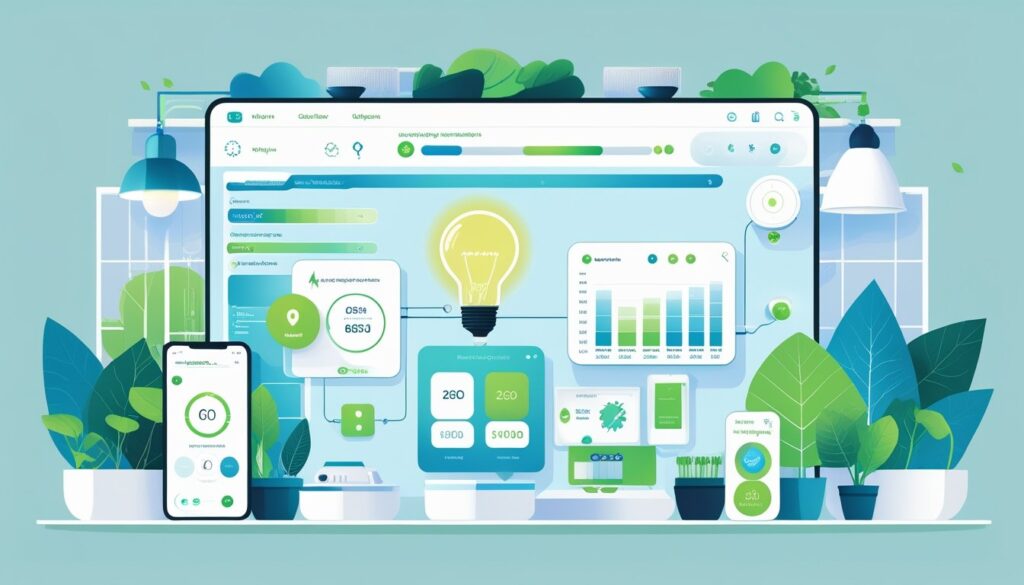
If you’re aiming for a more efficient lighting system, switching to LED bulbs just makes sense. LED lights use less energy and last way longer than old-school bulbs, which cuts your electricity bills and means you’re not always climbing up to swap them out. Adding smart lighting controls is another solid move—they let you tweak brightness and set schedules, so your lights are only on when you actually need them.
To really get the most from a lighting upgrade, it helps to work with folks who know both home and business setups inside out. At Magnify Electric, our licensed electricians handle everything from swapping bulbs to putting in advanced lighting controls or new fixtures. We keep things straightforward and make sure your lighting’s efficient and reliable.
Whether you want to give your home a fresh feel or boost your business lighting, we offer solutions tailored to your space. Magnify Electric’s here to help you save energy and enjoy better lighting every day.
Understanding Energy-Efficient Lighting
Making your lighting system more efficient starts with knowing which bulbs fit your needs, how brightness works, and picking the right color temperature for each space. The right choices save electricity and can really improve the vibe in your home or business.
Types of Energy-Efficient Bulbs
You’ve got a few energy-saving bulb types to pick from. LED bulbs are the clear favorite—they use up to 80% less energy than old incandescent bulbs and stick around for ages. There are also CFLs (compact fluorescent lamps), which are decent for saving energy but have a bit of mercury, so you want to be careful with them.
Halogen bulbs are out there too, but honestly, they’re not as efficient as LEDs or CFLs. For most spaces, LED bulbs give you the best mix of energy savings, brightness, and safety. They come in all sorts of shapes and sizes, so you can find one for just about any fixture.
Switching to LEDs can seriously cut your energy bills. If you’re not sure which ones to get, our team at Magnify Electric can help you pick and install the right bulbs for every room.
Wattage and Lumens Explained
Wattage tells you how much energy a bulb eats up, but it doesn’t actually measure how bright it is. That’s where lumens come in—a higher lumen number means a brighter bulb.
Take a classic 60-watt bulb. It gives off about 800 lumens. Swap it for an LED, and you’re looking at just 8-12 watts for the same brightness.
When you upgrade, check the lumens to match your space. Don’t just go by wattage. That way, you keep things bright without wasting power.
Color Temperature Considerations
Color temperature shapes the mood and clarity of your lighting. It’s measured in Kelvin (K). Lower numbers, like 2700K, give you a warm, yellowish light—great for relaxing spaces like bedrooms and living rooms.
For kitchens or workspaces, you’ll want something cooler, maybe 4000K to 5000K. That crisp white or daylight tone helps you focus and see details.
Choosing the right color temperature really makes your space more comfortable and functional. If you’re unsure, Magnify Electric can help you pick bulbs with the perfect color for your needs, whether it’s at home or work.
Optimizing Lighting Design
If you want efficient lighting, pay attention to where you put your lights, make the most of natural sunlight, and mix different lighting types. These steps help you save energy while keeping your space comfy and practical.
Placement and Spacing Strategies
Where you place your lights matters. Even spacing across the ceiling avoids dark corners and glare. For general lighting, keep fixtures about 4 to 6 feet apart. In spots like kitchens or offices, put task lighting right over counters or desks.
Too many lights? You’ll waste energy. Too few? Hello, eyestrain. Adjustable fixtures or dimmers help you fine-tune brightness. Try not to put lights right next to shiny surfaces, or you’ll get annoying reflections.
If you’re not sure how to arrange things, Magnify Electric’s electricians can design a layout that fits your home or business.
Utilizing Natural Light
Natural light costs nothing and can really lower your electric use. Use windows, skylights, or glass doors to let daylight spill in. If you can, put workspaces near these light sources.
Light-colored walls or mirrors bounce sunlight deeper into rooms, making everything feel larger and brighter. Go for window coverings that let light in but keep out summer heat.
We can also install smart controls that dim or switch off your lights automatically when there’s enough daylight. You don’t have to think about it—your lighting just adjusts itself and saves you money.
Layering Light Sources
Mixing several types of lighting in one space makes things both efficient and comfortable. Try layering: combine ambient (overhead), task, and accent lights.
Start with general LEDs or recessed lights. Add task lamps or under-cabinet lights for reading or cooking. Accent lights can highlight art or cool architectural details.
This approach means you only use the light you need, when you need it. Layered lighting also helps set the right mood or boost productivity, depending on what you’re doing.
Upgrading Lighting Fixtures and Controls
Getting more efficient lighting isn’t just about bulbs—it’s about using the right fixtures and controls to save energy without losing comfort. Swapping out old bulbs or adding smart controls can drop your bills and make your space feel better.
Choosing Smart Lighting Systems
Smart lighting systems put you in charge. Adjust brightness, color, or set schedules right from your phone or with your voice. You only use what you need—no more, no less.
Look for smart bulbs that fit your setup. Most use LED technology, so they’re efficient and last a long time. Group lights by room, and you can control a bunch at once.
If setting it up sounds tricky, Magnify Electric’s electricians can handle the install and get everything working smoothly, whether it’s a basic system or something more advanced.
Installing Dimmer Switches
Dimmer switches let you control how bright your lights are. Need full brightness? Crank it up. Want something softer? Dial it down and save energy.
They work with both LED and incandescent bulbs. Dimming uses less power, which saves money and helps your bulbs last longer.
Installation isn’t complicated, but it’s best left to a pro for safety’s sake. Our team at Magnify Electric can put in dimmers quickly and make sure they’re set up right.
Motion Sensors and Timers
Motion sensors flip lights on only when someone’s nearby—no more lights left on in empty rooms. Perfect for hallways, bathrooms, and outside.
Timers let you set when lights turn on or off. Great for security lights or spots you don’t need lit all day.
Both add convenience and cut down on wasted energy. And when you want them installed right, Magnify Electric’s licensed electricians have you covered.
Maintenance for Lasting Efficiency
Keeping your lighting system efficient isn’t a one-and-done thing. Regular care makes a difference—cleaning, checking for issues, and swapping out old parts keeps things running smoothly and your energy use in check.
Cleaning Fixtures and Bulbs
Dust and grime can block light and make bulbs overheat. Every few weeks, give fixtures and bulbs a gentle wipe with a soft cloth or duster. Skip the harsh cleaners—they can mess up surfaces.
Clean bulbs last longer and keep your rooms brighter without extra electricity. Plus, less heat means bulbs don’t burn out as fast or start flickering.
Routine Inspections
Give your lighting system a regular once-over. Watch for flickering lights, dim spots, or weird noises—these might mean loose connections or voltage problems that waste energy or damage your stuff.
You don’t have to do it all yourself. Our electricians at Magnify Electric can safely check things out, especially if you notice lights dimming when big appliances kick on. It’s worth having a pro look things over now and then.
Replacing Old Components
Old bulbs and fixtures suck up more energy and don’t always work well. Swapping to LEDs saves money and hassle, since they last way longer.
Worn-out fixtures can also cause electrical headaches. Replacing them with newer, efficient models boosts both safety and performance. Trust Magnify Electric to install quality parts for homes or businesses—you’ll get lighting that runs efficiently for years.
Adopting Sustainable Lighting Habits
Making your lighting system efficient isn’t just about the tech—it’s also about daily habits. Simple changes can save energy and lower your bills, all while shrinking your environmental footprint.
Turning Off Unused Lights
It’s obvious, but turning off lights in empty rooms is one of the easiest ways to save energy. Leaving them on just wastes power and bumps up your bill.
You can also use motion sensors or smart switches that shut lights off automatically after a while. Makes it easier to avoid leaving lights on by accident and keeps your energy use down.
Try to check each room before you leave. For spots like bathrooms, closets, or the garage, flipping the switch as you go saves energy all day.
Scheduling Lighting Operations
Setting up a schedule for your lights helps control how long they’re on. Timers or smart bulbs let you program lights to run only during certain hours.
It works indoors and out. Maybe you want porch lights to turn off once the sun’s up, or office lights to go dark after hours.
Magnify Electric can set up these systems for your home or business. Our licensed electricians make sure your schedule matches your lifestyle and keeps things efficient. You get well-lit spaces without wasting energy.
Measuring and Monitoring Energy Savings
Want to know if your efficient lighting is really paying off? Track your energy use. Tools can measure it directly, or you can just watch your utility bills for changes. Both give you real info to make smarter choices.
Using Energy Monitors
Energy monitors connect to your panel or outlets and show exactly how much electricity your lights use in real time. You’ll spot waste fast and can make quick tweaks.
Some models link to apps, so you can check usage from your phone, wherever you are. You might notice certain fixtures or times that need adjustment for better efficiency.
Using monitors gives you solid data to compare bulbs or smart switches. Magnify Electric can install these devices and walk you through the results. You’ll stay in control of your energy use and costs.
Reviewing Utility Bills
Keep an eye on your electric bills to spot trends. Look for drops in kilowatt-hours (kWh) after you make upgrades like switching to LEDs or adding timers.
Mark the dates when you make changes and compare bills month to month. Remember, seasons can affect lighting needs, too—winter and summer are different beasts.
Jotting down your bills helps catch unexpected spikes. If your usage doesn’t drop as planned, maybe it’s time for a professional inspection. Magnify Electric’s electricians can review your system and suggest improvements. Tracking your bills is a simple way to check your savings—no fancy gadgets needed.
Frequently Asked Questions
Curious about improving your lighting system? Here are some practical tips to save energy and cut costs. Picking the right bulbs and using your lights wisely can make a noticeable difference at home or work.
What are the best practices for improving home lighting efficiency?
Swap out old bulbs for LEDs—they last longer and use less energy.
Install dimmer switches or smart controls so you can adjust lighting as needed.
Pick the right fixture size and placement to avoid wasting light.
Can you help me understand how much LED lights can save on my energy bill?
LEDs use about 75% less energy than incandescents. That can lower your bill quite a bit.
Plus, they last up to 25 times longer, so you’re not spending as much on replacements.
What are the top energy-saving light bulbs available for residential use?
LED bulbs really stand out when it comes to saving energy. They last a long time, too, which is always a bonus. Compact fluorescent lamps (CFLs) use less power than old-school bulbs, but honestly, that tiny bit of mercury inside them gives some folks pause.
In terms of efficiency, should I choose fluorescent or incandescent bulbs?
LEDs beat both fluorescent and incandescent bulbs for efficiency—no contest. Fluorescent bulbs sip less energy than incandescents, but they can be slow to warm up and sometimes flicker, which isn’t everyone’s cup of tea. Incandescent bulbs, well, they just burn through energy.
Are there any significant differences in electricity usage between lamps and ceiling lights?
Your electricity use mostly comes down to the type of bulb, not whether it’s in a lamp or a ceiling fixture. That said, ceiling lights often pack in more bulbs or use higher wattage, so they can end up using more electricity than a single lamp. It’s worth thinking about how many bulbs you’re flipping on at once.
What steps can I take to reduce my household’s light energy consumption?
Switch off lights you’re not using—yeah, it’s easy to forget, but it helps.
Let sunlight do the work during the day. Open those curtains and make the most of it.
If you want to go a step further, consider having Magnify Electric set up energy-efficient fixtures and outlets that fit your actual needs. They’ll get it done safely.
Our licensed electricians handle your home or business projects with care and know-how.