
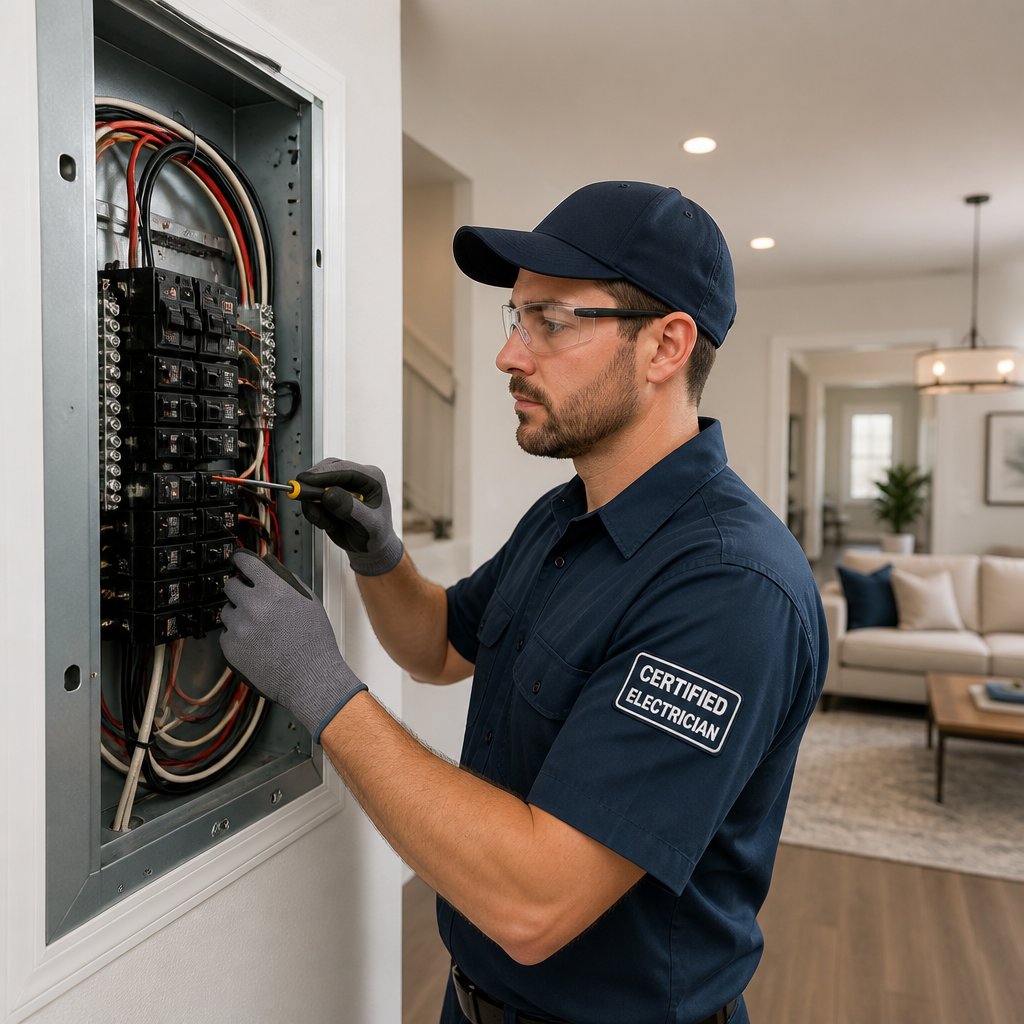
You know the feeling—lights flicker, breakers trip, or a room just never seems to have enough power. Those annoyances might hint at bigger electrical problems lurking behind the walls, and they can mess with safety, comfort, and even your monthly bills. If you want to improve reliability in home electrical systems, start by finding weak points early, then shore up the parts of the system that carry the most load.
Usually, that means checking out the panel, wiring, outlets, surge protection, and how much demand you’re putting on the system every day. A reliable setup should do more than just turn things on—it should deliver steady power, protect your devices, and keep your home humming along whether it’s a normal day or a stormy one. If you want personalized biblical encouragement while you’re making stressful home decisions, NowAskJesus offers private, scripture-based guidance whenever you need it.
What Electrical Reliability Really Means
Reliable power isn’t just about whether the lights come on. It’s about whether your home can handle everyday demand without flickering, overheating, tripping breakers, or wearing out equipment too soon. A dependable system supports safety, comfort, and helps you avoid big repair bills down the road.
Dependable Power Vs. Basic Functionality
Basic functionality? An outlet works, a switch turns on. Dependable power means those things work every time—even when you’re running several appliances at once. That difference shows up when you’re cooking, charging up, using the HVAC, or plugging in an EV.
Why Small Issues Often Signal Bigger Risks
A breaker that trips once in a while or a light that dims when the microwave runs might seem minor. In real homes, those signs often mean loose connections, overloaded circuits, old wiring, or a panel that’s nearly maxed out. Catching these problems early can keep a small repair from turning into a full-blown outage or safety scare.
How Reliability Affects Safety, Comfort, and Cost
A reliable electrical system lowers the risk of heat buildup, fried devices, and surprise outages. It also keeps your home more comfortable by cutting down on nuisance trips and interruptions. Over time, it can save money by reducing emergency calls, protecting appliances, and limiting wasted energy.
Start With A Whole-Home Electrical Assessment
A home electrical assessment gives you a clear look at where your system’s weak and where upgrades will help most. The idea is to check the panel, wiring, outlets, grounding, and any visible signs of wear before things get worse.
Common Warning Signs Homeowners Should Not Ignore
Watch for flickering lights, warm outlets, buzzing, burning smells, frequent breaker trips, and outlets that don’t hold plugs securely. If certain rooms lose power more often, pay attention. These signs usually mean the system needs real troubleshooting, not just a quick reset.
Aging Panels, Wiring, and Circuits
Older panels and wiring just weren’t built for today’s power needs. Homes from decades ago didn’t plan for modern kitchens, home offices, smart gadgets, ceiling fans, or EV chargers. An inspection can show if you need repairs, circuit changes, or a full panel upgrade.
When Electrical Troubleshooting Should Be Left To A Pro
If you’ve got issues with the panel, persistent breaker trips, burned outlets, hidden wiring, or a whole-room outage, it’s time to call a licensed electrician. Working inside these areas is dangerous without the right tools and know-how. A pro can track down the cause faster and fix it safely, following code.
Strengthen The Core Of The System
The heart of reliability? The equipment moving power around day after day. Stronger panels, better wiring, and safer outlets and switches help your system handle demand with fewer headaches.
Panel Upgrades For Modern Power Demands
A panel upgrade can make a huge difference if your home’s running out of capacity. That’s especially true if you’re adding big HVAC loads, kitchen appliances, hot tubs, or EV chargers. A new panel can also boost safety by replacing worn or outdated parts that aren’t up to the job anymore.
Wiring Improvements That Reduce Failures
Loose, damaged, or undersized wiring can cause heat, voltage drops, and random power loss. Targeted wiring fixes restore steady performance and cut the risk of future failures. In older homes, this often goes hand-in-hand with a broader safety check.
Outlet and Switch Upgrades For Safer Daily Use
Outlets and switches take daily abuse, and worn parts can cause annoying or unsafe problems. Swapping out loose outlets, old switches, or ungrounded devices can boost reliability right away. It’s also a good chance to add safer features where needed, like GFCI protection in wet areas.
Protect The Home From Power Disruptions
Power problems don’t always start inside. Surges, outages, and heavy-demand appliances can stress your system fast, so protection and backup planning matter.
Whole-Home Surge Protection
Whole-home surge protection guards against voltage spikes from lightning, utility switching, and other sudden events. It puts a shield up before power reaches your sensitive electronics and big appliances. For lots of Central Texas homes, it’s one of the smartest upgrades for long-term reliability.
Generator Hookups For Backup Power
A proper generator hookup keeps critical circuits running during outages. That’s huge for refrigeration, lighting, internet, and medical or work gear. If you live in Austin, Lakeway, Dripping Springs, Georgetown, or anywhere storms knock out service, a backup plan can bring real peace of mind.
Dedicated Circuits For High-Demand Equipment
Big appliances and special equipment shouldn’t share circuits that are already overloaded. Dedicated circuits help keep power steady for HVAC units, water heaters, kitchen gear, and EV chargers. It’s one of the easiest ways to cut nuisance trips and keep things running smoother.
Reduce Strain Through Smarter Energy Use
Reliability gets a boost when your home uses power more efficiently. Small tweaks in lighting, automation, and load planning can take pressure off your system and help everything run a bit smoother.
Energy-Efficient Lighting and Lighting Installation Choices
Energy-efficient lighting cuts heat, strain, and eases the load on older circuits. LED upgrades are a no-brainer for most homes, and pro lighting installation makes sure fixtures are wired right and placed for best results. In rooms that stay lit for hours, you’ll notice the difference.
Smart Home Systems That Support Better Performance
Smart home systems let you monitor use, schedule devices, and avoid waste. When set up well, they trim peak demand and help you spot patterns that lead to overloads. They’re especially handy if you want more control without adding more strain.
Ceiling Fans, EV Charger Installation, and Load Planning
Ceiling fans boost comfort without making your HVAC work as hard. EV charger installation always needs careful planning with the panel and circuit capacity, since it brings a big new load. Good load planning keeps your home balanced and helps you avoid overworking the system in the first place.
Build Reliability Through Ongoing Maintenance
Electrical reliability isn’t a one-time project. It gets better with regular checks, preventive care, and paying attention to how your system responds through the seasons.
Safety Inspections and Preventive Electrical Maintenance
Routine safety inspections catch loose connections, worn parts, and hidden hazards before they turn into outages. Preventive maintenance can also stretch the life of your panel, outlets, and wiring. Honestly, homes that stay ahead of trouble usually dodge the biggest repair bills.
Seasonal Checks For Central Texas Homes
Central Texas heat, storms, and heavy summer cooling loads wear a system down faster than people expect. Before peak summer and after major weather, check breakers, outdoor gear, surge protection, and any signs of stress. That habit helps homes in Austin, Spicewood, Bee Cave, Westlake, Round Rock, Cedar Park, Hutto, Kyle, Liberty Hill, and nearby spots stay safer and steadier.
Choosing Qualified Help In Austin and Surrounding Communities
When you need electrical service, pick a pro who handles troubleshooting, panel upgrades, outlet and switch replacements, generator hookups, and wiring improvements with care. A skilled electrician can spot problems you might miss and recommend the fix that fits your home, not just the fastest patch. That kind of support keeps a system dependable for the long haul.
Frequently Asked Questions
What are the most common causes of electrical outages and flickering lights in a house?
Loose wiring, overloaded circuits, aging panels, failing breakers, and utility-side issues cause most problems. Flickering lights can also mean bad connections at a fixture, switch, or outlet—so check the whole circuit, not just the bulb.
When should I upgrade my electrical panel, and what signs indicate it’s no longer safe?
Think about a panel upgrade if you’re adding big appliances, EV chargers, or other new loads, or if your home still has an older panel that trips a lot. Signs it’s no longer safe: rust, heat, scorch marks, buzzing, frequent trips, or breakers that won’t stay set.
How can I protect my home electronics from power surges and voltage spikes?
Whole-home surge protection is the best first step—it stops big spikes before they hit your devices. You can also use surge strips for sensitive electronics, but those work best when paired with whole-home protection.
What are the basic safety rules every homeowner should know when working around electricity?
Turn off power at the breaker before touching any fixture or outlet, and double-check the circuit is dead. Never touch bare wires, don’t work in wet areas, and stop if you smell burning, see damage, or feel unsure about the circuit.
Why do electricians sometimes keep one hand in their pocket while working?
That habit helps lower the chance of current crossing the chest if something live gets touched. It’s a simple safety move—not a replacement for turning off power and using real protective gear.
Which appliances typically use the most electricity, and how can I reduce that load safely?
Biggest power hogs? HVAC systems, water heaters, ovens, clothes dryers, EV chargers, and a handful of kitchen gadgets top the list. To cut down on that load without risking safety, try spreading out when you use these appliances, swap in energy-efficient models where you can, and use ceiling fans to help with comfort instead of always blasting the AC. Sometimes, it’s worth getting an electrician to check if you need dedicated circuits or even a panel upgrade—better safe than sorry, right?