
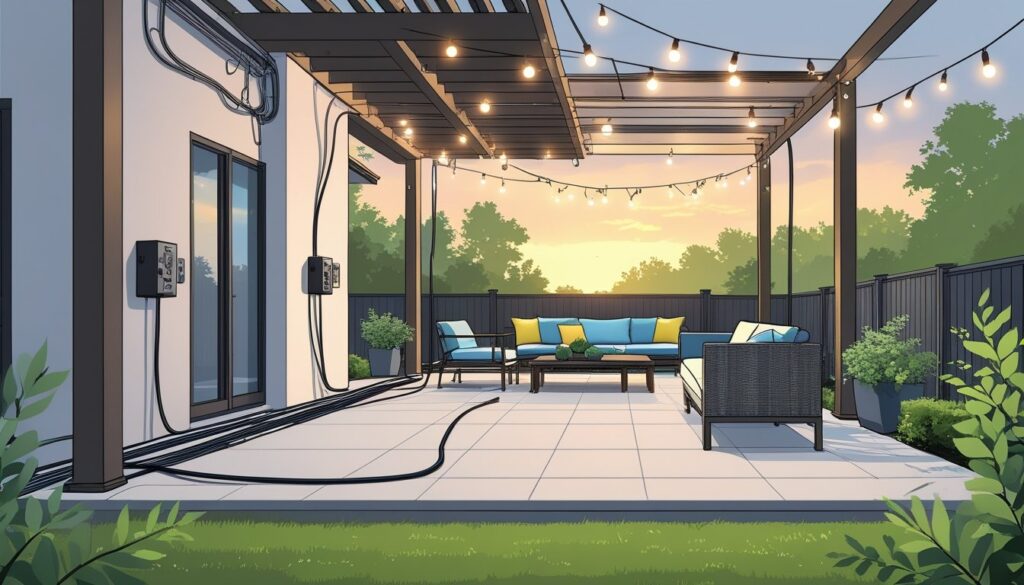
Making your outdoor spaces safe really does start with proper wiring. Outdoor areas have to deal with rain, wind, and all sorts of unpredictable weather—so if your electrical system isn’t set up right, things can get dicey fast. The key to safe wiring outdoors? Use weatherproof materials, GFCI protection, and stick to electrical codes. That’s how you avoid shocks and prevent damage to your home or business.
At Magnify Electric, our licensed electricians handle everything from simple outlets to more ambitious outdoor lighting setups. We make sure every connection is solid and code-compliant. Whether you want power for tools, lights, or maybe some outdoor speakers, we’ll help you get it done safely.
If you’re working with a team that understands both residential and commercial needs, you don’t have to stress about the risks. Magnify Electric keeps outdoor spaces functional and protected with electrical work you can actually trust.
Understanding Outdoor Wiring Safety
When you’re dealing with outdoor wiring, you’ve got to think about electrical risks, how outdoor wiring is different, and protecting your system from the weather. Each of these factors plays a role in keeping your outdoor living areas safe and working right.
Key Electrical Hazards Outside
Electricity outside gets risky thanks to moisture, dirt, and the chance for physical damage. Water’s the big one—it can cause electrical shock if your wiring isn’t sealed up tight. Then you’ve got animals or bugs that chew wires, which can lead to shorts or even fires.
Damaged or non-weatherproof equipment is another headache. Leaving extension cords out in the rain or using unprotected lights cranks up the risk of overloads and shocks. Always make sure your outdoor outlets have Ground Fault Circuit Interrupters (GFCI)—they’ll instantly cut the power if there’s a problem. It’s code, and honestly, it’s a must for safety.
Differences Between Indoor and Outdoor Wiring
Outdoor wiring needs to handle way more abuse than indoor stuff. Inside, wires are tucked away in walls—outside, they face rain, wind, wild temperature swings, dirt, and critters. So, the materials have to resist corrosion, UV rays, and moisture.
You can’t use regular indoor outlets outside. Weatherproof outlets with covers that snap shut are the way to go. Most outdoor wiring runs through conduit pipes or sealed posts to keep it protected.
When you add new outdoor outlets or fixtures, make sure you’re following safety codes—GFCI protection is non-negotiable. Magnify Electric’s electricians know these standards and will make sure your home or business stays safe.
Weatherproofing Considerations
You’ve got to weatherproof outdoor wiring—no way around it. Use outlet boxes and covers rated for wet locations, and make sure they seal up even when a cord’s plugged in. That keeps rain and snow out of the live parts.
Run your cables inside conduit or waterproof channels to keep water away from the connections. Seal up any openings with silicone or similar stuff. Don’t skip proper grounding and solid cable connections, either—they help prevent corrosion and shorts.
It’s smart to check your outdoor electrical fixtures every so often. Look for cracked covers, rust, or loose wires, and swap out any dodgy parts. A little maintenance goes a long way to keeping your system running and repair bills down.
Magnify Electric offers expert weatherproof installations and ongoing maintenance for your outdoor wiring. Our team’s got the know-how to keep your outdoor living space safe, whether it’s at home or your business.
Selecting the Right Materials for Outdoor Wiring
If you want your outdoor wiring to last and stay safe, you’ve got to pick materials that can handle the weather and keep electricity where it belongs. The right cables, boxes, and safety gear really do make a difference in keeping your property protected.
Choosing Suitable Cables and Conduits
For outdoor wiring, don’t mess around—use cables made for outdoor use. Weather-resistant wiring like direct burial cable stands up to moisture and soil. These usually have a tough outer jacket to guard the wires inside.
Pick the right conduit too. PVC conduits work well in damp spots since they don’t rust. If you need extra protection, metal conduit is strong but make sure it’s rated for outdoor use.
Always check your local codes for the right wire size and material. Using the correct gauge and conduit helps prevent overheating and keeps things safe.
Outdoor-Rated Electrical Boxes and Fixtures
Your boxes and fixtures need to be built for the outdoors. Look for weatherproof or exterior-rated boxes that keep out water, bugs, and dust.
Mount the boxes securely and use locking cover plates to keep rain out. That’ll help you avoid shorts and corrosion.
Magnify Electric’s electricians can help you pick and install the best weatherproof boxes for your project. Doing it right from the start means less hassle later and more reliable wiring.
Benefits of GFCI Outlets
GFCI (Ground Fault Circuit Interrupter) outlets are a must for outdoor wiring. They watch the current and shut things down instantly if there’s a fault or shock risk.
These outlets can save you from serious injuries, especially anywhere near water. GFCI outlets are required by code outside and give you peace of mind.
Pairing GFCI outlets with outdoor-rated boxes and cables gives you a much safer setup. Magnify Electric can install these features with precision, keeping your home or business protected.
Safe Installation Practices for Outdoor Electrical Projects
If you’re working on outdoor wiring, planning and following safety rules are key. Map out your wiring paths, ground everything properly, and meet cable depth requirements. These steps really help prevent electrical hazards and keep your system working as it should.
Planning Your Wiring Layout
Figure out where you want outlets, lights, and switches before you start. Plan wiring routes to avoid spots where they could get damaged by foot traffic or landscaping tools. Use rigid conduit or weather-resistant wire made for outdoor use.
Keep wires away from water sources and don’t run cables where flooding happens. Check your local code for clearance and the right wire gauge for your outdoor loads.
Outdoor outlets should be at least 12 inches above ground to avoid water. You might also want to add GFCIs for extra shock protection. Magnify Electric can help you design a safe, practical layout for your space.
Proper Grounding Techniques
Grounding is non-negotiable for safety. It sends stray electrical currents safely into the earth, cutting the risk of shocks or fires.
Use grounding rods or tie into your existing home grounding system as code requires. Every outdoor outlet and fixture needs a secure grounding wire.
Make sure all metal boxes and conduit are grounded to prevent dangerous voltage buildup. Check your grounding system now and then for rust or loose connections. Magnify Electric’s electricians can make sure your grounding is up to code and built to last.
Depth Requirements for Cables
You have to bury underground wiring deep enough to avoid accidental hits. The required depth depends on the wire type and whether it’s in conduit.
Usually, conduit-protected outdoor cables need to go at least 18 inches deep. Direct burial cables? Aim for 24 inches of cover. Always double-check your local codes—rules can change.
Mark where cables run before digging, and don’t lay them near septic or irrigation lines. Put warning tape above buried wires to alert anyone digging in the future.
Burying cables at the right depth keeps your investment safe and helps prevent electrical faults. It’s worth doing right.
Inspecting and Maintaining Outdoor Electrical Systems
To keep outdoor wiring safe, check it regularly, catch damage early, and handle seasonal upkeep. That way you avoid shorts, shocks, or outages. Keeping an eye on these things protects your home and helps your outdoor spaces work smoothly.
Routine Safety Checks
Every few months, look over your outdoor outlets, fixtures, and wiring. Make sure outlet covers are tight and not cracked. Use a multimeter or outlet tester to confirm outlets are working safely. Check for loose or exposed wires.
Watch for corrosion or moisture, especially around outdoor panels and sockets. Wet spots can lead to shorts and damage. If you notice anything weird—flickering lights, sparks, whatever—shut off the power and call an electrician.
Recognizing Signs of Wear or Damage
Outdoor wiring wears down over time from weather, critters, or just age. Look for cracked insulation, frayed wires, or discoloration near outlets and fixtures. Those could mean overheating or shock risks.
Listen for buzzing or notice sudden power drops—usually a sign of loose connections or failing parts. Rust or corrosion on metal parts is another red flag.
If you spot these issues, Magnify Electric’s electricians can handle repairs or replacements and keep your system reliable.
Seasonal Maintenance Tips
Before bad weather hits—like winter or storm season—inspect all your outdoor electrical stuff. Clear away leaves or dirt around outlets and panels. Make sure weatherproof covers are in good shape and seals are tight.
In the colder months, test GFCI outlets to be sure they trip correctly. That’s extra protection against shocks in wet weather. After storms, check for any damage from wind or water.
Doing regular seasonal maintenance like this keeps your outdoor wiring going strong and helps you dodge surprise problems. If you need a hand with inspections or repairs, Magnify Electric’s team is ready to help year-round.
Upgrading and Expanding Existing Outdoor Wiring
When you’re upgrading or adding outdoor wiring, you have to follow the rules and plan for how your new power and lighting will work together. Permits and code compliance keep things safe, and smart planning makes your outdoor space more usable.
Permitting and Local Code Compliance
Before you start, check with your building department about permits. They’re there to make sure your upgrades meet safety standards and local laws. Skipping permits can lead to fines or, worse, unsafe wiring.
You also have to follow the National Electrical Code (NEC) for outdoor projects. That means using weatherproof outlets, GFCIs, and corrosion-resistant boxes. Seal all wiring and raise it up if needed to avoid water.
Working with licensed electricians like Magnify Electric makes the process easier. We’ll help you sort out the paperwork and make sure your project passes inspection.
Integrating Lighting and Power for Outdoor Living Areas
Plan how your outdoor lights and outlets will work together before you add anything new. Putting outlets and lights on separate circuits helps avoid overloads and makes troubleshooting easier. Always use outdoor-rated fixtures and wiring to handle the elements.
You might want to add dimmers or timers to control lighting and save energy. Outlets near patios or decks for tools and appliances make your space more useful.
Magnify Electric’s electricians can help design and install your expanded outdoor wiring. Whether you need more outlets, security lights, or landscape lighting, we’ll set it up safely and neatly for your home or business.
Frequently Asked Questions
Keeping your outdoor wiring safe means using the right materials and following key safety steps. Make sure connections stay dry, use proper outlets, and stick to local rules to help prevent accidents.
What are the best practices for waterproofing electrical connections outdoors?
Use weatherproof junction boxes with tight seals. Cover connections with silicone or waterproof tape to keep out moisture.
Make sure all wiring is rated for outdoor use and protected by conduit or tubing where needed.
Can you offer tips on choosing the right outdoor-rated wiring and fixtures?
Go for wiring clearly labeled for outdoor or wet locations. This stuff comes with extra insulation to handle weather, UV rays, and whatever else the outdoors throws at it.
When it comes to fixtures, pick ones made from rust-resistant materials—aluminum and certain plastics tend to last. Make sure fixtures have a weatherproof rating; you don’t want to replace them every season.
How should ground fault circuit interrupter (GFCI) outlets be used in outdoor areas?
You really need GFCI outlets for any outdoor power point. They’ll cut power fast if something goes wrong, which can be a literal lifesaver.
Stick with GFCI outlets designed for outdoor use, and always use weatherproof covers. It’s just not worth skipping this step.
What safety precautions should be taken when installing outdoor lighting?
First off, shut off the power at the breaker before you even think about starting. Map out your wiring so it steers clear of spots that puddle or places where lawn tools might slice through.
Low voltage lighting is usually safer and easier to install—worth considering. And yeah, those manufacturer instructions? Actually read them.
How can I ensure my outdoor electrical system is up to code?
Stick to your local electrical codes, and pull permits if you need to. Codes tend to spell out the exact wiring, GFCI requirements, and even how high you should mount everything.
Not sure about something? Honestly, it’s smart to call in a licensed electrician from Magnify Electric. Better safe than sorry when it comes to electricity.
What steps should I follow to regularly maintain outdoor electrical safety?
Check outlets and fixtures for cracks, rust, or signs of water buildup at least twice a year. If you spot any damage, swap out the parts right away.
Test GFCI outlets every month—just hit the test button to make sure they’re working. Keep the area around them free from debris since clutter can increase fire risks.
If you ever need a hand with outdoor wiring, Magnify Electric’s licensed electricians can tackle everything from inspections to upgrades. You can count on us for safe, professional service, whether it’s for your home or business.