
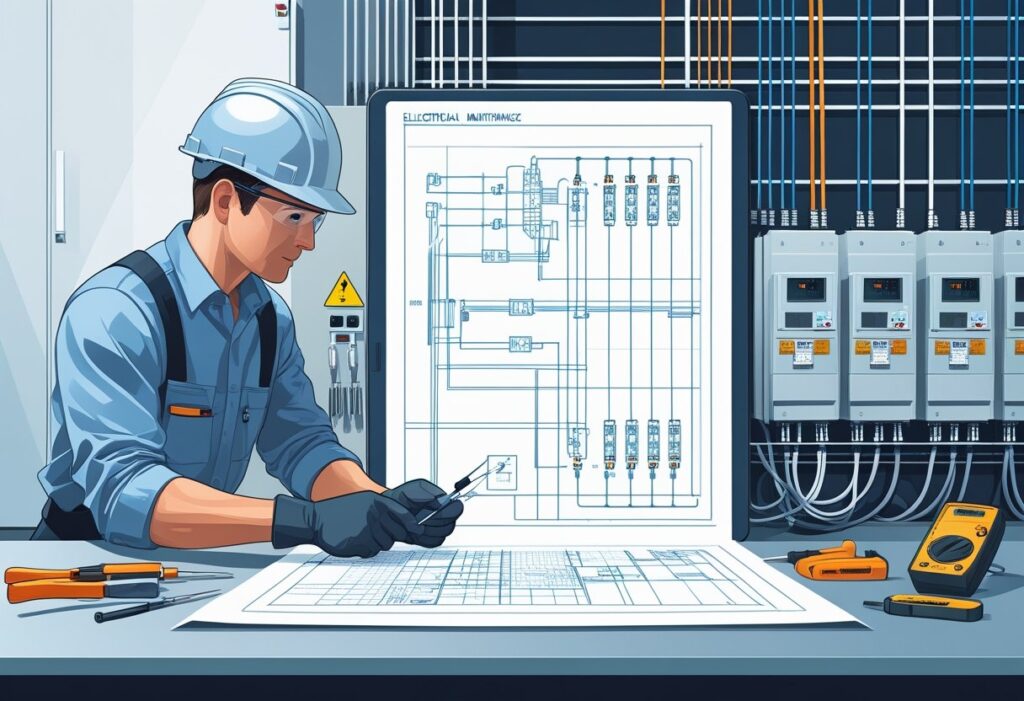
Building a long-term electrical maintenance plan keeps your home or business safe and running without nasty surprises. A good plan means regular check-ups, timely repairs, and the occasional upgrade—so you’re not left scrambling during a blackout or paying extra for wasted energy. At the end of the day, it’s about making sure your electrical systems just work, without you having to think about them much.
At Magnify Electric, we get that every space is different. Our licensed electricians can help you figure out a plan that fits your place—whether you need a few new lights or you’re juggling a bigger upgrade. We handle everything from simple fixes to more complicated jobs, and we actually care how it turns out.
When you call Magnify Electric, you’re working with people who put safety and reliability first. We stick with you for the long haul, offering ongoing support and maintenance so your electrical setup stays in good hands.
Understanding Long-Term Electrical Maintenance
A solid electrical maintenance plan is all about safety, efficiency, and a bit of planning ahead. Regular check-ups and fixing little things early save you time and money—and honestly, who doesn’t want fewer headaches?
Core Principles of Electrical Maintenance
Electrical maintenance is really just about keeping your system safe and running right. You need to check your system regularly, fix things like worn wires or iffy breakers, and nip problems in the bud.
Safety’s non-negotiable. Protecting your space from electrical fires or shocks means routine inspections and checking for worn-out parts. And don’t overload your circuits—know your system’s limits.
Don’t forget documentation. Keeping records of inspections, repairs, and upgrades helps you track what’s been done and what needs work. It’s not glamorous, but it’s a lifesaver when you need to spot trends or explain a repair.
Your electrical panel, outlets, and breakers need regular checks. If these fail, you’re looking at equipment downtime and, worse, safety risks.
Benefits of a Preventive Maintenance Plan
A preventive plan catches small problems before they turn into big, expensive ones. Less downtime, fewer surprises, and you don’t end up calling for emergency repairs at the worst possible moment.
You’ll probably notice your energy bills drop, too. Well-maintained systems just use less power and last longer.
A safer system means less chance of shocks or fires. Whether it’s your family, your employees, or your customers, everyone’s better off when things are checked and cared for.
Plus, staying on top of maintenance helps you pass inspections and keeps you in line with regulations. That’s a relief if you ever want to sell or need to show proof of safety.
At Magnify Electric, our electricians help you build a plan that fits your needs. Residential or commercial, we cover everything from quick upgrades to full system walkthroughs.
Assessing Current Electrical Systems
Before you can plan for the long run, you’ve got to know what you’re working with. That means checking your system’s current shape, figuring out which parts matter most, and spotting any risks that could cause trouble.
Evaluating System Condition
Take a good look at your electrical system’s age and how it’s holding up. Outdated wiring, corrosion, flickering lights, or breakers that trip too often? These are signs your system needs some attention.
A professional inspection really helps here. Our licensed electricians at Magnify Electric check voltage levels, grounding, and more, making sure your system’s safe and efficient.
Write down what you find. Track when things were last serviced and note any recurring headaches. Over time, you’ll see patterns and know what to fix first.
Identifying Critical Assets
Critical assets are the must-have parts of your system—main panel box, key circuits, backup power like generators or batteries.
Figure out which components are newer and which ones get pushed hardest. If your fridge or heating depends on certain circuits, keep a close eye on those.
Make a list with the make, model, install date, and service history for each important part. This way, your maintenance plan focuses on what really matters.
Risk Assessment Techniques
Risk assessment is about spotting trouble before it gets out of hand. Look for hazards: exposed wires, overloaded circuits, sketchy installations.
Use circuit testers or a multimeter to check for voltage issues. These tools help you find weak spots that could cause outages or worse.
Sometimes, you need more advanced help. Our team at Magnify Electric can use thermal imaging to find hidden hot spots. Catching these early can save you a ton of money and stress.
Routine risk checks let you know where to focus your efforts and when to act.
Setting Maintenance Goals and Priorities
To keep things running smoothly, set clear goals and decide what to tackle first. Following safety rules also keeps you out of trouble and protects everyone in the building.
Defining Clear Objectives
Figure out what you want your maintenance plan to do. Are you trying to reduce downtime, cut energy costs, or make your equipment last longer? Set specific goals so you can actually measure progress.
Think about which issues happen most and which failures are the worst. If power outages are killing your business, maybe your goal is to boost system reliability. Write these down—it helps keep things focused.
Prioritizing Electrical Equipment
Not everything needs the same level of attention. Figure out what’s most important—main panels, breakers, essential machines.
Critical systems need regular checks. Less important stuff can wait a bit longer. Here’s a simple priority list:
| Priority Level | Equipment | Maintenance Frequency |
|---|---|---|
| High | Main panels, safety switches, breakers | Every 3-6 months |
| Medium | Lighting fixtures, outlets | Every 6-12 months |
| Low | Non-essential outlets, decorative lights | Annually or as needed |
Focus on the big stuff first. It’s a better use of your time and money.
Compliance with Safety Standards
Safety rules aren’t just red tape—they protect you and everyone else. Your plan should include regular inspections to meet local codes.
Ask yourself: what inspections are required, and how often? Some places want yearly tests on panels or wiring. Skip these, and you’re asking for trouble.
Our electricians at Magnify Electric know the code and can make sure your plan ticks all the boxes. Letting the pros handle it saves you time and worry.
Developing a Customized Maintenance Schedule
A solid maintenance plan needs a clear schedule, smart task choices, and good use of resources. Inspections, predicting problems, and having the right people and tools matter if you want to keep things safe and efficient.
Creating Inspection Timelines
Set specific dates for checking key parts like the panel box, breakers, and wiring. Most places do this twice a year, but if you’ve got an older or heavily used system, you might want quarterly checks.
Use a calendar or app to track inspections and note when you last checked each part. During visits, look for damage, loose wires, or wear. Regular inspections help you catch little problems before they blow up.
Planning Predictive and Preventive Tasks
Plan out tasks that stop issues before they start. Preventive work could mean swapping out old parts, cleaning panels, or tightening connections. Predictive tasks involve testing gear for early warning signs—think voltage or thermal scans.
Make a checklist and tie it to your inspection dates. Maybe breakers need a look every six months, but outlets can go longer. This keeps your system humming along and cuts down on nasty surprises.
Resource Allocation Strategies
Figure out what you need for maintenance: tools, materials, and maybe some expert help. Budget for testing equipment like voltage testers. If your setup’s complicated, set aside funds to hire our licensed electricians at Magnify Electric. We can handle anything from swapping fixtures to full system checks.
If you’re managing this yourself or with a small crew, assign clear roles. Keep pro contacts handy for anything you can’t handle. Good resource management means fewer headaches and less downtime.
Implementing and Optimizing the Plan
Making a plan is a start, but following through—and tweaking it as you go—is what keeps things safe and efficient. Clear roles, good records, and regular upgrades help you get the most out of your efforts.
Training and Team Responsibilities
Give your team clear instructions on who does what and how to stay safe. Make sure everyone knows the right way to inspect, repair, and handle emergencies. Keep up with the latest codes and safety tips, and do refresher sessions now and then.
Assign specific jobs: who checks breakers, who handles wiring, who calls in the pros. This keeps things moving and avoids confusion.
Our electricians at Magnify Electric can back you up, offering training tips or handling the tough stuff. Their experience means the job gets done right and safely.
Documenting Maintenance Activities
Log every inspection, repair, and upgrade. Use a notebook or a digital system—whatever works. Record dates, what you did, and anything you replaced. This helps you notice patterns and plan future work.
Good records can also back you up if you need to prove your system’s safe. Jot down who did the work and any important notes.
Set reminders so you don’t miss routine checks. Staying organized saves you time and money in the long run.
Continuous Improvement Strategies
Don’t let your plan get stale. Review your records, look for patterns, and update old components as needed.
Stay on the lookout for new tools or technology that can help. Maybe it’s time to add a whole-home surge protector to cut outage risks and possibly even lower your insurance.
We’re happy to help you review your system and suggest smart upgrades. Our advice keeps things efficient and helps you steer clear of big, expensive problems.
Stay proactive, and your electrical system will keep doing its job—no drama.
Frequently Asked Questions
Wondering what to check and how often? Or maybe you’re not sure how to find the right pro for the job? Here are a few answers that might help you avoid headaches and keep things running right.
What are the essential components of an effective electrical preventive maintenance program?
A solid program covers regular inspections, equipment testing, cleaning panels, and swapping out worn parts. You’ll want to document what you find and schedule follow-ups to catch issues early.
Safety checks and keeping circuits balanced prevent overloads and failures. Your plan should include routine steps and emergency response plans—just in case.
How often should electrical maintenance checks be scheduled to ensure long-term reliability?
Most folks should plan basic checks every 6 to 12 months. If your setup’s larger or gets heavy use, you might want to look at it more often—sometimes every quarter, especially if you’re dealing with harsh conditions.
Regular visits let you catch little issues before they turn into big outages. Magnify Electric can help you figure out a schedule that actually fits your situation, not just a generic template.
What strategies can be implemented to minimize downtime in electrical maintenance?
Try to handle maintenance when things are quiet—late at night or during slow hours works best. Predictive tools can spot trouble before it gets serious, so you can fix stuff before it fails.
Keep backups and spare parts handy. It’s a pain to wait for replacements when something breaks. And honestly, just making sure everyone’s looped in and knows what’s happening can make a huge difference.
Can you provide a checklist for a comprehensive electrical maintenance routine?
- Inspect and tighten electrical connections
- Test circuit breakers and swap them out if they’re not working right
- Clean dust and debris from panels and gear
- Check for wear, hot spots, or anything that looks off
- Make sure grounding and safety devices do what they’re supposed to
- Keep your maintenance records up to date
These steps help keep your system running safer and smoother.
How does climate or location affect the planning of electrical maintenance schedules?
If you’re near the coast or anywhere humid, salty, or crazy hot, you’ll probably need to check things more often. Moisture and salt can eat away at your equipment faster than you’d think.
In cold places, frost and ice can mess with your system too, so it’s smart to check for that. Honestly, every area throws its own curveballs, so knowing your local risks helps you build a plan that actually works for you.
What qualifications should electrical maintenance personnel have to manage a long-term maintenance plan effectively?
You’ll want electricians who are fully licensed and have spent time working on both residential and commercial projects. Solid training in safety and troubleshooting matters just as much—nobody wants shortcuts when it comes to electrical work.
At Magnify Electric, our licensed folks tackle all sorts of electrical maintenance. We’re here to offer reliable service, whether it’s for your home or your business.