
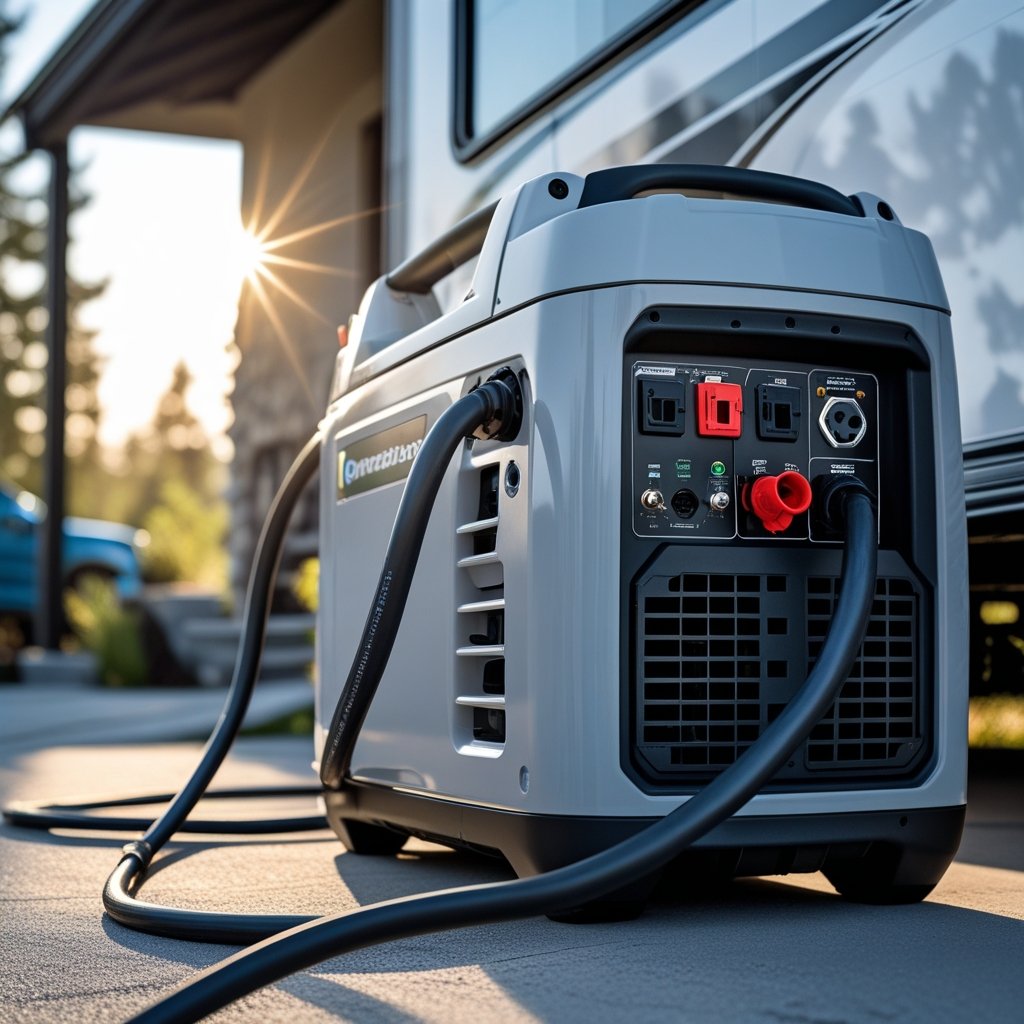
Installing a generator hookup can cost anywhere from $3,000 to $7,000. The price depends on the size of the generator and how complex the installation is.
This cost covers the generator unit, wiring, and parts like transfer switches. Your location and the type of setup you need also affect the price.
Labor costs can increase if the wiring is complicated or if you need special permits and inspections. Planning ahead helps you budget and keep your home powered during an outage.
Average Cost to Install a Generator Hookup
Installing a generator hookup involves several costs based on your location, the equipment you use, and how complex the job is. You need to budget for parts like transfer switches and wiring, plus labor costs that vary by region.
National and Regional Price Ranges
The cost to install a generator hookup changes depending on where you live. In some places, labor rates are higher, which raises the total price.
On average, you can expect to pay between $1,000 and $5,000 for the entire installation. Urban areas with higher electrician rates might cost $3,000 to $5,000.
In smaller towns or rural areas, prices often fall between $1,000 and $2,500. The cost of permits and local regulations can also affect your bill.
Breakdown of Typical Expenses
Your installation mostly breaks down into parts and labor.
- Generator unit: $2,000 up to $6,000 depending on size and brand.
- Transfer switch: $300 to $1,200.
- Wiring and materials: Around $100 to $500+.
- Labor: Electrician charges typically range from $50 to $100 per hour, totaling $500 to $1,500 or more.
These costs depend on your home’s electrical setup and the distance from the generator to the panel.
Cost by Generator Type
The generator type you choose also affects installation costs.
- Portable generators cost less to hook up. Installation might only need a transfer switch and basic wiring, costing around $1,000 to $2,000.
- Standby generators require more labor and materials. These are installed outside and connect directly to your electrical system. Installation usually costs $3,000 to $5,000 or more.
- Whole-house generators for larger homes can push costs higher due to their size and extra equipment.
Choose the type based on your budget and power needs.
Factors Influencing Generator Hookup Pricing
The cost to connect a generator depends on several factors. Your home’s electrical system, the generator’s size, and permit or inspection fees all affect the price.
Home Electrical System Requirements
Your home’s existing electrical setup impacts the hookup cost. If your electrical panel is old or not designed for extra power, you may need upgrades.
This could mean installing a new breaker panel or adding a transfer switch. A transfer switch safely directs power from the generator to your home.
If your panel can handle the connection without much change, this part is cheaper. Major rewiring will increase labor and materials costs.
You need to ground the generator properly. This usually means installing a grounding rod outside and connecting it to your panel, which adds some cost but is important for safety.
Generator Size and Power Output
The wattage of your generator changes how much it costs to connect. Bigger generators need heavier wiring and larger breakers.
Smaller generators under 7,500 watts usually need simpler connections. They can often plug into existing circuits or use a smaller transfer switch.
Larger generators over 10,000 watts need more professional work. These require bigger transfer switches and more complex wiring to handle the higher current.
Permit and Inspection Fees
You might need permits before installing a generator hookup, depending on local rules. Permits ensure your work meets safety codes and can add $50 to $300 to the cost.
After installation, an inspection is often required. The inspector checks that the hookup is done right and safely.
Check with your local building department before starting your project. Knowing the exact fees and requirements ahead of time helps avoid surprises.
Labor and Professional Installation Costs
The cost of installing a generator hookup depends on who you hire, how tricky the job is, and how long it takes. These factors set the price and what you can expect during the installation.
Certified Electrician Rates
Hiring a certified electrician is important for safety and code compliance. Electricians usually charge between $50 and $100 per hour, depending on your location and their experience.
You might find cheaper handymen, but they may lack the skills or certification needed for a safe generator hookup. Choosing a licensed professional helps you avoid risks.
Some electricians may also charge a flat fee based on the job’s size. Always ask for a clear estimate before work begins.
Installation Complexity
The difficulty of hooking up a generator varies. Simple jobs, like connecting a portable generator to a panel, take less time and cost less.
More complex installations need grounding rods, transfer switches, or panel upgrades. These add hours of work and more materials, which increases the price.
The distance between your generator and electrical panel or your home’s wiring type also affects complexity. Expect a higher price if your electrical system needs adjustments before the hookup.
Timeframe for Completion
Most generator hookup installations take between 4 and 8 hours depending on the job’s size and difficulty. Simple hookups might finish in a half-day, while complex ones can take a full day or more.
Weather or scheduling delays might affect timing, so plan accordingly. Your electrician can give you a more accurate timeline after assessing your home and setup.
Material and Preparation Expenses
When planning your generator hookup, you’ll need specific electrical parts and safe, proper wiring. These items affect the total cost and how smoothly the installation goes.
Necessary Electrical Components
You need several key parts to connect your generator safely. The generator unit can cost between $3,000 and $6,000, depending on its size and brand.
Other important parts include:
- Ground wires to connect the generator frame to a grounding rod
- Grounding bar inside your main electrical panel
- Circuit breakers to protect your system from overloads
Each part helps protect your home from electrical shocks and damage. Using quality materials helps your system run smoothly and last longer.
Wiring and Transfer Switches
Wiring is crucial for the safe connection of your generator to your home’s electrical system. Proper wires link your generator to the main panel and grounding points.
You also need a transfer switch. This device moves power from your utility to your generator when the power goes out.
There are two main types:
- Manual transfer switches, which you operate yourself
- Automatic transfer switches, which switch power automatically
The cost and complexity of installing wiring and transfer switches depend on the method you choose and your home’s setup. Proper installation by a licensed electrician keeps everything safe and up to code.
Standby vs. Portable Generator Hookup Costs
When you install a generator hookup, the type of generator you choose affects both the cost and effort involved. Standby generators need more work upfront but offer automatic power during outages.
Portable generators are simpler and cheaper to hook up but require you to manage them manually.
Differences in Installation Process
Standby generator hookups usually cost between $3,000 and $7,000. This includes installing the generator, transfer switch, and connecting to your home’s natural gas or propane line.
The work requires a licensed electrician and sometimes a plumber, which raises the cost. Portable generator hookups are much cheaper, often costing under $500.
You usually need a manual transfer switch or an inlet box. Installation is simpler because the generator stays outside and is connected only when needed.
Portable setups don’t require fuel lines, which lowers installation complexity and cost.
Long-Term Maintenance Expenses
Standby generators need regular maintenance like oil changes, battery checks, and annual inspections. This can cost $200 to $400 per year.
They last longer and are more reliable during long outages since they start and stop automatically. Portable generators require less scheduled maintenance but need more attention each time you use them.
You’ll spend time refueling and inspecting parts. Ongoing costs are usually lower than for a standby system.
Cost-Saving Tips for Generator Hookup
You can save money by planning how you buy and install your generator hookup. Some choices about buying or installing can make a big difference in your final cost.
Bundling with Generator Purchase
Buying your generator and wiring together can often save you money. Many sellers offer package deals that include the generator, transfer switch, and hookup wiring.
This can lower the price compared to buying parts separately. Bundled deals usually include installation discounts.
You get everything done at once, which can cut down on labor fees. You also avoid extra charges for multiple visits by electricians.
Before you buy, ask about warranties or service plans in bundles. These can protect your investment without extra cost later.
DIY Versus Professional Installation
Doing the wiring yourself might seem like a way to save money. However, generator hookups involve working with your home’s electrical panel, which can be risky without proper knowledge.
Hiring a licensed electrician is safer and ensures the setup meets local codes. Professionals usually finish faster, which might reduce labor costs.
If you decide to try wiring yourself, get permits and follow all safety rules. Improper installation may lead to higher costs if problems come up or if a re-inspection is needed.
Selecting the Right Contractor
When installing a generator hookup, choosing the right contractor is very important. You want someone who is skilled, reliable, and knows local building codes.
Look for licensed electricians with experience in generator installations. Ask if they have done similar jobs before.
Check for these qualities:
- Good reviews from past customers
- Proper insurance and licensing
- Clear explanations of the work and costs
You can ask friends or neighbors for recommendations. If you search online, read reviews carefully to find a trustworthy professional.
Get multiple quotes before deciding. This helps you compare prices and services.
Don’t forget to ask about the types of transfer switches they install. A good contractor will recommend a switch rated for your generator’s size, usually at least 30 amps for homes.
A good contractor will also handle permits and inspections, so the installation follows safety rules. This can save you time and prevent problems later.
Your goal is to find someone who communicates well and respects your home and budget. Taking your time to choose the right contractor helps your generator hookup work safely and reliably.
Safety and Code Compliance Considerations
When you install a generator hookup, safety is very important. You need to follow local codes and regulations to keep yourself and your home safe.
First, make sure you put your generator and transfer switch in the right location. This helps prevent accidents and keeps the system working properly.
Your installation must meet the National Electrical Code (NEC) or local electrical codes. These rules cover grounding and proper wiring.
For example, grounding your system correctly reduces the risk of electrical shocks or fires. Hire a qualified electrician for the job.
Professionals understand the codes and safety measures required. They can help you avoid costly mistakes.
Here are some key points to remember:
- Check local permits before starting.
- Use a transfer switch to safely connect the generator.
- Ground all components properly.
- Follow wiring codes exactly.
Ignoring these steps can lead to fines or hazards, like short circuits or carbon monoxide leaks.
Always keep safety as your top priority when hooking up a generator. This helps protect your family and property.
Conclusion
When you plan to install a generator hookup, the main costs include the generator itself and the electrical work needed. Generators can cost between $3,000 and $6,000 depending on size and brand.
The installation, including wiring and panel upgrades, might add another $1,800 to $4,500. You should also consider any extra parts like grounding rods or outlets.
Proper grounding keeps your system safe and working well.
Here is a simple cost overview:
| Item | Estimated Cost |
|---|---|
| Generator unit | $3,000 – $6,000 |
| Electrical panel upgrade | $1,800 – $4,500 |
| Additional wiring & materials | Varies |
Hire a professional if you’re not comfortable with electrical work. This can save you time and help you avoid problems.
Frequently Asked Questions
Costs depend on the type of generator, switch, and the size of your home. Labor charges and electrical parts add to the total price.
Knowing specific costs helps you plan better.
What does it typically cost to install a whole home generator?
Installing a whole home generator usually costs between $5,000 and $15,000. The price depends on the generator size, fuel type, and hookup complexity.
Labor and permits also affect the total cost.
How much can I expect to pay for a transfer switch installation for my generator?
A transfer switch installation typically ranges from $500 to $2,000. Manual switches cost less than automatic ones.
Automatic switches cost more because of extra wiring and setup.
Is hiring an electrician necessary for setting up a portable generator, and what are the costs?
You should hire an electrician to install a dedicated outlet or hookup for a portable generator. Labor costs are usually $70 to $150 per hour.
The job can take 1 to 3 hours depending on wiring difficulty.
What are the price differences for installing a generator based on the size of a home?
Smaller homes need smaller generators, costing around $3,000 to $7,000. Larger homes need bigger models, which can reach $10,000 or more due to higher power and more wiring.
Can you provide a cost estimate for installing a 50 amp generator outlet?
Installing a 50 amp generator outlet usually costs about $300 to $700. Prices depend on outlet type, location, and wiring complexity.
Outdoor installations or harder-to-reach spots add to the cost.
What’s the average installation cost for a Generac 22kw home standby generator?
The average cost to install a Generac 22kw standby generator ranges from $7,000 to $12,000. This price covers the unit, transfer switch, and labor.
Prices can vary depending on your region and specific installation needs.