When you’re adding onto your home, electrical needs can’t be an afterthought. Making sure your new space has enough outlets, proper wiring, and a safe power supply can help prevent overloads or even fire hazards. A little planning now saves you headaches (and repairs) later.
Your electrical system should meet safety standards and support extra devices you’ll use. Whether it’s a new room or a workspace, you’ll want to check your panel, circuits, and outlet placement. At Magnify Electric, our licensed electricians help design and upgrade systems so your home stays safe and efficient.
We handle everything from new lighting to outlets and switches, for both homes and businesses. With Magnify Electric, you get service that fits your needs, making your addition comfortable and secure.
Understanding the Electrical Needs for Home Additions
Expanding your home means figuring out how much power you’ll need, what your system can handle, and how the new space will affect your current setup. These details keep your addition safe and powered up.
Assessing Power Requirements
Start by jotting down every device and appliance you’ll use in the new space—lighting, outlets, heating or cooling, specialty gear. Each one draws a certain amount of electricity, so knowing what you’ll plug in helps you size things right.
Think ahead, too. If you’re adding a home office, you’ll probably want extra outlets for computers and chargers. Knowing your full power needs helps prevent overloads and keeps your wiring safe.
Calculating Load Demands
Load demand is just the total power your addition will use at once. Add up the wattage or amps of all devices, then convert to amps if you need to.
Here’s a quick way to estimate:
- Add up the wattage of every appliance.
- Divide by the voltage (usually 120 volts at home).
- That’s your amperage.
If you’re close to your panel’s max, you’ll probably need an upgrade.
Impact on Existing Circuits
Adding outlets or fixtures isn’t as simple as tapping into any old circuit. Too many devices on one circuit can trip breakers or worse. Check what’s already connected before adding more.
Sometimes the best move is running new circuits or even upgrading your panel. Balancing the load across circuits is a must for safety. Magnify Electric can inspect your panel and recommend the right setup for your addition.
We’ve got licensed electricians who know how to plan and install circuits that fit your space—no overloads, no interruptions.
Planning and Designing Electrical Systems
Careful planning is your friend when it comes to electrical systems. Understanding the rules, mapping out wiring, and thinking about the future helps you avoid expensive changes and keeps your space running smoothly.
Code Compliance and Permits
You’ve got to follow local electrical codes—they’re there for a reason. These rules cover how you wire, where outlets go, and how much a circuit can handle. Check with your city or county about permits before you start.
Permits make sure your work is up to code. Skip them, and you could face fines or have to redo everything. Our team at Magnify Electric knows what permits you’ll need and helps you stay on the right side of the rules.
Wiring Layout Strategies
A smart wiring layout makes your system efficient and easier to maintain. Plan where outlets, switches, and fixtures go based on how you’ll use each room. Group outlets in common areas to avoid overloading.
Use a junction box for safe, organized connections. It keeps wires protected and tidy. Separate circuits by function—lighting, appliances, outlets—for stability and safety.
We design layouts that balance power needs and safety. Our team makes sure your wiring supports both your current and future devices.
Future Expansion Considerations
Think ahead. Leave room for more outlets or appliances down the line. Install a panel with enough capacity, or add a subpanel if you need more circuits. This makes it easier to upgrade later.
Leave space in junction boxes and conduit for extra wires. That way, you won’t have to tear up walls if you want to add something.
Pick outlets that work for you—maybe USB ports or higher wattage ratings. We help you set up a system that grows with you, saving you time and money later.
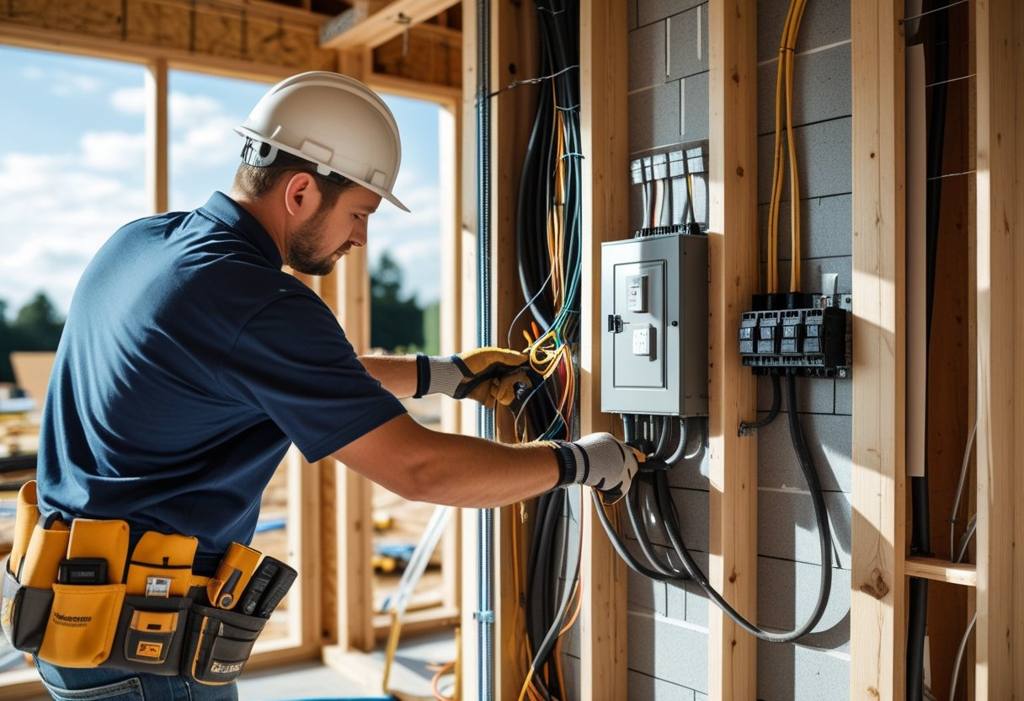
Upgrading Service Panels
When you’re adding onto your home, your electrical system needs to keep up. Sometimes you’ll need a bigger panel or a better location to keep things safe and efficient.
Determining Capacity Upgrades
Check if your current panel can handle the extra load. Many older homes have 100-amp panels, but modern additions often need 200 amps or more. This upgrade lets you run new appliances, lights, or equipment safely.
If you’re seeing breaker trips, flickering lights, or you’re planning to add high-demand devices, it’s probably time for an upgrade. This usually means swapping out the old panel, checking the wiring, and making sure everything meets code.
Magnify Electric’s licensed electricians can size up your needs and recommend the right panel. We’ll make sure your new panel handles the load without problems.
Panel Location Guidelines
Panel placement matters more than you might think. It should be in a dry, easy-to-reach spot for emergencies or maintenance. Avoid bathrooms, closets, or anywhere access might be blocked.
Building codes require clear space around the panel—usually 30 inches wide and enough headroom to stand. Ideally, keep the panel near the main electrical entrance to minimize wiring runs.
If your addition changes your home’s layout, you might need to move the panel or add a subpanel closer to the new space. We can help pick the best spot and handle the install so your system works as it should.
Choosing Outlets, Switches, and Fixtures
Picking the right outlets, switches, and fixtures is a big deal for safety and convenience. Plan placement to meet code and make your space easy to use.
Outlet Placement Essentials
Good outlet placement keeps your home safe and practical. Codes say outlets shouldn’t be more than 12 feet apart in living areas, and you’ll need them within 6 feet of doors to avoid long cords.
Think about where you’ll want electronics—desks, kitchens, entertainment centers. GFCI outlets are a must in kitchens and bathrooms. Maybe add a couple USB outlets for easy device charging.
If you need more power, 20-amp outlets are better for big appliances; 15-amp ones are fine for everyday stuff. Magnify Electric can help you figure out what fits your needs and install everything safely.
Lighting Design for Additions
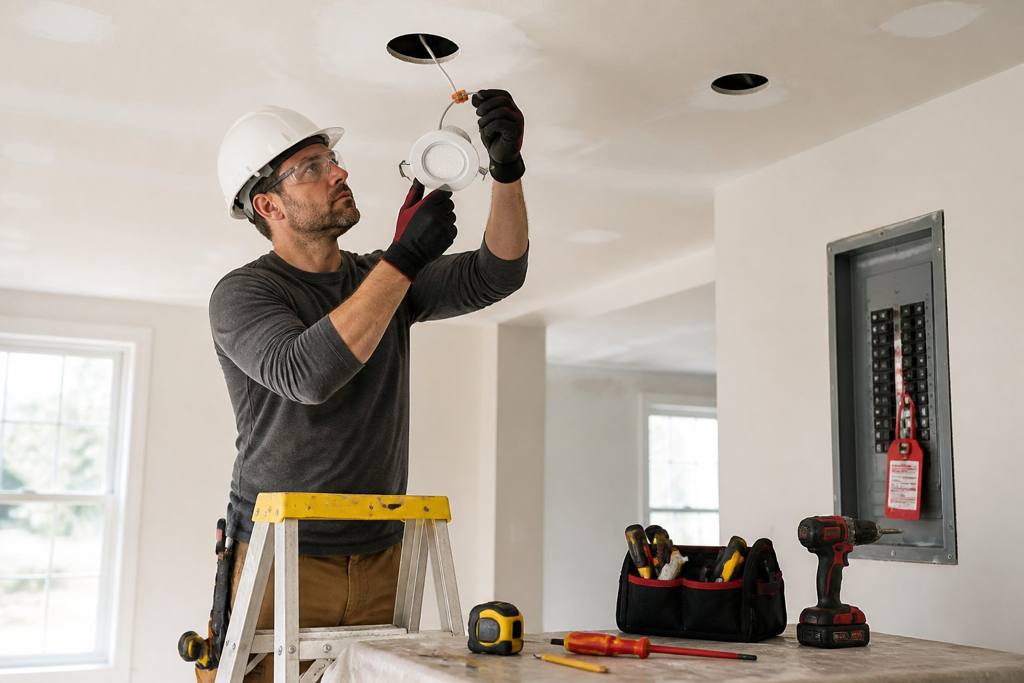
Lighting can make or break a new space. Start by thinking about what the room will be used for, then pick fixtures that fit—overhead for general use, task lights for work spots.
Mix up your lighting: ambient for general light, task for focused work, and accent to highlight features. This keeps things comfortable and stylish.
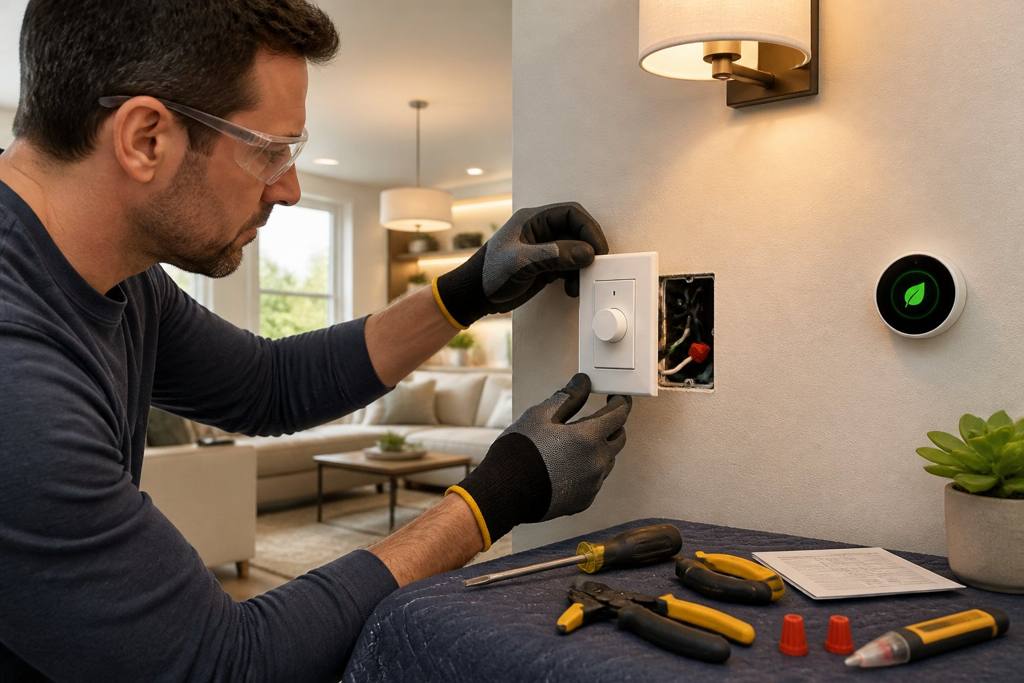
Put switches where you’ll actually use them—by doors, in easy-to-reach places. Dimmer switches are a nice touch for adjusting light and saving energy.
If you want lighting that works for your space and looks good, Magnify Electric can handle everything from simple swaps to more complicated setups.
Ensuring Safety and Efficiency
Safety and efficiency should be top of mind with any home addition. Using the right protection devices and grounding keeps your family safe and your new wiring humming along.
GFCI and AFCI Protection
GFCI (Ground Fault Circuit Interrupter) and AFCI (Arc Fault Circuit Interrupter) outlets protect against shocks and fires. GFCIs shut off power if electricity flows where it shouldn’t—like through water or a person. These are required in kitchens, bathrooms, and outside.
AFCIs spot dangerous sparks before they start a fire. You’ll need these in bedrooms and living areas.
With Magnify Electric, you’ll get the right GFCI and AFCI protection, installed where it counts. Our electricians know the code and make sure your addition is safe.
Proper Grounding Techniques
Grounding is what keeps stray electricity from causing shocks or damaging your stuff. It gives electricity a safe path to the earth.
Make sure all new circuits connect to a solid grounding system. That could mean grounding rods or wires tied to the main panel. Your grounding setup has to meet local codes and should be tested.
Magnify Electric checks and installs grounding systems that keep your wiring stable. We make sure every new addition is grounded right, so your family and gadgets stay protected.
Working with Professional Electricians
Electrical work isn’t a DIY project for most people—especially with home additions. Getting the right help means safer results and fewer headaches.
When to Hire a Licensed Electrician
Call a licensed electrician for anything beyond swapping a bulb or replacing a switch. Wiring new circuits, adding outlets, or upgrading your panel all need a pro. This keeps your work up to code and helps you avoid shocks or fires.
A licensed electrician—like the folks at Magnify Electric—brings the training and paperwork you need to pass inspections. If you’re not sure about something, hiring a pro is always the safer bet.
Coordinating with Other Contractors
Electrical work doesn’t happen in a vacuum. You’ll need good communication between your electrician and other contractors—plumbers, builders, whoever’s on the job. This helps avoid delays and prevents wires from ending up where pipes need to go.
Ask your electrician to work from the building plans and stay in touch with the project manager. That way, they get the timing right and fit everything into the walls and ceilings. Magnify Electric’s team knows how to coordinate with other trades, keeping your project on track and your electrical system integrated with the rest of your addition.
Budgeting for Electrical Work
So, you’re planning a home addition—great! But before you get too far, you’ll want to set a budget for the electrical work. Prices can swing a lot depending on what you need, whether that’s extra outlets, new lighting, or maybe a panel upgrade.
A few things will shape your budget:
- Type of work: Basic stuff like adding an outlet is usually cheaper than rewiring or upgrading your panel.
- Materials: Fancy or specialty parts? Expect to pay a bit more.
- Labor: Rates jump around depending on where you live and how tricky the job is.
To give you an idea, adding a simple outlet might run between $150 and $400. Bigger jobs like rewiring or a panel upgrade? Those can climb into the thousands.
It’s a smart move to have a professional take a look before you commit to anything. Our team at Magnify Electric offers free quotes—no surprises, just honest numbers. We take on all kinds of electrical work, making sure your addition is safe and up to code.
If you’re watching your wallet, think about what you actually need right now. You can always add more outlets or lights later, instead of tackling everything at once.
Give us a call at Magnify Electric for your next project, big or small. We’re here to help you budget, plan, and get the job done right.
Energy-Efficient Solutions
Energy efficiency—yeah, it’s a buzzword, but it’s worth looking into when you’re adding onto your home. Smart home tech like thermostats and occupancy sensors can save you money and cut down on wasted energy. These gadgets adjust your heating, cooling, and lights automatically, so you’re not burning through electricity in empty rooms.
Don’t overlook your appliances. Swapping out old ones for ENERGY STAR models? That’s an easy win for your electric bill.
Your electrical panel matters too. An outdated or undersized panel can waste energy and limit what you can do. If you’re not sure yours is up to the task, Magnify Electric can help you figure out if it’s time for an upgrade.
Want quick wins? Try these:
- Switch to LED or smart bulbs—seriously, it adds up.
- Programmable thermostats make temperature control a breeze.
- Plan your outlets so you don’t end up with overloaded circuits.
If you want help with any of this, our electricians at Magnify Electric are just a call away. Whether it’s new outlets, smart device installs, or panel upgrades, we’re here to make your place safer and more efficient.
Integrating Smart Home Technology
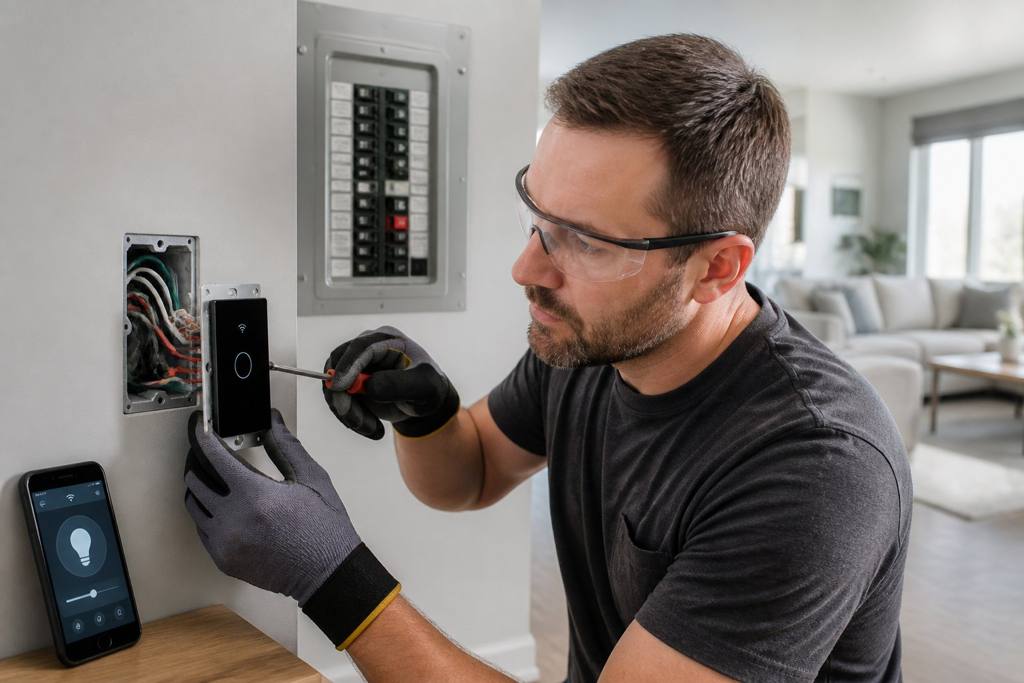
Thinking about smart home features for your addition? It’s a solid move. Controlling lights, temperature, and even security from your phone makes life easier—and, honestly, a bit more fun.
Before you dive in, jot down the devices you actually want. Popular picks are smart thermostats, smart lighting, and security cameras. These work best when connected through a hub or your Wi-Fi.
A couple of things you’ll want to keep in mind:
- Electrical Load: Double-check that your panel can handle the extra gear.
- Wiring: Good wiring is non-negotiable for power and data—don’t skimp here. Smart systems need solid connections.
- Compatibility: Make sure your devices play nice together. Nothing’s worse than tech that won’t sync.
Magnify Electric can help update your wiring and panel for all this new tech. We handle installs for both homes and businesses, so you’re covered.
Smart tech isn’t just about convenience. It can bump up your home’s efficiency and security, and even add value. We’re here to make sure everything runs as it should—no headaches, no stress.
Troubleshooting Common Issues
Adding on to your house sometimes brings weird electrical gremlins. Flickering lights, dead outlets, or breakers that trip all the time—sound familiar?
Start by checking your breaker. If it keeps tripping, you might be overloading it. Reset it once, but if it pops again, you probably need to call in a pro.
Dead outlets? Sometimes it’s just a GFCI outlet that’s tripped—those are the ones with the little reset button, usually in kitchens or bathrooms. Hit reset and see if that fixes it.
If you notice outlets that are warm or sparking, stop using them right away. That’s a sign something’s off and could be dangerous.
Here’s a quick list to help you troubleshoot:
| Issue | Possible Cause | What to Do |
|---|---|---|
| Flickering lights | Loose wiring or bad bulbs | Tighten bulbs or call an electrician |
| Frequent breaker trips | Overload or short circuit | Reset breaker; if it repeats, get help |
| Dead outlet | Tripped GFCI or wiring problem | Reset GFCI; check wiring |
| Warm outlets | Faulty wiring | Stop use; call a licensed electrician |
If you’re stuck, our electricians at Magnify Electric can sort it out—whether it’s a quick fix or a bigger upgrade. We’ll help keep your place safe and the power flowing.
Frequently Asked Questions
Electrical work for home additions? There’s a lot to think about—costs, safety, wiring, and what upgrades you can’t live without. Having a checklist helps, but sometimes you just want quick answers.
What factors determine the cost of electrical renovations in a home addition?
The size of your addition and how many outlets, switches, and fixtures you want will drive the price. If you go for high-end materials or add smart features, costs go up. Labor depends on how tricky the job is and what local rates are like.
What are the latest electrical must-haves when building a new home?
People are asking for smart switches, USB outlets, and efficient lighting more than ever. Dedicated circuits for a home office or entertainment room are handy. And don’t skip safety—GFCI outlets in kitchens and baths are a must.
How do you calculate the amount of electrical wire needed for a specific size of a house?
Measure from your panel to every outlet, switch, and light. Add a little extra for routing through walls and ceilings. If you’re not sure, a licensed electrician can map it out for you.
What electrical upgrades should be considered when constructing a home addition?
Make sure you’ve got enough circuits so you’re not overloading anything. If your panel’s old, think about upgrading. Adding GFCI and AFCI breakers boosts safety. And hey, plan for the future—maybe you’ll want a charging station or more lights down the line.
What is included in a new construction electrical checklist?
The basics: where the outlets and switches go, breaker size, and your lighting plan. You’ll also want safety stuff like ground fault protection and making sure wires are sized right. Testing everything comes last—never skip that.
Can you outline some general rules and guidelines for residential electrical installations?
Check your local building codes for outlet spacing and height—they can vary more than you’d think. Don’t overload circuits; it’s just not worth the risk. Make sure you’re using the right wire gauge for the circuit’s amperage. And honestly, for anything beyond the basics, it’s smart to call in a licensed electrician. Our folks at Magnify Electric have seen it all, from quick fixes to big rewires, and we always aim to get things done safely and up to code.