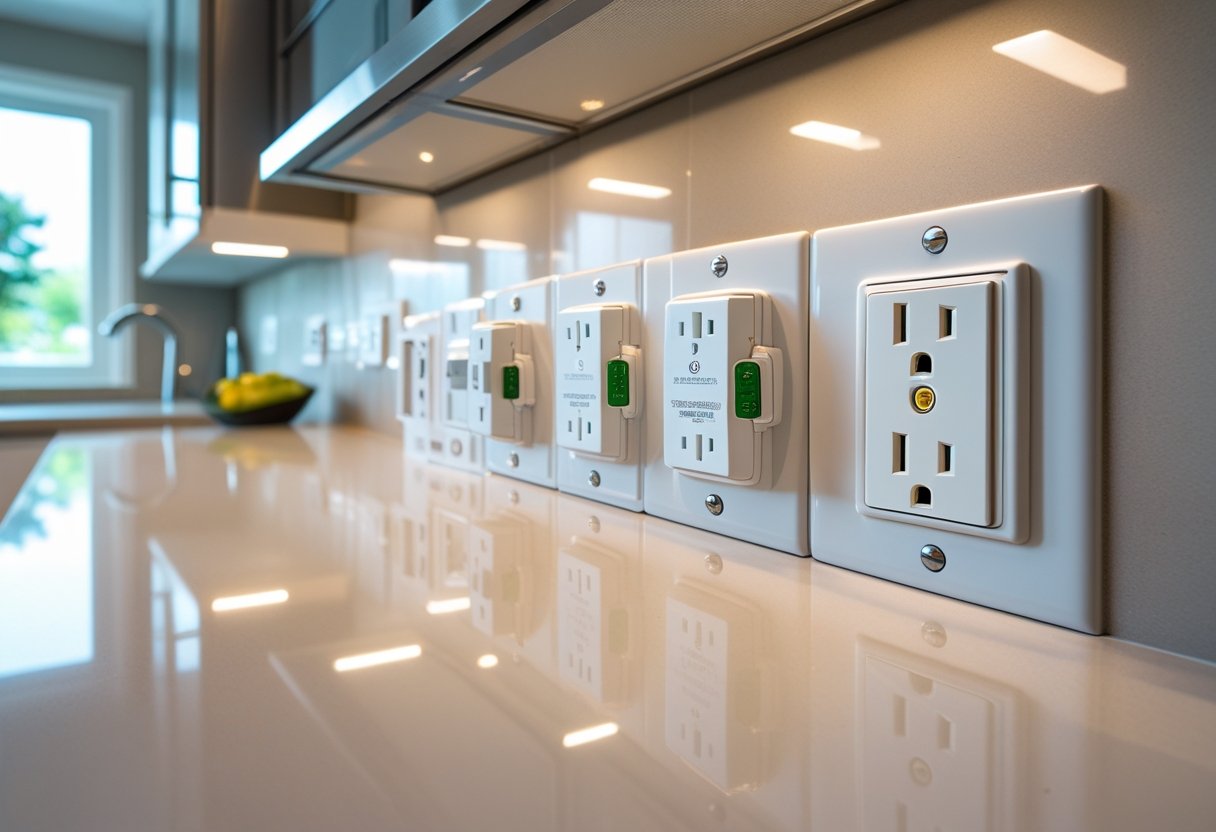
When it comes to kitchen outlets, following electrical code requirements isn’t just a box to check—it’s about real safety and day-to-day convenience. The National Electrical Code lays out rules for spacing, placement, and GFCI outlets in kitchens to help prevent electric shock, especially in wet spots. That’s why you’ll see outlets placed at certain intervals along countertops and near sinks, so you have power where you need it but don’t end up with risky setups.
You also need your kitchen outlets on circuits that can actually handle the load from all those appliances. Most kitchen outlets should be on a 20-amp circuit—that way, you’re less likely to trip a breaker when you plug in your toaster and coffee maker at the same time. At Magnify Electric, our team knows these codes well, making sure your installation is both safe and totally up to code.
Thinking about adding new outlets or swapping out old ones? Magnify Electric is ready to help. Whether it’s a quick update or a full kitchen rewire, we’ll give you straightforward advice and get the job done right.
Understanding the National Electrical Code
The National Electrical Code (NEC) spells out how to safely install wiring and outlets in your kitchen. It covers outlet placement, wiring, and a lot more. You’ll want to keep up with recent code changes and check how local codes might tweak things for your area.
Overview of NEC Standards
The NEC says kitchen outlets need careful spacing for safety and convenience. No spot along your countertop should be more than 24 inches from an outlet, so you’ll typically see outlets every 4 feet or less.
All countertop outlets must be on a dedicated 20-amp circuit. That’s because kitchen gadgets like toasters and microwaves can draw a lot of power. And yes, GFCI outlets are required for all kitchen countertop spots to help keep you safe from shocks.
Recent Code Updates Impacting Kitchens
A recent change? Stricter rules for kitchen islands and peninsulas. If your island or peninsula is over 12 inches wide, you’ll need at least one outlet on it.
Codes now also require tamper-resistant outlets to keep curious kids safe. Plus, there are clearer requirements for arc-fault circuit interrupters (AFCIs) in kitchens to help prevent electrical fires.
So, if your kitchen’s a bit older, it might be time for some updates to meet today’s standards.
Role of Local Building Codes
Local building codes sometimes add their own twists—maybe different outlet heights or extra inspection steps.
It’s a good idea to check with your local building department before you get started. They’ll let you know if you need to do anything extra beyond the NEC.
Our electricians at Magnify Electric know these local quirks. We’ll make sure your kitchen outlets follow both NEC and local rules, whether you’re adding more outlets or upgrading your wiring.
Required Placement of Kitchen Outlets
You can’t just put outlets wherever you want—there are rules about how far apart they should be, where they go on countertops, and what to do for peninsulas and islands. These details keep things safe and convenient.
Outlet Spacing Guidelines
Outlets should be spaced so no point along your kitchen wall is more than 24 inches from one. Usually, this means installing outlets every 4 feet or less along the countertop.
Don’t leave any gaps larger than 48 inches without an outlet. This stops you from having cords stretched all over the counter.
Install outlets at least 15 inches above the countertop, so they’re out of the way of appliances and backsplashes.
Countertop Outlet Location Rules
Your outlets need to be above the countertop—15 to 20 inches is the sweet spot. It’s just right for plugging in small appliances without cords getting in the way.
Put outlets on every wall with at least 12 inches of countertop space.
Near sinks? Make sure those outlets have GFCI protection to keep you safe.
We help you sort out these details so your kitchen is both practical and up to code.
Peninsula and Island Outlet Requirements
For peninsulas and islands, you’ll need at least one outlet if the surface is over 12 inches deep.
These outlets also need GFCI protection if they’re close to water.
Place them where they’re easy to reach—nobody likes cords stretched across the counter.
If you’re not sure where to start, Magnify Electric can help with the right placement and installation, making sure everything’s code-compliant.
Electrical Load and Circuit Requirements
Kitchens need circuits and wiring that can handle all your appliances. Good planning helps you avoid overloaded circuits and keeps everything running smoothly.
Dedicated Circuits for Kitchen Appliances
A lot of kitchen appliances need their own circuits. Big stuff like fridges, microwaves, and dishwashers should each have a dedicated 15 or 20 amp circuit. That way, one appliance won’t take down the whole kitchen if it draws too much power.
For example, refrigerators often need a 20 amp circuit because they run all the time. Larger appliances like ovens or cooktops need even bigger circuits—usually with 12-gauge wire. The NEC says these dedicated circuits are a must for safety and proper function.
Calculating Load Capacity
You’ll want to figure out your kitchen’s electrical load. Add up the wattage of everything you might run at once. Divide the total watts by 120 (the standard voltage in the US) to get amps.
Don’t push your circuits past 80% of their rated capacity. Staying under that helps prevent overloads.
If this sounds like a headache, our electricians can walk you through it and make sure your wiring is up to snuff.
Small Appliance Circuit Specifications
The NEC requires at least two 20 amp small appliance branch circuits for kitchen countertop outlets. These are for your everyday gadgets—think toasters, coffee makers, mixers.
Each circuit can feed multiple outlets, but don’t overload them. GFCI protection is also required on these circuits, especially near water.
When you’re adding or upgrading outlets, stick to these rules for safety and convenience. We’re happy to help with proper installation.
GFCI and AFCI Protection in Kitchen Outlets
Kitchen outlets need extra protection to keep you safe from shocks and fires. That means installing devices that cut power quickly if something goes wrong.
GFCI Protection Guidelines
GFCI outlets are a must in kitchens since water and electricity don’t mix well. They sense tiny changes in current and shut off power fast if there’s a ground fault.
Install GFCIs:
- At countertop outlets within 6 feet of a sink
- For outlets serving dishwashers or garbage disposals
- On all kitchen outlets in new builds or remodels
Test your GFCIs regularly. If a GFCI outlet fails or won’t reset, swap it out right away. We make sure your GFCIs are installed and tested so you’re not left guessing.
AFCI Protection Standards
AFCI devices help stop electrical fires by detecting arcing—sparks from damaged wires or loose connections. Code now requires AFCI protection on circuits powering kitchen outlets.
You can get AFCI protection from breakers or combo AFCI/GFCI outlets. Either way, it’s about catching problems before they turn into fires.
We’ll help you pick the right AFCI protection for your setup and handle installation so you don’t have to worry.
Areas Requiring Special Protection
Some kitchen spots need both GFCI and AFCI protection because of the higher risks. These areas include:
- Around sinks and dishwashers
- Near stovetops
- Outlets for big appliances like fridges and microwaves
Grounding is also crucial for every kitchen outlet. The NEC has rules for spacing too, like putting outlets every 4 feet along countertops.
If you’re remodeling, we can walk you through what’s needed. Our team gets your kitchen’s electric system safe and up to code.
Outlet Height and Accessibility
Getting the outlet height right matters for both code and daily use. The right height keeps outlets safe from water and easy to reach.
Minimum and Maximum Height Regulations
The NEC suggests placing kitchen outlets between 15 to 24 inches above the finished floor. This keeps them out of splash zones but still handy.
Outlets lower than 15 inches are more likely to get wet. Above 24 inches, they’re harder to reach and might look odd. Local codes might tweak these numbers, so double-check before you install.
When you work with Magnify Electric, we’ll make sure your outlets are at the right height and meet all the rules.
Recommendations for Accessibility
Make sure outlets are visible and not blocked by appliances or cabinets. Keep them close to work surfaces, but don’t put them right behind sinks or stoves.
If you have mobility issues, ask about custom heights—there’s room for some flexibility.
We’ll help you pick the best spots so your outlets are both safe and easy to use.
Special Outlet Requirements for Appliances
Kitchen appliances need specific outlets to work safely and efficiently. Each one has its own rules for placement, amperage, and safety features.
Outlets for Refrigerators and Dishwashers
Refrigerators and dishwashers usually need their own 15 or 20-amp circuits. Give each its own outlet to avoid overloading. Refrigerator outlets should be grounded and easy to reach, usually behind the appliance.
Dishwashers need GFCI protection since they’re near water. This helps prevent shocks and follows current codes. Make sure the outlet matches the power rating of your appliance and the wiring is secure.
Microwave and Range Outlet Standards
Microwaves usually use a 15 or 20-amp outlet, but built-ins might need their own circuit. Place outlets so cords don’t hang over the counter.
Ranges—like electric ovens or cooktops—need a 240-volt outlet, usually on a 40 or 50-amp circuit. These outlets are bigger and need special wiring. Never plug a range into a standard 120-volt outlet—it’s a fire waiting to happen.
Garbage Disposal Outlet Rules
Garbage disposals usually hook up to a 15- or 20-amp circuit. You’ll want to put the outlet under the sink, and it should be a GFCI type since, let’s be honest, things get wet down there.
The switch for the disposal should be nearby—not right next to the sink or faucet, but close enough to reach without stretching. If you’re adding or fixing these outlets, it’s just smarter to call a licensed electrician from Magnify Electric. Our crew deals with these code details every day and keeps your kitchen safe and running.
Tamper-Resistant and Weather-Resistant Outlets
Tamper-resistant and weather-resistant outlets both add a layer of safety and durability at home. They follow electrical codes to help protect you from shocks and damage. Knowing where these belong? That’s key to keeping your kitchen and outdoor spaces safe and up to code.
When to Use Tamper-Resistant Outlets
Tamper-resistant outlets have shutters inside that block random objects from being stuck in. If you’ve got kids around, you definitely want these. Actually, electrical code says you have to use them in all new or remodeled kitchens. They only open up for real plugs, not toys or utensils.
Adding tamper-resistant outlets in your kitchen cuts down on shock risks while you go about your day. They’re simple to use but make a real difference.
Weather-Resistant Outlet Applications
Weather-resistant outlets are built to handle moisture, heat, and cold. Electrical code says you need them for all outdoor receptacles. Got an outdoor kitchen, a window nearby, or a deck close to your kitchen? These outlets help prevent rain or humidity from ruining things.
They come with covers for when you’re not using them. Usually, they also have GFCI protection for more safety around water.
If you want these installed right, Magnify Electric’s electricians can handle it. We work on homes and businesses, from quick upgrades to bigger projects.
Common Mistakes and Compliance Tips
To keep kitchen outlets safe and up to code, pay attention to circuit loads, grounding, and solid inspection habits. These steps go a long way to stop electrical hazards and keep everything working.
Avoiding Overloading Circuits
Plugging too many gadgets into one circuit is a classic mistake. Kitchens need their own 20-amp circuits for big stuff like microwaves, toasters, and dishwashers. If you use a 15-amp circuit with 20-amp outlets, you’re asking for tripped breakers or, worse, a fire.
Spread out your appliances across different circuits. Don’t use power strips or extension cords for big kitchen gear. Check your breaker panel and labels to make sure the right circuits are handling your outlets.
Magnify Electric’s electricians can help you balance your kitchen’s electrical load. We make sure your outlets match the circuit capacity and meet code.
Proper Outlet Grounding
Grounding protects you from shocks and electrical fires. Kitchen outlets need a grounding wire hooked up to the panel and metal boxes. If your outlets aren’t grounded, it’s not just risky—it’s against code.
Use three-prong or tamper-resistant outlets in kitchens. GFCIs are a must for any outlet near water. They cut the power fast if there’s a ground fault.
Not sure if your outlets are grounded? Magnify Electric can check and fix them. Grounding is non-negotiable for safe kitchen wiring.
Inspection and Testing Best Practices
Regular checkups matter for safety and code compliance. Make sure your kitchen outlets aren’t spaced too far apart—no more than 6 feet between them is the usual rule. Fix any loose or damaged outlets right away.
Test your GFCI outlets once a month. Just press the test button or use a tester from the hardware store.
If you’re adding or upgrading outlets, pull permits if your area wants them. After you’re done, get a pro inspection. Our team at Magnify Electric does thorough testing and certification to keep your kitchen up to standard.
Frequently Asked Questions
Figuring out how many outlets you need, where they go, and what safety features matter most can get confusing. You also want to know the circuit requirements and spacing rules to keep your kitchen safe and practical.
What is the minimum number of outlets required on a kitchen countertop?
You need at least one outlet for every 4 feet of countertop. That way, you can plug in appliances anywhere without stretching cords across the kitchen.
How does the electrical code address GFCI protection for kitchen outlets?
All kitchen countertop outlets have to be GFCI protected. This feature helps prevent electric shock whenever you’re near water.
What are the guidelines for spacing outlets along a kitchen countertop?
Outlets should be close enough that no spot on the countertop is more than 2 feet from an outlet. Usually, this means putting outlets every 4 feet or so.
Are there special requirements for electrical outlets on kitchen islands?
Yes, if your kitchen island or peninsula is over 24 inches wide, it needs at least one GFCI outlet. That way, you can plug in appliances safely while you cook or prep on the island.
How many amps are kitchen circuits required to have according to the NEC?
The National Electrical Code says kitchen countertop circuits must be at least 20 amps. This lets you run multiple appliances without tripping breakers.
What is the maximum allowable distance between kitchen outlets?
You shouldn’t have more than 4 feet between outlets along your countertop. This keeps you from running into those annoying dead zones where you just can’t reach a plug.
If you’re thinking about reworking your kitchen outlets, Magnify Electric can help you sort it out. Our licensed electricians work with you to meet code, whether you’re redoing your own space or handling a bigger commercial job. We care about safe, dependable service—no shortcuts.