
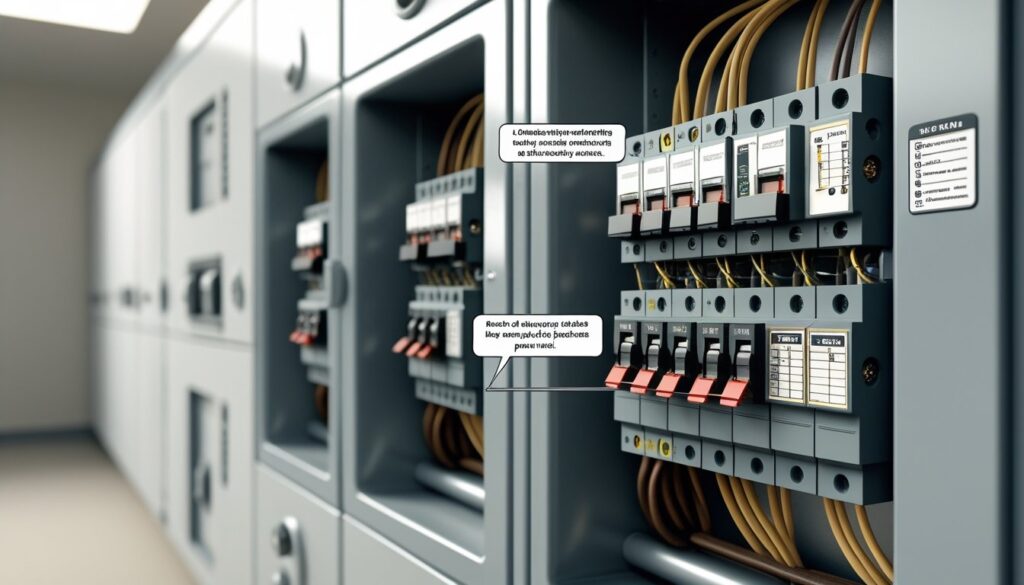
Knowing how to spot an outdated electrical panel matters for keeping your home or business safe. You might have an outdated electrical panel if it trips breakers a lot, shows signs of wear like rust or scorch marks, or just can’t keep up with your power needs. These old panels can cause annoying power outages—or worse, real hazards—if you ignore them.
You might catch flickering lights, a weird burning smell, or breakers that trip for no clear reason. When these things happen, your panel’s probably struggling. At Magnify Electric, our licensed electricians help you spot these issues fast and recommend what actually works to keep your electrical system steady.
Understanding Electrical Panels
Electrical panels keep electricity flowing through your home or business. Different types and parts all work together to keep things running safely and efficiently. Knowing the basics makes it easier to spot an outdated panel.
What Electrical Panels Do
Your electrical panel is basically the central hub for power in the building. It takes electricity from the main line outside and splits it into smaller circuits. Each circuit powers something different—lights, outlets, your fridge, whatever.
The panel uses circuit breakers or fuses to protect your wiring. If there’s too much current, they shut things down to prevent fires or damage. If your panel’s old or undersized, you might see breakers tripping all the time or lights flickering.
Types of Electrical Panels
You’ll usually find a few types:
- Main Breaker Panel: Most common in homes. Has a main switch to kill all power, plus several circuit breakers.
- Main Lug Panel: No main breaker—usually controlled by a disconnect nearby. Used in small buildings or as a subpanel.
- Subpanels: Smaller panels fed from the main one, often for garages or workshops.
Knowing your type helps you figure out if it’s up to the job. Older panels can’t always keep up with modern appliances and may need an upgrade.
Key Components Inside an Electrical Panel
Inside, you’ll see:
- Main Breaker: Controls all power coming into the panel.
- Circuit Breakers: Protect each circuit by cutting power if there’s an overload.
- Bus Bars: Metal strips that send electricity to the breakers.
- Neutral and Ground Bars: Where the neutral and ground wires hook up for safety.
If wires look ancient, breakers seem outdated, or the panel feels warm, it’s probably time to call a pro.
Common Signs of Outdated Electrical Panels
Your electrical panel manages all the power flowing into your home or business. When it’s outdated, you’ll start noticing problems—sometimes dangerous ones. Here’s what to look for if you think your panel might need an upgrade or repair.
Frequent Circuit Breaker Trips
If your circuit breakers trip a lot, your panel could be overloaded or starting to fail. When the panel can’t safely handle your electricity needs, you end up with annoying power interruptions and possibly damaged appliances.
Old panels often have too few circuits for today’s devices. Running a bunch of high-power gadgets at once overloads the system, and the breakers trip to protect your wiring. If this happens regularly, your panel’s probably past its prime.
Flickering or Dimming Lights
When your lights flicker or dim for no good reason, your panel might be the culprit. It can’t keep voltage steady when the load changes.
Loose or damaged connections inside the panel often cause flickering. Dimming usually means the circuits just aren’t getting enough power because the panel’s outdated.
If you see this while using the microwave or AC, your panel’s probably struggling. It’s worth having someone check it out.
Burning Smells or Discoloration
Burning odors or discoloration near outlets or the panel are big red flags. That usually means something’s overheating, which could lead to a fire.
Look for melted plastic, scorch marks, or dark spots on or around the panel and outlets. These are signs of hot or short-circuiting components—often thanks to old wiring or worn-out breakers.
If you smell burning, don’t wait. Get a pro in for a thorough inspection.
Lack of Ground Fault Circuit Interrupters (GFCIs)
Older panels often don’t have GFCI protection, which helps prevent electric shocks. GFCIs cut power fast if they detect a ground fault, especially in wet areas like kitchens and bathrooms.
If your panel doesn’t have GFCI breakers or outlets, that’s a safety gap. You’re at higher risk for shock, and you might not meet code.
Adding GFCI protection usually means an upgrade or retrofit. It’s worth it for the safety boost.
Assessing Panel Age and Manufacturer
Knowing your panel’s age and brand can help you spot trouble before it starts. It’s easier to decide if your panel can handle today’s power needs, or if it’s time for something new. Here’s how to check the manufacture date, look for recalls, and read important labels.
Locating the Manufacture Date
You’ll usually find the date stamped or printed inside the panel door or on the main breaker. Look for numbers showing month and year—like “0620” for June 2020.
If your panel’s over 25 years old, it probably doesn’t meet today’s safety standards or keep up with your power needs. Not sure what you’re looking at? Snap a clear photo and ask a licensed electrician for help.
Identifying Recalled or Known Problem Brands
Some brands, like Federal Pacific Electric (FPE) and Zinsco, have a bad reputation—breakers that don’t trip when they should, for example.
Check the panel door or label for the brand name. Then look online or ask a professional if your panel’s been recalled or has warnings.
If you find a problem brand, it’s usually best to replace the panel, even if it looks fine.
Reading Panel Labels and Documentation
Panel labels show voltage, amperage, and wiring instructions. Look for rust, scorch marks, or faded labels—these can mean overheating or damage.
Labels also list the panel’s max amperage. Most homes need at least a 100-amp panel these days. If yours is rated lower, it probably can’t handle current power demands.
Keep any manuals or paperwork you have. If you’re missing them, a pro can usually find specs with the model number.
Visual Inspection for Outdated Features
A quick look at your panel can reveal a lot about its age and safety. Watch for old panel types, outdated wiring, and signs of damage like rust.
Fuse Boxes vs. Circuit Breakers
If you see a fuse box with little glass fuses, your system’s definitely outdated. Fuses blow and need to be replaced every time there’s an overload. It’s a pain and not as safe.
Circuit breakers are just switches you can reset. They’re safer and way more convenient. If you still have fuses, it’s a clear sign you need an upgrade.
Presence of Aluminum Wiring
Homes built in the ’60s and ’70s sometimes used aluminum wiring. It was cheaper, but aluminum expands and contracts more than copper. That can cause loose connections, overheating, and even fires.
Look for wires marked “Al” or “AL,” or that look silver instead of copper. If you spot aluminum wiring, get a professional to inspect it. It’s not something to ignore.
Visible Rust or Corrosion
Rust or corrosion on your panel or its parts means trouble. Moisture gets in and weakens metal over time, leading to bad connections or shorts.
Check for brown or green flakes, especially on screws, breakers, or wire terminals. Rust can also mean water damage—which is never good news for electrical systems. If you see it, call a pro to check things out.
Safety Risks Associated With Outdated Panels
Old electrical panels can create real safety risks—sometimes serious ones. Understanding those dangers helps you protect your home, your stuff, and the people you care about.
Fire Hazards
Old panels wear out and overheat. If your breaker panel trips a lot or feels warm, it’s probably not protecting your home the way it should. That heat can start fires, especially if it ignites wires or nearby materials.
Worn-out parts inside can spark or short-circuit. Faulty wiring connected to old panels just makes things worse, raising the fire risk.
Electrical Shock Risks
Outdated panels might have exposed wires or loose connections—two big causes of electric shock. If breakers or fuses stop working right, you could end up touching live parts by accident.
Some old panels don’t meet today’s safety standards, making repairs or changes riskier. Regular inspections by licensed electricians catch these hazards before they bite.
Insurance and Code Compliance Issues
Insurance companies want electrical systems that meet current safety codes. If your panel’s outdated, you might pay higher premiums or get denied if there’s a claim.
Building codes require panels to meet certain standards. An old panel might not pass inspection if you’re selling or remodeling, which can mess up your plans and cost you money.
When to Upgrade Your Electrical Panel
If your electrical system can’t keep up or you’re planning changes at home, it’s probably time to think about an upgrade. Keep an eye out for frequent breaker trips or outdated equipment—these are big signs your panel isn’t up to the job anymore.
Electrical Needs of Modern Homes
Modern homes just use more electricity than older ones—there’s no way around it. Think about all the smart gadgets, powerful air conditioners, or that electric vehicle charger you’ve been eyeing. An old panel probably wasn’t designed for any of these.
If you’re seeing flickering lights, breakers tripping all the time, or you still have fuses instead of breakers, your panel’s likely outdated or just plain overloaded. Most homes these days need a panel rated for at least 100 amps. But if you’ve got a bigger place or a lot of gadgets, 200 amps might be the way to go.
Updating your electrical system isn’t just about convenience—it’s about avoiding headaches like electrical fires or fried devices.
Planning Major Home Improvements
Planning to remodel or add a room? Don’t forget your electrical panel. New spaces usually mean more lights, outlets, or maybe even a new heating and cooling setup.
Cramming more circuits into an old panel can push it over the edge—cue the breaker trips or worse. Upgrading gives you the breathing room you need for extra power. A good electrician will look at your panel, figure out if it can take the load, and walk you through your options.
Magnify Electric’s crew can check things out during any home improvement, making sure your system keeps up and stays safe.
Adding New Appliances or Circuits
Bringing in a new washer, dryer, microwave, or oven? Your panel has to keep up. Each big appliance needs its own circuit for safety—no shortcuts here.
If your panel’s jam-packed or can’t handle the extra draw, it’s upgrade time. Trying to shoehorn more circuits into an old panel usually just means more tripped breakers and risky situations.
A new panel means extra space for circuits and peace of mind that you’re up to code. Not sure how many circuits you really need? Let Magnify Electric’s licensed electricians sort it out. We’ll make sure your home’s ready for anything you want to plug in.
Professional Evaluation and Next Steps
Sometimes you just have to bring in a pro. They can spot risks early and steer you in the right direction for upgrades.
When to Call a Licensed Electrician
If breakers keep tripping, lights flicker, or you spot rust, scorch marks, or hear buzzing from your panel, it’s time to call a licensed electrician. These are all warning signs that your panel might be outdated or even dangerous.
Don’t try poking around in your panel yourself—it’s really not worth the risk. Only a licensed electrician should inspect or diagnose what’s going on.
Magnify Electric’s team handles everything from residential to commercial work, and we actually care about keeping your place safe. The sooner you call, the better.
What to Expect During an Electrical Panel Inspection
When the electrician shows up, they’ll cut the main power first—safety first, always. Then they’ll take a close look at your panel, breakers, and wiring, checking for wear, damage, or old parts.
Inspections usually take a couple of hours, give or take. Afterward, the electrician will lay out what needs fixing or upgrading, and answer whatever questions you’ve got.
Magnify Electric’s all about honest, thorough inspections. If you need an upgrade, we’ll help you map out the next steps—no drama.
Tips for Maintaining a Safe Electrical System
A safe electrical system doesn’t just happen. You’ve got to stay on top of things—check your wiring, keep up with inspections, and use the right safety devices.
Regular Electrical Inspections
Try to schedule electrical inspections every few years. A licensed electrician can spot loose connections, worn parts, or stuff you’d never notice. Watch for flickering lights, warm outlets, or breakers that trip a lot—those are your system’s way of waving a red flag.
You can also do basic checks yourself. If you smell something burning, or outlets feel hot, don’t ignore it. Keep the area around your electrical panel clear so it’s easy to get to in an emergency or for an inspection.
Magnify Electric’s team digs deep during inspections, looking for hidden problems and offering solutions that actually fit your life.
Up-to-Date Safety Devices
Old panels just can’t keep up with today’s power needs. Upgrading to modern breakers cuts down on overloads and lowers fire risk.
Install GFCIs in kitchens and bathrooms—they shut off power fast if there’s a problem, which can save you from a nasty shock. AFCIs are worth having too; they catch dangerous sparks that could start fires.
Magnify Electric can help you pick and install these safety upgrades. Keeping up with the latest devices just makes your place safer and more efficient—no downside there.
Frequently Asked Questions
Spotting issues with your electrical panel keeps your home safer and your gadgets happier. You might be curious about what to watch for, how old your panel is, or which brands to avoid. Here’s a quick rundown.
What are the signs that my electrical panel may be obsolete?
If your panel trips often, can’t hold a charge, or you notice flickering lights, burning smells, or warm breakers, those are all big warnings. If your panel just can’t keep up with modern loads, it’s probably time for an upgrade.
Can you list electrical panel brands that are known to be problematic or outdated?
Some brands just haven’t aged well. Federal Pacific, Zinsco, and Challenger panels have a reputation for failing or being unsafe. If you spot one of these in your home, replacing it is usually the smart move.
How can I determine the age of my home’s electrical panel?
Check inside the panel door or on the panel itself for a date stamp—it’s usually there. If you can’t find it or aren’t sure, an electrician can figure it out during an inspection.
Which electrical panels have been recalled and should be replaced?
Federal Pacific and Zinsco panels have been recalled pretty often due to safety issues. They might not trip when they should, which is a serious fire risk. If you’ve got one, call a licensed electrician and talk about getting it swapped out.
What are the indicators of a bad or failing electrical panel?
Common signs: breakers that trip a lot, breakers that feel warm, or corrosion inside the panel. You might also hear buzzing or notice frequent power outages in certain rooms.
What should I do if I suspect my electrical panel is a safety hazard?
If you think something’s wrong with your electrical panel, it’s best to stop using any circuits that seem off—just to be safe. Then, reach out to Magnify Electric for a professional inspection. Our licensed electricians can check things out, spot any problems, and suggest repairs or replacements that actually make sense for your situation (and your wallet). We’ve worked on homes and businesses, and honestly, we treat every job with the same level of care.